The Strategic Craft of Command & Conquer: Red Alert’s Level Design
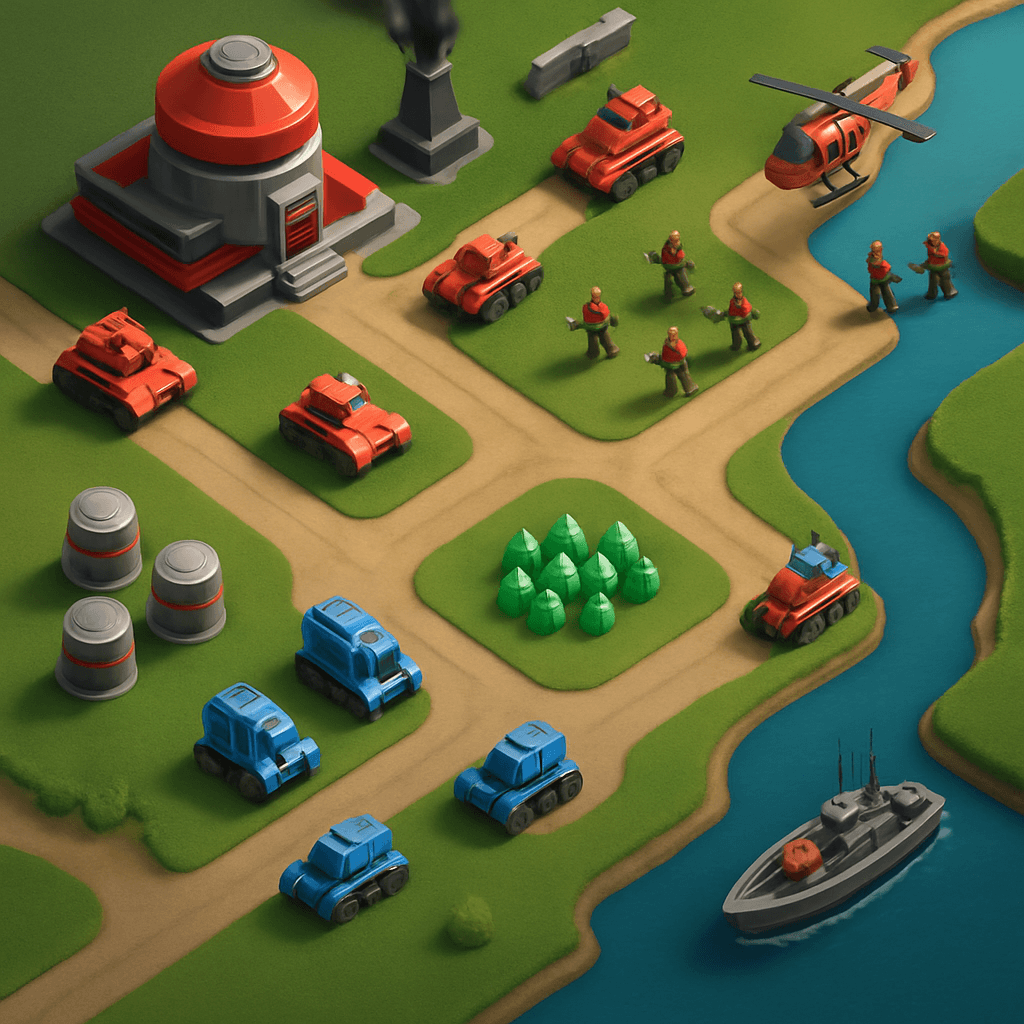
Command & Conquer: Red Alert, developed by Westwood Studios and released in 1996, stands as a pivotal installment in the strategy gaming genre. By introducing players to an alternate history where the Soviet Union and Allied forces clash, it carved out a unique niche with its compelling storyline and balanced gameplay. Yet, what truly set Red Alert apart was its masterful level design, which seamlessly guided players through strategic decision-making while maintaining a gripping narrative.
The Art of Strategic Level Design in Red Alert
The brilliance of Command & Conquer: Red Alert’s level design lies in its ability to immerse players into its strategic depth from the very first mission. Each level is meticulously crafted to teach players core mechanics without overt tutorials, allowing for a natural learning curve. For instance, early missions introduce base building and resource management incrementally, ensuring players gain confidence in their abilities. A notable example is the Soviet campaign’s ‘Dead in the Water’, which forces players to adapt their strategies as they manage limited resources while engaging enemy forces across a sprawling map.
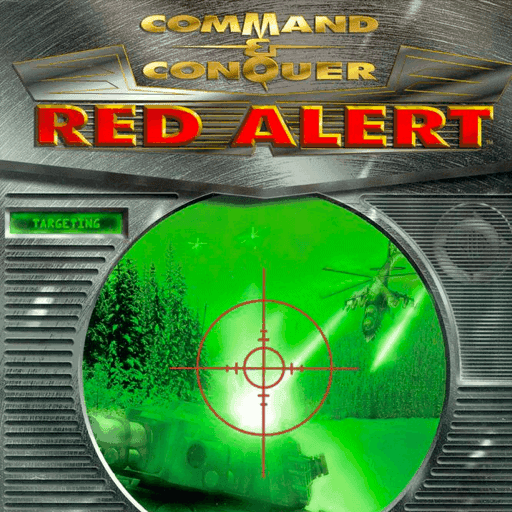
Command & Conquer: Red Alert
How Mission Pacing Keeps Players Engaged
Red Alert excels in maintaining a brisk pace throughout its missions, keeping players invested and eager to discover what comes next. Missions vary in objectives and complexity, with some offering intense battles and others focusing on stealth or reconnaissance. This varied pacing ensures that players never feel overwhelmed or fatigued by monotonous tasks. In the mission ‘Counterstrike’, swift tactical decisions are crucial as players must navigate through enemy territory while managing reinforcements. Such dynamic mission structures are key in keeping the gameplay fresh and engaging.
Environmental Storytelling and Its Impact on Gameplay
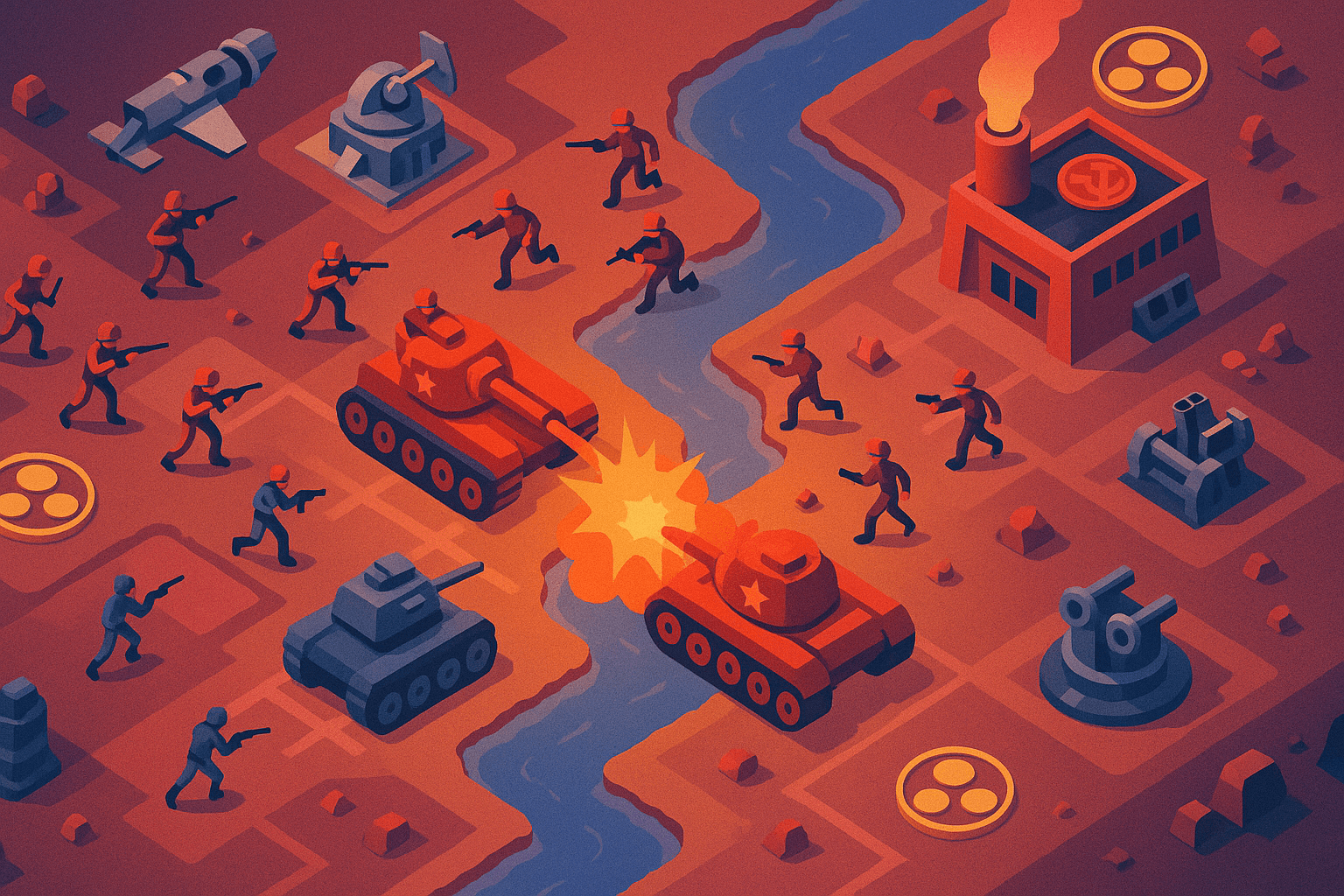
One of the standout elements of Command & Conquer: Red Alert is its use of environmental storytelling. Each level is designed not just as a battlefield but as a piece of the larger narrative puzzle. The landscape often tells a story of its own, with devastated cities and abandoned factories hinting at the ongoing war’s toll. This backdrop not only enhances the atmosphere but also influences tactical choices. The mission ‘Sub-Divide’ exemplifies this, with its weathered terrain dictating unit movement and strategic deployment. Such design intricacies ensure players are constantly aware of the narrative stakes, enriching their strategic experience.
Command & Conquer: Red Alert’s level design remains a masterclass in blending strategic gameplay with immersive storytelling. Its ability to guide players through complex mechanics while keeping them engaged with diverse mission objectives is a testament to its lasting influence. Even today, these design principles continue to inspire modern strategy games, proving that the art of effective level design is timeless.
Related articles
From Text Quests to Epic Quests: The Rise of DOS RPGs
Explore the transformation of DOS RPGs from basic text adventures to complex, graphical epics that set the stage for modern gaming.
Crafting a Living World: The Artistry of Ultima VI
Explore how Ultima VI mastered world-building within its technical limits, creating an immersive experience that influenced future RPGs.