How Dune II Invented the Modern RTS
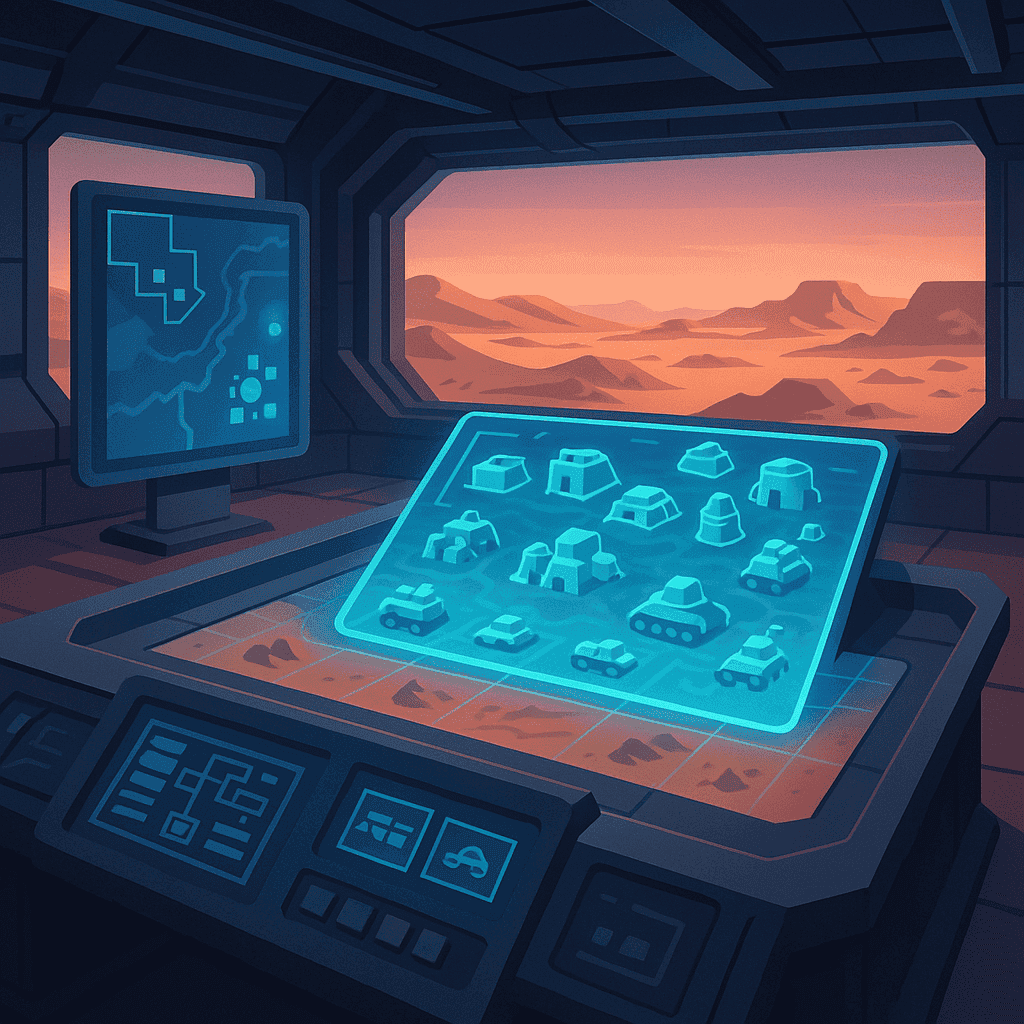
In the early 1990s, a game emerged that would forever change the landscape of real-time strategy games. Dune II: The Building of a Dynasty, released in 1992 by Westwood Studios, introduced mechanics that would become foundational to the genre. Set in the sand-swept world of Arrakis, this game tasked players with resource management, tactical warfare, and base-building, all in real-time—a revolutionary concept at the time.
The Revolutionary Mechanics of Dune II
Dune II introduced several gameplay mechanics that were groundbreaking at its release. Players were given control over a base, which they could expand and reinforce with various structures, each serving a specific function. This idea of base-building was coupled with resource management, where players harvested the valuable spice Melange to fund their growing empires. The game pioneered the use of a mouse-driven interface for unit control, allowing for more precise and engaging gameplay.
Another significant innovation was the fog of war, which obscured enemy territories, adding a layer of strategy and mystery to exploration and combat. Such elements became staples in the genre, defining how strategy games would be played for decades.
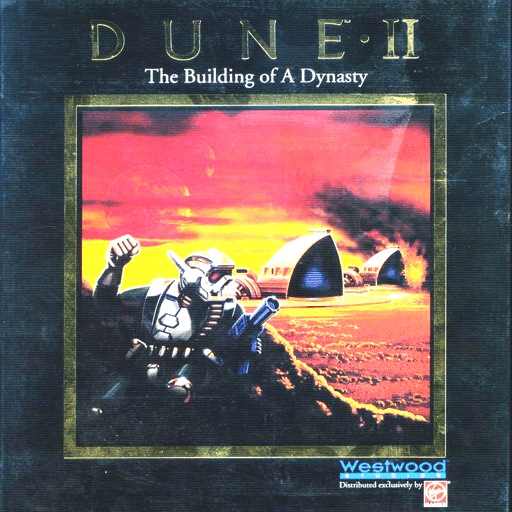
Dune II: The Building of a Dynasty
Tracing the Influence of Dune II on Modern RTS
The legacy of Dune II is evident in many strategy games that followed. Its impact is perhaps most directly seen in the acclaimed Command & Conquer series, also developed by Westwood Studios, which expanded on Dune II’s ideas with more sophisticated narratives and multiplayer capabilities. The concept of diverse factions, each with unique units and abilities, became a hallmark of the genre, encouraging varied strategic approaches.
Later titles such as KKND: Krush Kill ’N Destroy further built upon the foundation laid by Dune II, incorporating humor and post-apocalyptic themes while retaining the essential mechanics of resource management and strategic unit deployment.
Direct Successors: Games Inspired by Dune II
Among the games that drew direct inspiration from Dune II is Command & Conquer, which refined the base-building and resource-gathering mechanics while introducing full-motion video cutscenes to enhance storytelling. Another notable successor is Carrier Command, which, although released earlier in 1989, shares the same spirit of combining tactical decision-making with real-time action, showing how Dune II’s contemporary titles were experimenting with similar ideas.
Each of these games took the core elements of Dune II and expanded them, setting the stage for future RTS masterpieces and establishing a blueprint that developers continue to refine.
Developer Insights: Reflections on Dune II’s Legacy
Industry experts often credit Dune II as the progenitor of the modern RTS genre. Greg Street, a notable game developer, once remarked that Dune II’s intuitive interface and strategic depth were “ahead of its time,” creating a template that many RTS games strive to emulate. Designers from Westwood Studios themselves have reflected on how the game’s success provided the confidence to innovate further, eventually leading to legendary titles like Command & Conquer.
The lasting affection for Dune II within the development community underscores its role as a formative influence, shaping the design philosophy and technological advancements in real-time strategy gaming.
The Enduring Relevance of Dune II in Gaming
Dune II’s influence on the gaming world cannot be overstated. Its innovative mechanics continue to be a touchstone for developers, and its ideas are alive in today’s most popular RTS titles. The game’s pioneering spirit and strategic depth ensured that it remains a beloved classic among fans of the genre.
As players revisit Dune II or discover it anew, its contribution to gaming history is evident. By introducing mechanics that became synonymous with the RTS genre, Dune II not only defined an era but also paved the way for future generations of strategic gaming.
Dune II’s blueprint for real-time strategy games remains a foundational pillar in the genre. As we reflect on its innovative mechanics and the legacy it established, we recognize its profound impact on both contemporaries and successors in the gaming industry. Aspects of Dune II’s design still echo in the strategic decisions players make today, ensuring its place in gaming history is both influential and enduring.
Related articles
Top 10 Classic DOS Games You Can Play Online Today
Relive the magic of early PC gaming with our top 10 classic DOS games you can play online. Explore timeless hits that shaped the industry, from iconic platformers to groundbreaking shooters. Nostalgia awaits!
Red Alert at 30: The RTS Revolution That Shaped Gaming
Explore the legacy and significance of Command & Conquer: Red Alert as it marks its 30th anniversary, highlighting its impact on the RTS genre and gaming culture.