How Dungeon Master II: Skullkeep Revolutionized RPG Mechanics
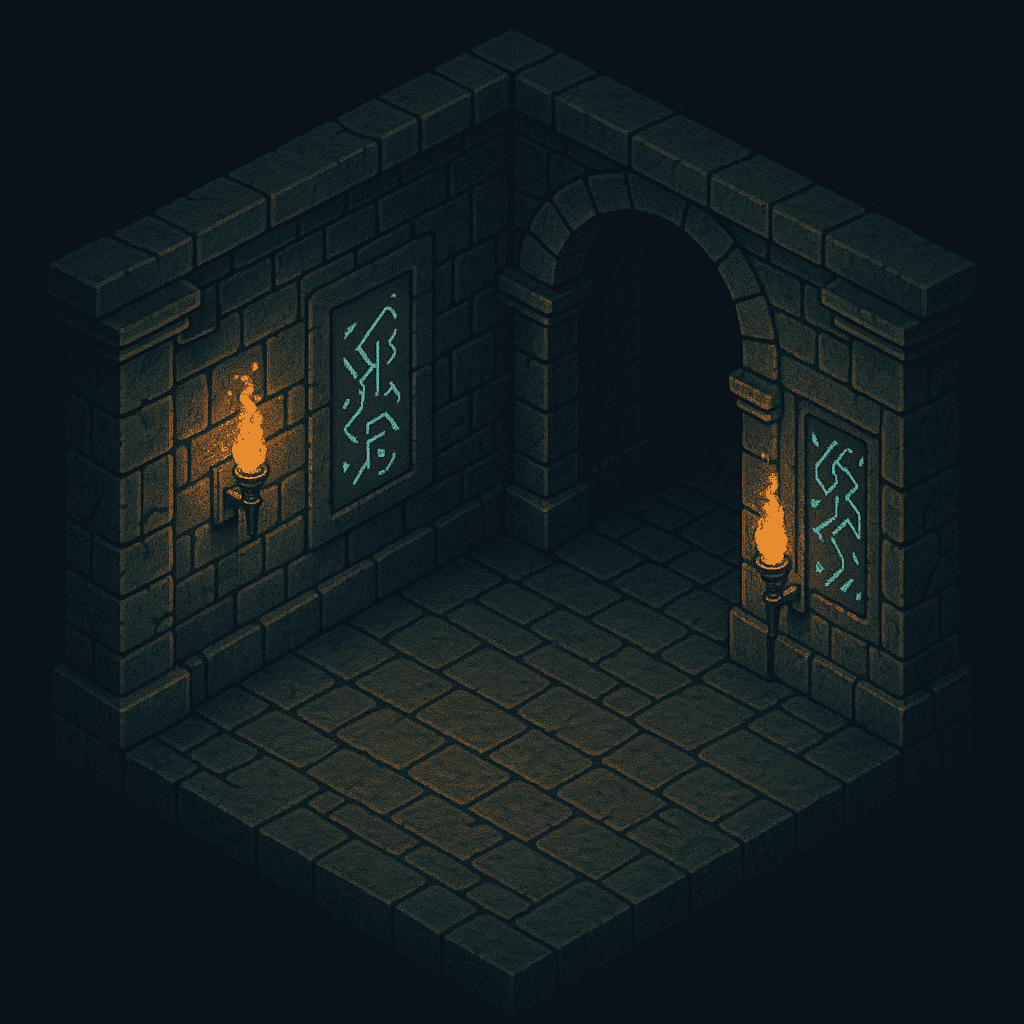
In 1995, Dungeon Master II: Skullkeep emerged as a beacon of innovation in the realm of role-playing games. Developed by FTL Games and published by Interplay, this game refined the real-time dungeon-crawling formula that the original Dungeon Master pioneered. Its introduction of new mechanics and immersive elements left an indelible mark on the genre, influencing countless RPGs that followed.
Innovative Mechanics That Changed RPGs Forever
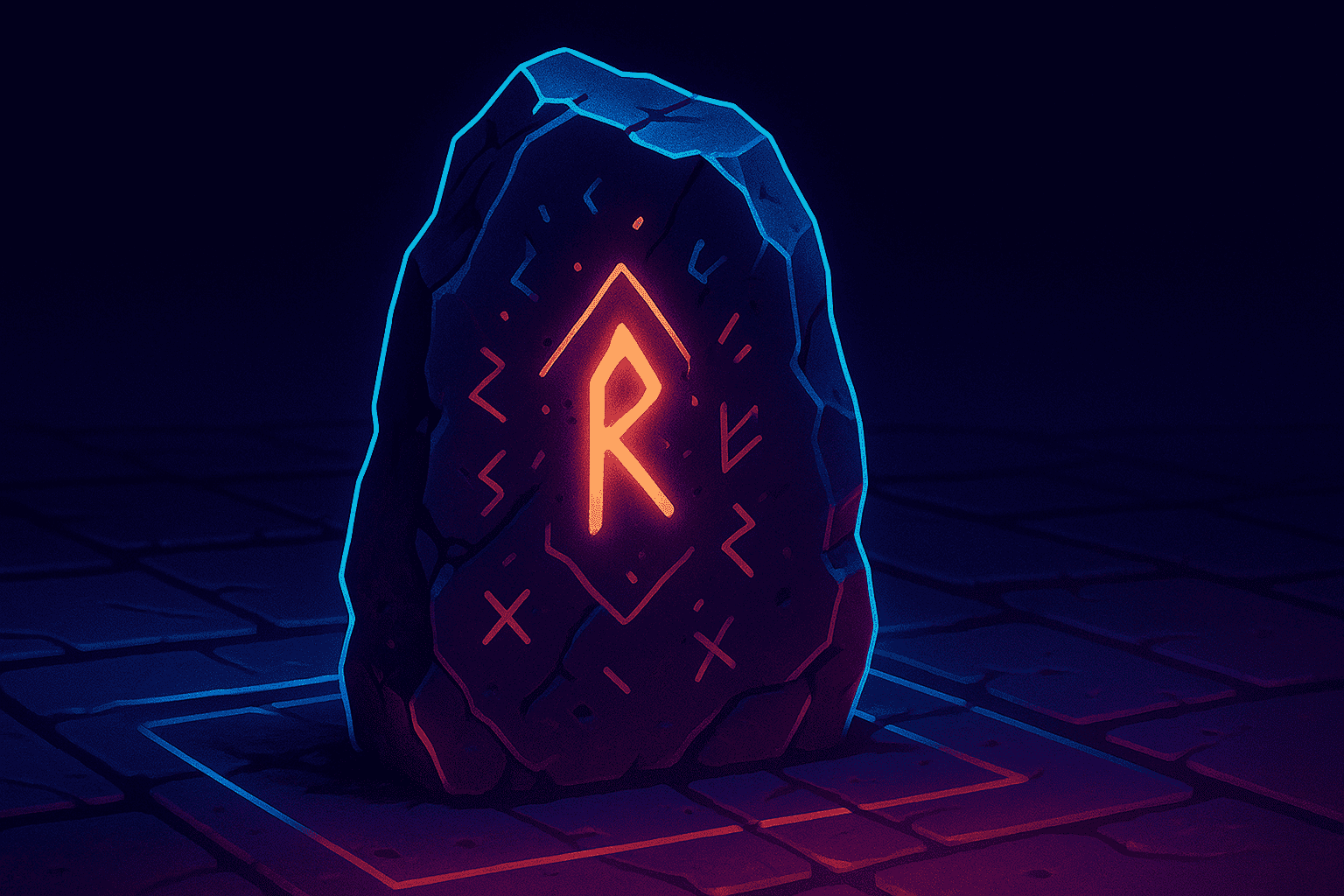
Dungeon Master II introduced several groundbreaking mechanics that set a new standard for RPGs. At the forefront was its pseudo-3D environment, which provided players with a more immersive experience compared to the static, tile-based graphics of its predecessors. This visual innovation was complemented by a dynamic day-night cycle, adding an extra layer of realism and strategy to gameplay. Another significant feature was the rune-based magic system, encouraging players to experiment and discover spells through logical combinations, rather than relying on preset spell lists.
The game also offered a tactile puzzle-solving experience, forcing players to engage with the environment in creative ways. These elements combined to create a richly detailed world that demanded both strategic thinking and problem-solving skills, influencing how RPGs would approach world-building and player interaction in the years to come.
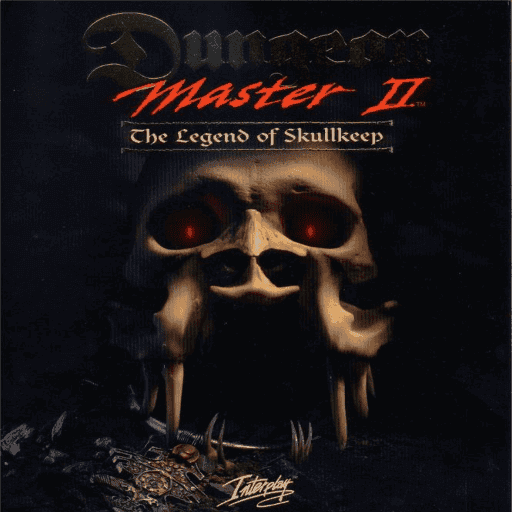
Dungeon Master II: Skullkeep
Modern RPGs Drawing from Dungeon Master II’s Legacy
The mechanics pioneered by Dungeon Master II can be seen echoed in numerous modern RPGs. Games today frequently incorporate dynamic lighting and weather systems, a direct evolution of Skullkeep’s day-night cycle. The real-time, rune-based magic system laid the groundwork for the intuitive spellcasting mechanics seen in games like The Elder Scrolls series, where players are encouraged to experiment with magic.
Moreover, the trend towards environmental puzzle-solving in games such as The Legend of Zelda: Breath of the Wild can trace its roots back to the tactile puzzle designs of Dungeon Master II. These mechanics have become staples in creating immersive and challenging game worlds, demonstrating the enduring impact of Skullkeep’s design choices.
Reception and the Enduring Legacy of Dungeon Master II
Upon its release in 1995, Dungeon Master II received acclaim for its innovative approach to RPG mechanics and its immersive gameplay. Critics lauded the game for pushing the boundaries of what was possible in a dungeon-crawler, with its atmospheric design and complex systems setting a new benchmark for the genre.
In retrospect, the game’s legacy is evident in its influence on subsequent titles that have adopted and built upon its pioneering mechanics. Dungeon Master II stands as a testament to the creative risk-taking that can redefine genre standards and inspire future generations of game developers.
Reflecting on the Evolution of RPG Design Since Skullkeep
Since the release of Dungeon Master II, RPG design principles have continued to evolve, driven by advances in technology and the changing expectations of players. However, the core concepts introduced by Skullkeep—real-time interaction, environmental engagement, and a focus on player-driven discovery—remain central to the RPG experience.
Today, as we look at the intricate worlds of modern RPGs, we can appreciate how Dungeon Master II’s daring innovations have shaped the path of game design, ensuring that players are not just observers, but active participants in their digital adventures.
Dungeon Master II: Skullkeep’s influence on the RPG genre is undeniable. Its innovative mechanics continue to inspire game developers, ensuring its legacy endures in the rich tapestry of role-playing games. As new titles emerge, they carry forward the pioneering spirit of Skullkeep, blending the old with the new to create immersive and engaging experiences for players around the world.
Related articles

How BloodNet Pioneered Cyberpunk Storytelling in RPGs
Explore BloodNet's innovative blend of cyberpunk storytelling and RPG mechanics that influenced modern titles.
The Demoscene’s Lasting Influence on DOS Gaming
Explore how the Demoscene's pioneering digital art transformed classic DOS games, shaping their development and innovation.