The Iconic Box Art and Marketing Magic of Caesar II
In the realm of strategy games, where imagination meets intricate management, the visual allure of a game can be as important as its gameplay. For players of MS-DOS classics, the box art was often their first encounter with a new adventure. As the digital age dawned, physical packaging served not just as protection but as a window into the worlds within.
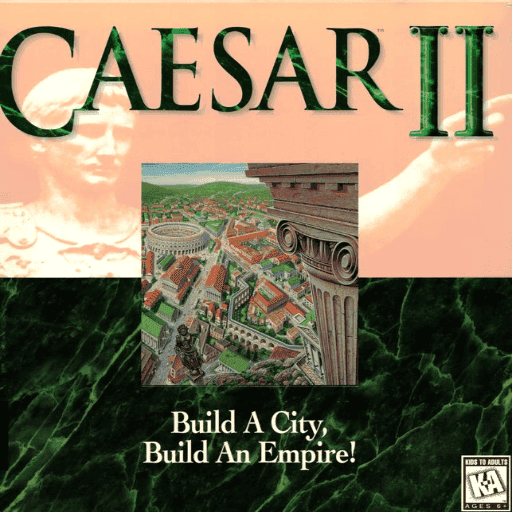
Among these, Caesar II stands out. Released by Sierra On-Line in 1995, this game invited players to craft sprawling Roman cities. Yet, what initially captured the imagination of many was its box art. It’s not an exaggeration to say that the marketing strategies behind Caesar II, starting with its packaging, played a pivotal role in the game’s enduring legacy.
Decoding the Visual Elements of Caesar II’s Box Art
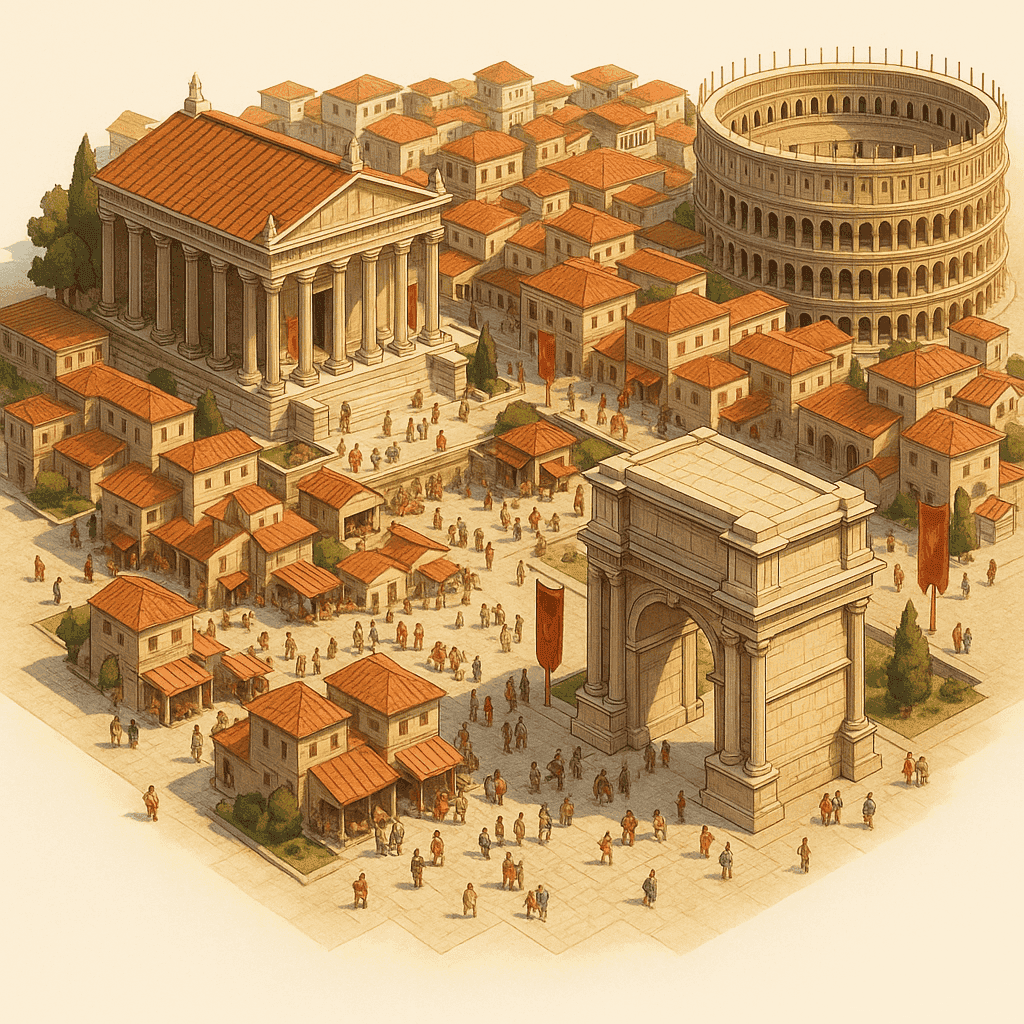
The box art of Caesar II is a visual orchestration of Roman grandeur. It features a commanding portrayal of an ancient city, bustling with life and architectural wonders. The imagery speaks to the epic scale of the game, promising players the role of a grand architect and ruler. This artistic choice was intentional, reflecting the game’s core mechanics of city-building and strategy.
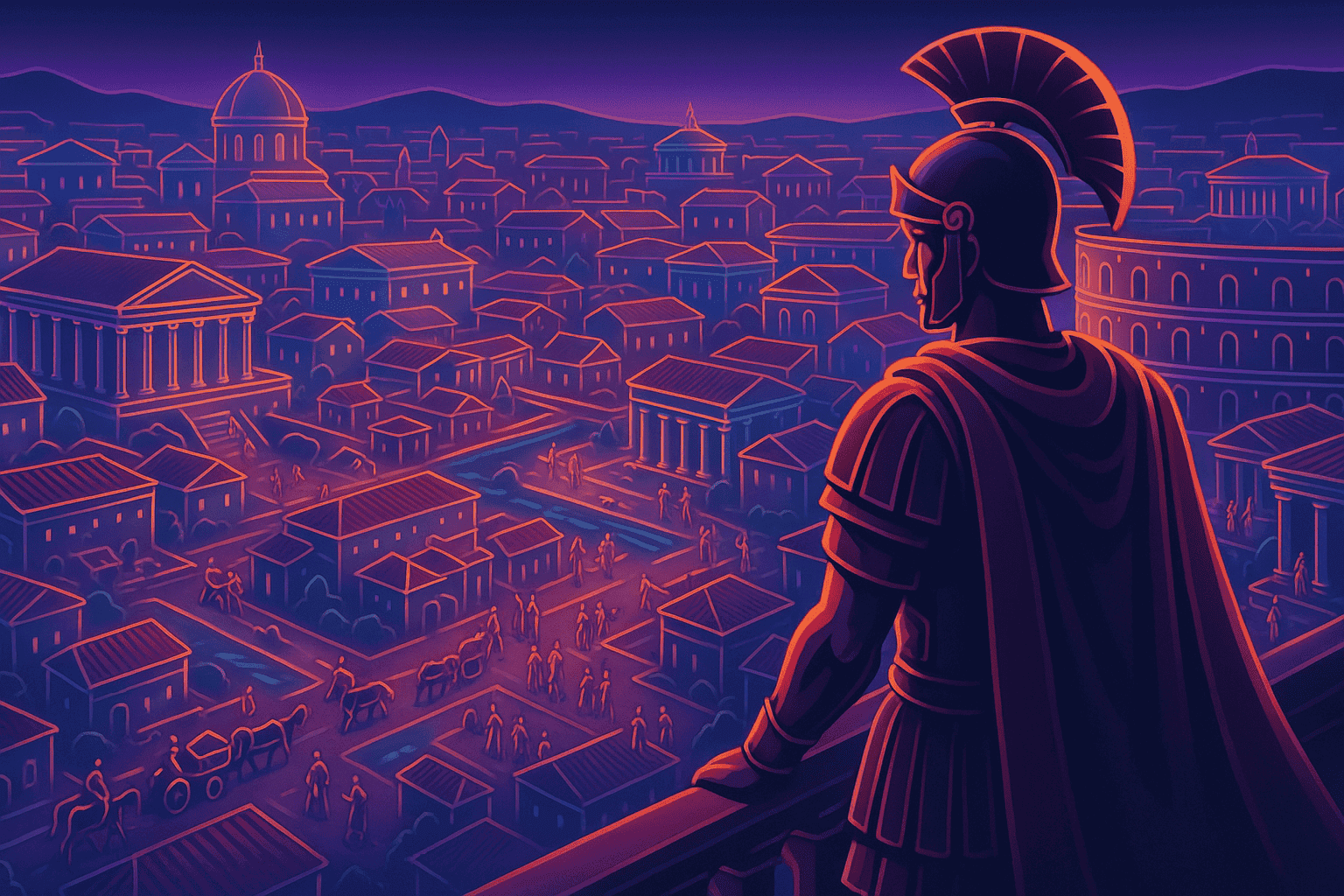
The use of rich, earthy tones and detailed textures evokes the ancient world, inviting players to step into history. The central figure, a Roman leader, gazes over the cityscape, symbolizing the power and responsibility that players would wield. Such details were carefully crafted to create an immediate connection between the potential buyer and the historical setting of the game.
Caesar II
Strategic Marketing: Selling Caesar II to the Masses
Sierra On-Line, known for its keen sense of market trends, employed a multifaceted approach to market Caesar II. Beyond the captivating box art, the marketing campaign included advertisements in gaming magazines, highlighting the game’s strategic depth and historical accuracy. The ads often showcased screenshots alongside evocative descriptions of gameplay features.
Additionally, Sierra leveraged the growing PC gaming conventions to demonstrate Caesar II, allowing players to experience the game firsthand. This hands-on approach was crucial during a time when real-time gameplay wasn’t easily accessible via internet demos or streams. By focusing on both visual appeal and player experience, the marketing strategy effectively bridged the gap between curiosity and purchase.
Expectations Set by Caesar II’s Packaging vs. Gameplay Reality
The promise of the box art was clear: a chance to govern and expand a Roman empire. Once players opened the box and loaded the game, they found an experience largely in sync with the expectations set by the packaging. Caesar II offered a compelling mix of city-building and strategic planning, demanding players to balance resources, manage public contentment, and fend off external threats.
While the simulation aspects were lauded, some players found the military components more challenging than anticipated. Yet, the depth and replayability of the game echoed the grandeur painted on its box, ensuring that players remained engaged long after the initial purchase.
The Lasting Influence of Caesar II’s Box Art and Marketing
Caesar II’s box art and marketing campaign not only boosted its initial sales but also helped cement its status as a classic DOS game. By crafting a visual narrative that resonated deeply with its target audience, the game set a standard for future strategy titles. Other developers began to realize the importance of cohesive branding, using box art as a powerful tool to convey game themes and attract players.
The lessons learned from Caesar II’s marketing continue to influence game packaging and advertising to this day. As digital downloads dominate, the nostalgia for these tangible artifacts of gaming history remains strong. Collectors and enthusiasts still seek out these pieces, not just for the games themselves but for the stories and emotions encapsulated by their box art.
The story of Caesar II’s box art and marketing is a testament to the power of visual storytelling and strategic promotion. These elements worked in harmony to elevate the game beyond its digital confines, crafting a legacy that endures in the hearts of DOS game aficionados. As we continue to celebrate the rich history of gaming, Caesar II’s packaging remains a shining example of how art and marketing can forge an unforgettable connection with players.
Related articles

The Technical Brilliance of Darklands: Redefining RPGs on DOS
Explore the groundbreaking technical achievements of Darklands and how they set new standards for DOS RPGs.
Video Games and History: How Games Shape the Way We Understand the Past
Can video games teach history? From The Oregon Trail to Sid Meier’s Civilization, discover how games shape our understanding of the past through storytelling, simulation, and choice.