Sid Meiers Civilization: A Strategy Game Revolution
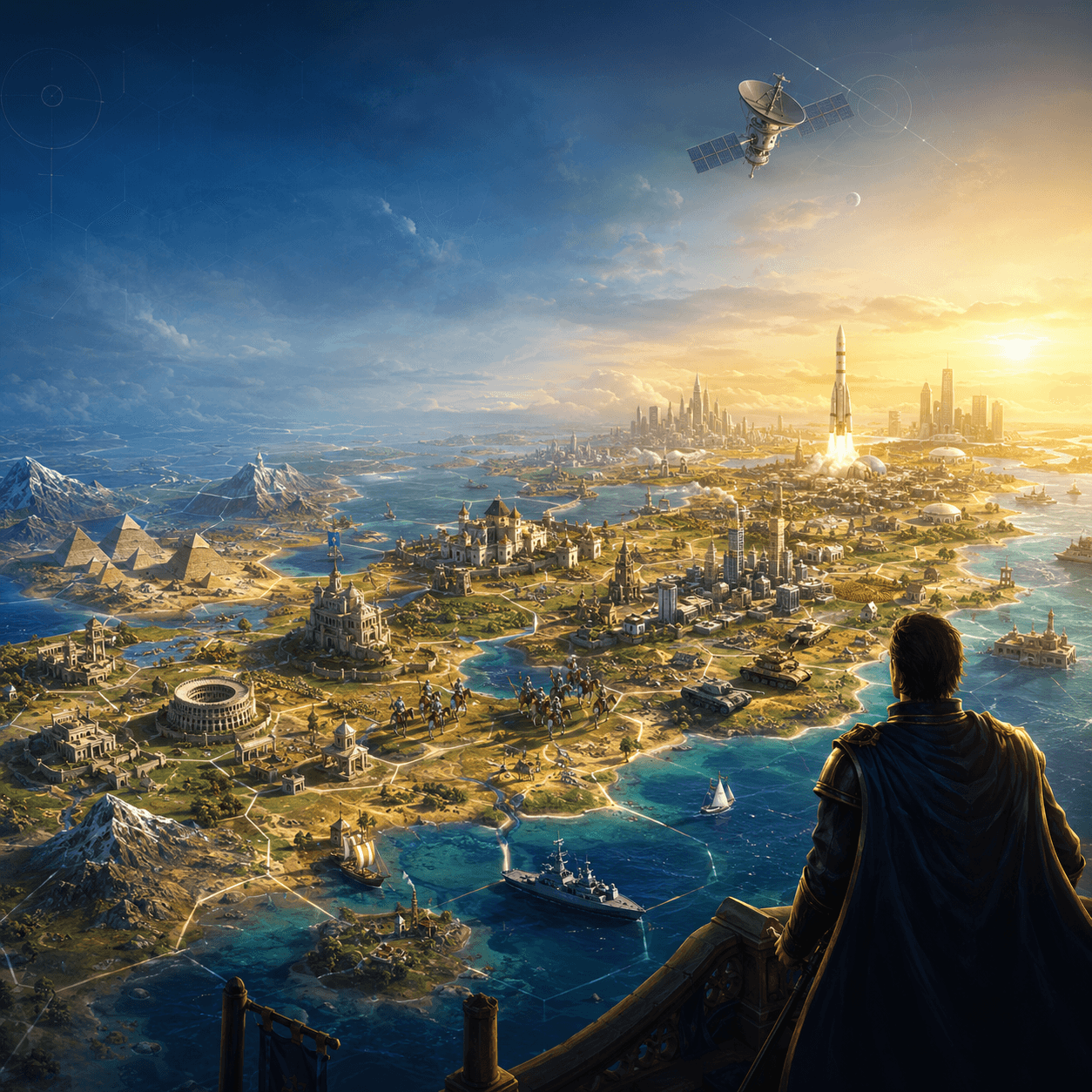
Sid Meier’s Civilization series is a cornerstone of strategy gaming. Since its inception, it has challenged players to build mighty empires from scratch, blending historical accuracy with engaging gameplay. Its impact on gaming culture and strategy genres is immeasurable, prompting fans and developers alike to explore its intricate mechanics and expansive narratives.
How Civilization Pioneered Strategy Gaming
Released in the early 1990s, the first Civilization game laid the groundwork for what would become a defining series in the strategy genre. Developed under the guidance of Sid Meier, it introduced players to a turn-based system where decisions about resource management, diplomacy, and technological advancements could determine the fate of entire civilizations. Its simplicity in design was deceptive, offering layers of complexity that encouraged strategic thinking and planning. This pioneering approach set a new standard for strategy games, influencing countless titles that followed.
Innovations Through Key Releases
Each subsequent release in the Civilization series introduced new gameplay mechanics that expanded the possibilities of how players could engage with the game world. From the addition of cultural and religious systems to diplomatic victories, the series has continually evolved to keep players engaged. The introduction of hexagon tiles in later versions allowed for more strategic movement and planning, enhancing the depth of the game. Such innovations have kept the series fresh, allowing it to remain relevant in a rapidly changing gaming landscape.
Cultural Impact: Civilization’s Influence Beyond Gaming
Civilization’s influence extends beyond the gaming world, impacting educational systems and popular culture. Its historical content has made it a valuable educational tool, with teachers using it to engage students in learning about history and strategy. Moreover, the series has inspired discussions about cultural representation and historical accuracy within video games, highlighting its importance as more than just entertainment.
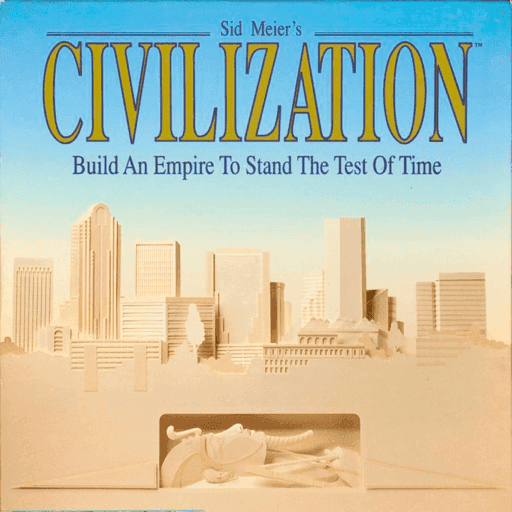
Sid Meier's Civilization
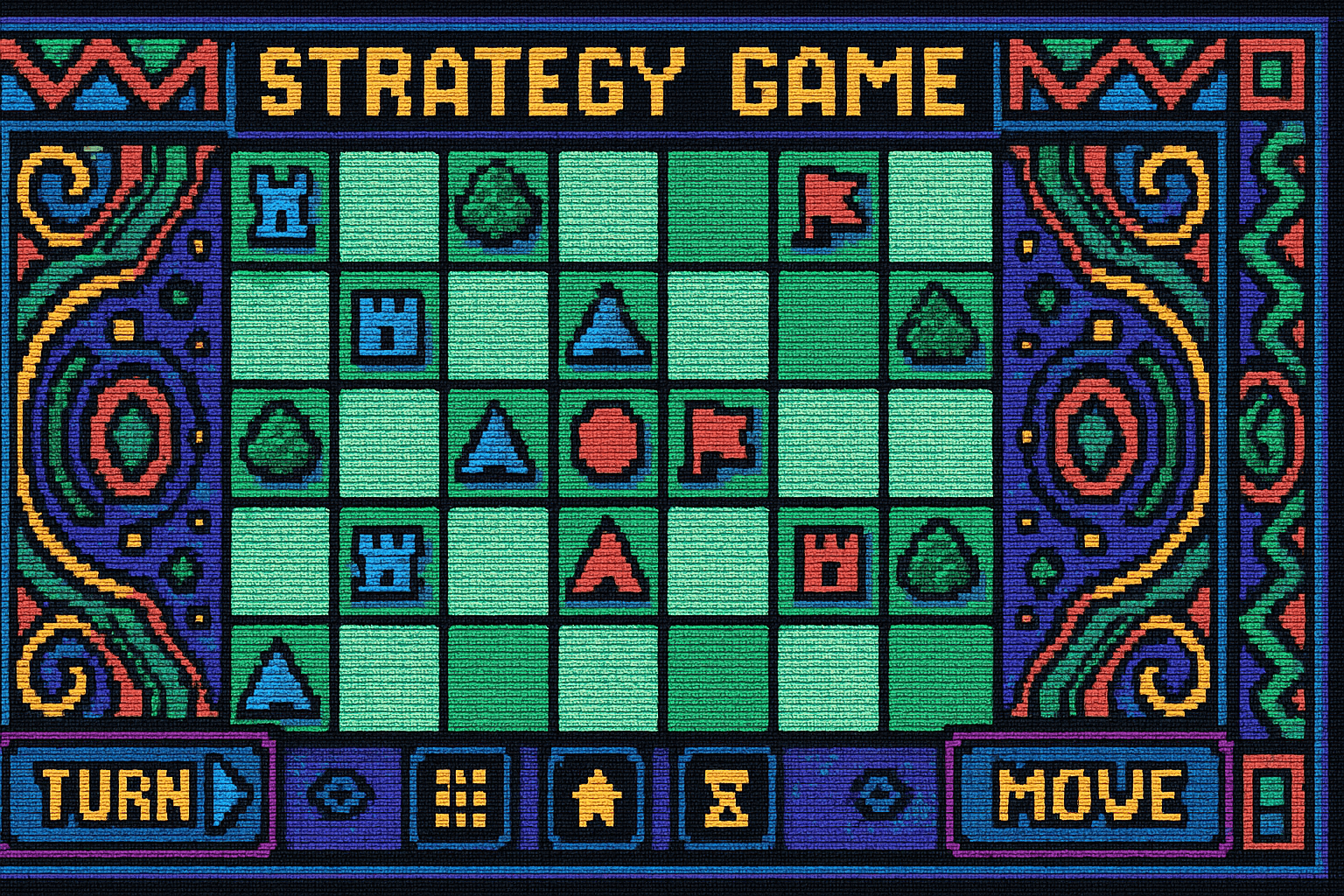
The Community: A Vital Force in Civilization’s Legacy
The Civilization series has cultivated a dedicated community of fans who have contributed significantly to its longevity and evolution. Modding communities have thrived, developing new content and scenarios that expand the game’s possibilities. Fans have created intricate mods that introduce new civilizations, technologies, and challenges, demonstrating the series’ flexibility and the community’s passion. This active engagement has kept the series alive and vibrant, bridging the gap between official releases and fan-created content.
Oh No! More Lemmings
Anticipating the Future of Civilization
As the gaming industry moves forward, the future of the Civilization series is a topic of great anticipation. With technology advancing rapidly, potential new releases could integrate virtual reality, enhanced AI, and even more complex simulation features. The challenge will be to maintain the balance between innovation and the core elements that fans have loved for decades. Regardless of the direction it takes, the legacy of Civilization as a pioneer in strategy gaming is assured, and its influence will likely continue to shape the industry for years to come.
With each new installment, Sid Meier’s Civilization continues to redefine what a strategy game can be. Its blend of history, strategy, and community engagement ensures its place as a pillar of the gaming world, inspiring both players and developers to think beyond traditional boundaries. As we look to the future, its impact remains a testament to the enduring power of interactive storytelling and strategic depth.
Related articles
Westwood Studios: Crafting a New Era in DOS Gaming
Explore the revolutionary impact of Westwood Studios on DOS gaming, from their groundbreaking titles to lasting industry influence.
The Technical Brilliance of Darklands: Redefining RPGs on DOS
Explore the groundbreaking technical achievements of Darklands and how they set new standards for DOS RPGs.