Sierra vs. LucasArts: The Adventure Game Rivalry that Shaped a Genre
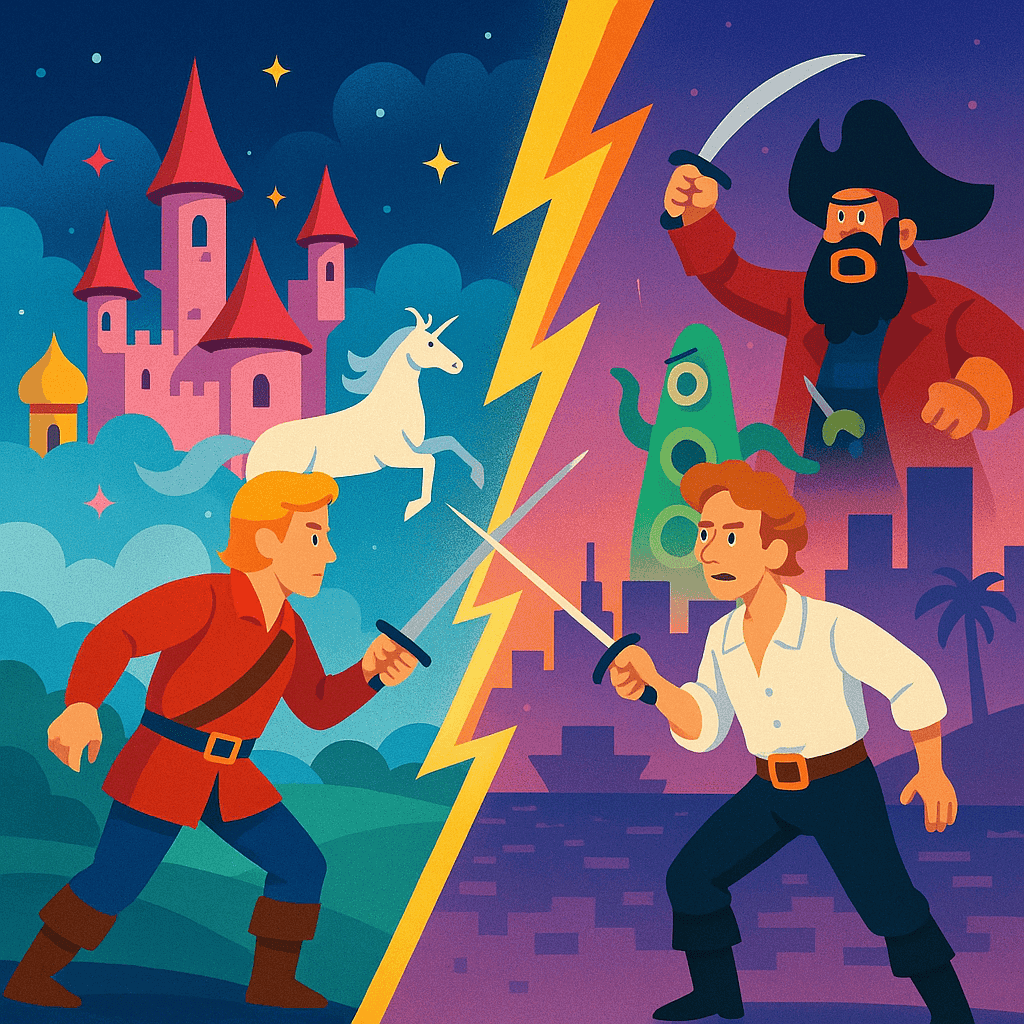
The late 1980s and early 1990s were a golden era for adventure games, largely defined by the titanic rivalry between two giants of the industry: Sierra On-Line and LucasArts. These studios not only created games but also crafted experiences that captivated players and pushed the boundaries of what adventure gaming could be. Their competition was not just about selling more copies; it was about innovation, storytelling, and creating something truly memorable.
Sierra On-Line and LucasArts: Foundations of Adventure Gaming
Sierra On-Line, founded by Ken and Roberta Williams in 1979, began its journey with text-based adventures before pioneering the graphic adventure genre with titles like King’s Quest. Meanwhile, LucasArts, originally Lucasfilm Games, was birthed from the creative mind of George Lucas in 1982, delving into interactive storytelling with its SCUMM engine.
Both companies quickly became synonymous with adventure games, their names invoking visions of fantastical worlds and complex puzzles. Sierra’s focus was often on fantasy and rich narratives, while LucasArts offered quirky, comedic experiences.
Key Releases: King’s Quest vs. Monkey Island
King’s Quest was a revelation. Launched in 1987, this game by Sierra On-Line introduced players to a rich tapestry of fantasy, filled with the kind of intricate puzzles and immersive storytelling that would become the hallmarks of the company. It was a game that demanded patience and rewarded exploration.
In contrast, LucasArts’ The Secret of Monkey Island, released in 1990, took players on a comedic journey with Guybrush Threepwood. Its humor and unique dialogue trees set a new standard for narrative engagement, and the game’s refusal to let players die was a refreshing change from Sierra’s often punishing gameplay.
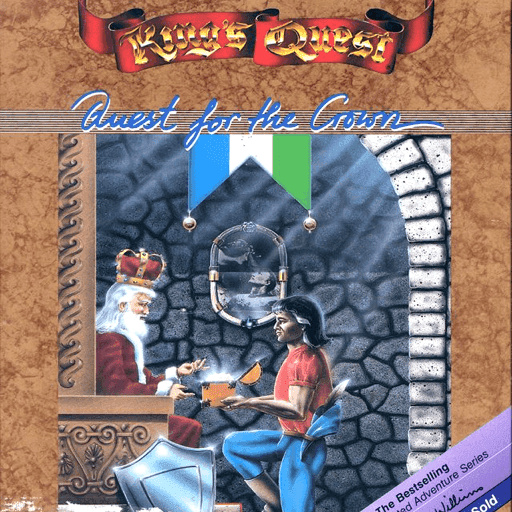
King's Quest
Pushing Boundaries: Innovations in Gameplay
Innovation was at the heart of this rivalry. Sierra was known for its parser-based input, allowing players to type commands and interact deeply with the game world. This system evolved into point-and-click interfaces, making games more accessible to a wider audience. Sierra’s influence is evident in games like King’s Quest V: Absence Makes the Heart Go Yonder!, released in 1990, which featured stunning graphics and complex puzzles.
LucasArts countered with its SCUMM system, which simplified interactions without losing depth, showcased beautifully in Day of the Tentacle. This engine became a cornerstone of their games, enabling intuitive interaction and supporting their signature humor.
Cultural Impact and Player Expectations
The competition between these studios extended beyond just the games themselves—it shaped player expectations. Sierra’s games often included complex, multi-part puzzles that required foresight and logical thinking. LucasArts, meanwhile, emphasized trial and error without severe penalties, appealing to a broader audience.
This tug-of-war created a rich cultural landscape where players could choose their adventure style, whether they craved the narrative richness and challenge of Sierra or the comedic, more forgiving world of LucasArts.
Fan Reactions: Engaging Communities
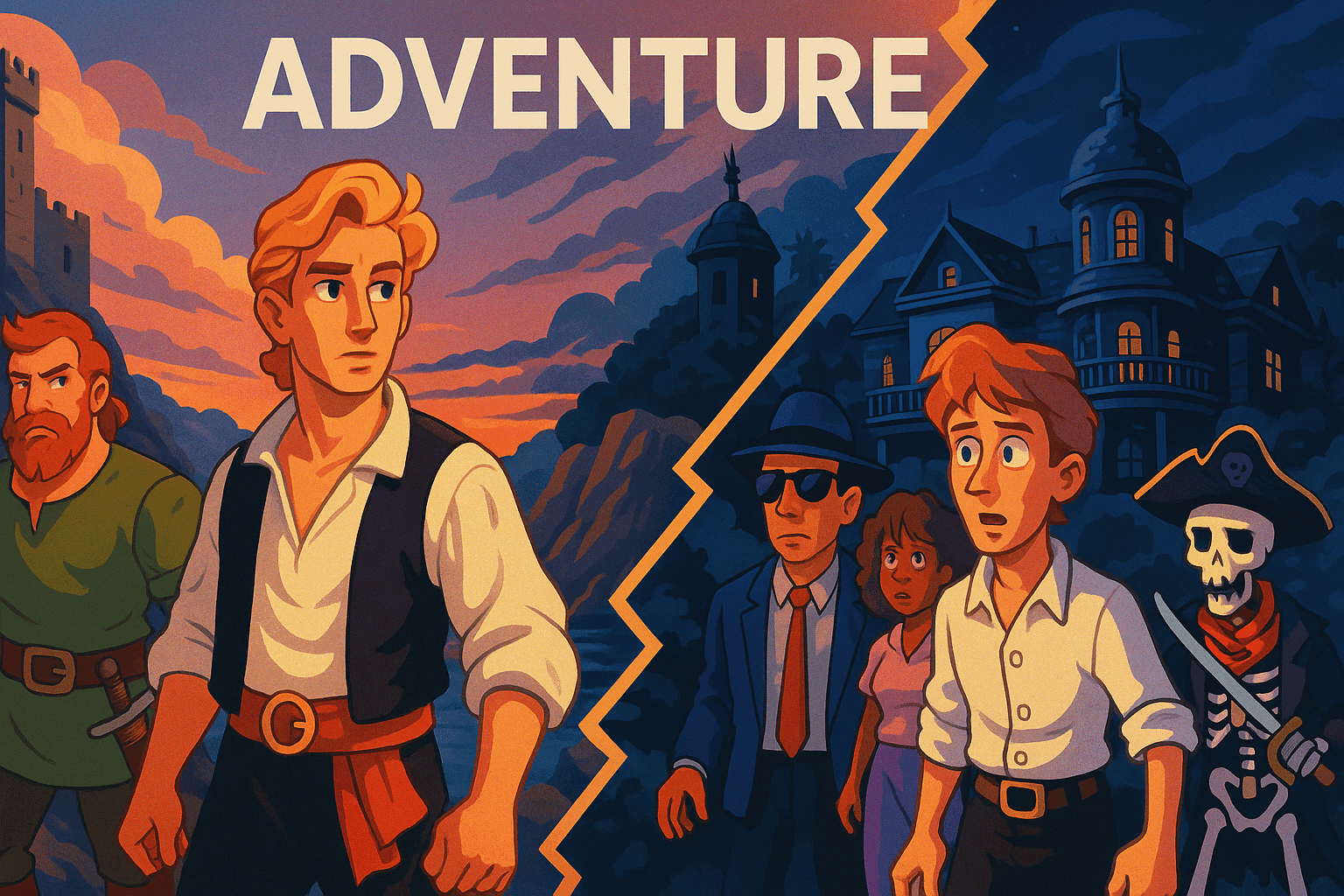
During the 1990s, fan communities bloomed around these games. Message boards and fan clubs dedicated to Sierra’s King’s Quest III and LucasArts’ Monkey Island series became hubs of activity, filled with walkthroughs, theories, and fan fiction.
Players eagerly discussed their strategies and shared tips on overcoming particularly challenging puzzles. This vibrant fan culture only fueled the rivalry, as communities rallied behind their preferred studio, creating a form of competition that extended well beyond sales figures.
Modern Impact: How Sierra and LucasArts Still Influence Today
The influence of these studios extends into modern gaming. Sierra’s narrative depth and puzzle complexity can be seen in contemporary adventure games that prioritize story and player agency. LucasArts’ humor and unique interactive systems paved the way for modern point-and-click games, inspiring titles that value player experience and engagement over difficulty.
Both companies have left an indelible mark on the industry, and their pioneering work continues to resonate with developers and players alike. Their legacy is celebrated in retrospectives and remasters, ensuring that new generations can experience these groundbreaking adventures.
The rivalry between Sierra and LucasArts was more than just a battle for market dominance; it was a catalyst for innovation and creativity in adventure gaming. By pushing each other to new heights, they crafted experiences that have become timeless, influencing gamers and developers across generations. Today, as we explore modern adventure games, we can trace their roots back to the dynamic tension between these two legendary studios. Their legacy endures, reminding us of a time when adventure was just a click away.
Related articles
The Unsung Heroes of Sierra On-Line: A Legacy of Innovation
Explore Sierra On-Line's innovative impact on the gaming industry, from its founding to iconic franchises like King's Quest and Space Quest.
The Technological Marvel of SimCity: Revolutionizing Simulation
Explore how SimCity's groundbreaking technology revolutionized simulation gaming and laid the groundwork for future city-building projects.