From Beeps to Orchestras: The Sound Evolution in DOS Gaming
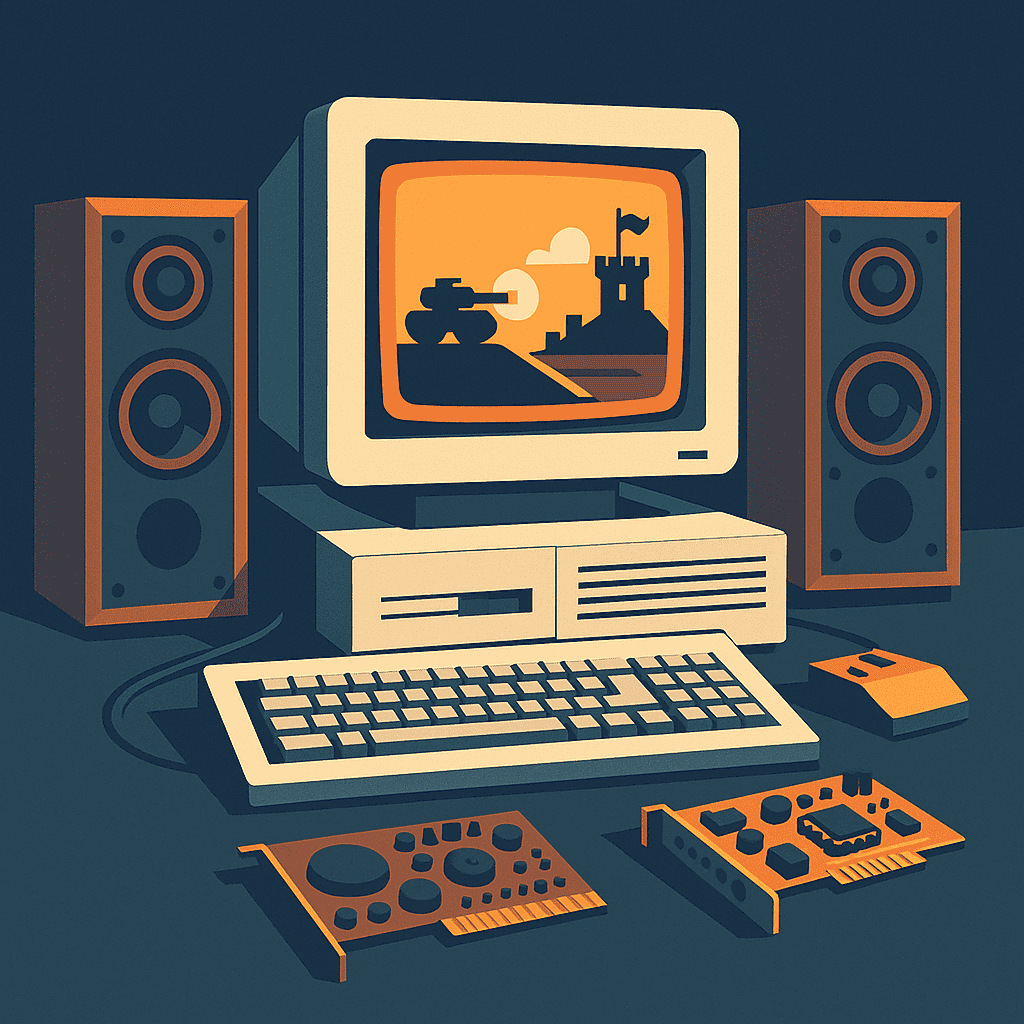
Sound plays a pivotal role in gaming, transforming mere interaction into immersive experiences. In the realm of DOS games, audio evolved dramatically, shaping not only how players engaged with games but also how they remembered them. From the simple beeps of the PC speaker to the lush orchestral scores of later titles, sound has been a key driver in the evolution of gaming as a medium.
The Dawn of Gaming Sound: PC Speaker
In the earliest days of DOS gaming, the humble PC speaker was the sole source of audio. Limited to basic beeps and bleeps, this technology offered little more than primitive sound effects. Yet, even these simple tones were groundbreaking at the time, adding a new dimension to games. Titles like Dangerous Dave in the Haunted Mansion capitalized on these sounds to create tense atmospheres in its shadow-filled chambers.
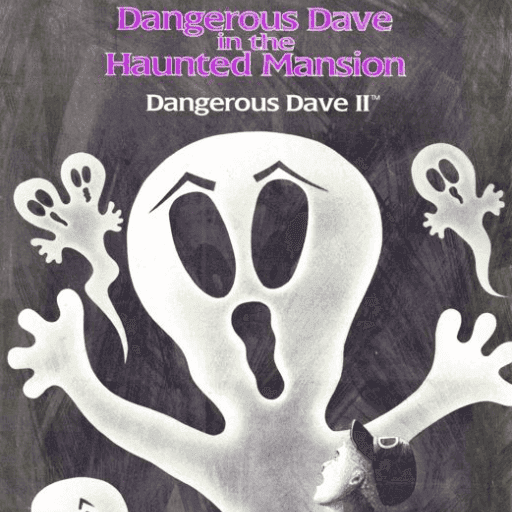
Dangerous Dave in the Haunted Mansion
AdLib and the Birth of Rich Audio
The introduction of the AdLib sound card marked a significant leap forward. Offering FM synthesis, AdLib allowed for richer, more complex sounds, moving beyond the monotony of beeps. This advancement brought a new depth to game soundtracks, making them integral to storytelling and player immersion. Games utilizing AdLib could craft a more emotive and engaging auditory experience, setting the stage for future innovations in game audio.
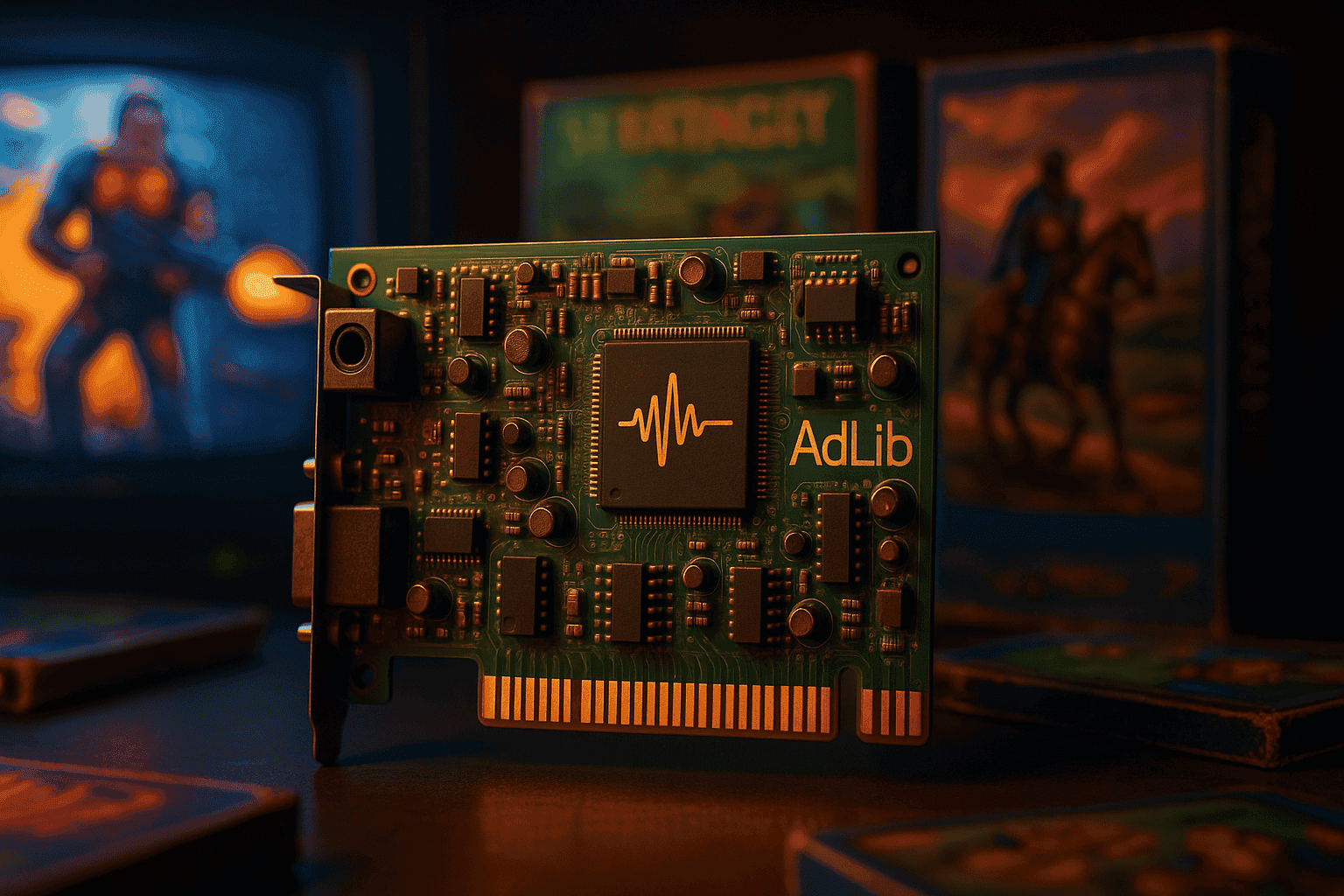
The Sound Blaster Revolution
If AdLib opened the door, the Sound Blaster series blew it off its hinges. With capabilities for digitized audio and effects, Sound Blaster cards became a standard for quality gaming sound. This era saw an explosion of games with detailed soundscapes, enhancing gameplay through auditory cues and immersive environments. Notably, Corridor 7: Alien Invasion used these capabilities to intensify its alien-infested corridors, creating an atmosphere as intense as the action itself.

Corridor 7: Alien Invasion
Orchestral Soundtracks: The CD Era
As DOS games progressed into the 1990s, the introduction of CD-ROMs allowed developers to include full orchestral soundtracks. This transition added a cinematic quality to games, where music could seamlessly match on-screen action. Such soundtracks transformed gaming experiences, elevating them to art forms with emotional and musical depth previously reserved for film.
Key Games That Defined Audio Technology
Several games became iconic not only for their gameplay but also for how they leveraged sound technology. For instance, Blake Stone: Aliens of Gold utilized advanced audio to enrich its futuristic settings. These games are remembered not just for what players saw and did, but for what they heard, establishing benchmarks for the industry.
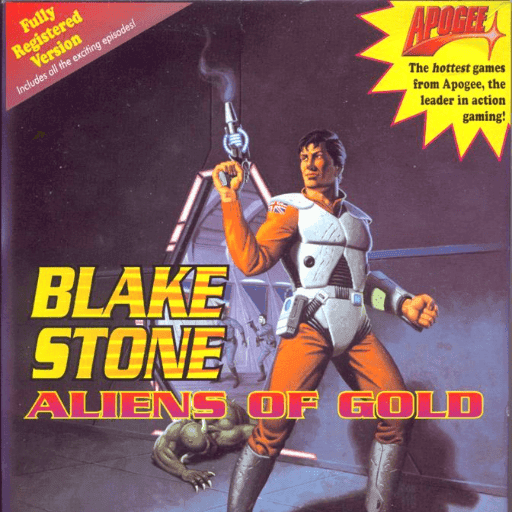
Blake Stone: Aliens of Gold
Comparing the Sound Quality Across Eras
The progression from simple PC speaker beeps to complex orchestral scores represents a remarkable technological journey. Each era brought its own unique sound quality, reflecting the technological capabilities and creative ambitions of developers. Early simplistic sounds laid the foundation, evolving into the multifaceted audio experiences that set the stage for modern gaming.
The evolution of sound in DOS gaming not only enhanced gameplay but also left an indelible mark on the industry. As sound technology advanced, games became more immersive and emotive, paving the way for today’s audio-rich gaming environments. These developments have had a lasting influence, one that echoes in the modern soundscapes of contemporary gaming.
Related articles

Before the Internet: How DOS Games Thrived in Magazines
Explore how gaming magazines shaped the DOS gaming community in the pre-internet era with reviews, cover disks, and word-of-mouth.
Westwood Studios: Crafting a New Era in DOS Gaming
Explore the revolutionary impact of Westwood Studios on DOS gaming, from their groundbreaking titles to lasting industry influence.