Infogrames and Alcatraz: A Prison Break with a Combat Twist
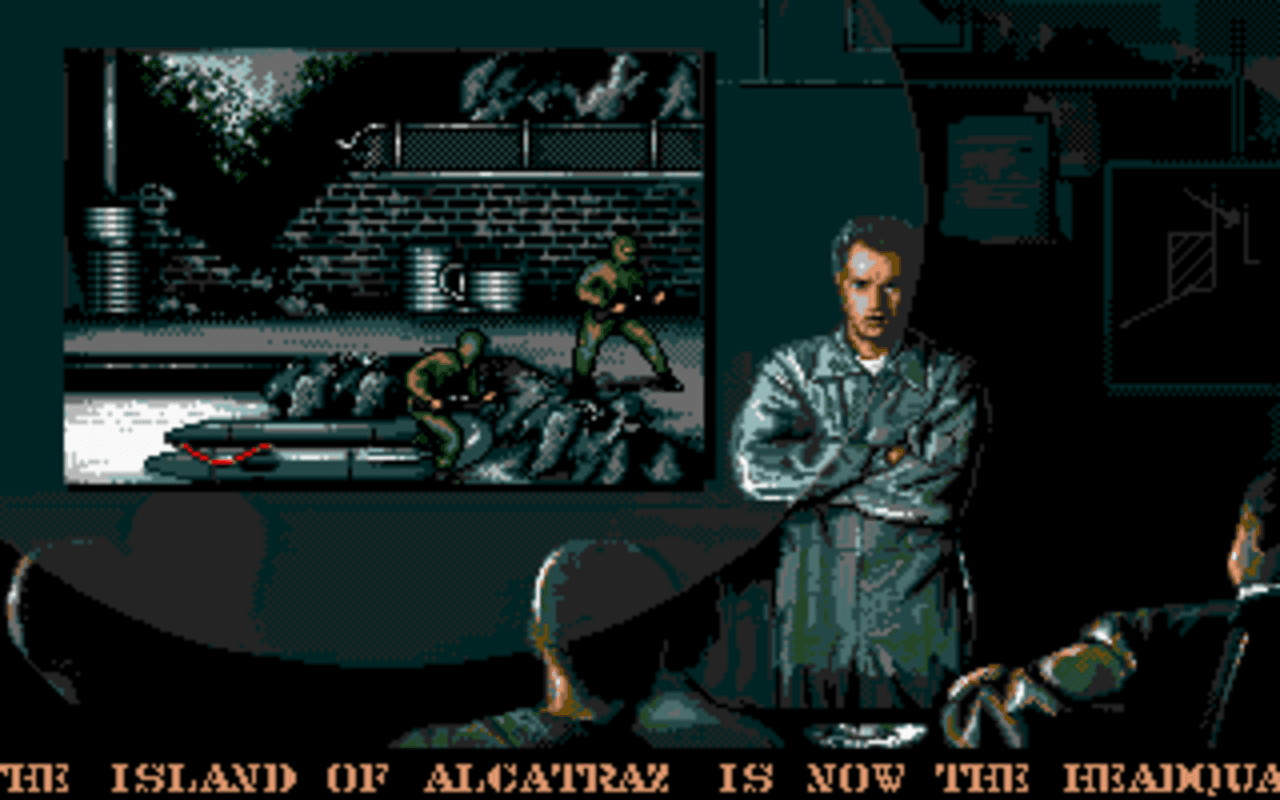
Released in the early 1990s, Alcatraz arrived when DOS action games were experimenting with bigger ambitions than “run right, shoot left.” Infogrames published it as a hard-edged mission game set on the world-famous island prison, leaning into suspense rather than pure arcade chaos. The premise is simple in the best way: a criminal operation has turned the abandoned facility into a fortified stronghold, and you’re sent in as a highly trained operative to shut it down before it spreads.
What makes Alcatraz stand out isn’t just the setting, although the idea of prowling through a sealed-off prison complex is instantly evocative. It’s the game’s insistence on making you feel like you’re on an assignment, not on a joyride. You’re not chasing a high score for bragging rights; you’re pushing through danger because the mission demands it. That subtle shift in mood changes everything: every doorway becomes a decision, every pause a gamble, and every noise a warning that you might be a second away from losing control of the situation.
Alcatraz Gameplay Tension: Two Views, One Relentless Mission
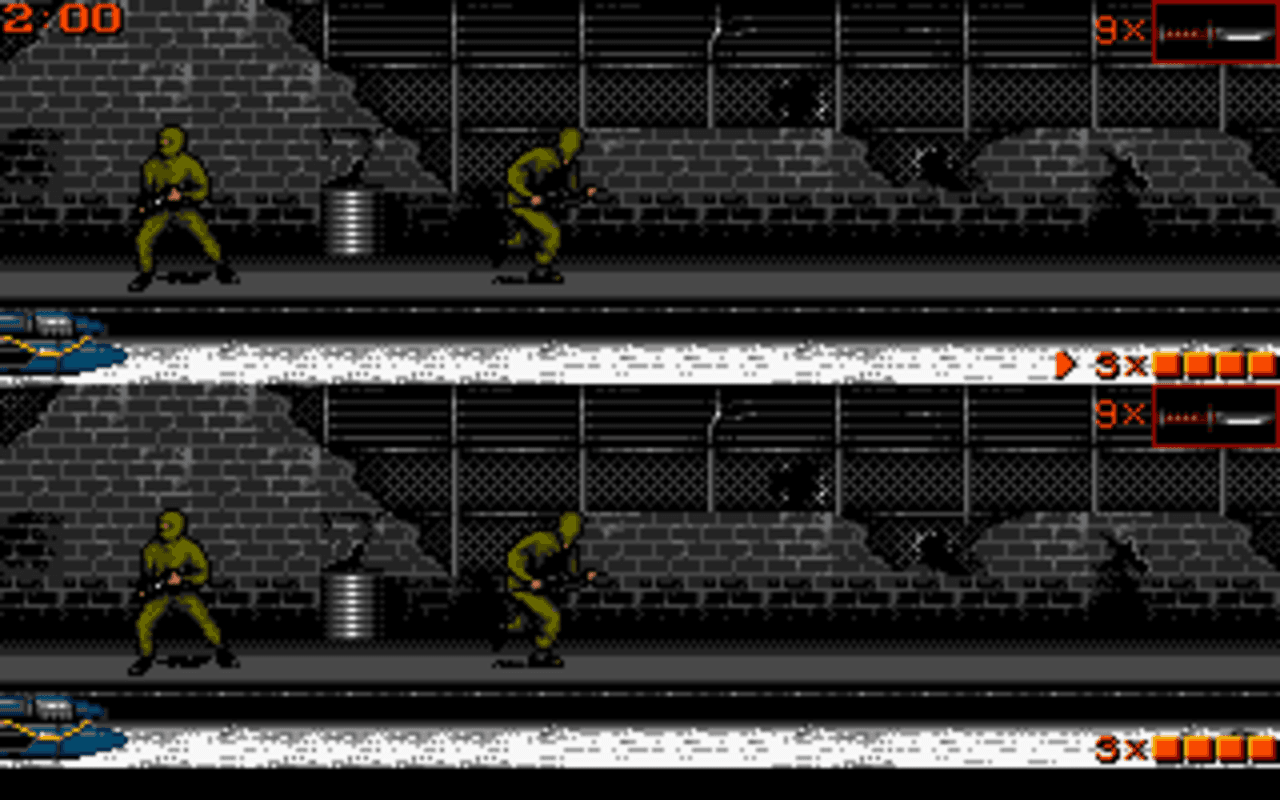
Alcatraz earns its reputation through variety that isn’t decorative—it’s structural. The game mixes side-scrolling action with first-person shooting segments, forcing you to adjust how you read space and risk as the mission unfolds. Outside areas tend to emphasize movement, timing, and awareness, where a single mistake can snowball into a messy fight. Inside, the perspective tightens, and the pressure shifts: you’re scanning hallways, reacting to threats at close range, and trying not to get boxed into a corner you can’t escape.
That back-and-forth creates a rhythm that feels unusually cinematic for the era. One moment you’re advancing along a hostile stretch of ground, managing sightlines and choosing when to engage. The next, you’re plunged into claustrophobic interior spaces where the prison architecture itself becomes an enemy—narrow passages, sudden angles, and the uneasy sense that danger can appear from anywhere. Instead of feeling like two separate games stapled together, the perspectives complement each other: the outdoor portions build anticipation and momentum, while the indoor sections cash in that tension with sharper, more immediate threats.
It also means Alcatraz never lets you coast on a single skill. If you’re great at twitch shooting but sloppy with positioning, the scrolling sections will punish you. If you’re careful and methodical but slow to respond, the first-person moments will test your composure. The result is a DOS game that stays lively without relying on gimmicks, because the challenge comes from shifting demands, not random unfairness.
Stealth and Pressure in Alcatraz: When Caution Beats Firepower
Despite the gunplay, Alcatraz is at its best when you treat it like a stealth-leaning mission rather than a straight brawl. You’re often better off moving with purpose, minimizing exposure, and choosing fights that don’t leave you trapped. The setting helps: Alcatraz isn’t a wide-open battlefield, it’s a controlled environment built to confine people. Even outdoors, the island’s layout can funnel you into confrontations you didn’t want. Indoors, that sense of confinement becomes the main emotional engine—one wrong push, and you’re suddenly fighting in a space that offers no graceful exit.
Playing well is about reading the “temperature” of each moment. Sometimes aggression works: a quick, decisive strike can prevent enemies from surrounding you. Other times, aggression is exactly what your opponents want, because it pulls you into a predictable pattern. The more you survive, the more you start to appreciate the game’s quiet psychological trick: it tempts you into rushing, then rewards you for resisting that temptation.
This is also why Alcatraz feels like a spiritual cousin to Hostages, another Infogrames title that blends tactical thinking with action energy. You’re not just navigating enemies; you’re navigating tension—how long you can stay calm, how well you can keep your plan intact, and how quickly you can improvise when the plan collapses.
Play Alcatraz online and Relive Classic DOS Action
Play Alcatraz online to experience its shifting perspectives and prison-island suspense in a way that still feels immediate. You can play it free, directly in a browser, and it also adapts well to mobile devices, letting you jump into the mission without restrictions whenever you feel like tackling a focused retro challenge. The game’s structure—short bursts of intense action balanced by cautious movement—makes it a natural fit for quick sessions or longer attempts where you try to master each area with cleaner decisions and fewer panicked mistakes.
Approaching it online doesn’t change what makes it memorable: the sense of infiltration, the constant need to stay alert, and the satisfying feeling that you’re improving because you’re learning the environment, not because the game is going easy on you. Even if you already know the era, Alcatraz can still surprise you with how modern its “mission pressure” feels.
Alcatraz Atmosphere: Sound, Pace, and the Island’s Mood
A big part of Alcatraz’s identity is its atmosphere. The island prison setting is naturally loaded—history, isolation, harsh geometry—and the game uses that to frame every encounter as something a bit more serious than typical arcade action. The pacing reinforces the mood: it’s not constant fireworks, but it’s rarely comfortable. The quieter seconds don’t feel like downtime; they feel like the pause before you’re spotted.
Visually, the game leans into clarity over clutter. You always sense where threats might come from, yet you’re rarely certain you’ve accounted for everything. That balance keeps you cautious without making you feel helpless. It’s a style of tension that doesn’t rely on jump scares; it relies on the suspicion that you’re never truly safe.
By the time you’ve spent a while inside its routines, you’ll notice a satisfying transformation: the prison stops being just a backdrop and starts feeling like a space you’re learning—where to hesitate, where to push, where to expect trouble, and where the game tries to bait you into mistakes.
Alcatraz is a classic DOS game that blends stealth-minded pressure with brisk action, made distinctive by its dual perspectives and its memorable prison-island mood. Published by Infogrames and built around a mission-driven structure, it rewards players who balance speed with restraint and who treat every room like a problem to solve rather than a target range. To control the game, you typically move with directional keys and use action/fire inputs to engage enemies and interact under pressure; the real mastery comes from pacing your movement, aiming with intent, and staying calm when the perspective shifts.
All used codes are publicly available, and the game belongs to its original authors.