Baal’s Doom-Laden World and Psygnosis Style
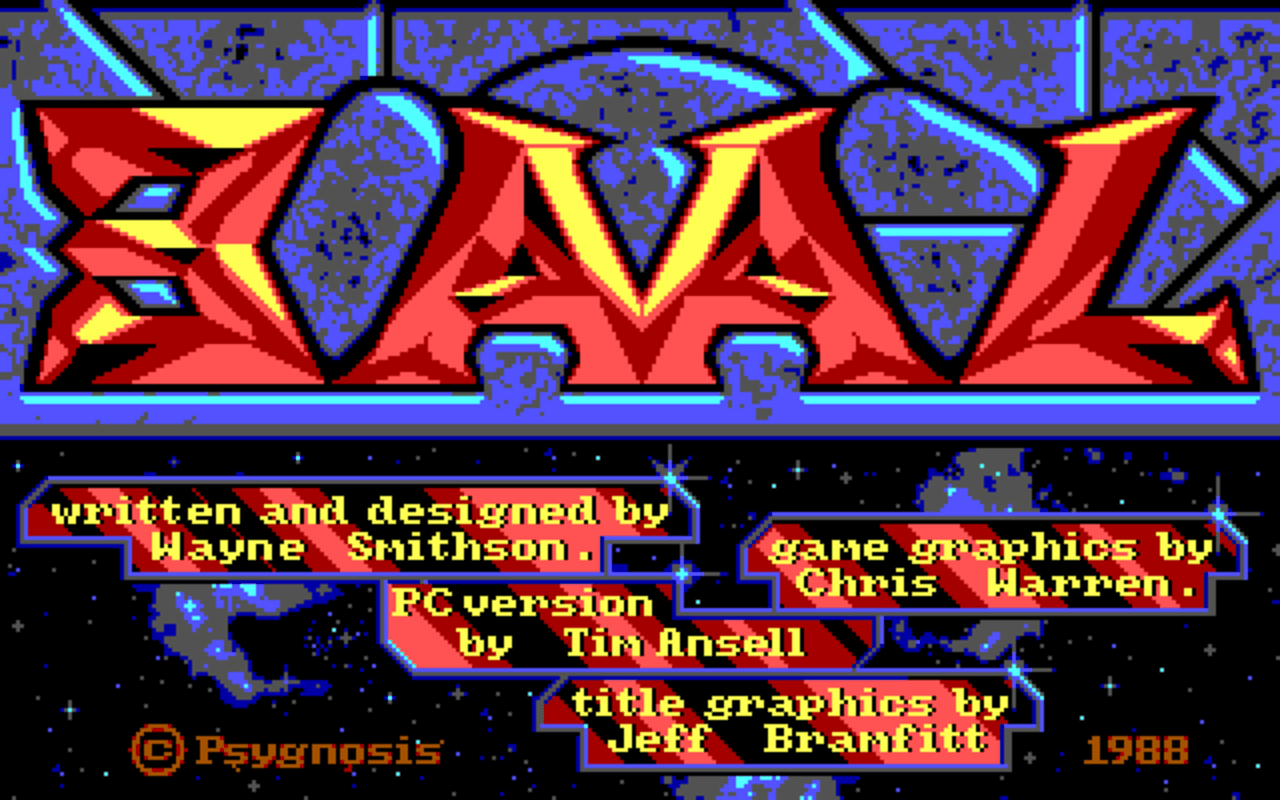
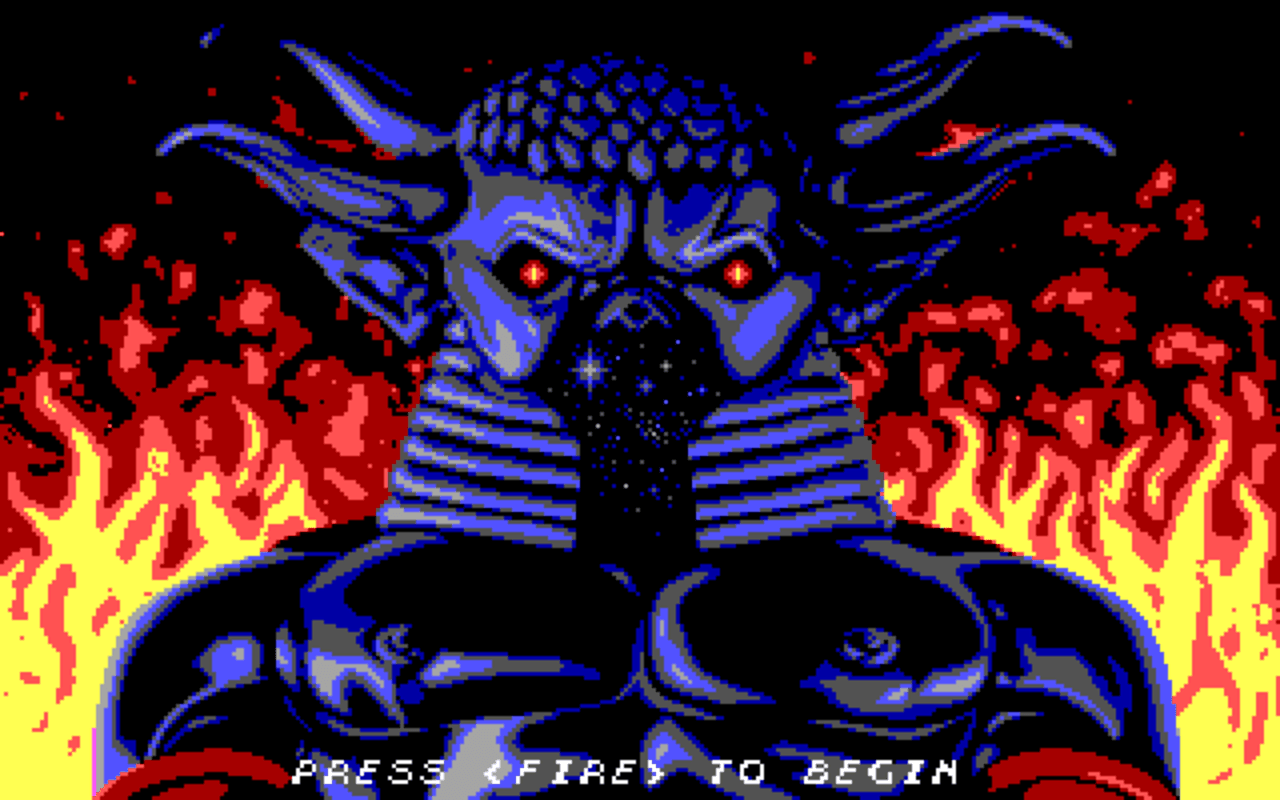
Baal reflects the signature atmosphere that Psygnosis became known for in the home computer and DOS era. From the moment the game starts, it leans heavily into a vision of the future where technology and occult forces collide. You play as a heavily armed operative tasked with infiltrating underground complexes and retrieving the scattered components of an alien super-weapon before the demon Baal gains unstoppable power.
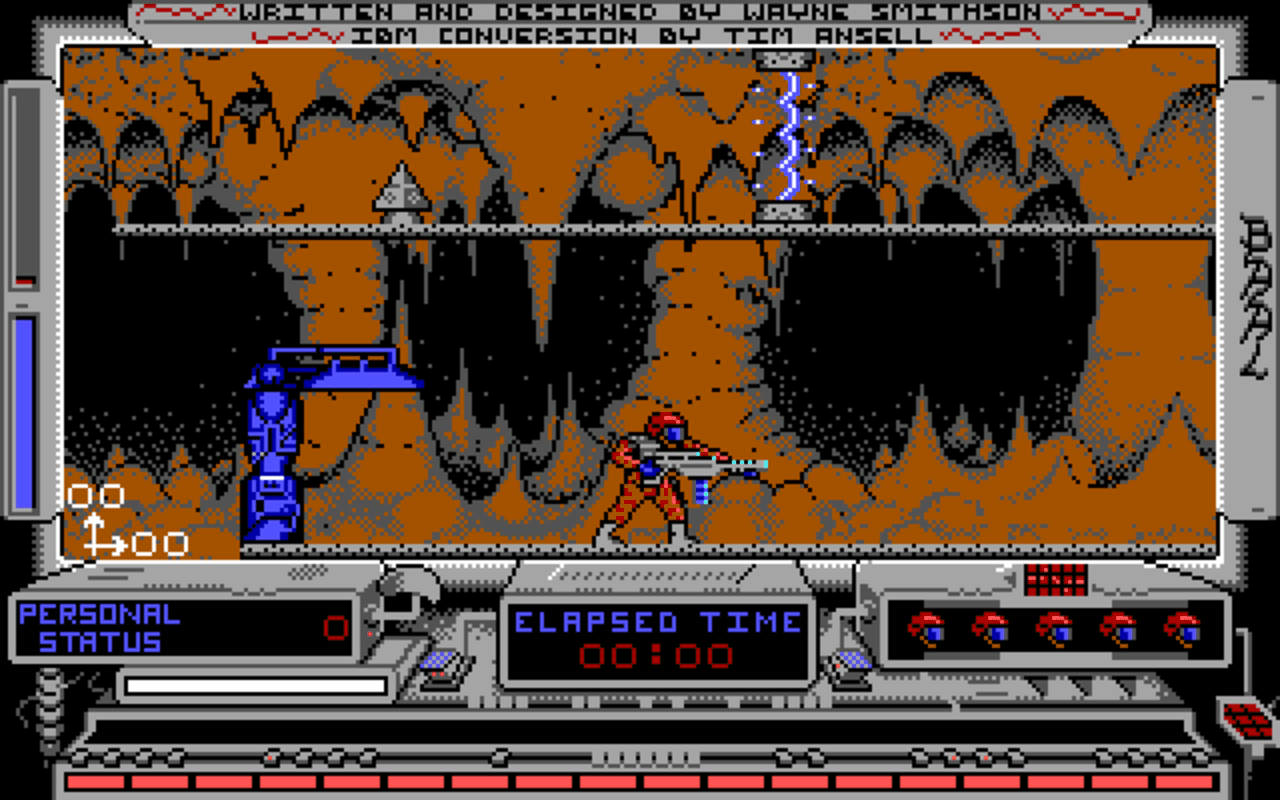
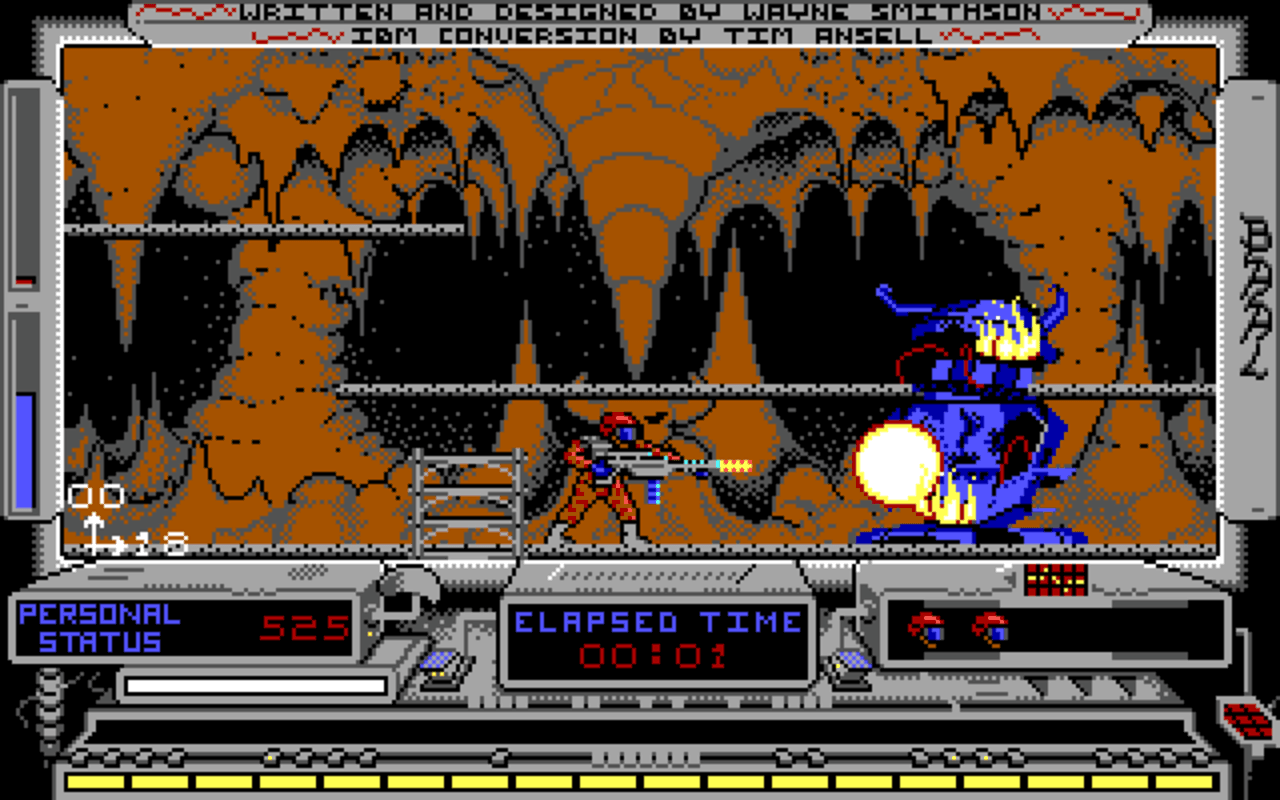
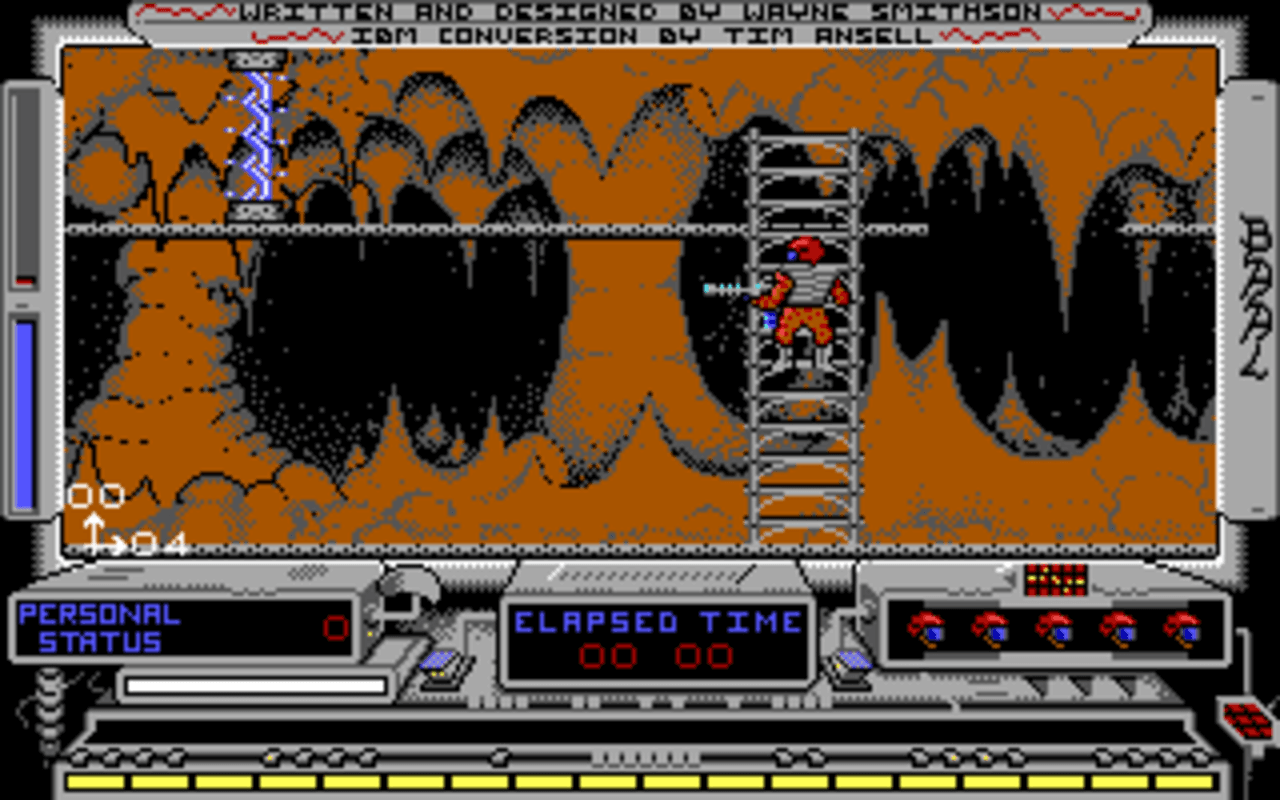
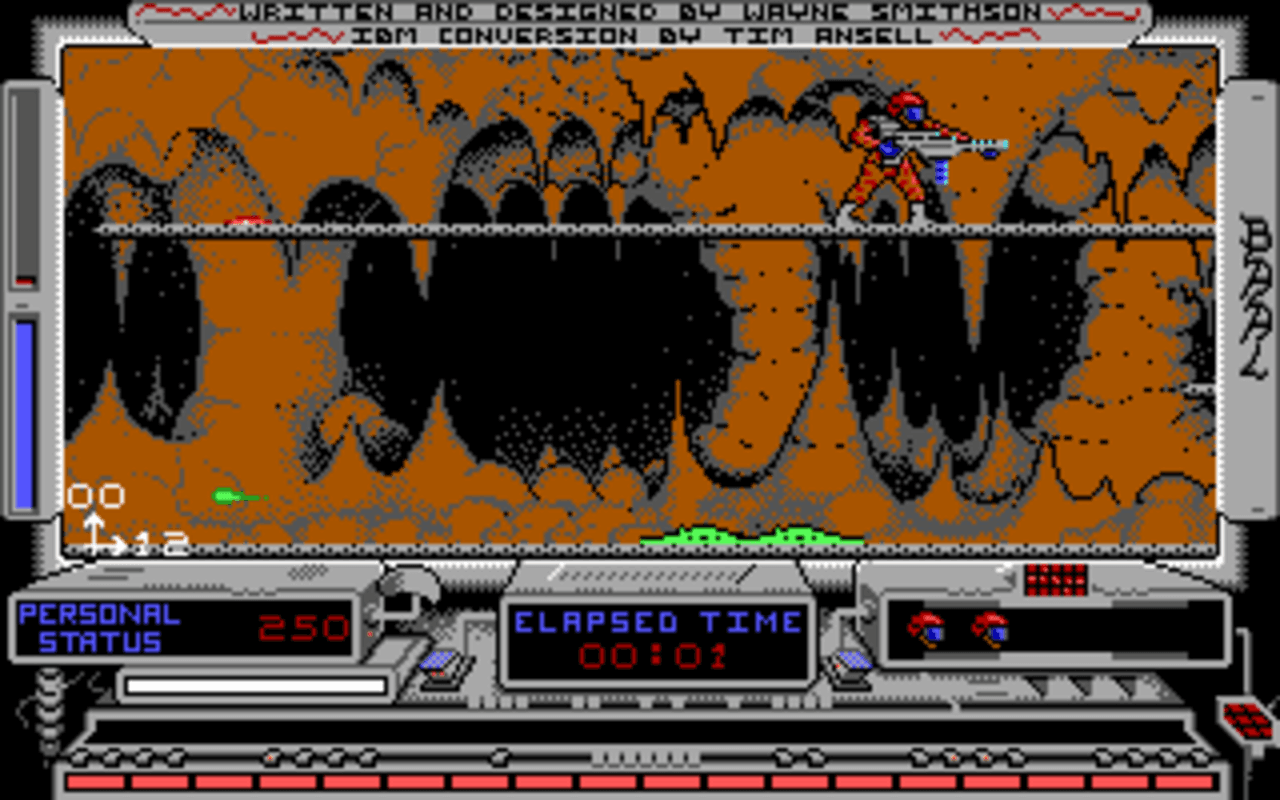
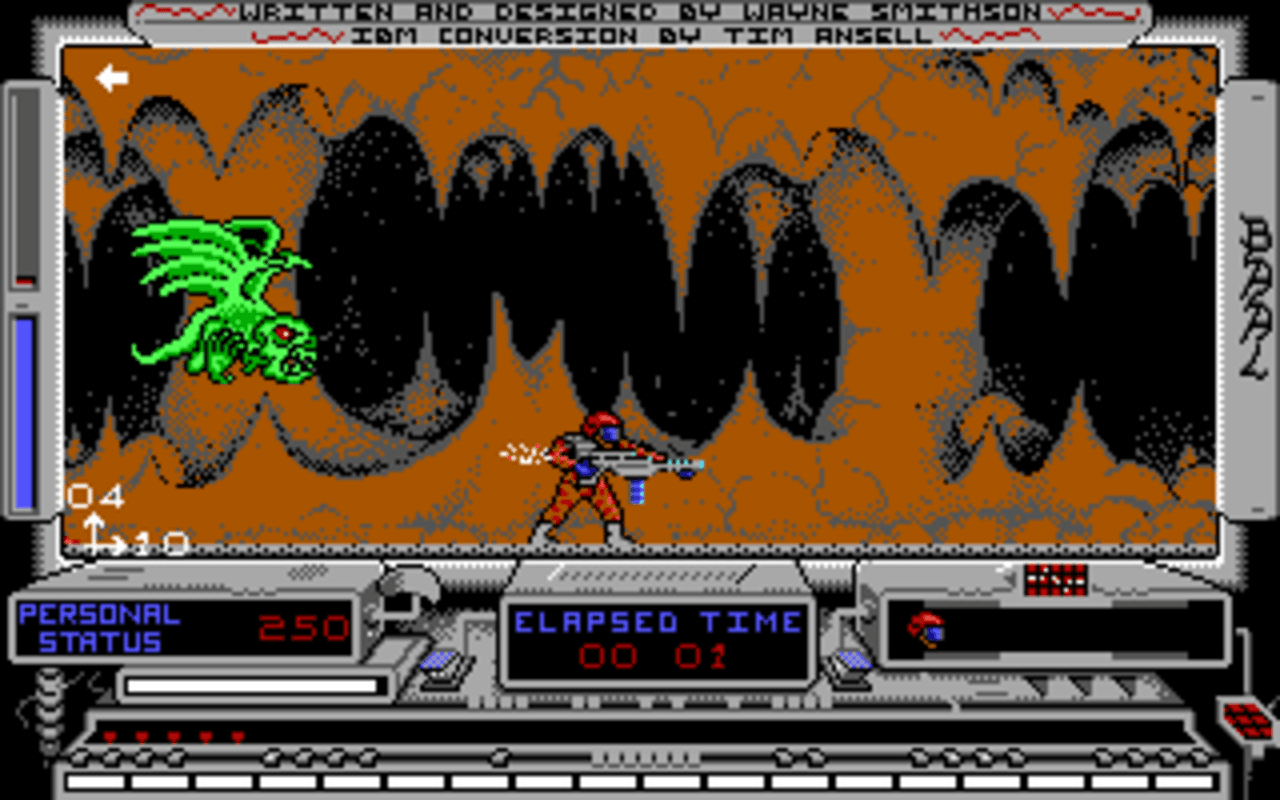
The visual style mixes industrial sci-fi corridors with grotesque organic shapes, giving the impression that the base itself is mutating under some infernal influence. Sharp, high-contrast sprites and detailed backgrounds create a sense of unease, while the animation emphasizes lethality and weight. Enemies do not simply rush towards you; many of them patrol, lurk in awkward positions, or force you to plan jumps and shots in sequence, which adds a deliberate rhythm to exploration.
Sound design further elevates the mood. Mechanical hums, sharp weapon reports, and eerie cues underscore your lonely journey through these hostile installations. Baal does not rely on lengthy dialogue or cutscenes to tell its story; instead, it communicates mood through level layout, enemy design, and the constant pressure of limited time and resources.
Gameplay, Difficulty, and Strategic Action in Baal
At its core, Baal is a run-and-gun platform game, but it is more methodical than many of its contemporaries. Movement is deliberate, with jumps that require careful timing and a firing system that rewards measured shots rather than mindless spraying. You must navigate platforms, elevators, and moving hazards while evading deadly drops and energy fields. Missing a jump or ignoring environmental traps can be as dangerous as any enemy ambush.
A key objective in each area is to locate and recover specific pieces of advanced weapon technology. These components are often hidden behind tricky platforming sections or guarded by particularly nasty opponents, forcing you to balance risk against progress. Instead of simply racing to the end of each stage, you comb through corridors, backtrack, and learn the map, making Baal feel closer to a hybrid of arcade shooter and exploratory action game.
The difficulty curve is unapologetically steep. Enemies hit hard, and mistakes are punished quickly. Learning to read attack patterns, memorizing level layouts, and prioritizing threats are essential strategies. While some action games lean on pure reflexes, Baal adds a layer of planning. Deciding when to advance, when to hold your ground, and when to retreat to a safer platform can determine whether you survive a section or lose hard-earned progress.
Weapons and pickups encourage aggressive play but have to be used wisely. Power-ups enhance your firepower or survivability, yet are often placed in perilous positions. Choosing whether to risk a dangerous leap for a boost or take a safer route with weaker gear gives each stage a sense of tactical choice. This balance between immediate danger and long-term advantage is one of the reasons the game still feels engaging for fans of classic DOS action.
Play Baal online – arcade horror at home
For many players, the most accessible way to enjoy this classic today is to play Baal online. The game’s compact control scheme and relatively simple hardware demands make it ideal for browser-based play, letting you jump into the action without complex setup. The experience translates well to modern screens, preserving the gritty sprites and eerie visual design that defined its original release.
Because the controls rely on just a few keys and directional inputs, Baal adapts naturally to modern devices. You can enjoy it free, directly in a browser, and it is well-suited to mobile devices without restrictions, as long as you have a responsive input method. The focused, stage-driven structure also makes it easy to play short sessions: clear a segment, pause, and return later to tackle the next area when you are ready to face more demons and traps.
This kind of online play keeps the spirit of the original intact while making the game approachable for new audiences. You still have to learn enemy patterns, master jumps, and track down crucial tech components. What changes is the convenience: instead of hunting down old hardware, you can experience the same tense, atmospheric gameplay wherever you happen to be, bringing Baal’s grim sci-fi horror into the modern era without altering its core design.
Level Design, Atmosphere, and Lasting Appeal
Baal’s levels are constructed as intricate networks of platforms and passages that gradually reveal their structure as you explore. There is a pleasing sense of discovery in realizing how different routes connect, finding shortcuts, and recognizing where valuable items are hidden. The game rarely spells things out; instead, it nudges you to experiment, to take mental notes of suspicious alcoves or unreachable ledges, and to return once you have the skill or courage to reach them.
This design philosophy gives Baal a replayable quality. Runs become smoother as you memorize the flow of each stage. Spots that once seemed impossible become manageable as you refine your timing and learn when enemies spawn or how they behave. That feeling of improvement is central to the game’s appeal, and it helps the experience stay fresh even after multiple attempts.
Atmosphere is another major reason Baal continues to be remembered among DOS action fans. The combination of industrial backdrops, creeping demonic imagery, and relentless pacing creates a sustained mood of tension. You are not a superhero mowing down countless foes without fear; you are a lone operative deep in enemy territory, always one misstep away from disaster. The stark visuals and mechanical sound effects reinforce the theme of a world caught between cold machinery and infernal corruption.
Summary and Basic Controls
Baal is a demanding yet rewarding DOS action game that blends platforming, shooting, and exploratory elements into a cohesive whole. Published by Psygnosis, it showcases the studio’s eye for atmospheric art and challenging gameplay. Its unforgiving difficulty, deliberate pacing, and distinctive techno-demonic theme set it apart from more straightforward run-and-gun titles. For players who enjoy mastering harsh but fair games, Baal offers a satisfying climb from tentative first steps to confident demon hunter.
Controlling the game is straightforward: you move your character left and right, jump across gaps and platforms, and fire your weapon with responsive, simple inputs. Additional keys usually handle actions such as crouching, switching weapons, or interacting with elevators and devices, depending on the version you are playing. After a few minutes of practice, the control scheme becomes second nature, allowing you to focus on timing, positioning, and survival instead of wrestling with the interface.
All used codes are publicly available and Baal, including the game logic, artwork, and related assets, remains the property of its original authors and rights holders.