Crime City and the Everyday Noir Feeling
Released for DOS, Crime City arrived during a period when adventure games were experimenting with how “real life” could shape detective fiction, and it wears that idea proudly. It was developed by Interactive Fantastic Fiction and published through Impressions Games (with additional publishing credits across releases), giving it a slightly off-the-beaten-path identity compared to the biggest studio brands of its era. You step into the shoes of Mr. White, a writer of detective stories who wants the genuine article, until a personal crisis yanks him into exactly that role: his father, Henry White, has been arrested for murder, and proving the truth becomes your mission.
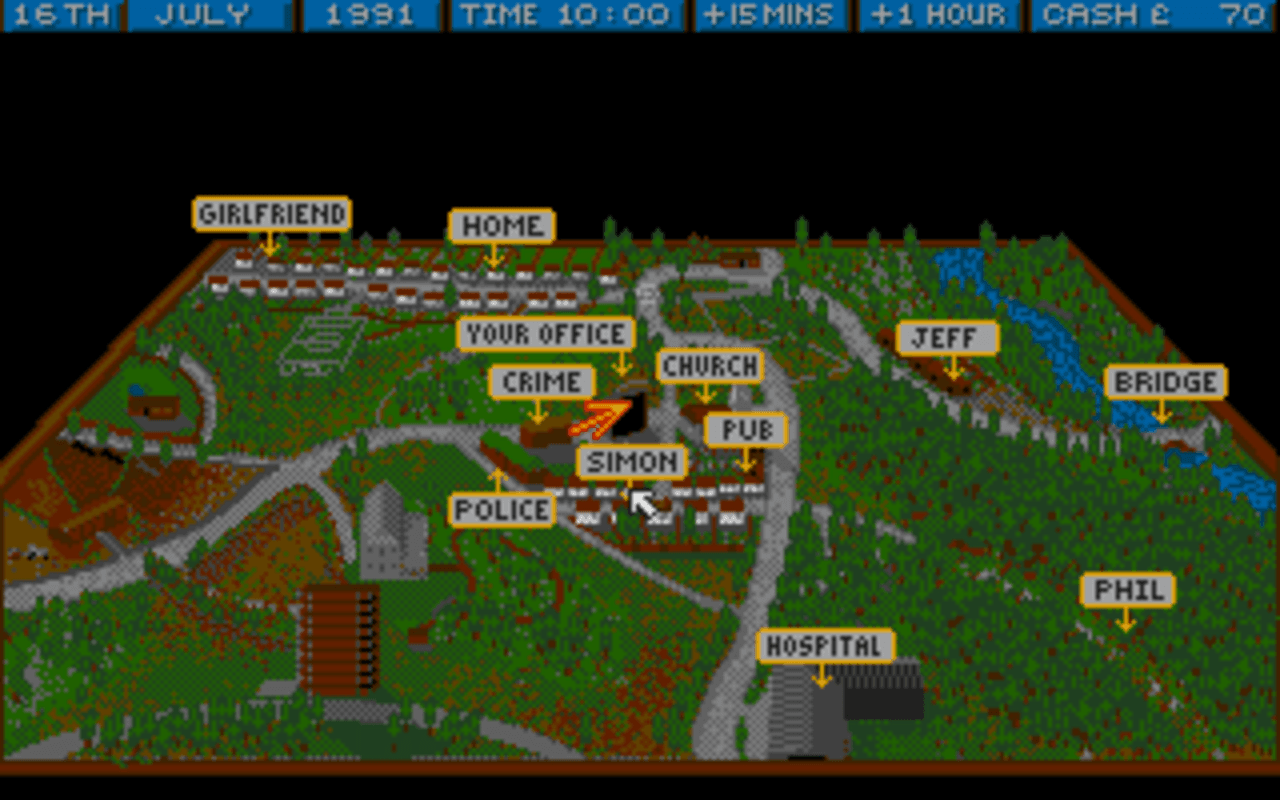
What makes Crime City memorable isn’t just the mystery premise, but the way the game frames investigation as a day-to-day grind rather than a glamorous montage. Conversations, travel, and legwork don’t happen in a vacuum. The city is a place you move through with intent, balancing curiosity against consequences. That blend creates a tone that feels like a modest noir: less about gunfights and more about deadlines, doubt, and the slow satisfaction of one good clue.
Following Leads Across a Living City Map in Crime City
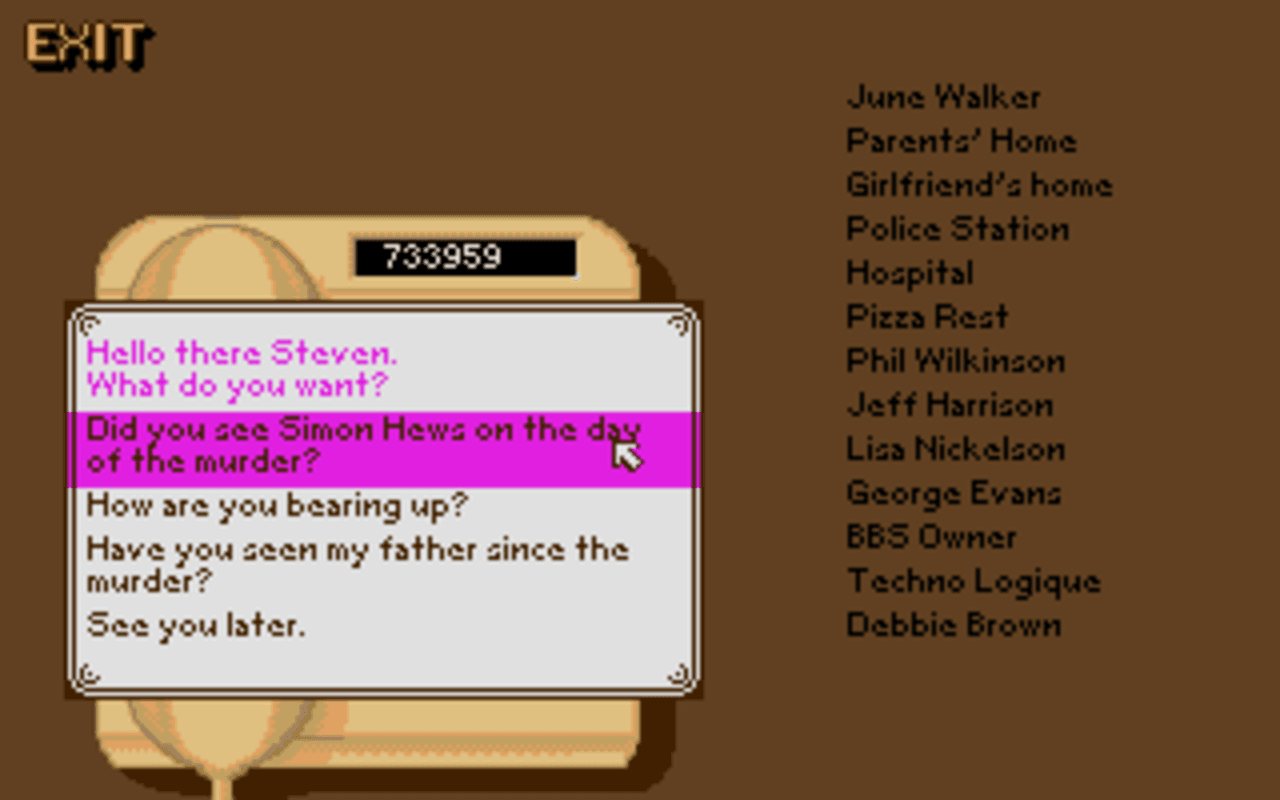
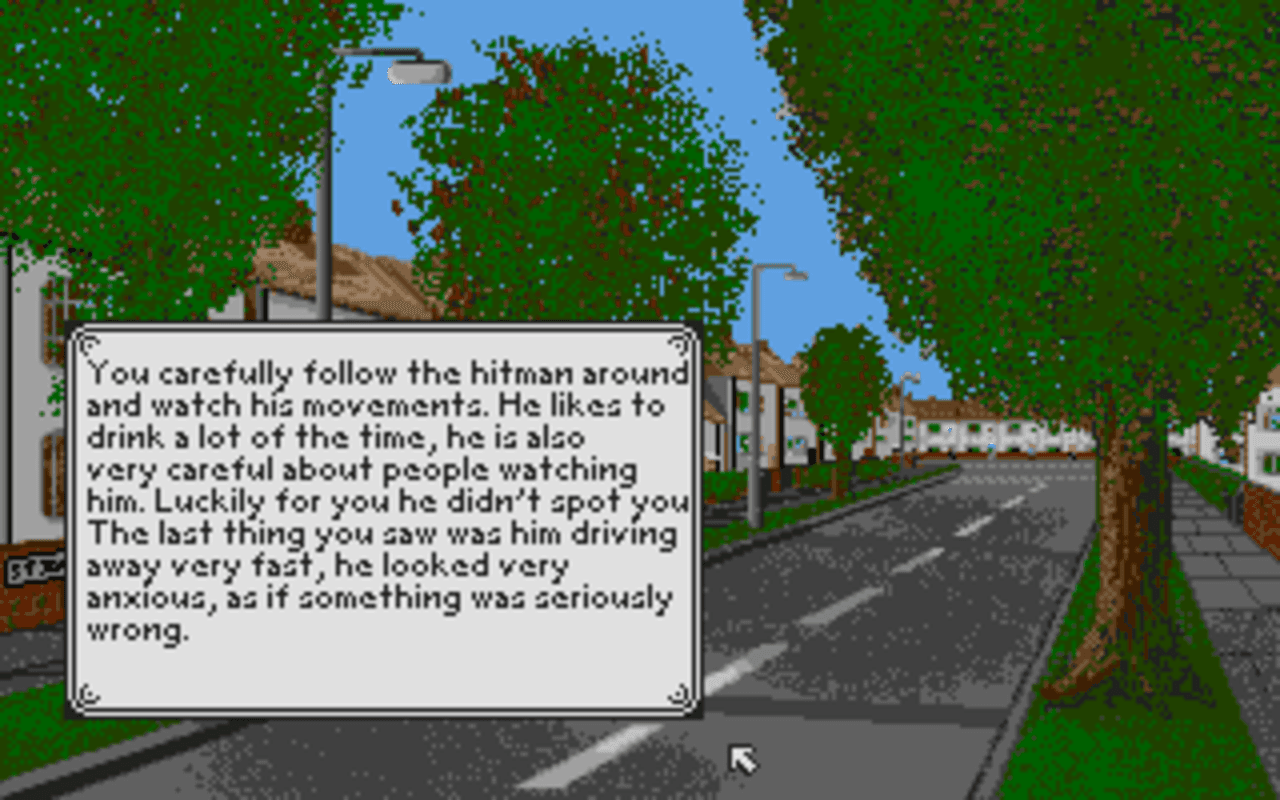
Crime City plays like a traditional point-and-click adventure at heart, but it constantly nudges you to think like someone who has to live inside the case. You aren’t simply clicking everything until something sticks; you’re deciding where to go, who to bother, and whether you can afford the detour. The city structure reinforces that detective fantasy in a grounded way: locations matter, new places open up as you learn more, and progress feels tied to genuine understanding rather than brute force.
The pacing comes from the people you meet and the small story beats you pull loose through questions, timing, and persistence. Some characters feel like everyday obstacles, others like doors you can only open if you arrive with the right context. Because the narrative is contemporary and mystery-focused, the details you gather have a satisfying “case file” quality, turning ordinary interactions into evidence. It’s a game that rewards note-taking in your head: names, places, and motives start to form patterns, and those patterns become the true currency of progress.
The result is a steady investigative rhythm. You’ll recognize the genre’s familiar pleasures—suspicion, misdirection, sudden breakthroughs—but here they’re delivered through routine choices. That gives Crime City a particular charm: it doesn’t need spectacle to hold your attention, because the city’s logic and your own planning become the hook.
Play Crime City online and Solve the Case Anywhere
If you want the most immediate way to revisit this classic, you can play Crime City online free in a browser, and it translates surprisingly well to mobile devices when you use touch-friendly controls, letting you play without restrictions wherever you feel like chasing one more lead. That accessibility fits the game’s structure: it’s built from conversations, decisions, and careful movement through locations, so short sessions can still feel productive. A single check-in with a contact, a quick trip to test a theory, or a focused attempt at a puzzle can move the investigation forward.
Playing in a browser also matches the game’s practical spirit. Crime City is about managing your approach, not mastering twitch reflexes, so it’s comfortable on a wide range of devices. The core experience remains the same: you’re still Mr. White, still racing the clock, still trying to protect an innocent man by proving what actually happened. Whether you settle in for a longer stretch or dip in briefly, the mystery structure supports both styles, because every action has weight and every detail has potential value.
Time, Money, and the Stock Market Twist That Shapes Crime City
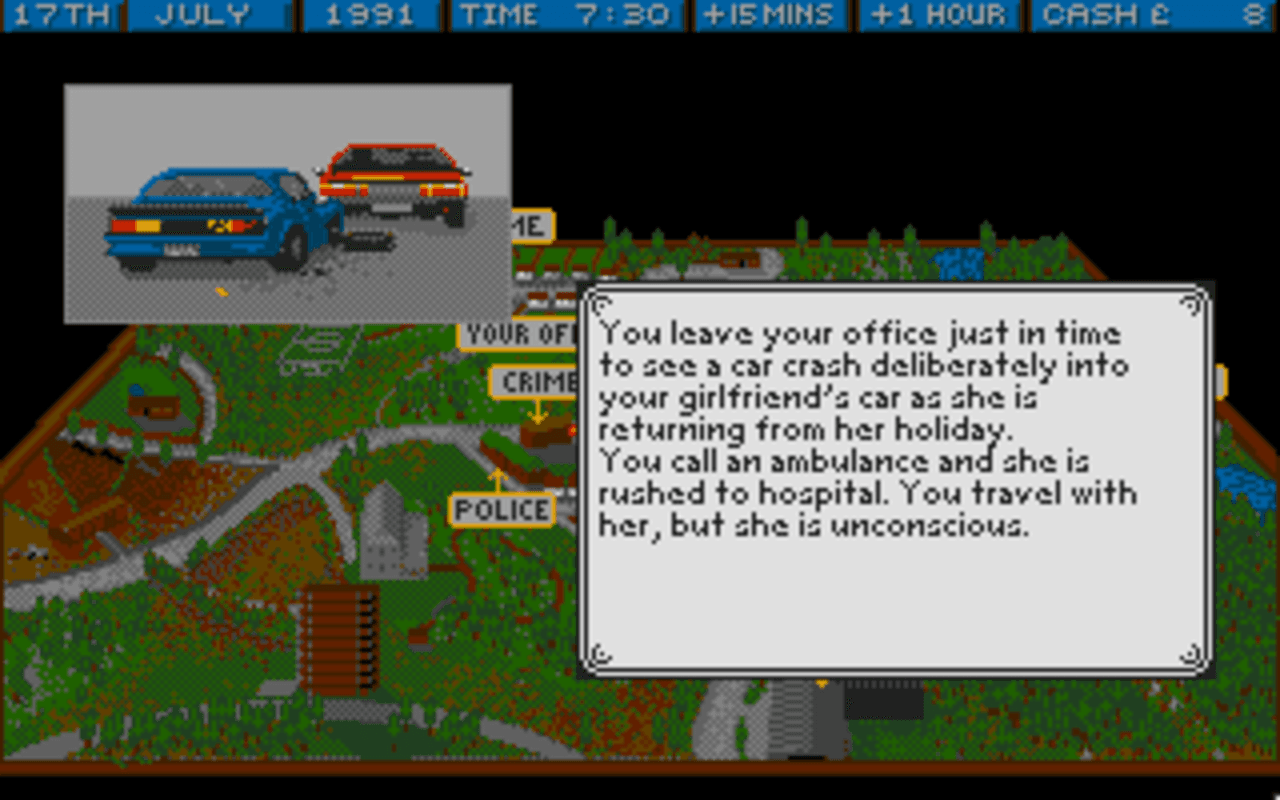
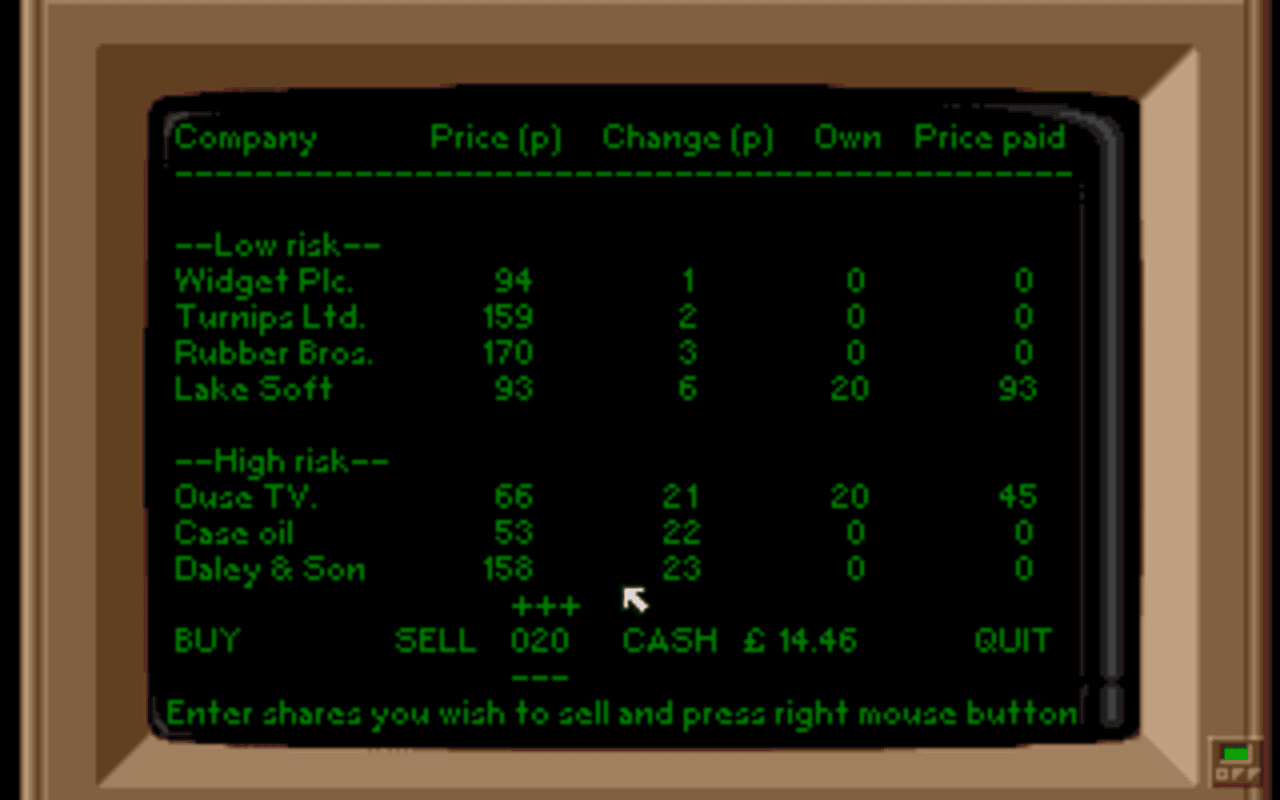
Crime City’s standout idea is simple and surprisingly bold: you need money to do detective work. Travel costs cash, certain actions consume time, and the day’s hours matter in ways that can catch you off guard if you treat the city like a static stage. That pressure changes how you read the world. A trip “just to check” something becomes a calculated decision, and suddenly your case-solving instincts share the spotlight with budget sense.
To make that economy playable, the game introduces a way to earn money through stock trading, turning finances into an active system rather than a background detail. It’s not there to become a separate simulator; it’s there to create tension. You feel the difference between a detective story where you can wander endlessly and a detective story where wandering has consequences. The stock element also reinforces the theme of risk: sometimes you’ll invest in a hunch, sometimes you’ll invest in a number, and both choices can make you feel clever or painfully wrong.
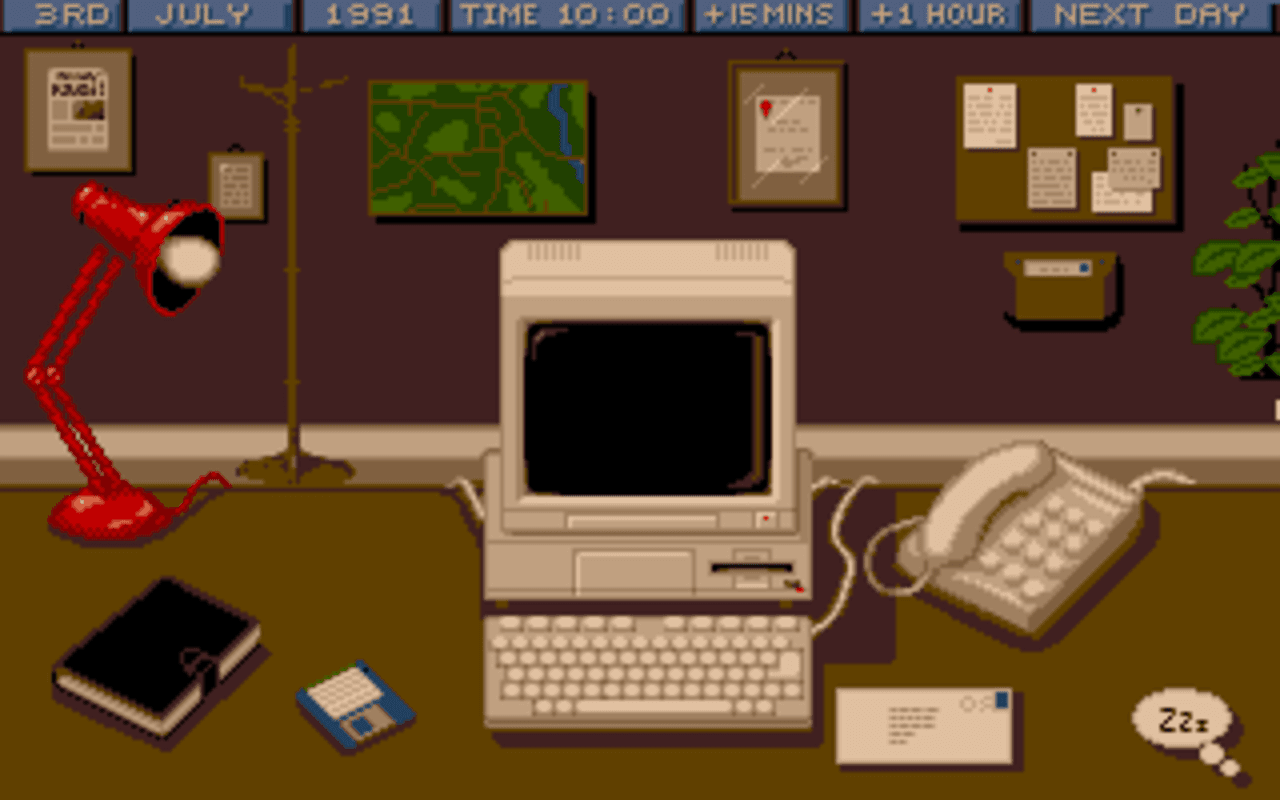
Then there’s the human limit: Mr. White can’t stay awake forever. The game acknowledges fatigue, pushing you to consider when to press on and when to reset your approach. It’s an unusual layer for an adventure game of its era, and it deepens the role-play. You’re not a perfect puzzle-solving machine; you’re a person trying to do a difficult job under pressure.
Puzzles That Feel Like Detective Work, Not Just Locks and Keys
Crime City does use classic adventure logic—finding the right information, presenting it at the right time, unlocking new routes through understanding—but its best moments feel like genuine investigation. Because you’re proving innocence rather than hunting treasure, the puzzles tend to revolve around people and circumstances. When you succeed, it often feels like you earned it by thinking like the character, not simply by exhausting every click.
The game’s first-person perspective and contemporary setting help this effect. Instead of leaning on fantasy artifacts or far-off myths, it invites you to notice everyday signals: who’s evasive, who’s helpful, what changes depending on the hour, and which thread is worth pulling next. That grounded design makes even small revelations satisfying. A new location opening up isn’t just progression; it’s the city responding to your growing understanding.
There’s also a subtle pleasure in how the rules keep you honest. Because time passes and money matters, you can’t treat every conversation as free. You start to plan interviews like appointments, and you learn to value efficiency without losing curiosity. That balance—between thoroughness and focus—is exactly what the theme calls for, and it’s why the game still feels distinct among classic adventure titles.
Why Crime City Still Invites Another Play Session
Crime City endures because it creates a specific fantasy: the detective who has to manage real constraints. It’s not trying to be the biggest, loudest mystery. It’s aiming for a feeling—being stuck in a case that matters to you, walking the city with limited resources, and building truth from fragments. The stock-market-and-clock design makes even familiar adventure ingredients feel fresh, because your choices have a cost you can actually feel.
It also remains a strong “story-forward” game for players who like investigation without combat. If you’re drawn to mysteries where the satisfaction comes from connecting motives, timelines, and conversations, Crime City offers that slow-burn reward. It’s the kind of experience that can make you say, “One more stop,” and then realize you’ve played far longer than you planned—because the case keeps tugging at your attention.
Crime City is a detective adventure built on momentum, constraints, and curiosity: you follow leads, manage your resources, and keep pushing until the story clicks into place. For control, you generally use the mouse to point and click through actions and interactions, with the keyboard available for certain inputs depending on how you run the game.
All used codes are publicly available, and the game belongs to its original authors.