Dark Legions and the Board That Bites Back
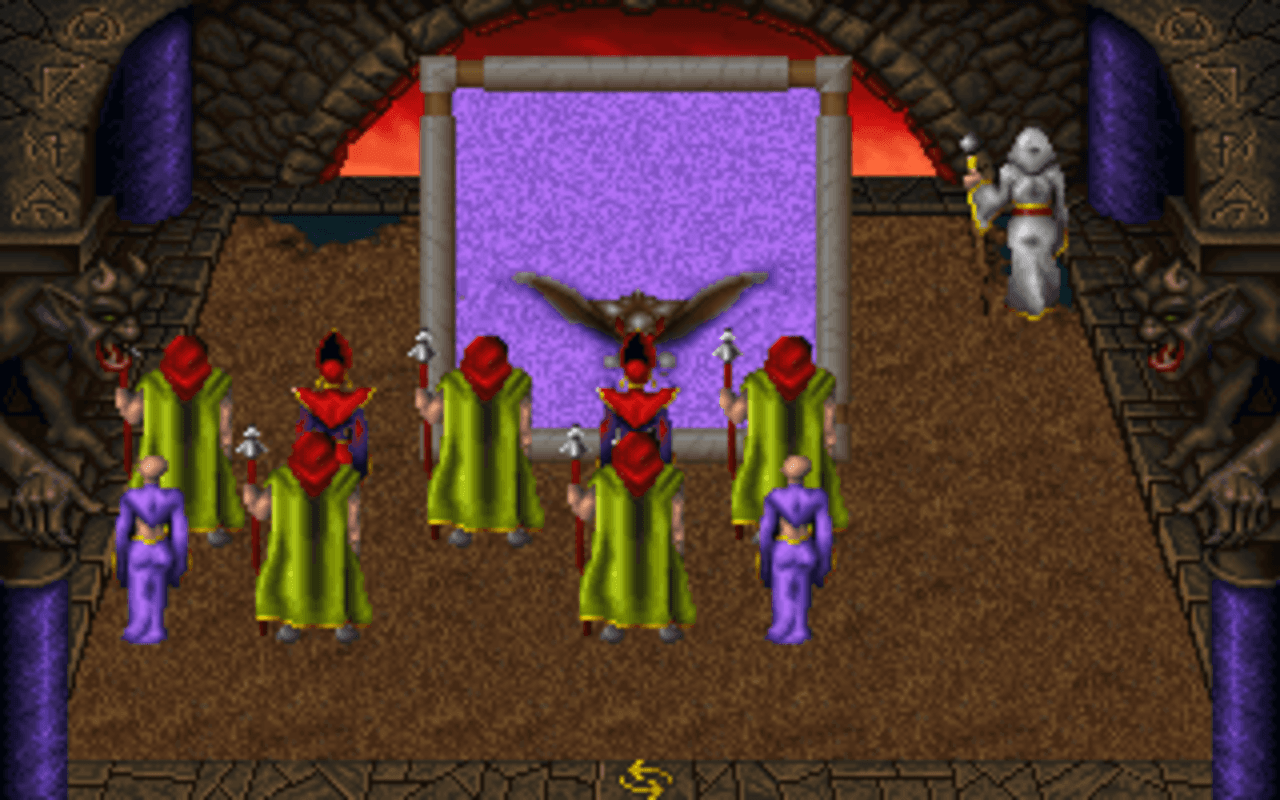
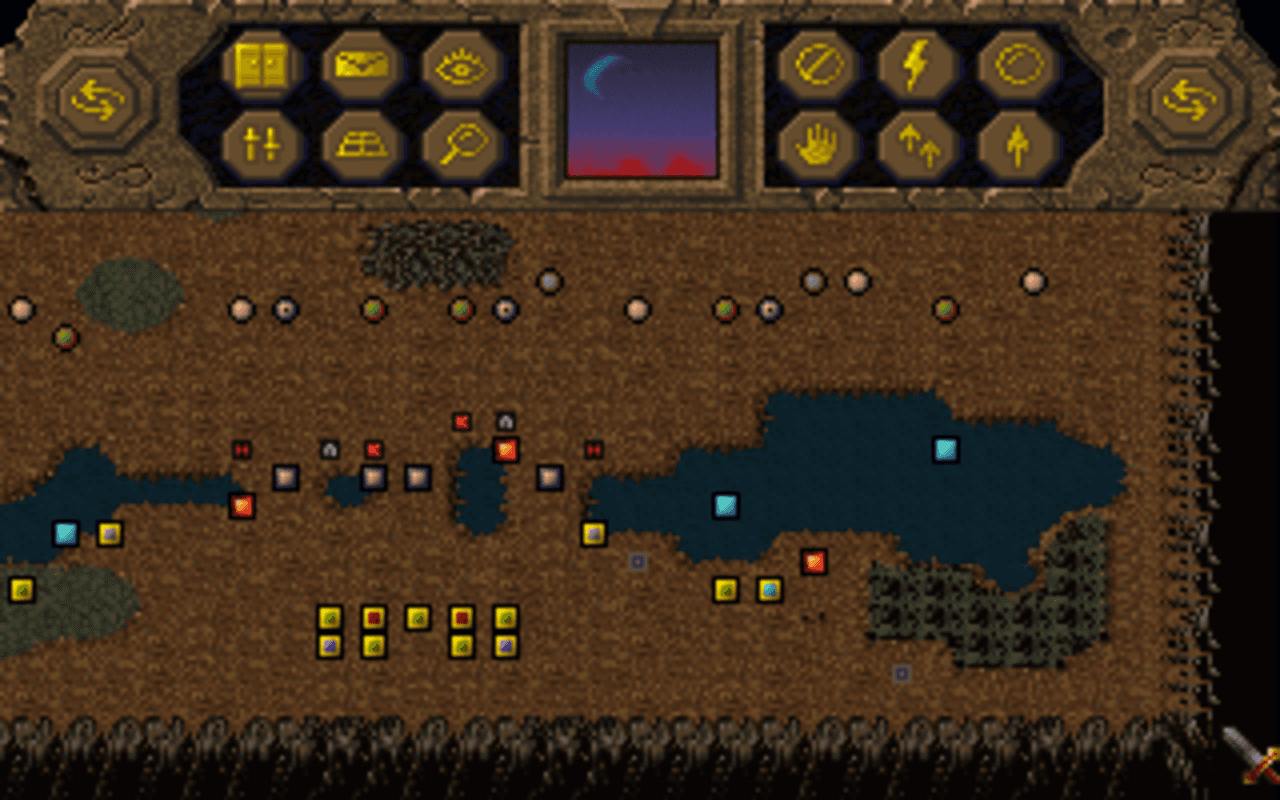
Strategic Simulations published Dark Legions during a classic DOS moment when designers were fearless about blending genres. It’s a dark-fantasy strategy game that refuses to stay in one gear: it begins like a tabletop contest on a gridded map, then snaps into immediate real-time duels whenever opposing forces collide. That two-layer structure gives every decision a pulse. You aren’t only planning where to move next; you’re also choosing which creature you’re willing to personally pilot when the clash begins.
The objective is direct in the best way. Each side protects a vital power orb while hunting the enemy’s orb holder, so victory comes from precision rather than slow attrition. The mood is midnight fantasy through and through—summoners, undead brutes, and arcane specialists marching across stark terrain that feels more like a cursed game board than a natural landscape. Even before you master the roster, Dark Legions makes its stakes clear: move too greedily and you can invite a counterstrike that ends the match with startling speed.
Summoners, Orbs, and the Pleasure of Army Building in Dark Legions
Dark Legions starts by letting you define your personality. You buy an army from a roster of distinct unit types, and that roster is where the game’s character truly lives. A heavy hitter can dominate a direct fight, but may be too slow to chase a slippery orb runner. A ranged attacker can control space and punish mistakes, yet can crumble if pinned in a tight arena. Magic users add a sharper edge, turning a seemingly safe approach into a disaster if you misread distance, timing, or line-of-attack. Because you draft your own force, each match feels like a small statement of intent: are you building for reliability, surprise, speed, or brute intimidation?
The orb-focused win condition keeps the strategy clean and dramatic. Instead of rewarding the player who simply grinds longer, it rewards the player who creates the right collision at the right moment. Sometimes that means spending a unit like a matchstick—forcing contact just to drag the enemy into an arena where their choice is suddenly terrible. Other times it means refusing the fight entirely, repositioning until terrain and matchup finally favor you. The best games feel like a contest of intentions as much as tactics: what are you trying to make happen, what is your opponent trying to avoid, and who blinks first?
It’s easy to see why Dark Legions is often compared to Archon. Both turn strategic movement into personal duels, and both make “pieces” feel alive the moment they collide. Dark Legions, however, leans harder into customization and dark spectacle, so it plays less like mirrored chess and more like two hand-crafted warbands testing each other’s weaknesses.
Play Dark Legions online and Keep the Duel Alive
Play Dark Legions online and its hybrid design immediately fits modern play habits. In many preservation and re-release setups, the game can be played free in a browser, and it can run on mobile devices as well, letting you play online without restrictions that interrupt the flow. A match has a natural rhythm: you scheme, you bait, you collide, you fight, and you adjust your plan based on what the last duel revealed. That loop is perfect for quick sessions, but it also supports long rivalries where you learn a friend’s habits the way you learn a favorite opponent in a tabletop game.
Online play also spotlights one of Dark Legions’ smartest truths: numbers do not guarantee safety. A weaker army can still win if it forces the right duels and pilots them well. Because collisions become hands-on battles, execution matters as much as drafting and positioning. You might out-plan an opponent and still lose because you misjudged a choke point, triggered a fight at the wrong angle, or chased a decoy while the real threat slipped toward your orb.
When Strategy Turns Into Action: Arena Fights in Dark Legions
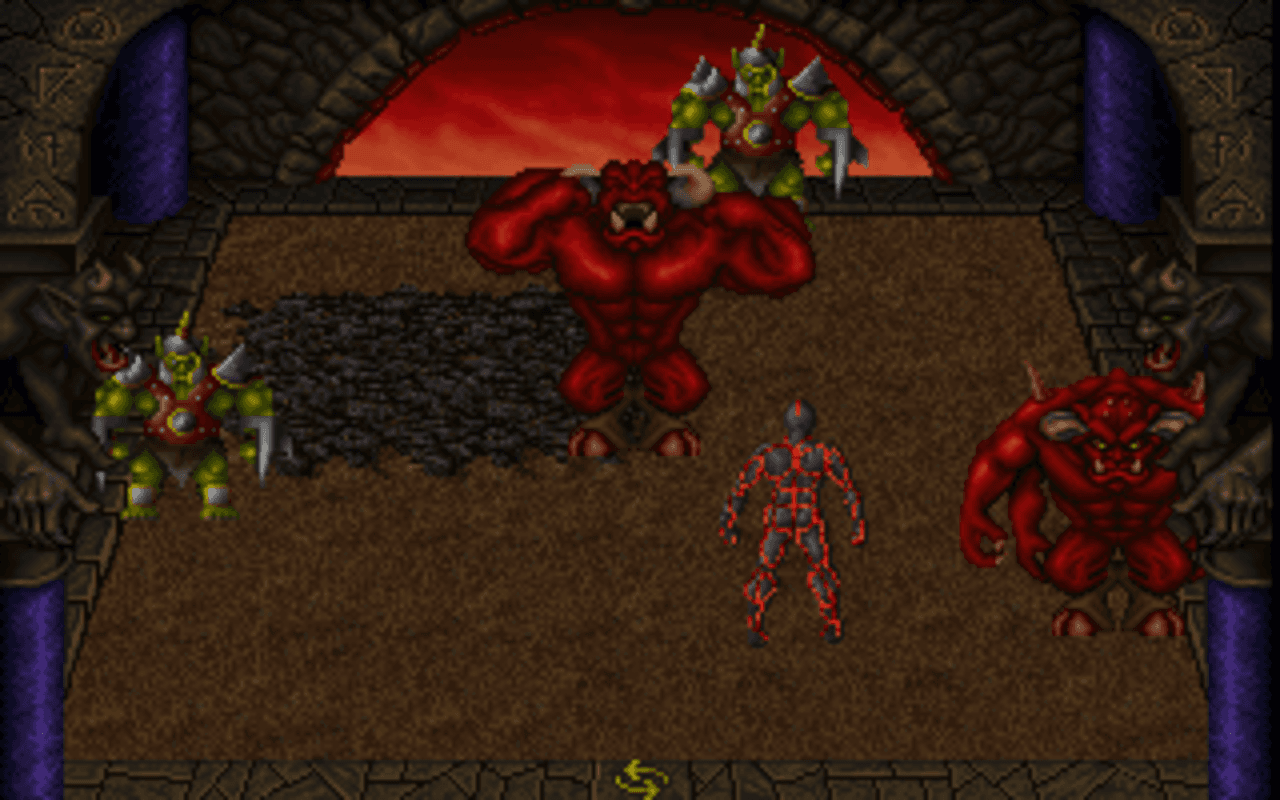
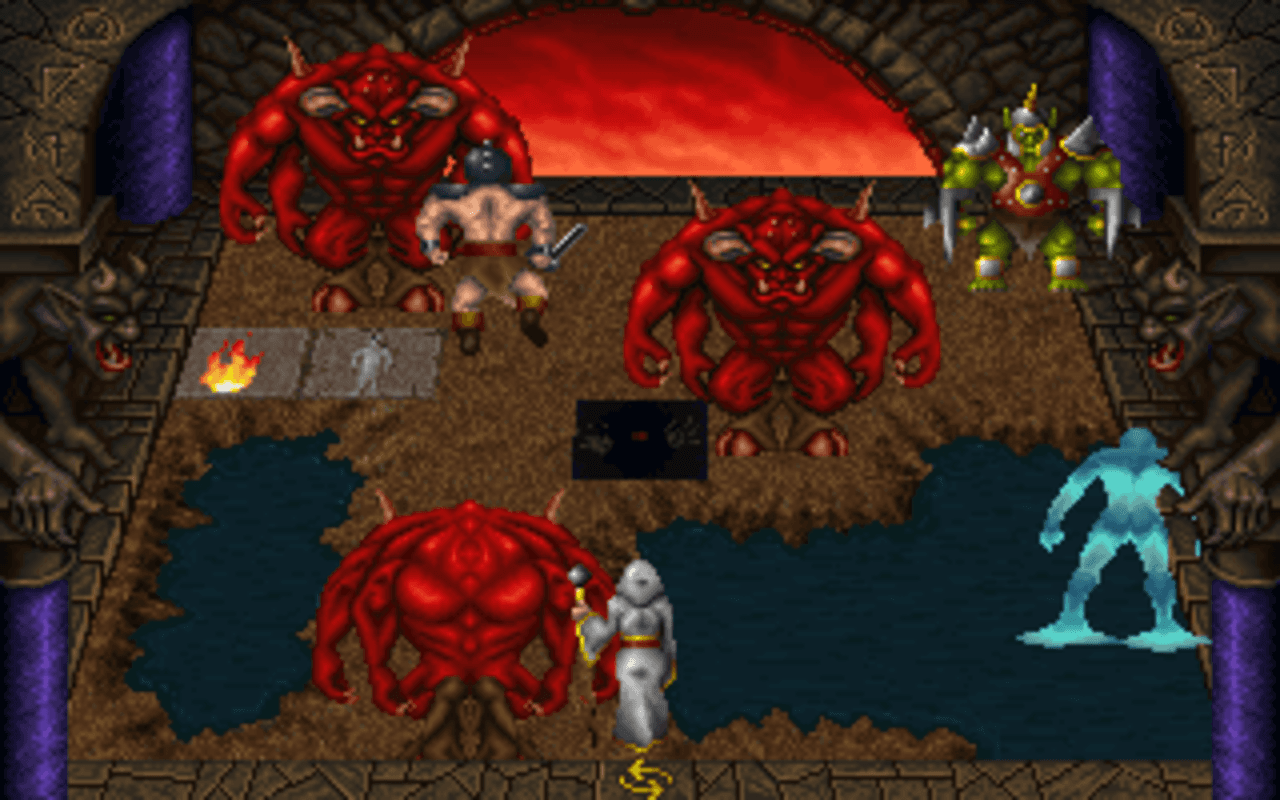
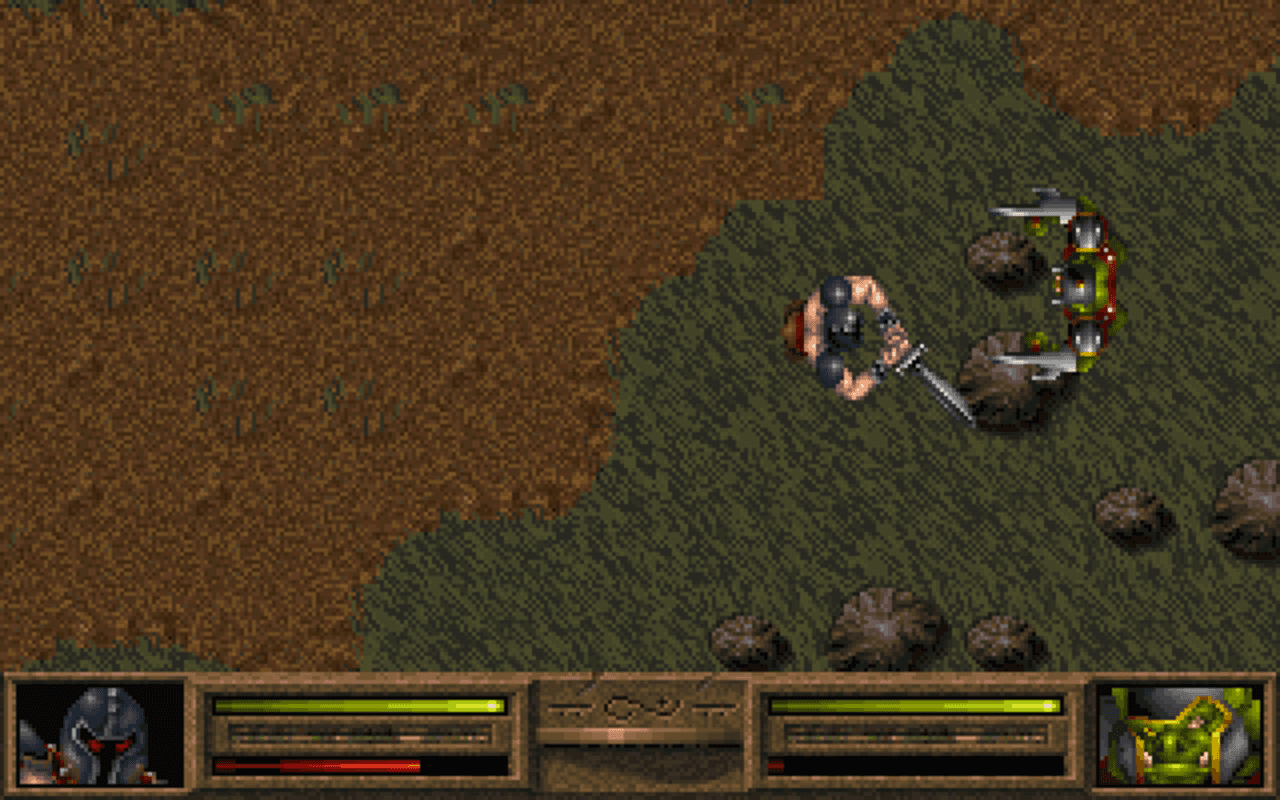
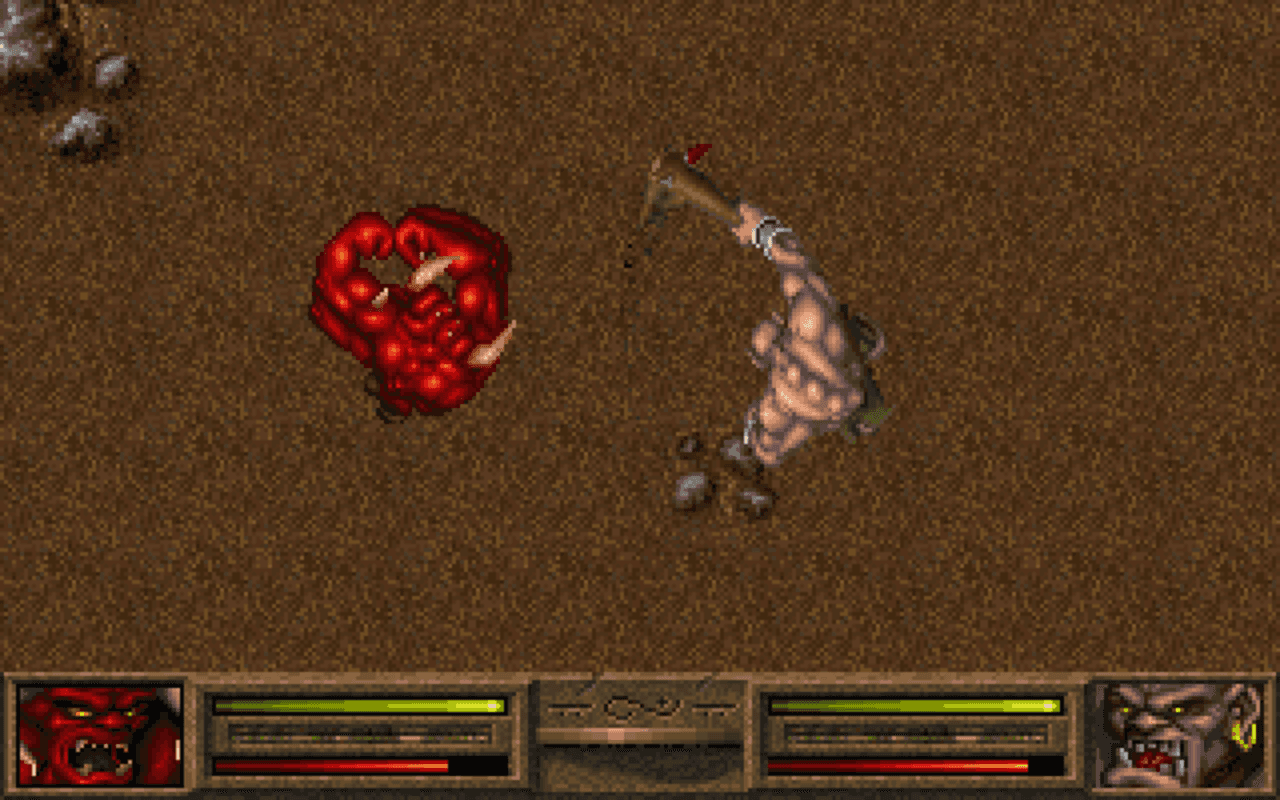
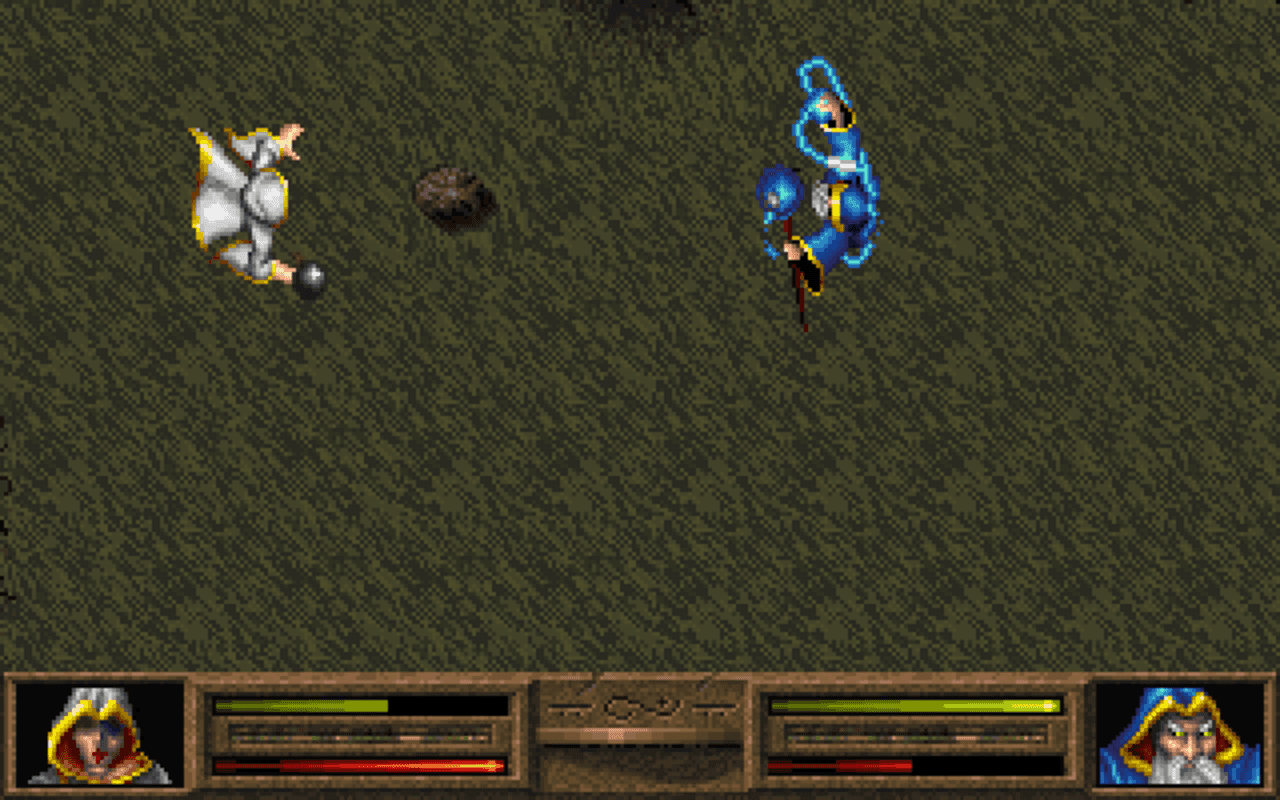
The combat arenas are where Dark Legions earns its reputation as more than a board game with monsters. Terrain becomes a weapon instantly. Tight spaces favor brawlers that can close distance and punish hesitation, while open ground rewards units that can kite, poke, or pressure from afar. The game asks you to think in angles and timing rather than pure statistics. A clean approach can become a catastrophe if you enter the arena on the wrong side of an obstacle or waste a crucial second lining up an ability.
Unit identity matters here more than on the map. Some creatures are honest duelists: they want a direct confrontation and they thrive on commitment. Others feel like puzzles, rewarding players who understand how to create the conditions they need—space to maneuver, a safe window to cast, or terrain that turns the enemy’s strength into a liability. Learning the roster becomes a practical skill. Over time you start recognizing which fights you should force, which you should avoid, and which you should enter only if you can control the opening moments.
Why Dark Legions Still Rewards Players Who Love Classic DOS Games
Dark Legions has a vintage strength that many games lose: it respects the player’s ability to learn and improve. The rules are readable, but the interactions stay interesting because the game keeps presenting meaningful trade-offs. Do you protect your orb carrier with a slow guardian, or gamble on speed and trust yourself to never be cornered? Do you spend resources on reliability, or take a fragile unit that can swing a duel with one perfectly timed action? The tension comes from decisions that feel human—confidence, caution, greed, patience—rather than from opaque systems.
The presentation helps the experience stay timeless. The visuals are clear enough to support quick decisions, and the dark fantasy style is evocative without burying you under lore. It suggests a world of grim champions and occult mechanisms, but it leaves room for imagination, which is one reason older games keep their grip on players. Dark Legions doesn’t demand that you read a novel to care; it makes you care by turning every move into a risk you can feel.
Dark Legions is an SSI-published blend of map-level strategy and real-time dueling, built around an orb-hunting objective that keeps every move purposeful. Control is simple to learn: you select and move units on the strategic map with straightforward commands, then guide a single creature in combat using the keyboard (and, depending on your setup, the mouse) to move, attack, and trigger special actions with careful timing.
All used codes are publicly available and that the game belongs to its original authors.