Die Hard 2: Die Harder Turns an Airport Siege into Arcade Tension
Die Hard 2: Die Harder arrived in the era when movie licenses often chased the feeling of a blockbuster more than the exact shape of its scenes, and that mindset defines the experience. Published by Grandslam Interactive and developed by Tiertex, this DOS action game translates the film’s airport crisis into a brisk, arcade-styled shooting gallery.
Instead of sprawling levels or free-roaming exploration, the design focuses on the simplest kind of suspense: targets appear, danger escalates, and you react fast enough to keep McClane alive. It’s a format that can feel wonderfully direct when you want instant action, and a little relentless when you’re hoping for deeper variety. Either way, it has a distinctive “one more try” pull, because success is never far away, and failure always feels like it happened a heartbeat too soon.
What makes the game memorable isn’t elaborate storytelling, but the steady drip of pressure. You’re repeatedly put into situations where hesitation costs you, and accuracy buys you breathing room. The movie connection adds recognizable stakes, yet the core appeal stands on its own as a reflex test: aim cleanly, shoot quickly, and keep moving through a gauntlet of surprises.
A Rail-Shooter Rhythm: Quick Reads, Cleaner Aim
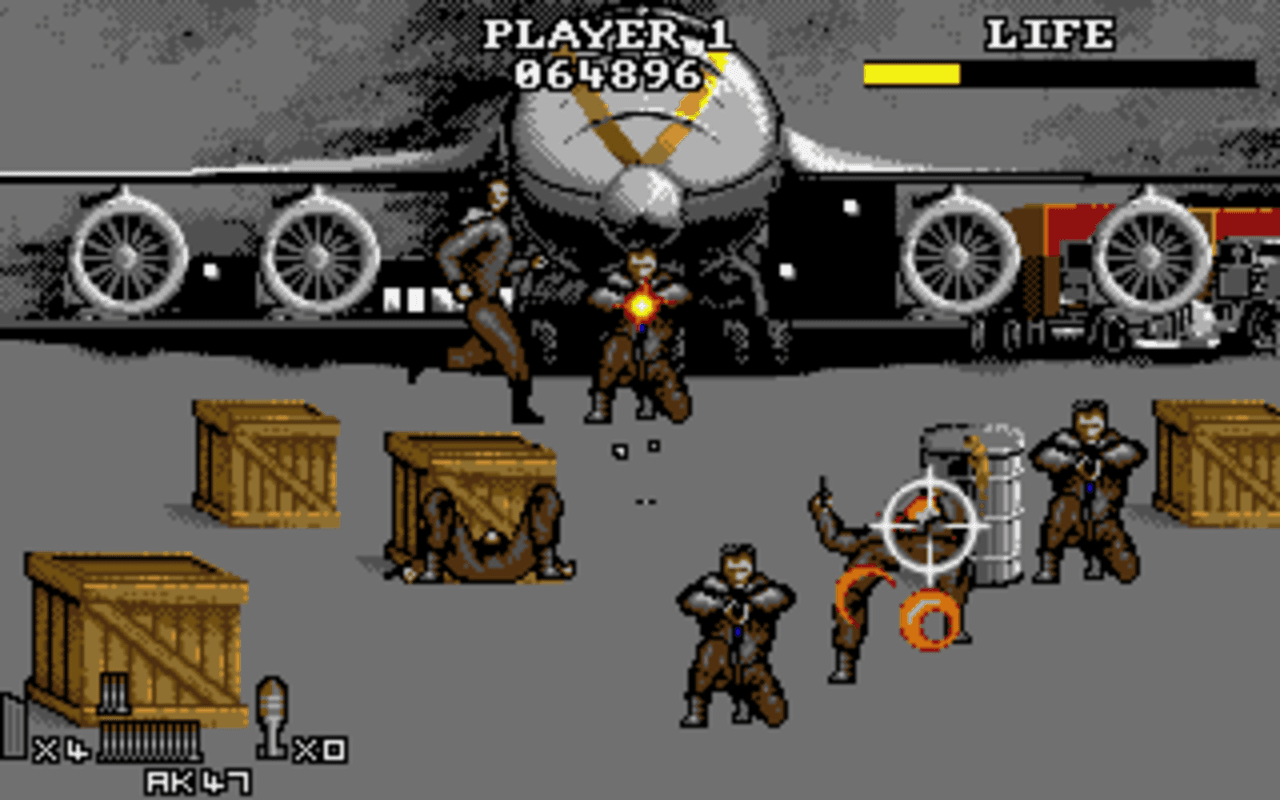
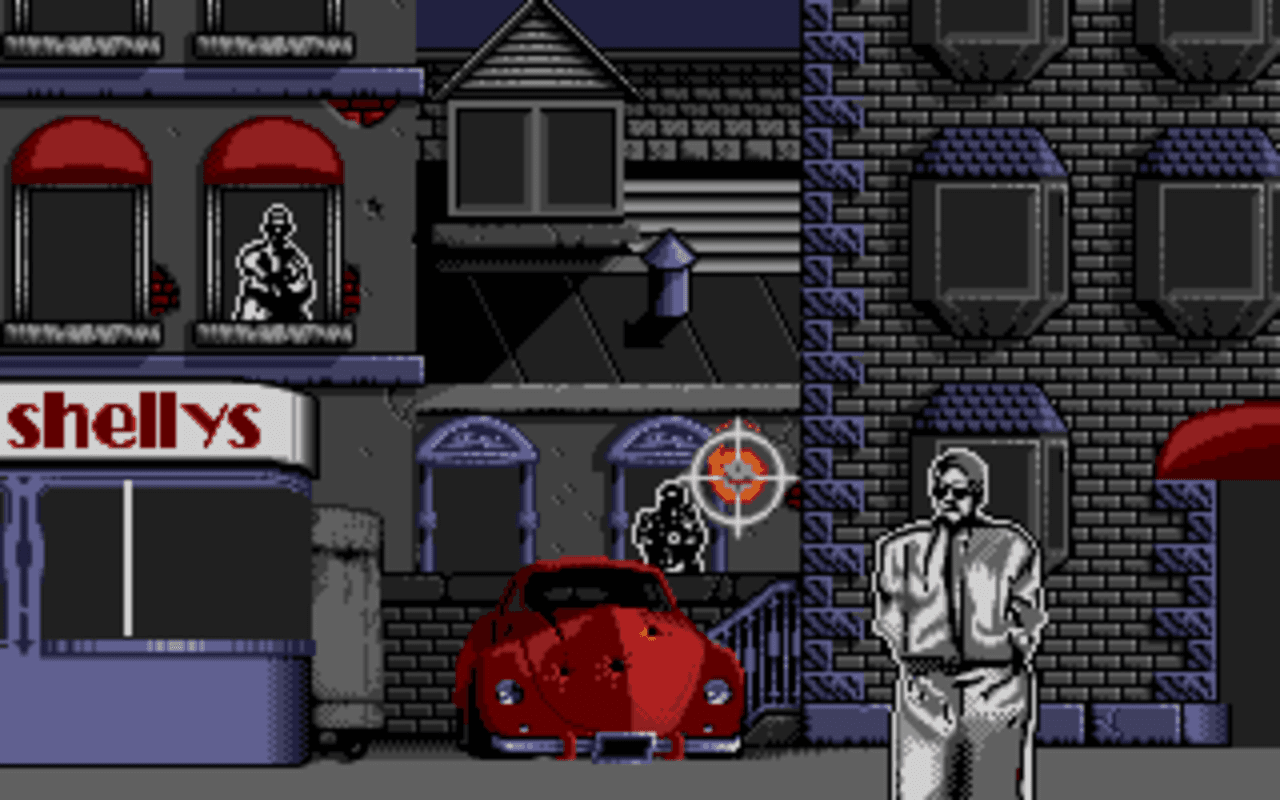
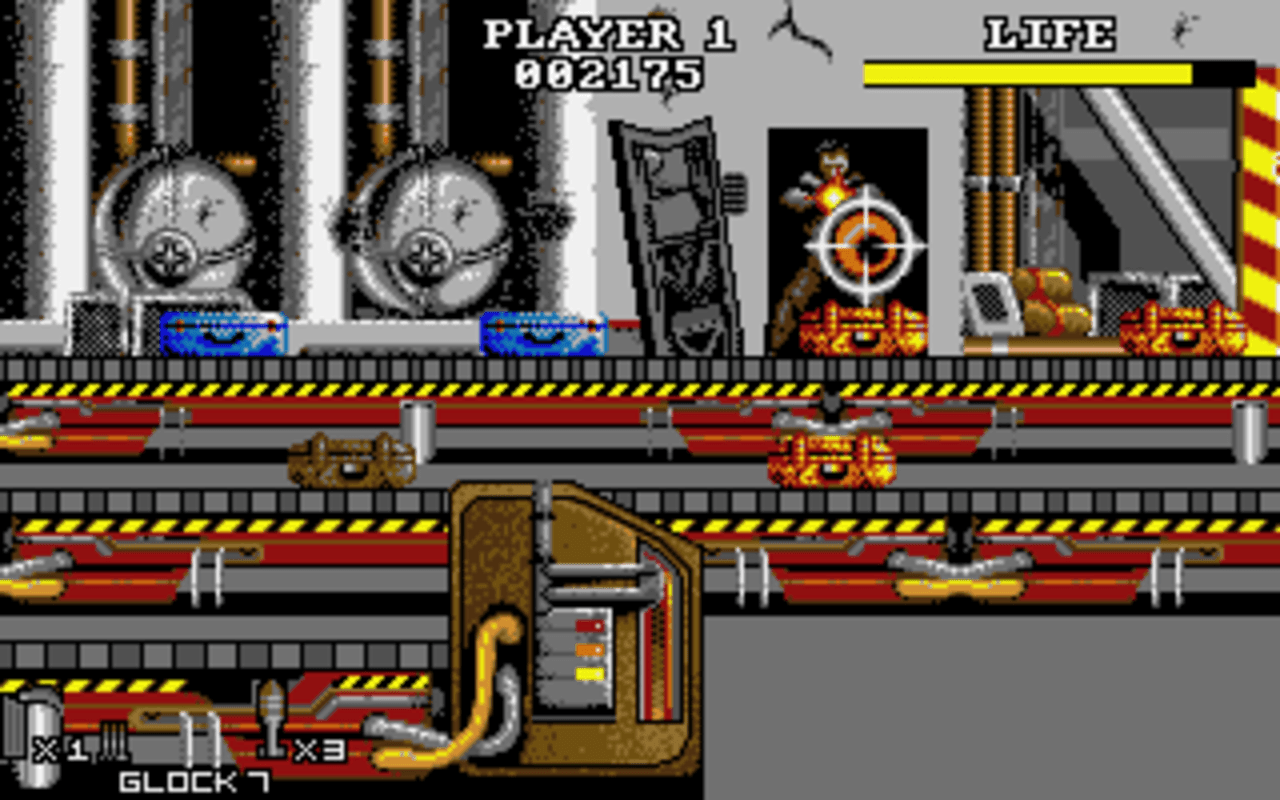
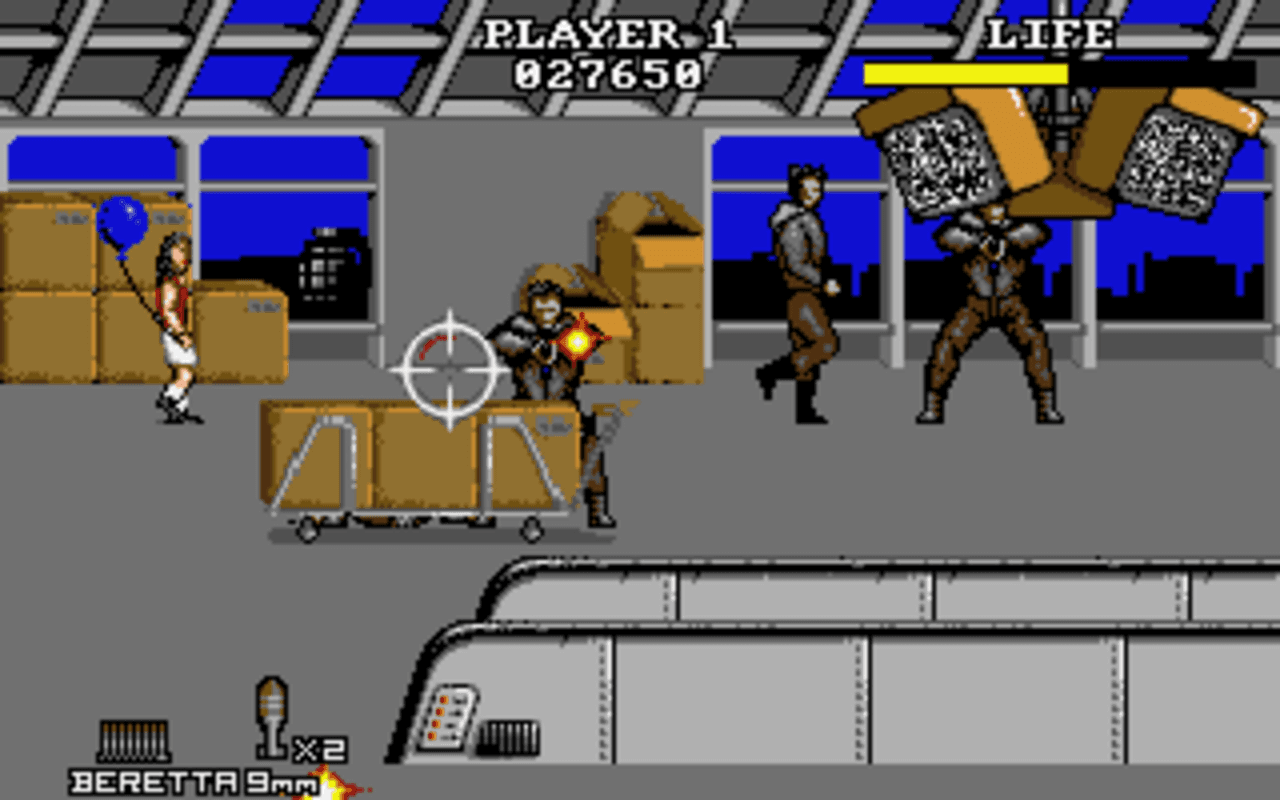
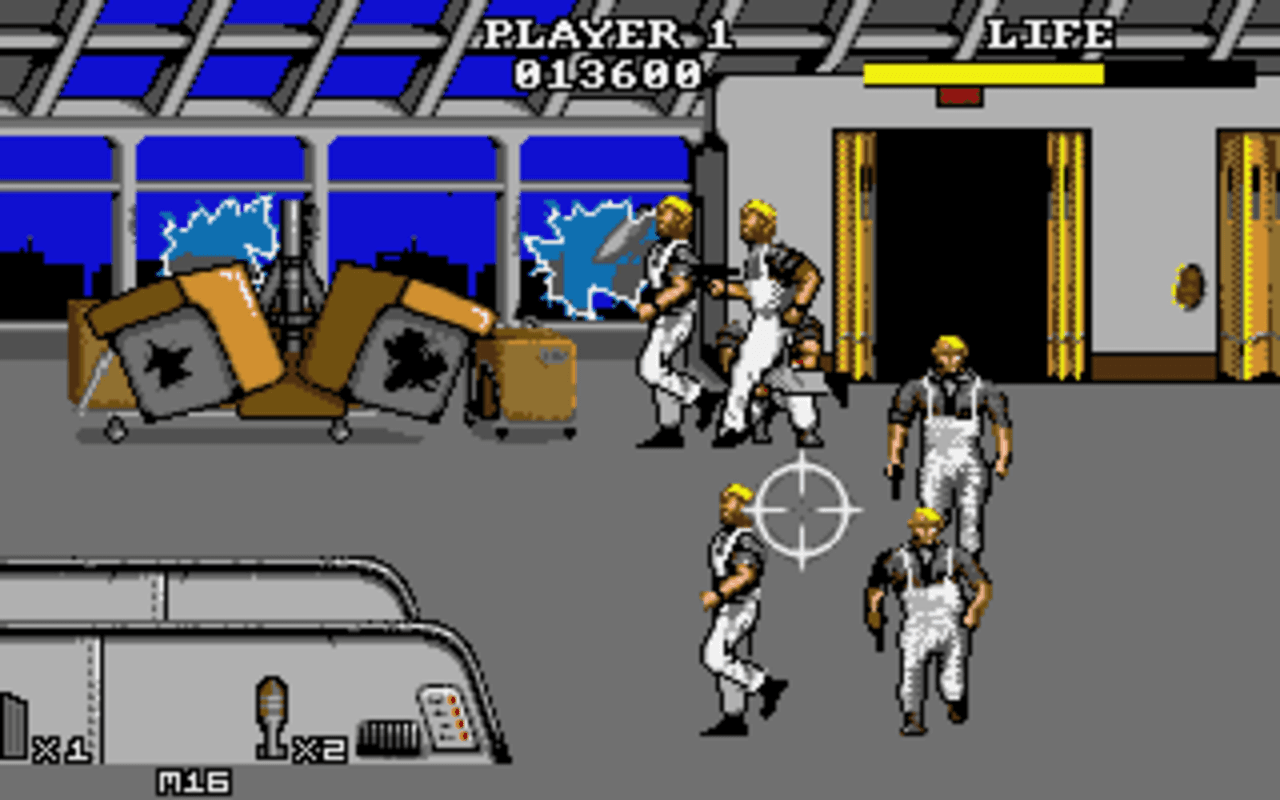
At heart, Die Hard 2: Die Harder plays like a first-person rail shooter, the kind of game that thrives on rhythm. The screen becomes a stage: enemies lean out, hazards flash into view, and you’re asked to make snap judgments.
The best moments come when the pacing clicks. You stop thinking about “levels” and start thinking in beats—spot, aim, fire, reset. When the action is flowing, it feels like a compact training drill for your reflexes, with just enough chaos to keep you from getting comfortable. There’s satisfaction in improving by inches: shaving off a fraction of a second, learning where threats tend to appear, and building the confidence to prioritize the most dangerous targets first.
The flip side of that simplicity is repetition. Because the game’s challenge is built around pop-up threats and accuracy, you’ll notice patterns once you’ve played for a while. For some players, that’s the entire point: repetition is the practice that makes mastery feel earned. For others, it can feel like the game is showing its hand too early. Still, the straightforward structure makes it approachable, and it’s the kind of classic DOS game you can revisit whenever you want quick, uncomplicated action without a long warm-up.
Movie Energy in a Minimalist Package
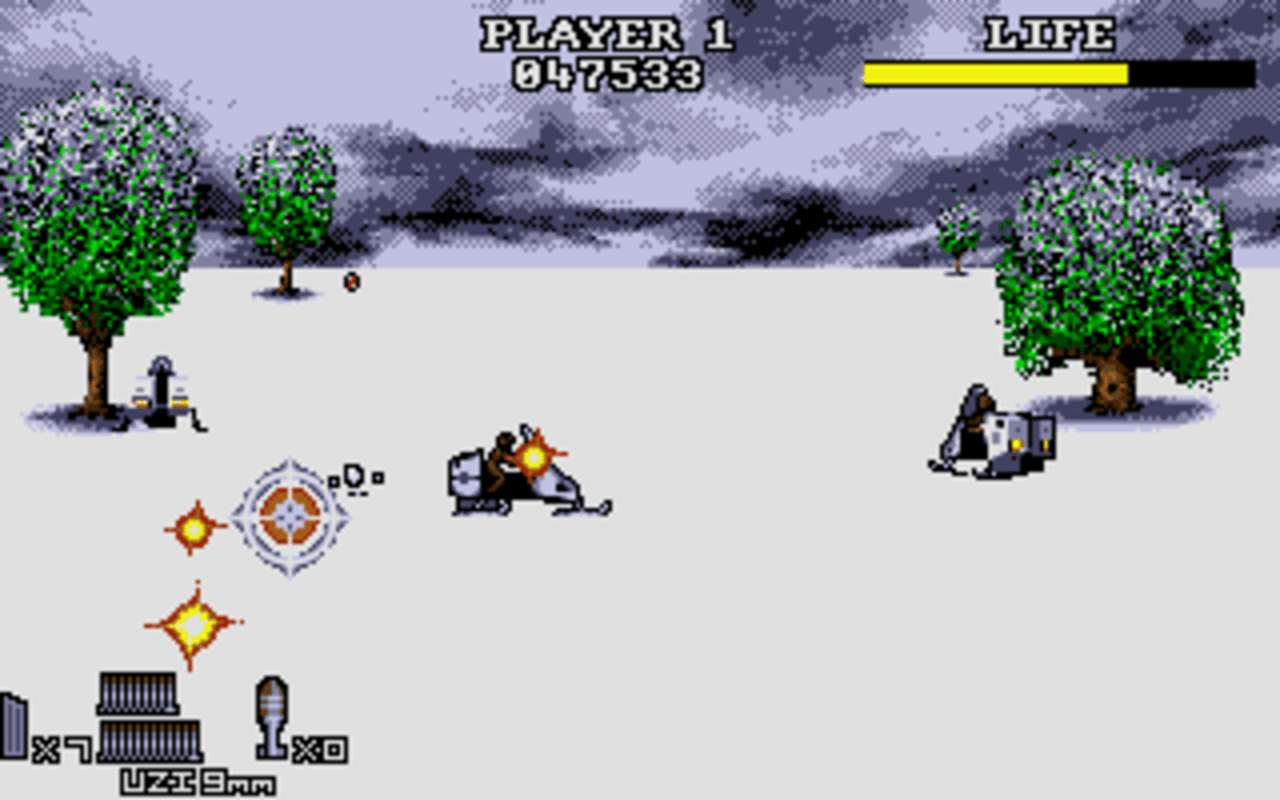
Even though this is an arcade shooter first, the Die Hard identity gives it a specific flavor. You’re not just clearing targets; you’re trying to survive a situation that evokes a cinematic catastrophe—snow, security panic, and an airport under siege. The game doesn’t need lengthy dialogue to sell that mood. The tension comes from the immediacy of danger and the sense that the next threat could appear anywhere on the screen.
If you’ve ever enjoyed games that feel like a high-speed reflex exam, you’ll recognize the appeal. The movie tie-in acts like a frame around the action: you’re cast as a lone problem-solver under impossible conditions, and the game keeps asking whether your hands can keep up with your eyes. It’s not a deep narrative adaptation, but it does capture a key Die Hard idea: survival is a chain of split-second decisions.
For players who enjoy comparing genres, the experience sits in an interesting spot. It has the “shooting gallery” clarity of an arcade cabinet, but it also carries that early-PC austerity where the game’s challenge is the star, not the spectacle. That combination can feel charmingly focused today—like opening a time capsule of design that’s unafraid to be blunt about what it wants from you.
Play Die Hard 2: Die Harder online
One of the nicest ways to enjoy this game now is to play Die Hard 2: Die Harder online, because the format suits quick sessions perfectly. You can jump in free, run it directly in a browser, and keep the action moving without fuss. It also translates well to mobile devices, where tap-and-react play can feel natural, and you can enjoy it without restrictions when you want a fast burst of classic arcade shooting. The game’s structure—short sequences, constant target checks, and immediate feedback—makes it especially friendly to modern “play a little, then come back later” habits, even though the design itself is proudly old-school.
That convenience also highlights the game’s strengths. Because it’s built around reaction time and accuracy, you don’t need to relearn a complicated system each time you return. You remember the core instantly: threats appear, you respond, and you try to do better than your last run. It’s a simple loop, but it holds up because improvement is tangible and satisfying.
Final Verdict: A Straight Shot of Classic Action
Die Hard 2: Die Harder won’t convince you it’s a grand cinematic epic in game form, and it doesn’t try to be. Instead, it offers a concentrated arcade shooter experience wrapped in a familiar action-movie skin. Published by Grandslam Interactive for DOS in 1992, it stands as a snapshot of licensed game design from its time: direct, challenging, and happiest when played in energetic bursts.
If you enjoy rail shooters and shooting galleries, it’s easy to recommend as a quick-play classic. If you need variety and exploration, you may find it thin—but even then, there’s an honest charm in how plainly it delivers its challenge.
To control the game, focus on aiming and firing with your primary input method, keeping your cursor or aim point ready for sudden appearances. Some versions support mouse input for smoother targeting alongside keyboard controls, and the best strategy is to stay calm, prioritize immediate threats, and treat every section as a short accuracy drill.
All used codes are publicly available and that the game belongs to its original authors.