Neon Ruins And 8-Bit Attitude In Shrapnel City
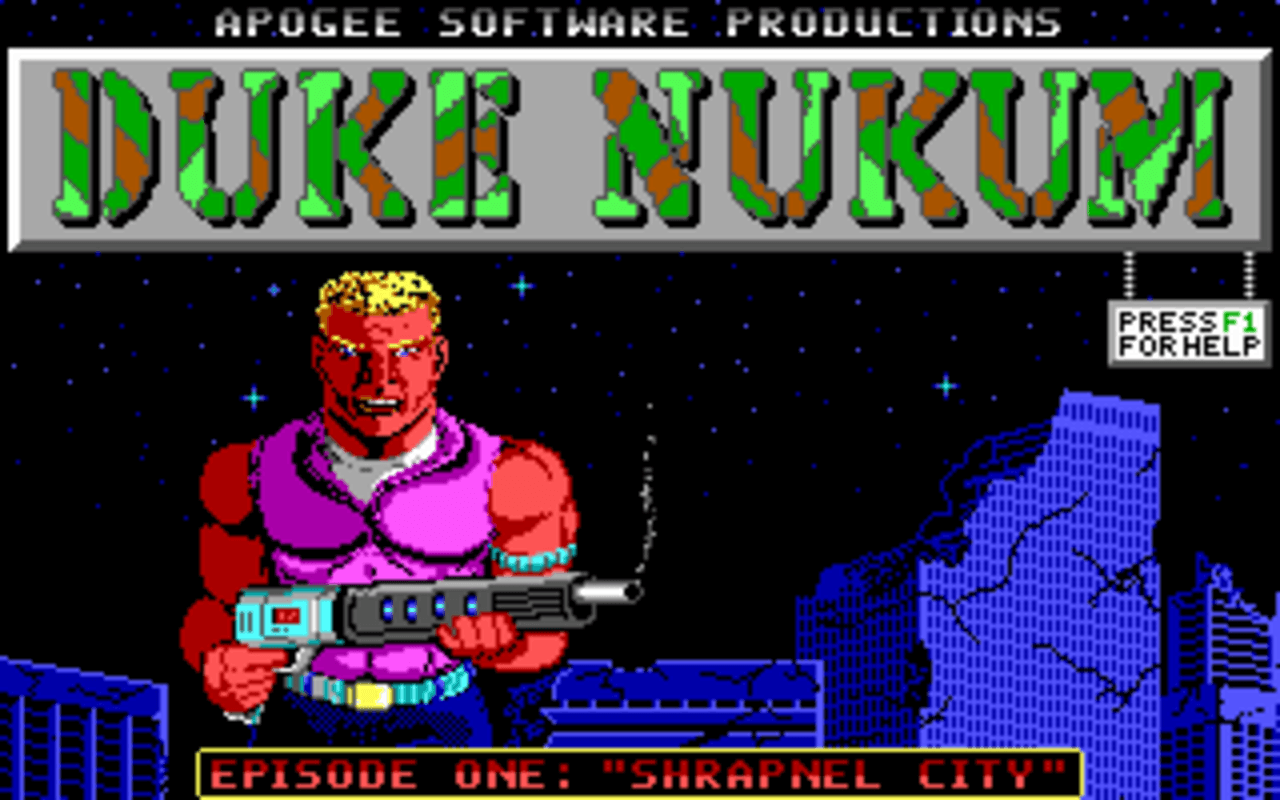
Apogee Software helped shape PC platform action, and Duke Nukum: Episode 1 – Shrapnel City is one of its most distinctive creations. This DOS game throws players into a futuristic metropolis blown apart by robotic invaders, then asks them to run, jump and shoot their way through crumbling skyscrapers and glowing factories. Born in the shareware era, it focuses on instant fun, brisk pacing and score-chasing challenges rather than lengthy cutscenes or complex menus, making it easy to pick up and surprisingly hard to put down.
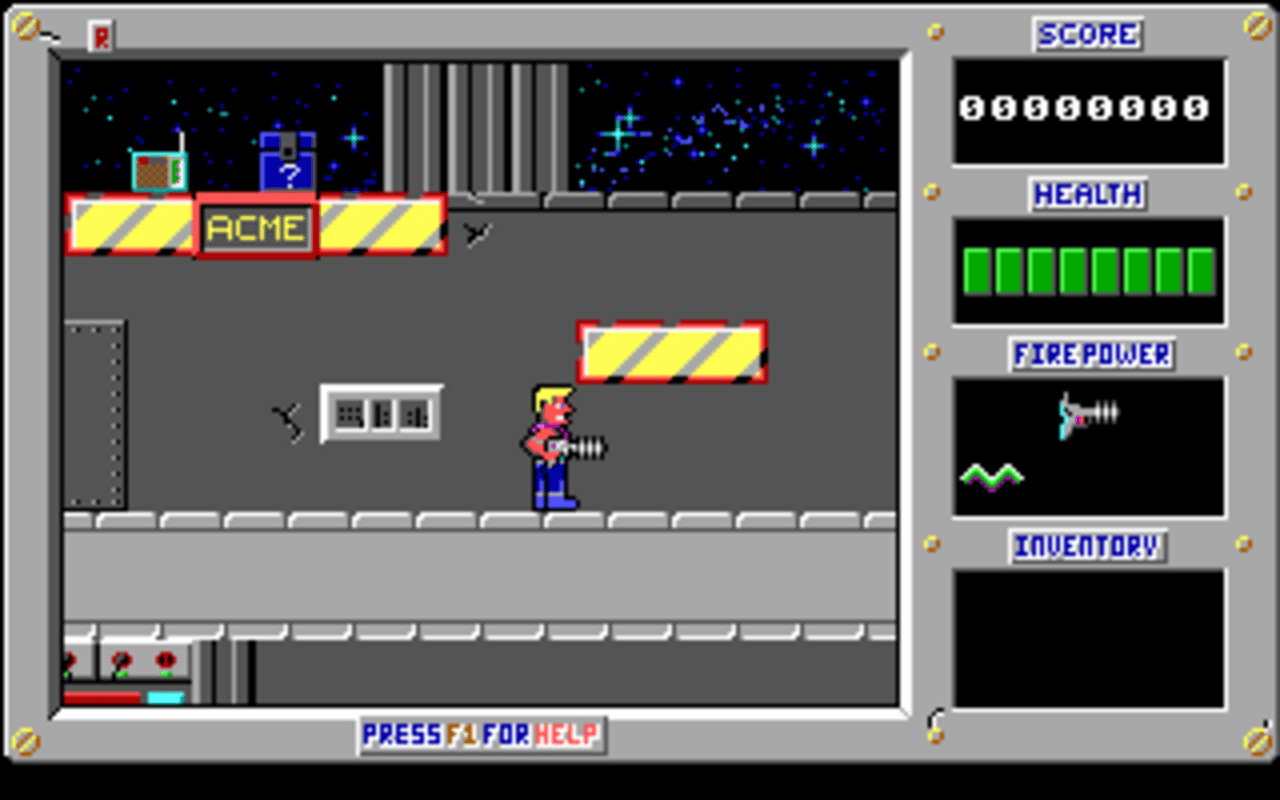
From the opening moments, the game establishes a playful tone. Duke is a larger-than-life hero, and the world around him feels like a comic book come alive, packed with exaggerated props, blinking signs and over-the-top hazards. Stages scroll horizontally and vertically, wrapping around buildings and tunnels so that every level becomes a compact playground of platforms, lifts and destructible walls. The goal is simple—reach the exit alive—but the smartest players explore every corner to uncover extra items, hidden rooms and shortcuts that reward curiosity.
Tight Platforming And Reactive Environments
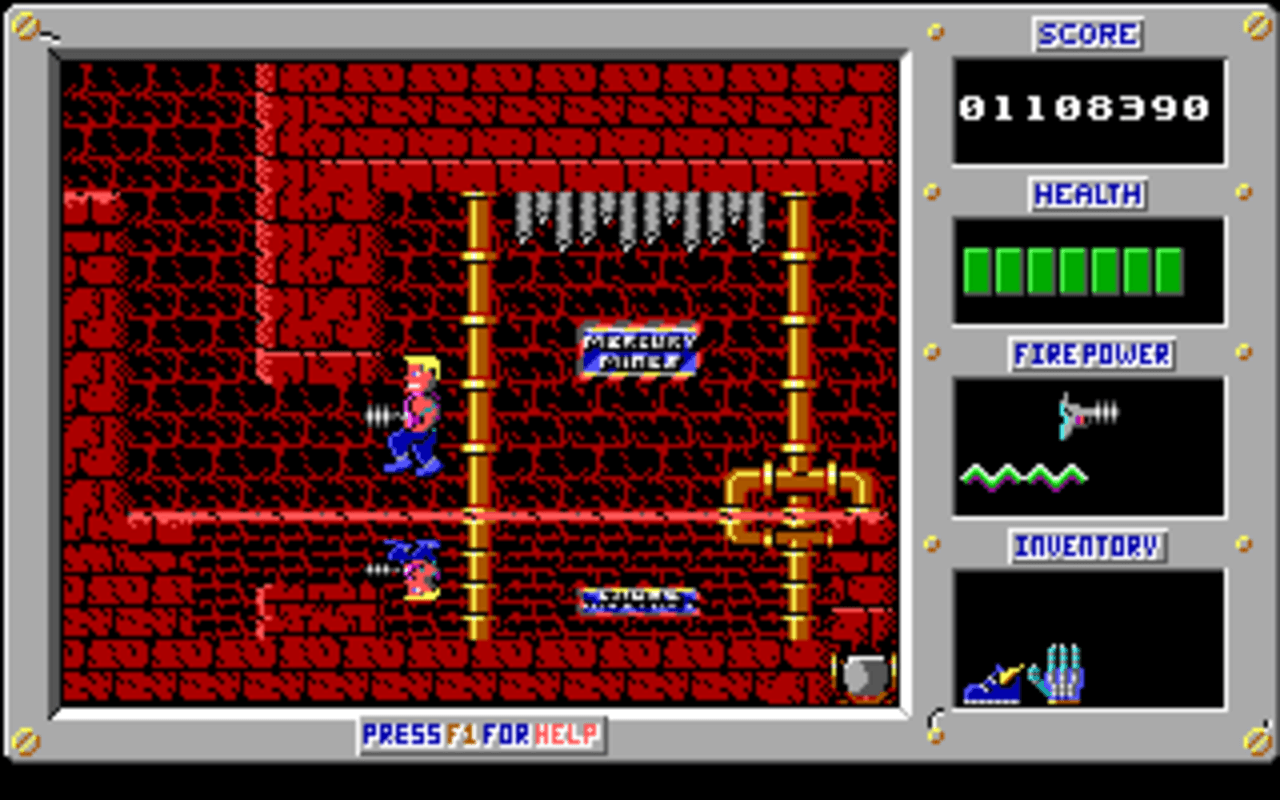
The core of Duke Nukum: Episode 1 – Shrapnel City is its responsive run-and-gun gameplay. Movement feels deliberately snappy: Duke accelerates quickly, jumps with a clear arc and lands exactly where you expect. This precision is essential because the city is littered with turrets, drones, collapsing floors and laser traps. Many dangers are visible before they trigger, inviting you to plan routes carefully instead of relying on trial and error.
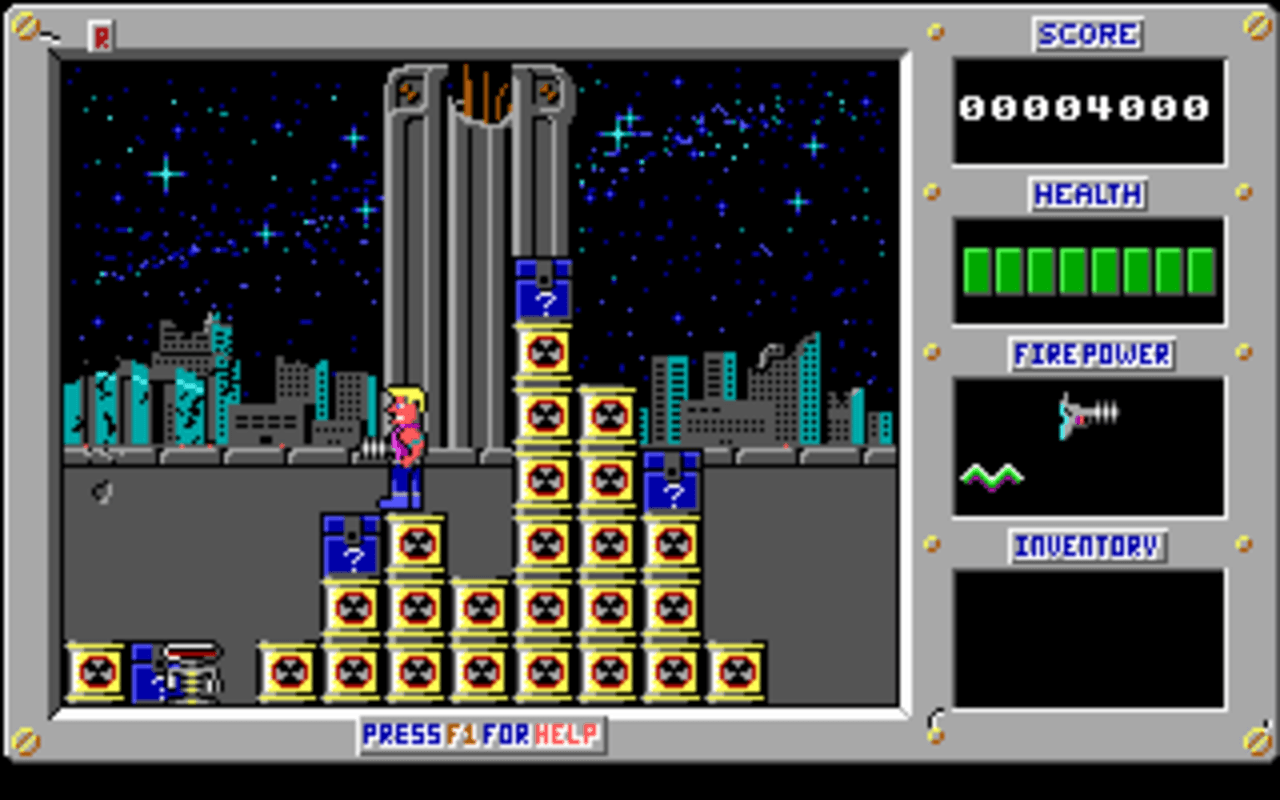
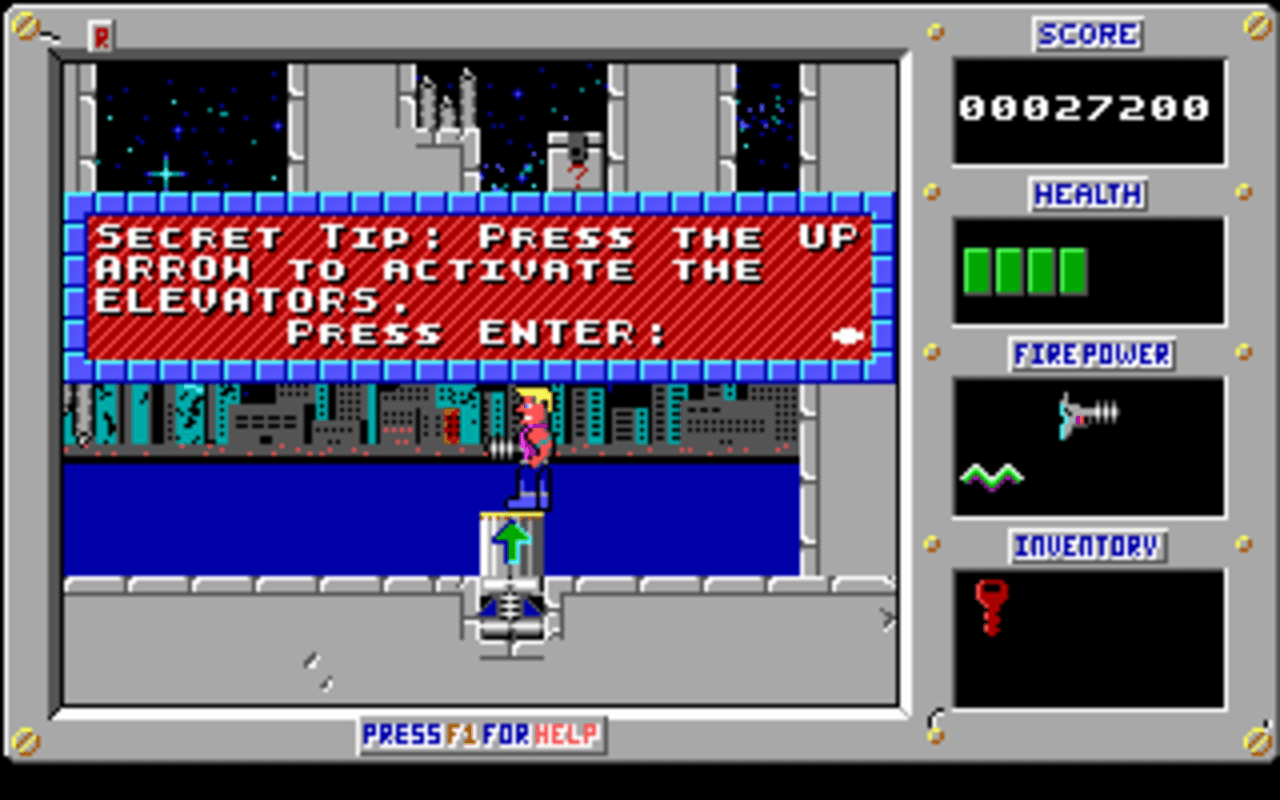
Levels are designed to encourage experimentation. Some routes are direct but risky, weaving between enemies and hazards to produce faster times. Others are safer but longer, offering extra health, ammo or score bonuses at the cost of speed. Destructible blocks and movable platforms add another layer of strategy, as shooting the wrong object can open up useful paths or unleash new threats. The game rewards players who learn layouts, memorize enemy patterns and gradually transform careful first runs into confident speed-style playthroughs.
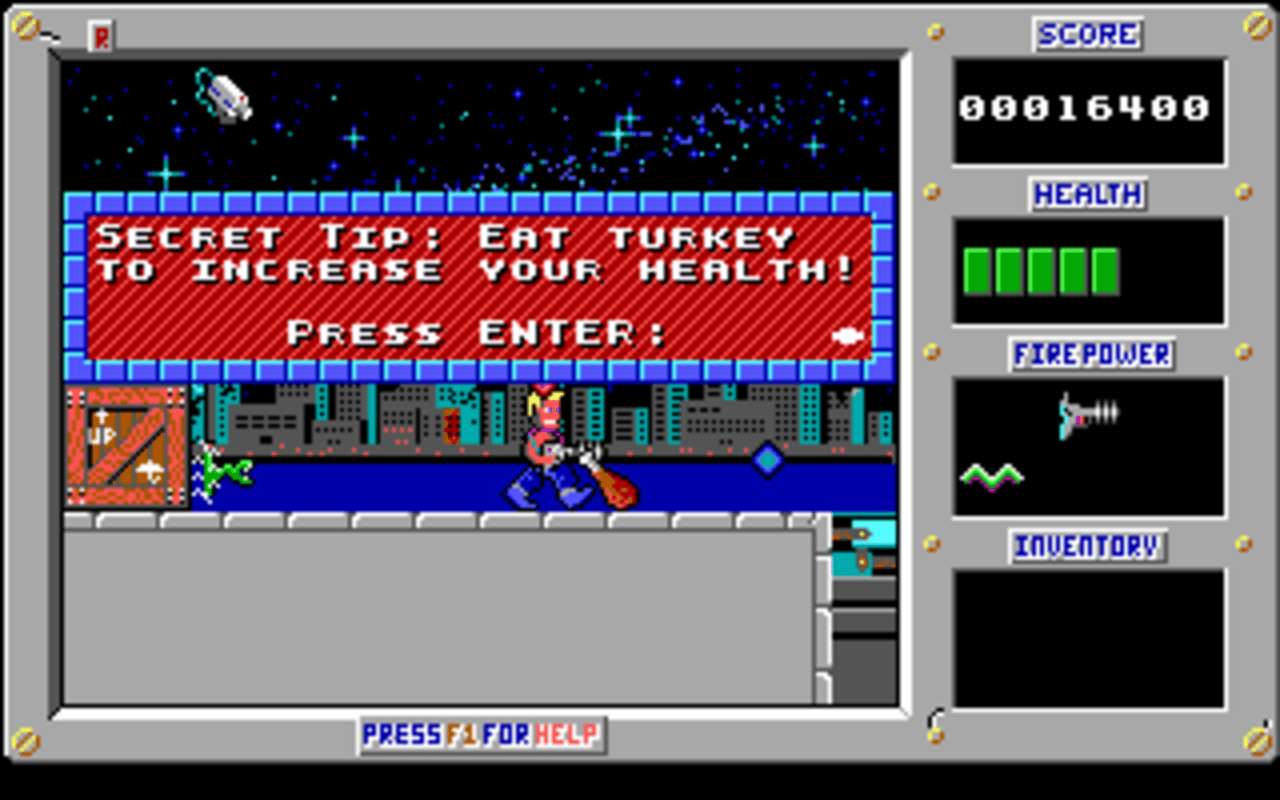
Weapons and items are simple yet satisfying. Duke’s main blaster fires quickly and accurately, so success depends more on timing and positioning than on collecting a huge arsenal. Occasional power-ups and special items temporarily tilt the odds in your favor or unlock new sections of a stage. This minimalism keeps the focus squarely on skillful play; even when you are fully stocked, you still need sharp reflexes and good judgment to survive.
Humor, Style And The Roots Of A Legendary Hero
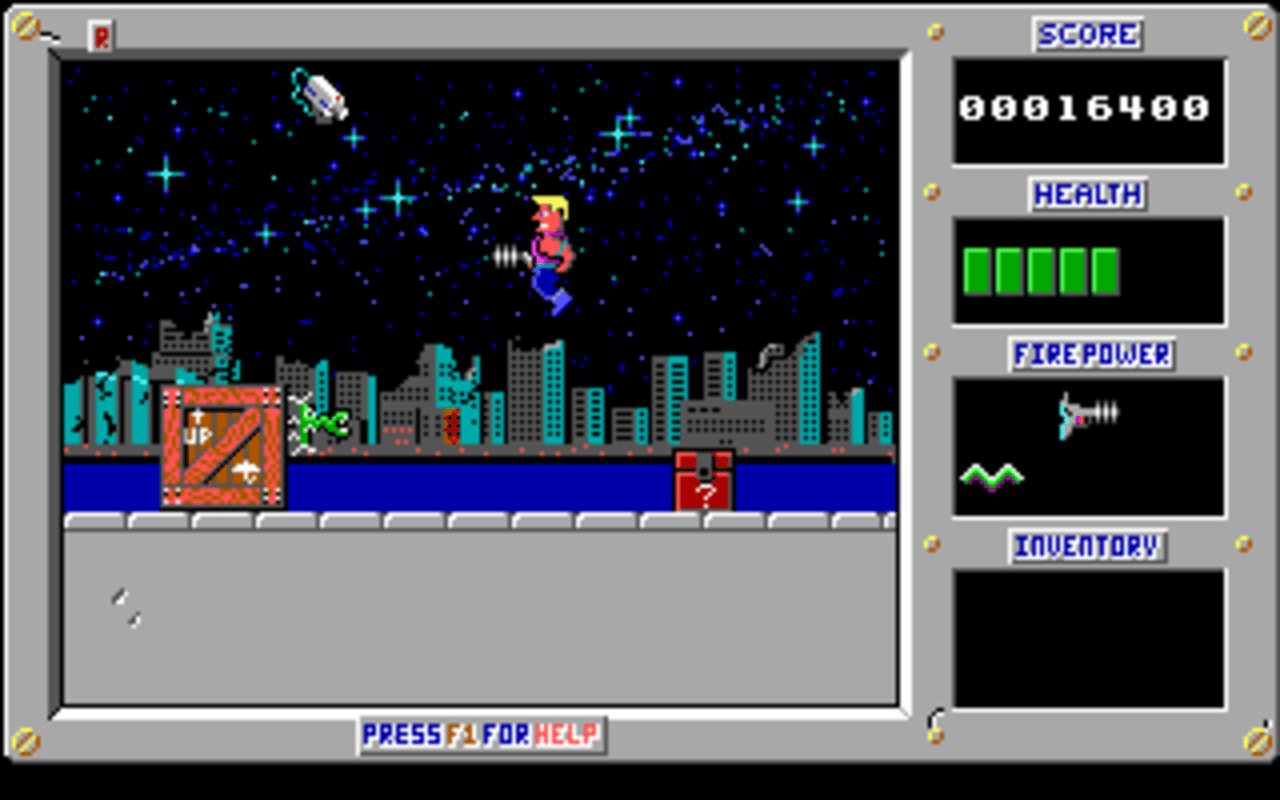
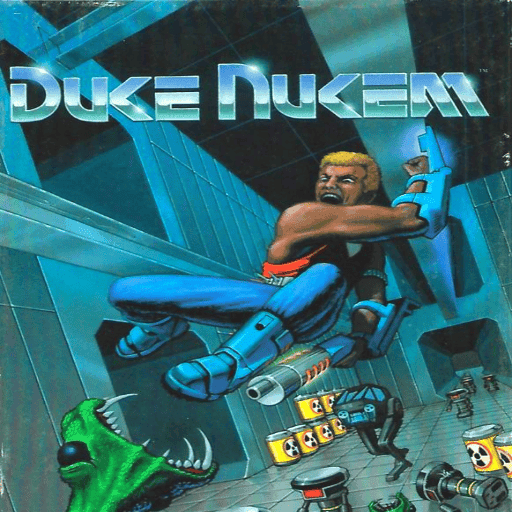
Duke Nukum: Episode 1 – Shrapnel City also stands out for its personality. The setting mixes science fiction and cartoon energy, with bright colors, chunky sprites and futuristic cityscapes that feel both dangerous and playful. Environmental gags, quirky props and bold text signs give each level a distinct identity, so you rarely feel as if you are running through the same corridor twice. The soundtrack and sound effects are punchy and direct, reinforcing the sense of momentum with every jump, shot and explosion.
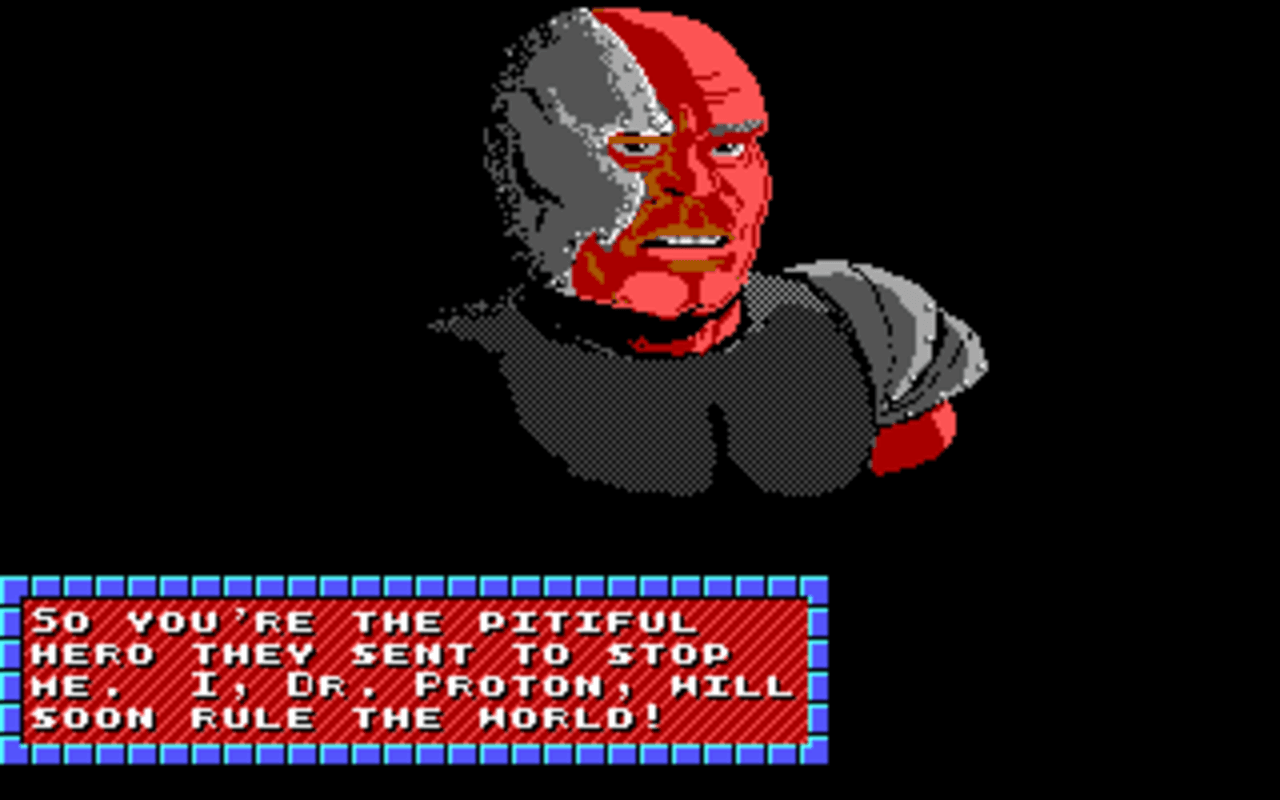
This first episode hints at the larger character Duke would later become. Even without long dialogues, his attitude shines through the exaggerated action and heroic framing. The game positions you as a one-man demolition crew cleaning up Shrapnel City, and that simple premise is enough to support a full campaign of platforming and firefights. For many players, this episode serves as an introduction to a character and style that would later leave a mark on action games beyond DOS.
Play Duke Nukum: Episode 1 – Shrapnel City online
Modern emulation makes it possible to play Duke Nukum: Episode 1 – Shrapnel City online while preserving its original DOS feel. Instead of configuring vintage hardware, the classic game code can run inside a browser-based emulator that recreates the look, sound and timing of the original PC release. You load the game, start a new run, and within moments you are sprinting across rooftops, blasting robots and hunting for secret passages through Shrapnel City.
Because browser emulation is not tied to a single machine, you can enjoy the game on a wide range of devices. Desktop computers, laptops and modern mobile phones can all run an emulated DOS environment, letting you play during short breaks or long sessions wherever you have access to a capable browser. Touch controls, keyboards and external controllers can be mapped to the original inputs, so you can choose the method that feels most comfortable without restrictions on when or where you play.
Playing Duke Nukum: Episode 1 – Shrapnel City online keeps the experience close to its origins while making it easy for new generations to discover it. The sharp, pixelated visuals scale nicely to different screen sizes, and the focused, level-based structure fits modern habits just as well as it did when the game first appeared. It is a straightforward way to revisit a piece of platforming history without sacrificing authenticity.
Difficulty Curve, Replay Value And Timeless Challenge
Behind its light-hearted tone, Duke Nukum: Episode 1 – Shrapnel City offers a carefully tuned difficulty curve. Early stages ease you into the basics: judging jump distances, timing moving platforms and managing a modest number of enemies. Later levels intensify the action with tighter platform sequences, more aggressive robots and layouts that demand quicker reactions. The game rarely feels unfair; when you fail, it usually feels like a lesson in timing, positioning or overconfidence.
This structure gives the game strong replay value. Once you have cleared a level, you may find yourself returning to chase a better time, discover a hidden area you missed earlier or attempt a more daring route that offers higher rewards. The emphasis on score, health conservation and efficient movement transforms each run into a small personal challenge, making even familiar stages feel engaging.
As a whole, Duke Nukum: Episode 1 – Shrapnel City encapsulates what makes classic DOS action games enduring. It is compact, focused and immediately understandable, yet it leaves plenty of room for mastery. Players who enjoy Commander Keen, Mega Man-style platformers or other run-and-gun adventures will find a familiar rhythm here, expressed through Apogee’s distinctive brand of humor and pacing. The city may be in ruins, but the design remains solid and satisfying.
Duke Nukum: Episode 1 – Shrapnel City is a spirited platform action game from Apogee Software that combines tight controls, playful art and cleverly layered levels into a memorable adventure. Movement and combat are handled with simple keyboard inputs: directional keys guide Duke, a dedicated key triggers jumps and another fires his weapon, with optional extra keys for activating or cycling items depending on the configuration of the DOS or emulated environment. Once you become comfortable with these controls, the game’s rhythm clicks into place, turning Shrapnel City into a thrilling playground of precision jumps and explosive encounters.
All codes used in Duke Nukum: Episode 1 – Shrapnel City are publicly available, and the game, its characters and its world remain the sole property of their original authors and rights holders.