Exploration game review: discovery, trade, and empire
Exploration is a strategy game developed by Software 2000 that transforms the great seafaring ambitions of the colonial era into an inviting and absorbing interactive experience. Released during a period when historical strategy titles were thriving on DOS, it entered a genre already shaped by games about settlement, commerce, and competition, yet it brought its own tone to the formula. Rather than overwhelming the player with unnecessary complexity, Exploration focuses on the satisfying rhythm of uncovering new territory, founding towns, managing production, and balancing the interests of growth and survival.
The central appeal of the game lies in how naturally its systems connect. A voyage is never only a voyage, because every stretch of ocean may lead to a future harbor, a source of wealth, or a fresh problem to solve. Building a colony is not simply a matter of placing structures, because each settlement depends on resources, population, and the wider trade network that keeps the entire enterprise alive. This structure gives the game a strong sense of movement. Even when the action slows into careful planning, the larger campaign always feels as though it is heading somewhere meaningful.
Exploration also benefits from a theme that fits strategy gaming exceptionally well. The fantasy of charting coasts, opening trade routes, and shaping remote settlements has a natural dramatic power. The game draws on that power without needing elaborate storytelling. Its narrative comes from decisions: where to sail, what to harvest, how to expand, and when to turn caution into ambition. That makes every session feel personal, and it helps the game retain its charm long after many technically impressive titles have faded from memory.
Why Exploration stands out among strategy game classics
Many historical strategy games rely on grand presentation or intense military pressure to keep the player engaged. Exploration takes a different route. It creates pleasure through process. The player begins with limited means, modest goals, and uncertain prospects. Gradually, those small beginnings become the foundation of a larger network of settlements, shipping lines, and productive territory. That arc from fragility to power is deeply satisfying, and it is one of the main reasons the game continues to be remembered fondly.
The economic side is especially important. Resources such as agricultural goods and mined materials are more than numbers on a screen. They are the lifeblood of expansion, and the game encourages the player to think about land, labor, and distance in practical terms. A town placed in the right location can become a thriving center of production, while a poorly planned colony may drain attention and supplies. This interplay gives the game texture. It is not just about growing bigger; it is about growing wisely.
Another strength is the balance between accessibility and depth. Exploration is easier to approach than some sprawling strategy simulations, but it still gives the player enough meaningful choices to remain engaging over many sessions. There is a clear pleasure in learning how the systems fit together, then using that knowledge to create a more efficient and resilient colonial network. Because of this, the game can appeal both to newcomers who want to play a historical strategy game online and to experienced players who enjoy refining their tactics.
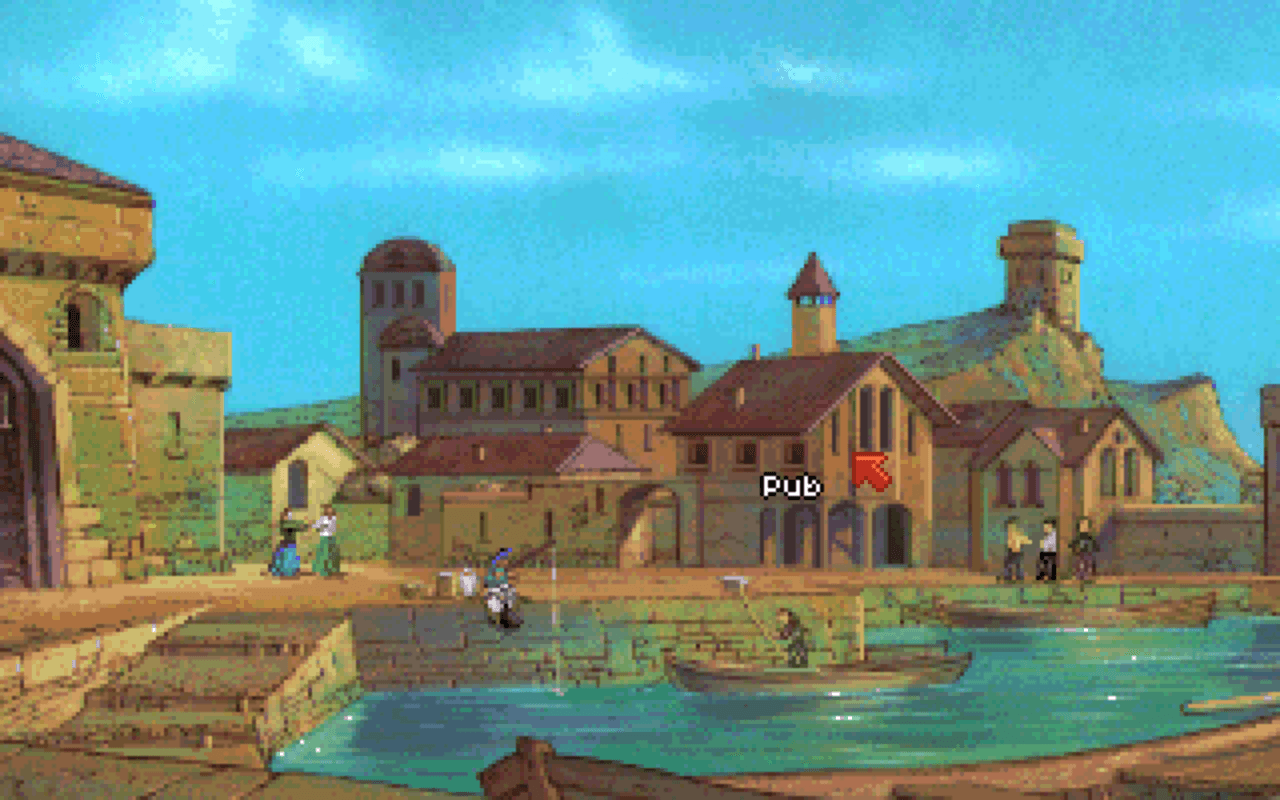
The atmosphere also contributes to its identity. There is an unmistakable sense of distance and possibility in the design. Ships crossing open water, settlements taking shape from modest beginnings, and trade routes connecting scattered possessions all create a mood of steady expansion. The historical frame adds flavor without burying the experience in lecture-like detail. Exploration is interested above all in the strategic fantasy of discovery and development, and it delivers that fantasy with consistency.
Play Exploration online
Play Exploration online to experience a classic strategy game built around discovery, trade, and colony building. The game can be played free in a browser, making it easy to revisit its historical setting and thoughtful management systems without barriers. Its design also works well on mobile devices, where the measured pace and menu-driven decisions remain comfortable and intuitive. Because it can be enjoyed without restrictions, Exploration continues to invite both longtime strategy fans and curious newcomers to test their planning skills in a timeless colonial adventure.
What makes this especially appealing is how well the core design has aged. Exploration does not depend on spectacle. Its lasting value comes from meaningful decisions, a strong theme, and the pleasure of watching a fragile expedition become a prosperous domain. To play Exploration online is to reconnect with a style of strategy game that values patience, foresight, and gradual mastery. Each campaign tells its own story through trade deals, settlement choices, and the practical consequences of expansion.
The online appeal of the game also comes from its clarity. Goals are understandable, progress is visible, and the satisfaction of success is easy to feel. A player can focus on discovering territory, building useful settlements, and creating efficient trade links without losing sight of the bigger picture. That clarity helps Exploration remain approachable while still offering depth, and it explains why the game continues to reward repeated play.
Exploration and the lasting appeal of colonial strategy play
Exploration endures because it understands the joy of strategy as construction rather than chaos. This is a game about building systems that work. A successful campaign depends on attention to geography, production, and timing, but it also depends on imagination. The player must see not only what a settlement is, but what it could become after careful development. That forward-looking quality gives the game an almost architectural satisfaction.
Its place within the broader history of DOS strategy games is secure because it captures a distinct style of play. It stands near other classics of colonization and discovery, but it remains recognizable on its own merits. Software 2000 created a game that respects the player’s intelligence while keeping the experience inviting and direct. The result is a title that still feels rewarding to play, whether approached as a nostalgic favorite or as a fresh historical strategy game discovered for the first time.
Exploration is memorable for its steady sense of purpose. It offers discovery, economic planning, territorial growth, and the pleasure of transforming uncertainty into stability. The brief learning curve opens into a broader field of tactical choices, and that progression gives the game real staying power. Control is typically centered on keyboard and mouse inputs, with navigation through menus, maps, ships, and colony management screens forming the heart of play.
All used codes are publicly available, and the game belongs to its original authors.