Ocean’s Lethal Weapon and the era of movie-action DOS games
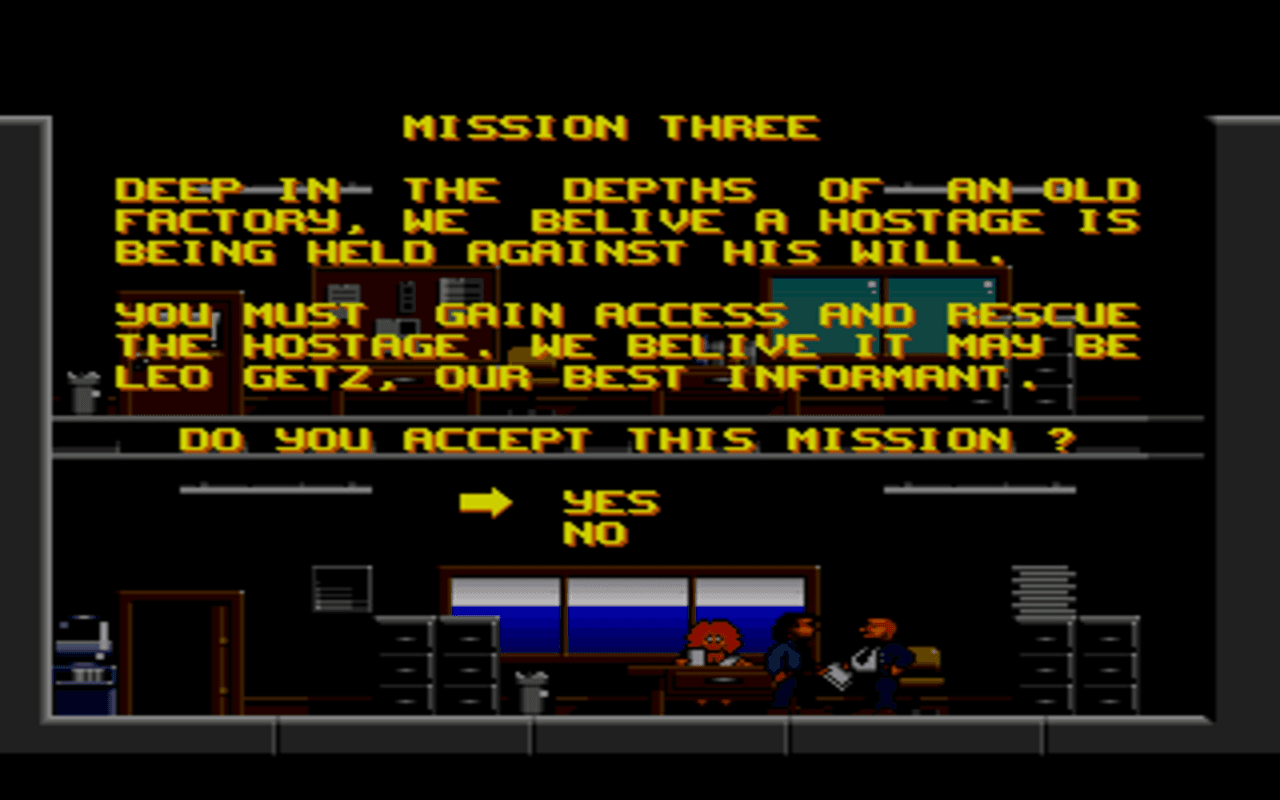
Ocean Software’s Lethal Weapon arrived in the early 1990s, when film licenses regularly became fast-moving action games designed for immediate impact. On DOS, it translates the tough-cop fantasy into a side-view brawler-shooter hybrid, where you’re rarely more than a few steps away from trouble. The tone is all neon streets, sudden ambushes, and tense forward motion, as if each stage is a compressed action set piece. While it nods to the cinematic roots of Riggs and Murtaugh, it doesn’t rely on dialogue or long story scenes; it speaks in quick hazards, sharp enemy placement, and the constant question of whether you can survive the next screen.
Riggs and Murtaugh bring different rhythms to the same fight
At its best, Lethal Weapon feels like two approaches to the same urban mess. Riggs tends to read as the more aggressive option, built for pushing the tempo, while Murtaugh often feels steadier, encouraging a safer cadence and more deliberate jumps. The fun comes from learning how each one “fits” a particular situation: a crowded stretch where you need quick shots and sharper timing, or a platform-heavy section where patience matters more than bravado. Even when the differences are subtle, the game nudges you to treat character choice as a tactical decision rather than a cosmetic one, and that mindset helps the whole experience click.
Fists, firearms, and the constant pressure to commit
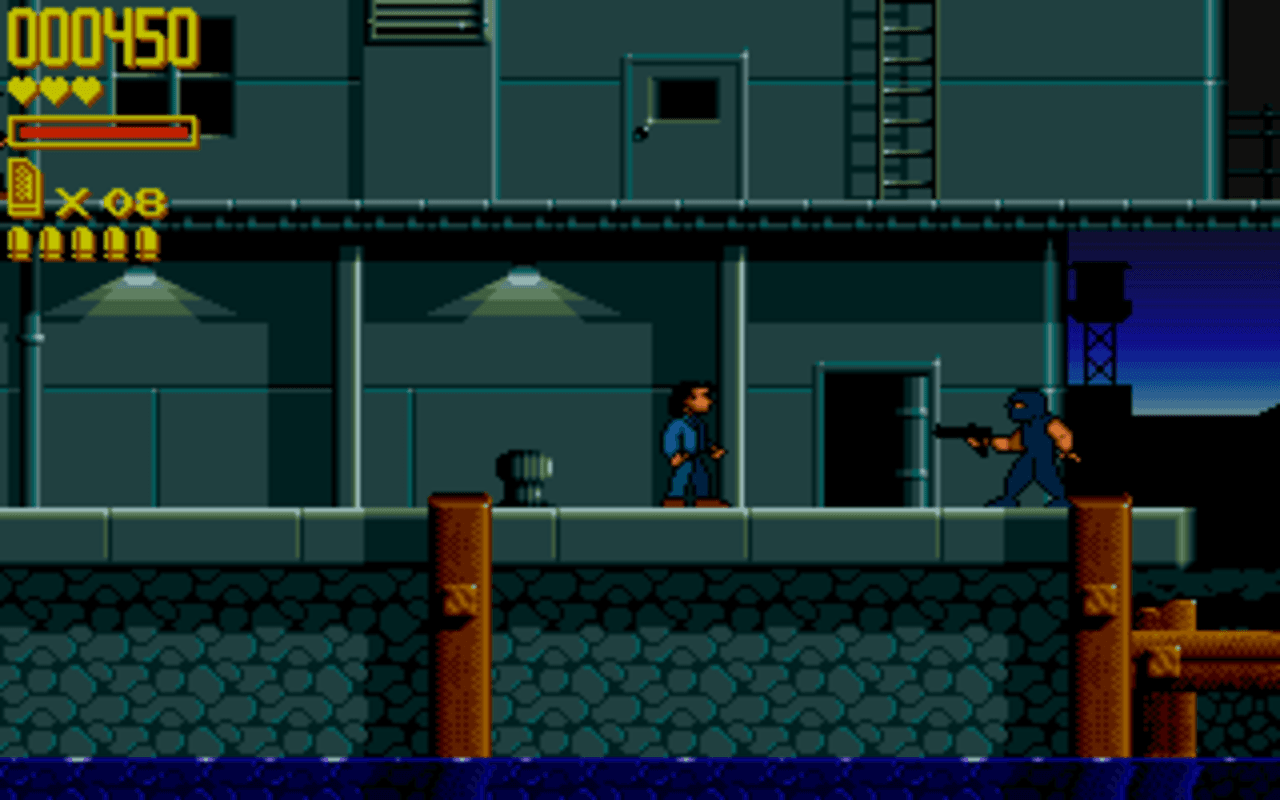
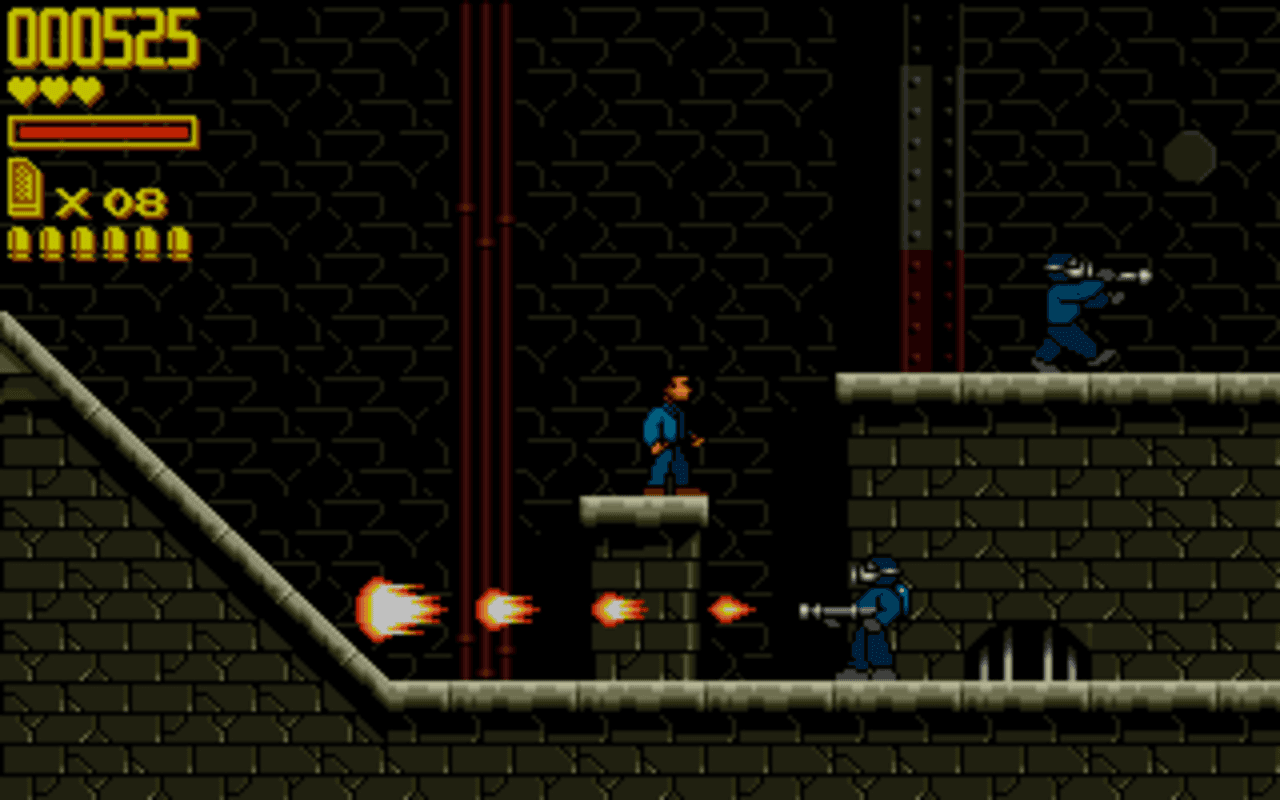
This is not a gentle action game. Enemies appear in inconvenient places, attacks overlap, and the safest route is rarely the most direct one. Lethal Weapon mixes close-range brawling with shooting so you’re constantly deciding how to solve the next threat: step in and punch to control space, fire to thin out a cluster, or retreat half a screen to reset the situation. That push-and-pull gives it an arcade flavor, especially when the game dares you to keep moving even as the frame fills with danger. It’s a test of micro-decisions: when to jump, when to hold ground, when to spend a limited weapon, and when to accept a hit to keep momentum.
Set pieces that feel like compact action scenes
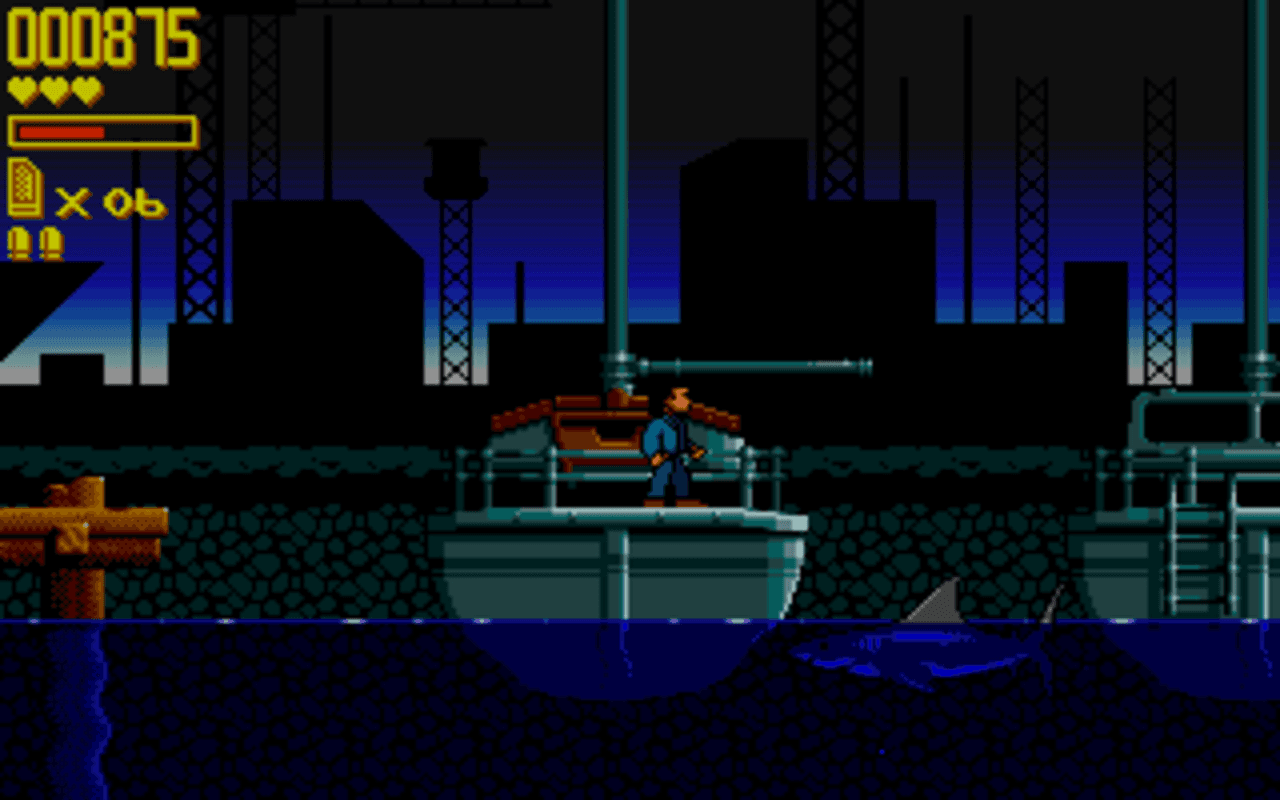
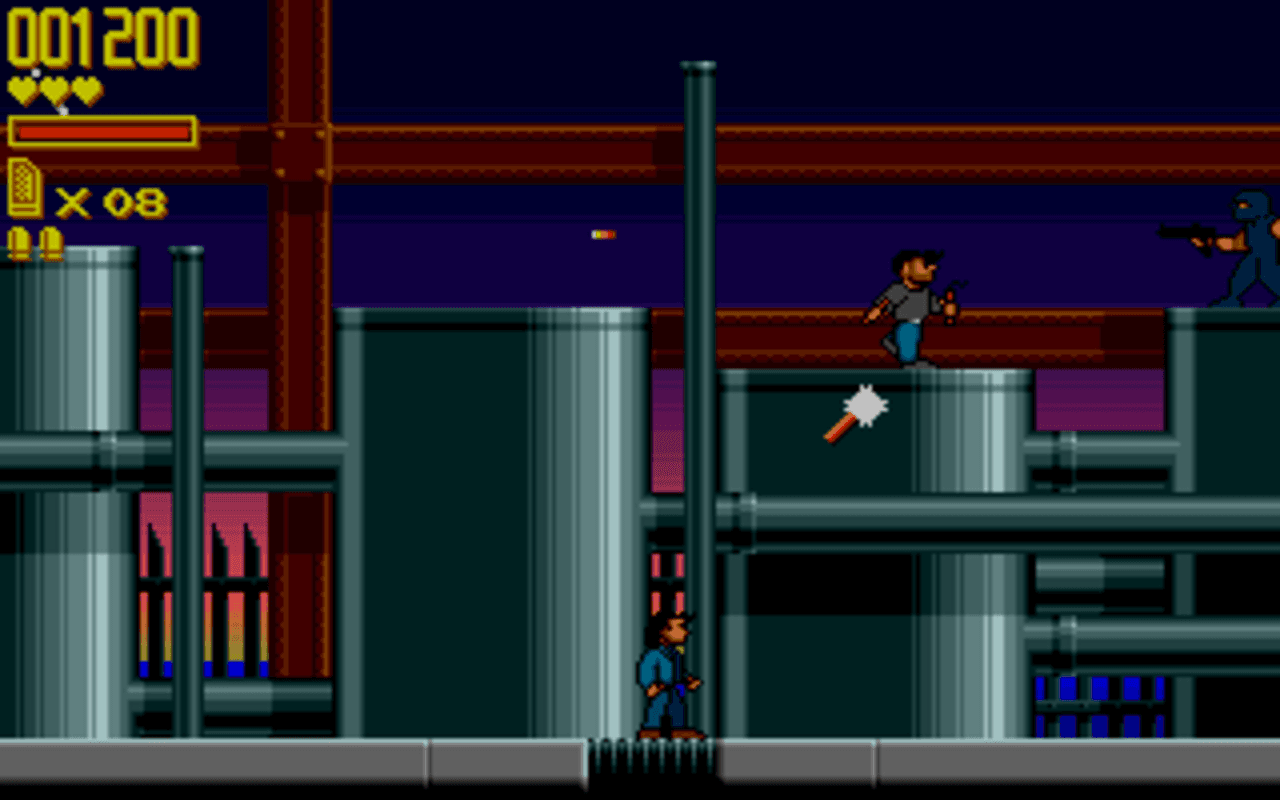
Rather than stretching one idea for too long, the game leans on brisk sequences that change the texture of play. One moment you’re advancing through a rough neighborhood, the next you’re dealing with tighter platforming, tricky sightlines, or a wave of opponents designed to punish hesitation. The result is a tour of “short, sharp shocks” where you’re always adjusting to a slightly different pattern. That structure suits the license: it mimics the quick escalation of an action film without needing to spell everything out. Ocean’s approach here is to make the action itself the storytelling, and if you’re in the mood for an intense old-school run, it works.
Play Lethal Weapon online for free, anywhere
If you want the most direct way to revisit this era, you can play Lethal Weapon online free in a browser, and it also works on mobile devices without restrictions. The game’s pick-up-and-play design fits that format well: you can jump straight into a mission, focus on timing and spacing, and enjoy the same fast feedback loop that made licensed action games feel immediate. Because it’s a classic DOS-style experience, the heart of the challenge remains the same no matter where you play: learn the enemy patterns, respect the cramped corners, and keep your cool when the screen turns hostile.
Sound, visuals, and the kind of difficulty you remember
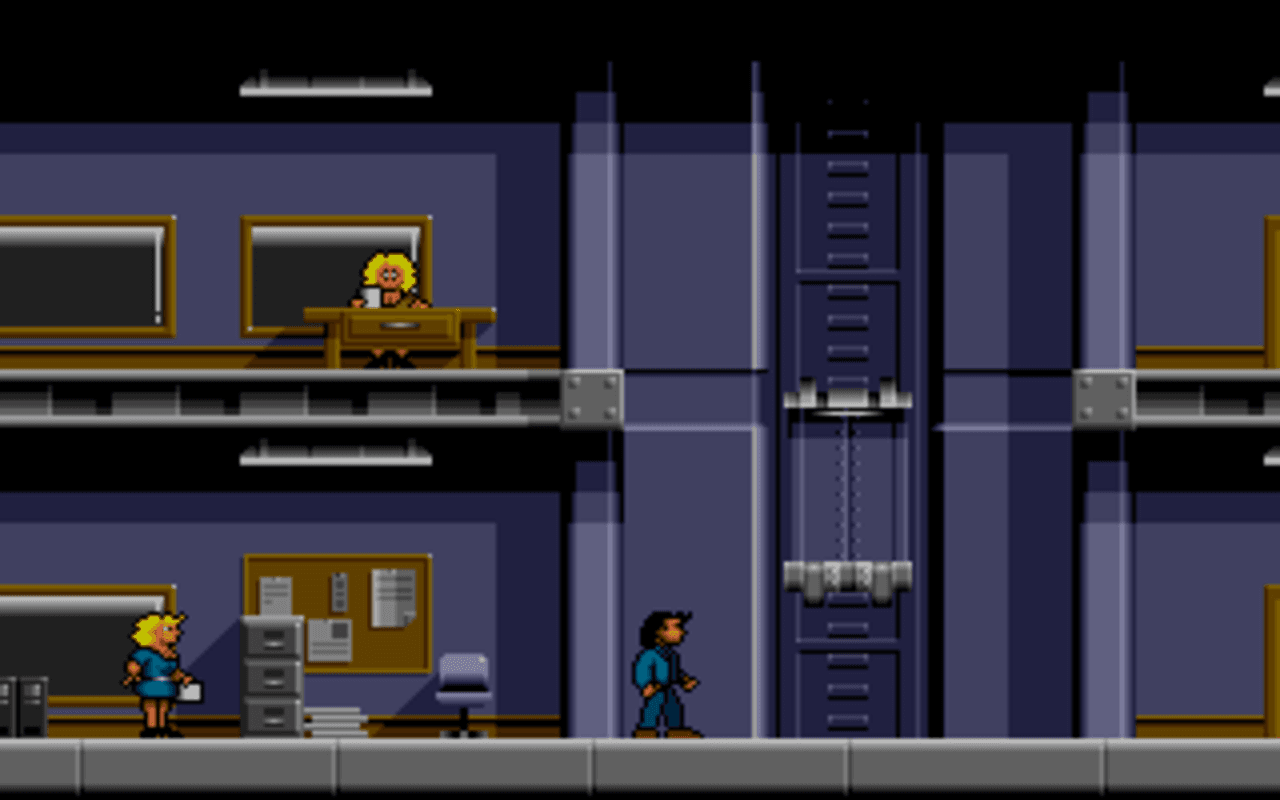
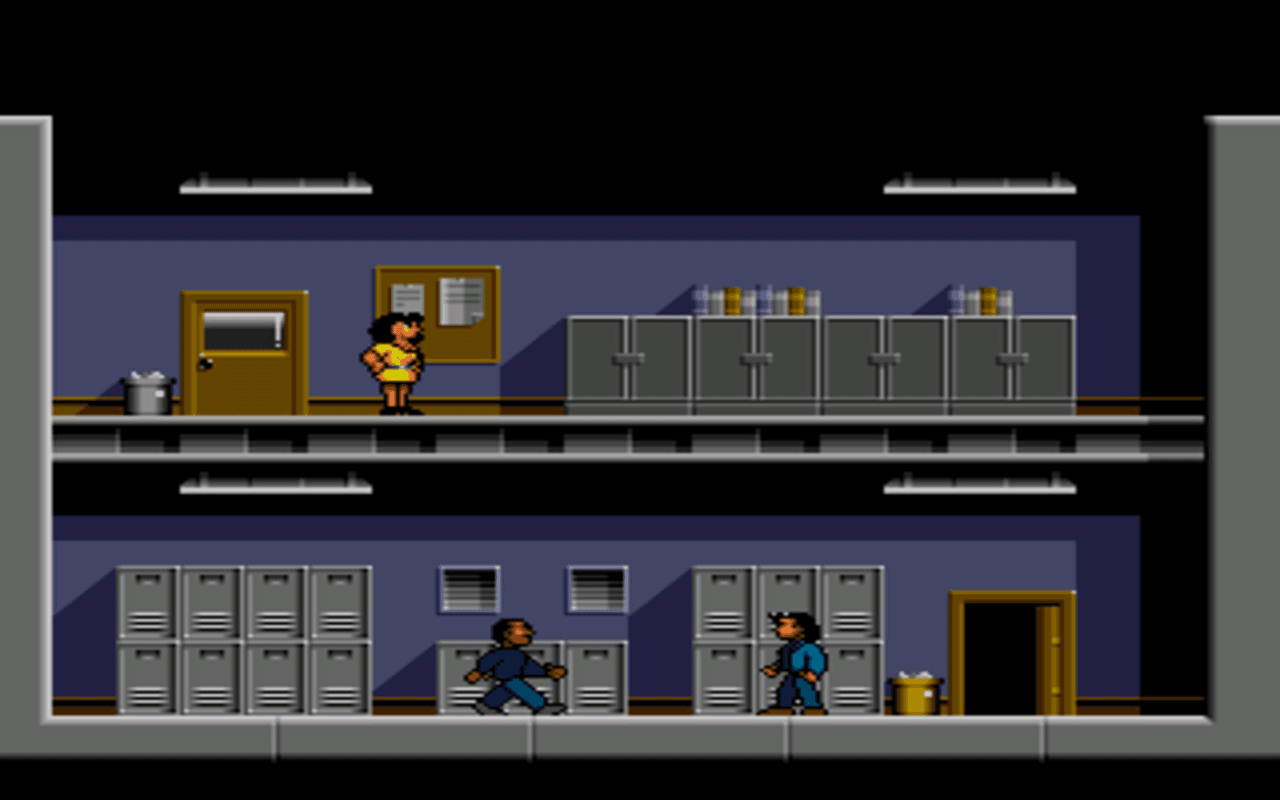
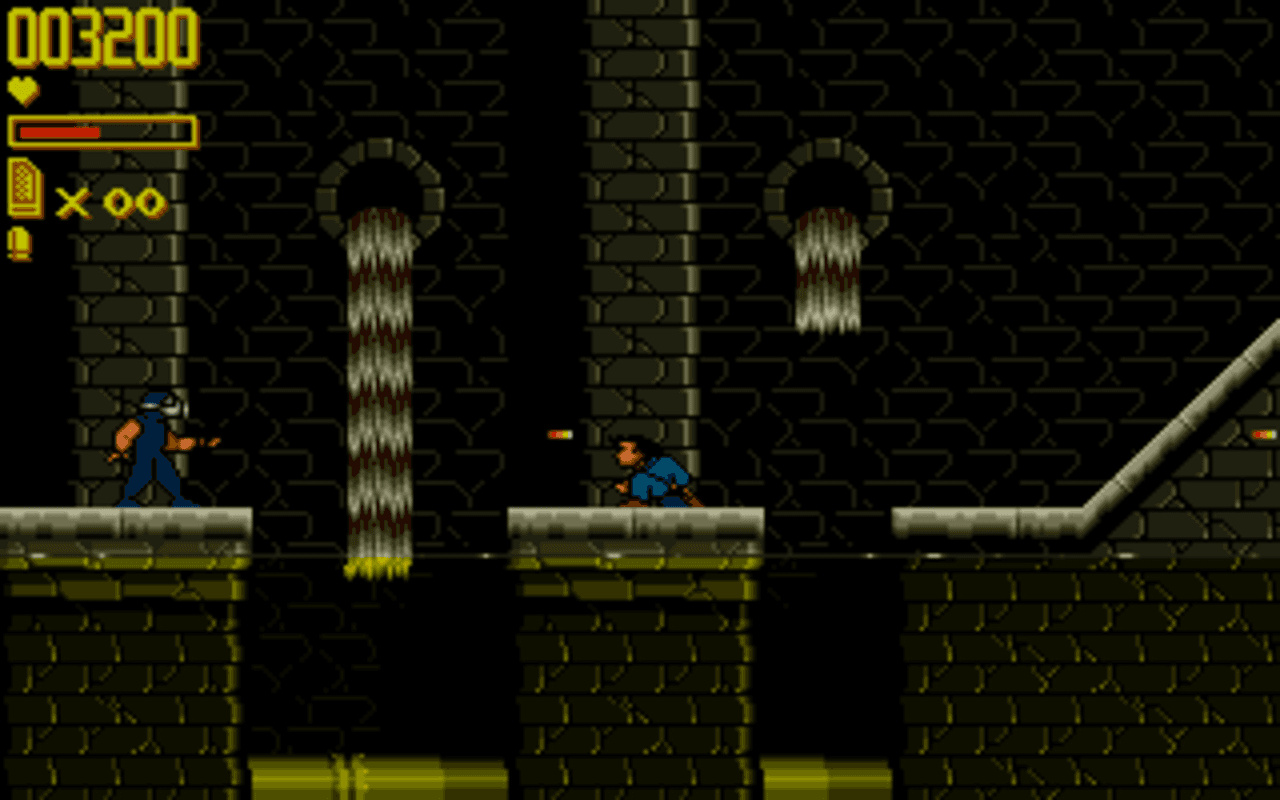
Lethal Weapon aims for a gritty, urban look with readable silhouettes, clear threats, and enough variety to keep stages from blending together. It’s not trying to be delicate; it’s trying to be punchy, with a no-frills presentation that keeps your attention on survival. The difficulty, meanwhile, is part of the identity. This is the type of action game that expects you to improve, not coast, and it rewards the player who treats each death as information: where the ambush triggers, which jump is less safe than it looks, and when a “bold” push forward is actually the right answer. On DOS, the game stands as a snapshot of how publishers like Ocean delivered loud, kinetic entertainment built around repetition, mastery, and that satisfying moment when a once-impossible section finally breaks.
Final take, plus how to control the action
Taken as a whole, Lethal Weapon is a compact, pressure-cooker action game: tough, quick, and eager to keep you moving. It captures the spirit of hard-edged police-movie chaos by turning every screen into a small crisis you have to solve with timing and nerve. Controls are typically straightforward for a DOS action title: move with the directional keys, jump with one action key, fire with another, and use an extra key for secondary items when available; once you find a comfortable hand position, the game becomes a pure test of reactions and pattern learning.
All used codes are publicly available and the game belongs to its original authors.