Planet’s Edge: The Point of No Return and the Allure of Deep-Space RPGs
Planet’s Edge: The Point of No Return, published by New World Computing, arrives from that formative era when designers chased the dream of a “whole universe” inside a single game. It’s a science-fiction role-playing experience built around momentum: not just the speed of a ship in open space, but the sense that each decision nudges you farther from safety and closer to answers you may not like. The title’s subtitle captures the tone perfectly, because the game thrives on commitment. You aren’t dabbling in a quick mission; you’re thrown into a long, uneasy push through the stars where fuel, time, and knowledge feel like currencies that never stretch far enough.
What makes Planet’s Edge stand out is its willingness to mix play styles. Many space RPGs focus on menus, trade routes, and slow-burn navigation. Here, the game wants you to feel the snap between two modes of survival: the tense rhythm of starflight and the grounded uncertainty of stepping onto alien terrain. That split gives the adventure a distinctive character, like a serialized sci-fi tale where every chapter changes the rules without abandoning the central mystery.
Spaceflight Tension in Planet’s Edge: The Point of No Return
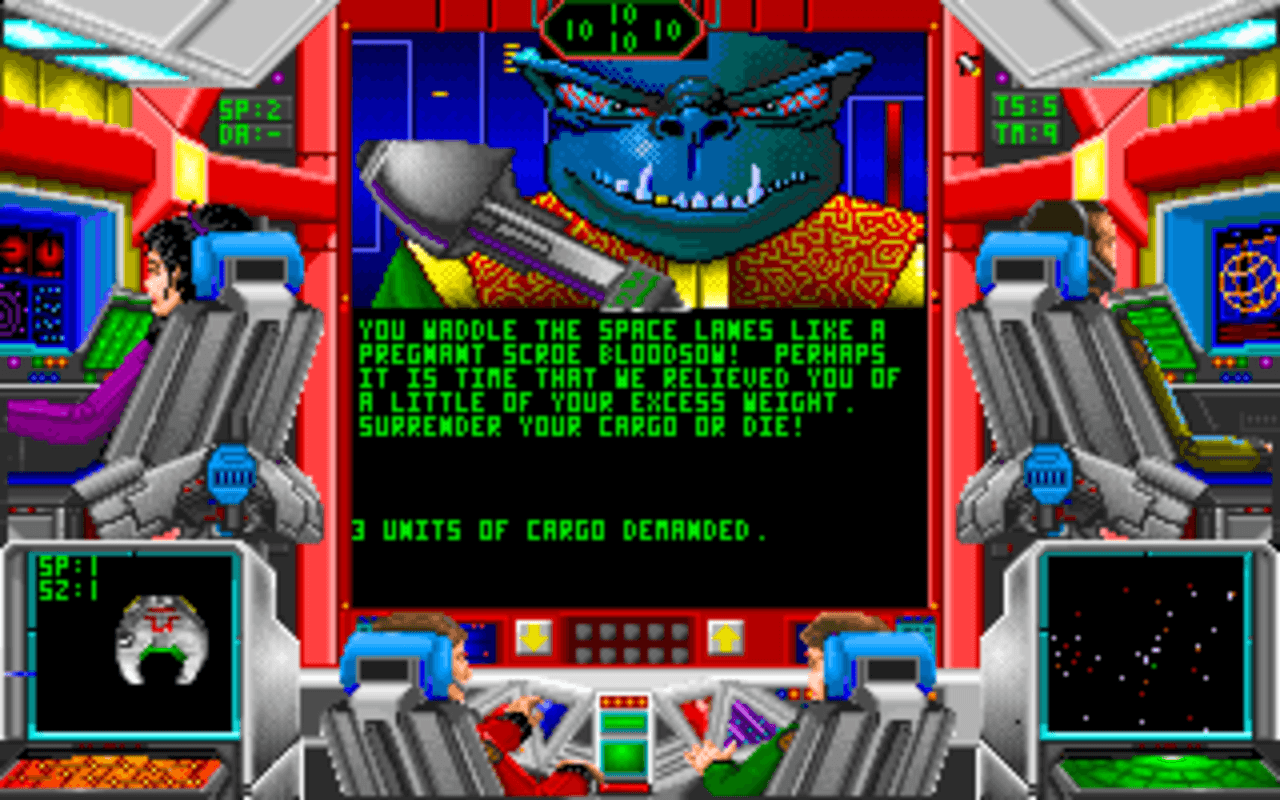
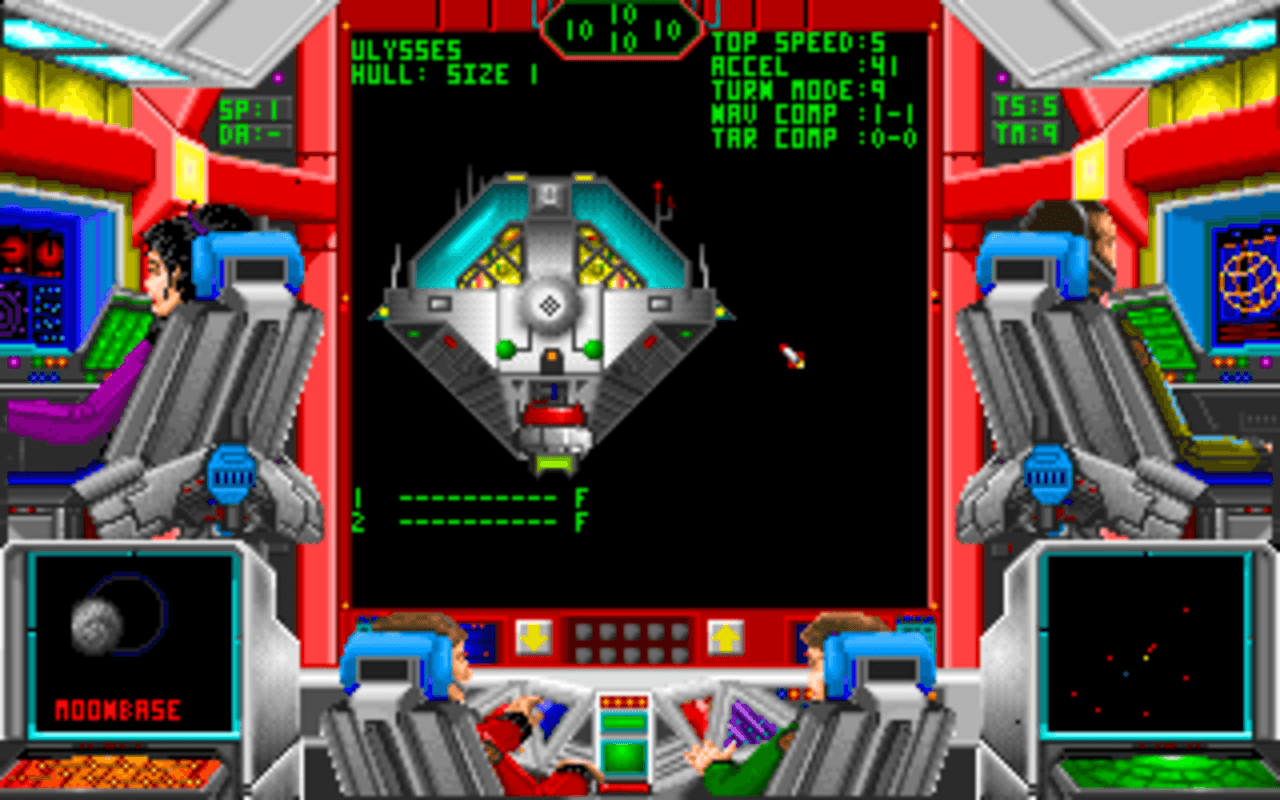
In space, Planet’s Edge leans into urgency. You pilot through sectors that feel dangerous not because they’re packed with scripted set pieces, but because the unknown is always slightly ahead of your sensors. Encounters can turn from routine to disastrous with very little warning, and the game’s atmosphere benefits from that edge-of-the-seat unpredictability. You’re not simply cruising between waypoints; you’re probing a living void where risk is the baseline.
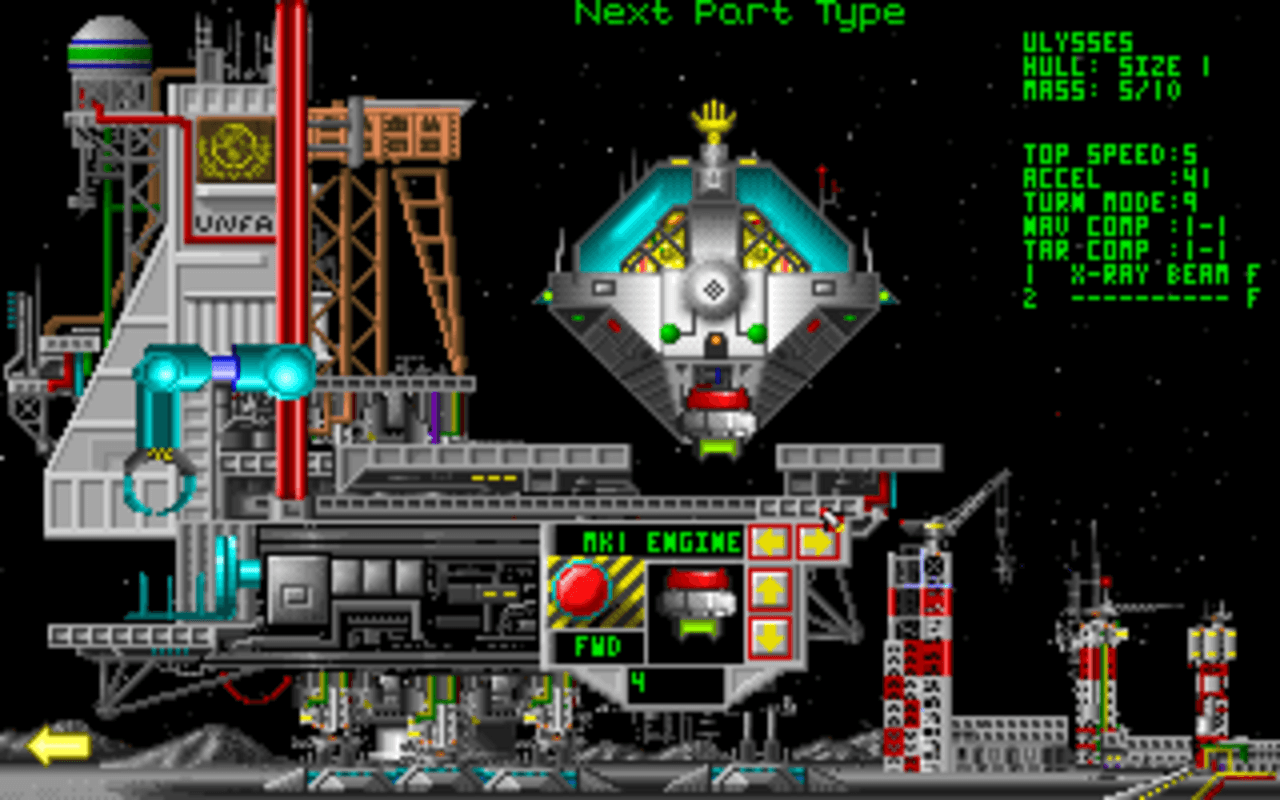
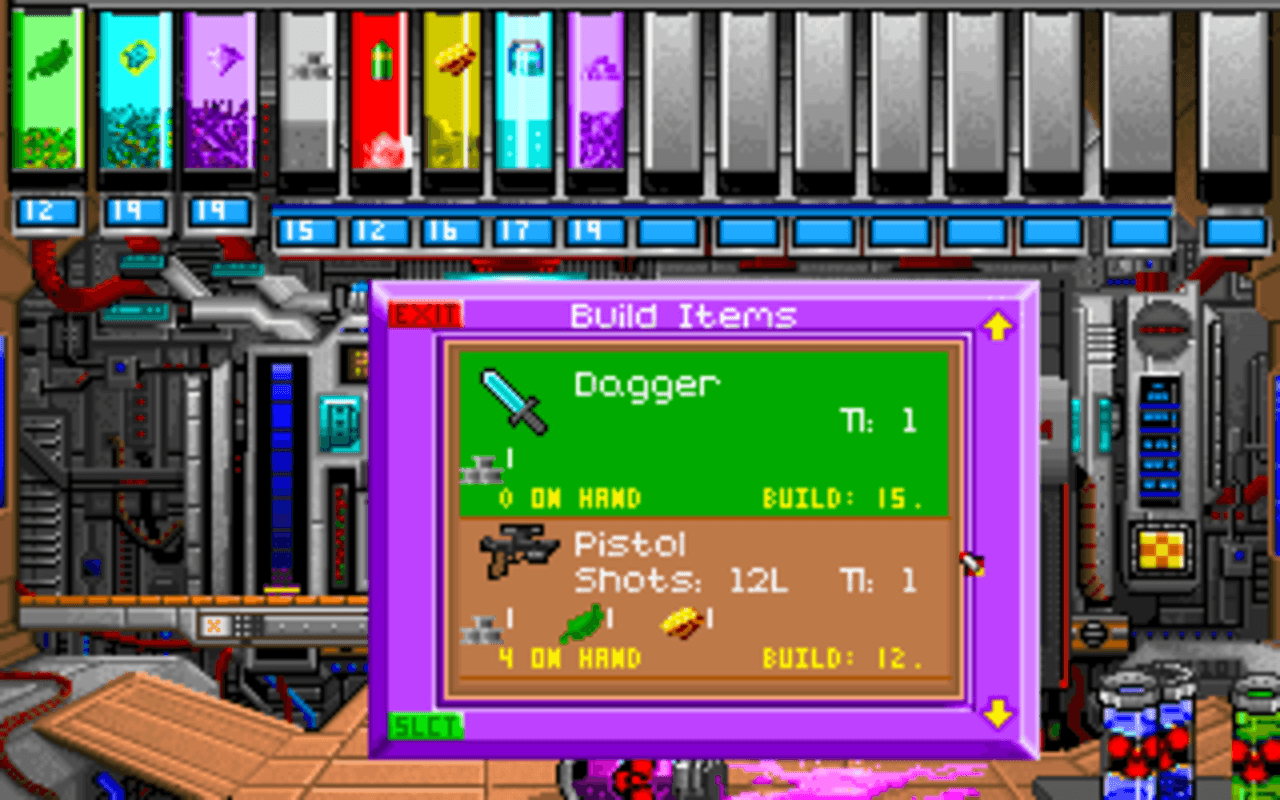
The ship layer also sells a specific fantasy: you are a working crew, not an invincible hero. Systems matter. Equipment matters. Information matters most of all. Each discovery—an unusual signal, a suspicious location, a clue that hints at larger forces—has weight because it changes where you go next and what you can reasonably survive. There’s an old-school bluntness to it: if you overextend, the universe does not politely scale down. That harsh honesty is part of why the game remains so memorable to players who like their sci-fi with sharp corners.
Planetary Exploration, Puzzles, and Turn-Based Threats
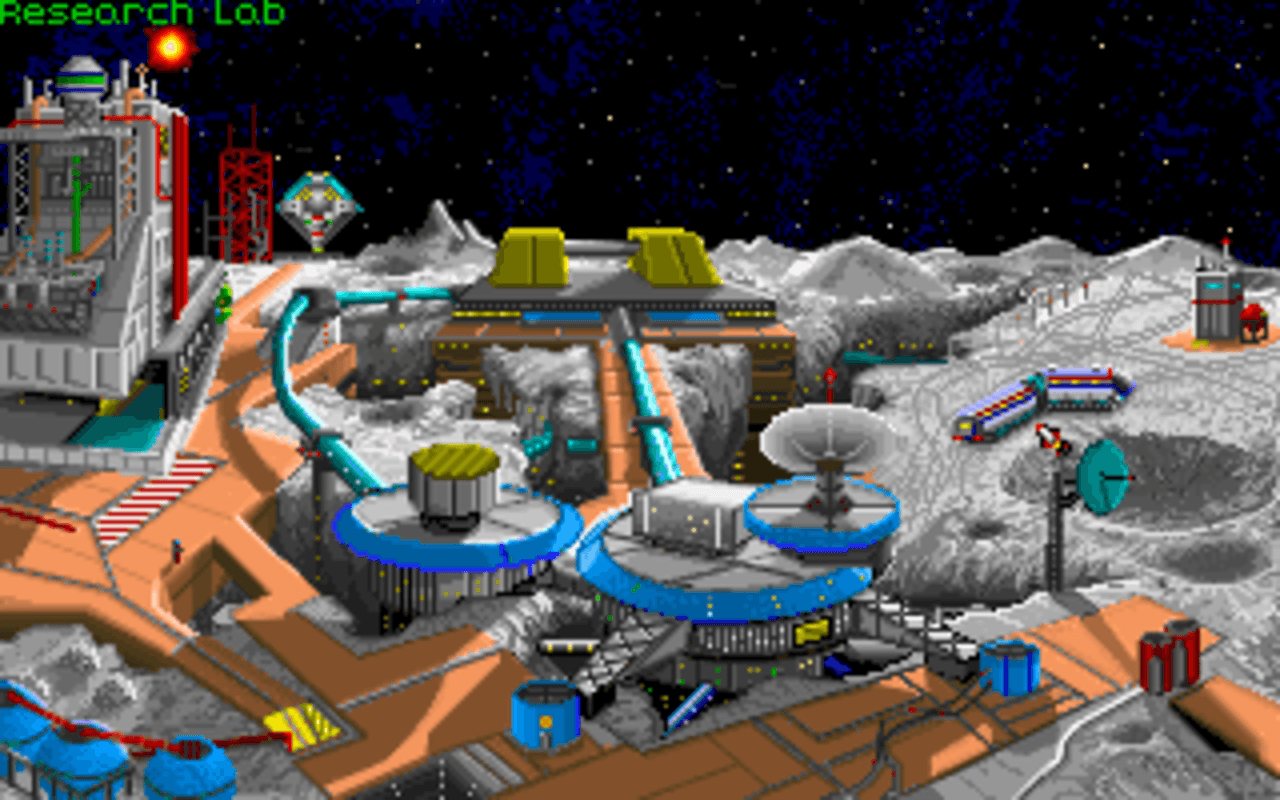
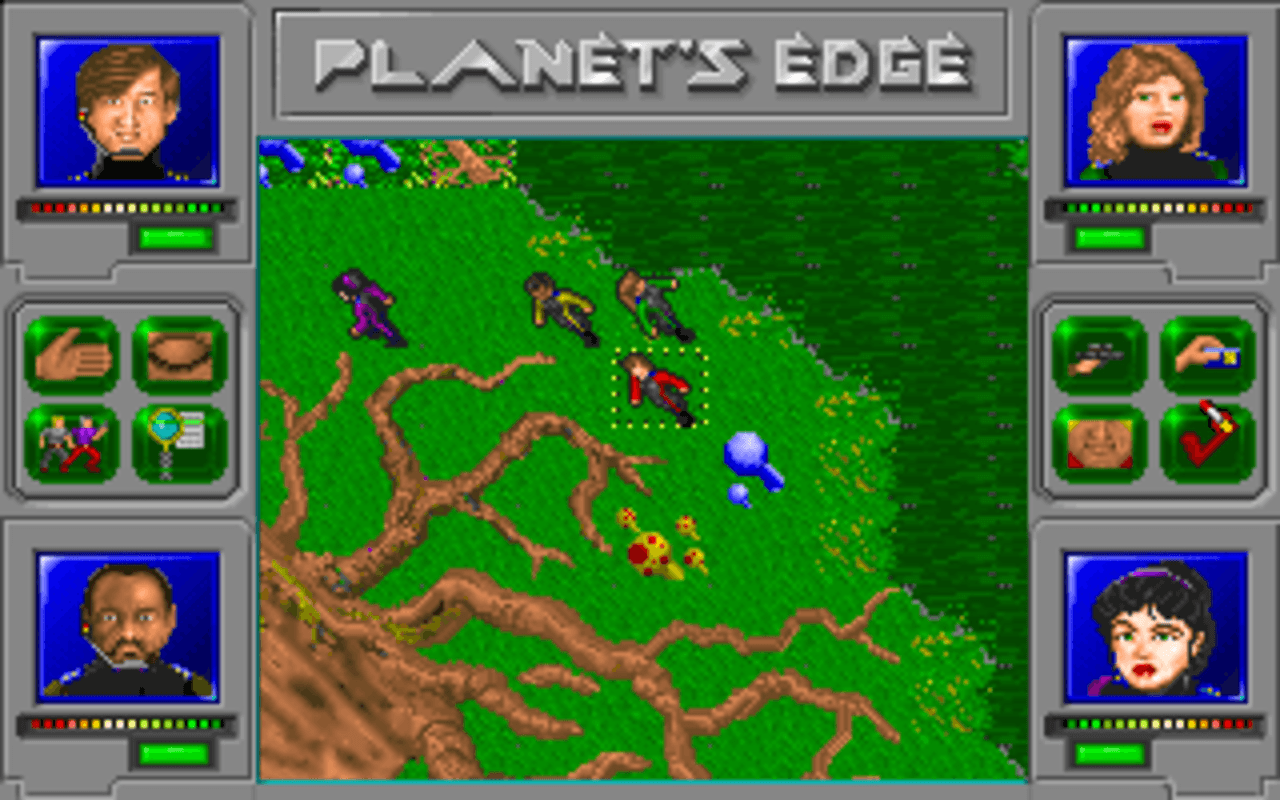
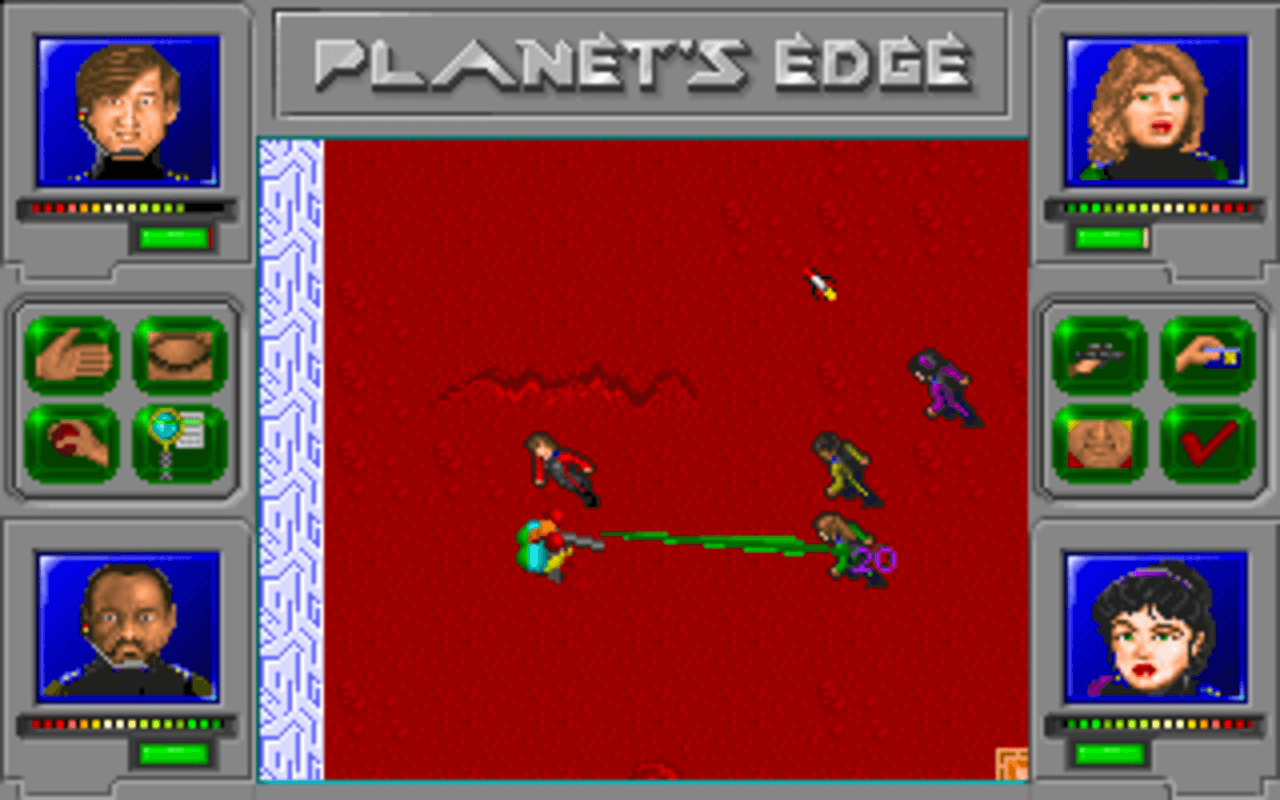
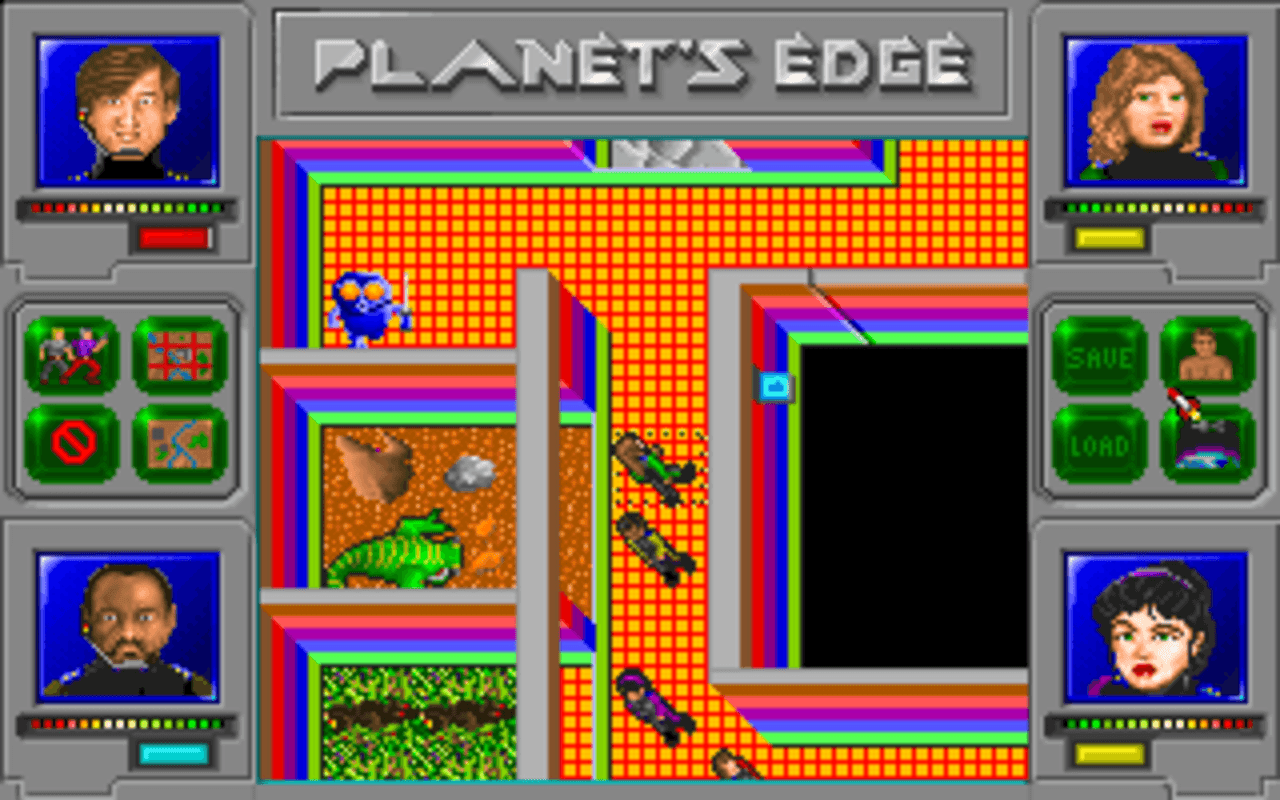
Landing on a planet flips the mood. Suddenly the vastness becomes intimate: corridors, surface zones, alien structures, and strange hazards that can’t be solved by thrust and cannons. Planet’s Edge mixes exploration and problem solving with tactical conflict, often forcing you to read situations rather than simply overpower them. It’s the kind of game where a “small” detail can be the hinge for a whole sequence: an odd device, a pattern in the environment, a clue embedded in the world’s logic.
This is also where the RPG identity asserts itself. Your crew and their capabilities shape how comfortable you feel taking chances, and the best moments come from that blend of curiosity and caution. You want to press deeper because the story invites it, but the planets frequently remind you that being bold and being prepared are not the same thing. The result is a satisfying push-pull: exploration feels earned, and victories feel like you out-thought the setting rather than merely out-leveled it.
Play Planet’s Edge: The Point of No Return online
Playing Planet’s Edge: The Point of No Return online preserves what’s most exciting about it: the ability to jump straight into a sprawling sci-fi game and start making meaningful decisions immediately. It can be played free, in a browser, and on mobile devices without restrictions, which fits the game’s pick-up-and-push-forward energy. The adventure is built from episodes of discovery—launch, investigate, land, survive, learn—so it adapts well to both short sessions and long deep dives.
The online experience also highlights how confidently the game blends genres. You can feel the lineage to classic space exploration RPGs, yet Planet’s Edge has its own personality: a slightly more urgent pulse in space, and a more puzzle-tinged flavor on the ground. If you enjoy games that reward note-taking, pattern recognition, and measured risk, Planet’s Edge still feels surprisingly modern in its expectations. It doesn’t hand you easy certainty; it asks you to experiment, interpret, and commit.
Why Planet’s Edge Still Feels Like a Cosmic Gamble Worth Taking
What ultimately sells Planet’s Edge is tone. The narrative premise drives you forward with a strong central question, but the day-to-day play keeps you engaged through variety: scanning the unknown, dealing with sudden dangers, piecing together scattered clues, and stepping onto worlds that seem to have their own rules. That variety could have become messy, yet it often lands as adventurous, like a pulp sci-fi series that isn’t afraid to switch from cockpit thrills to boots-on-the-ground dread.
Planet’s Edge isn’t about perfect smoothness; it’s about scope and imagination. It offers a universe that feels bigger than you, and it asks you to act like a fragile explorer instead of a chosen one. When everything clicks—when a clue leads to a risky jump, when a landing turns into a tense puzzle sequence, when survival depends on attention rather than brute force—you get the kind of satisfaction that only ambitious classics can deliver.
Planet’s Edge: The Point of No Return is a boldly blended sci-fi RPG game that marries spaceflight pressure with planetary exploration and mystery-driven progression. For controls, expect straightforward movement and action inputs during flight and exploration, with clear menu-driven commands for managing crew decisions, equipment, and tactical choices as situations demand.
All used codes are publicly available and that the game belongs to its original authors.