Realistic space shuttle simulation from Virgin Games
Shuttle: The Space Flight Simulator is a classic space flight simulation game created for DOS by Virgin Games at the height of interest in realistic PC simulators. Instead of jets, tanks or racing cars, this game focuses entirely on the Space Shuttle, portraying it not as an arcade rocket but as a complex spacecraft operated by a trained crew following strict procedures. From the very first launch countdown, Shuttle sets out to show what a mission really feels like when every switch, display and decision matters.
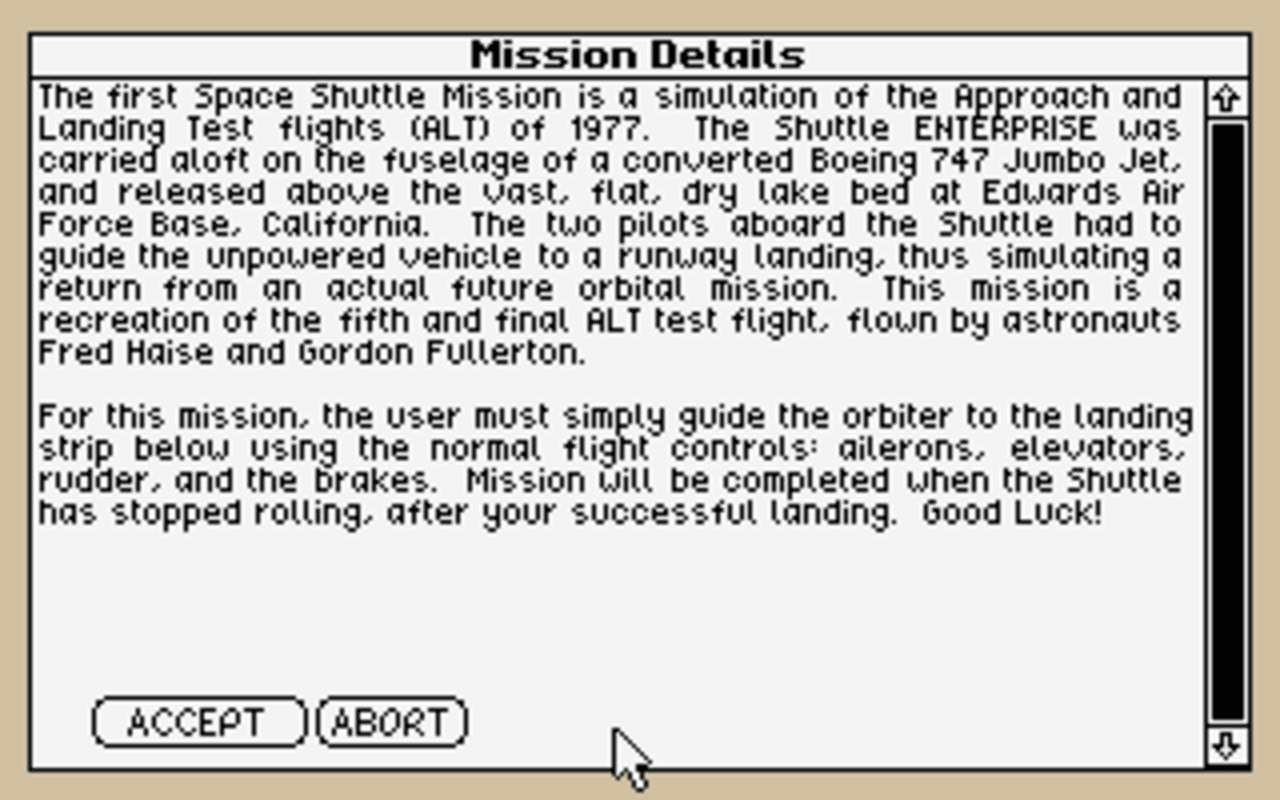
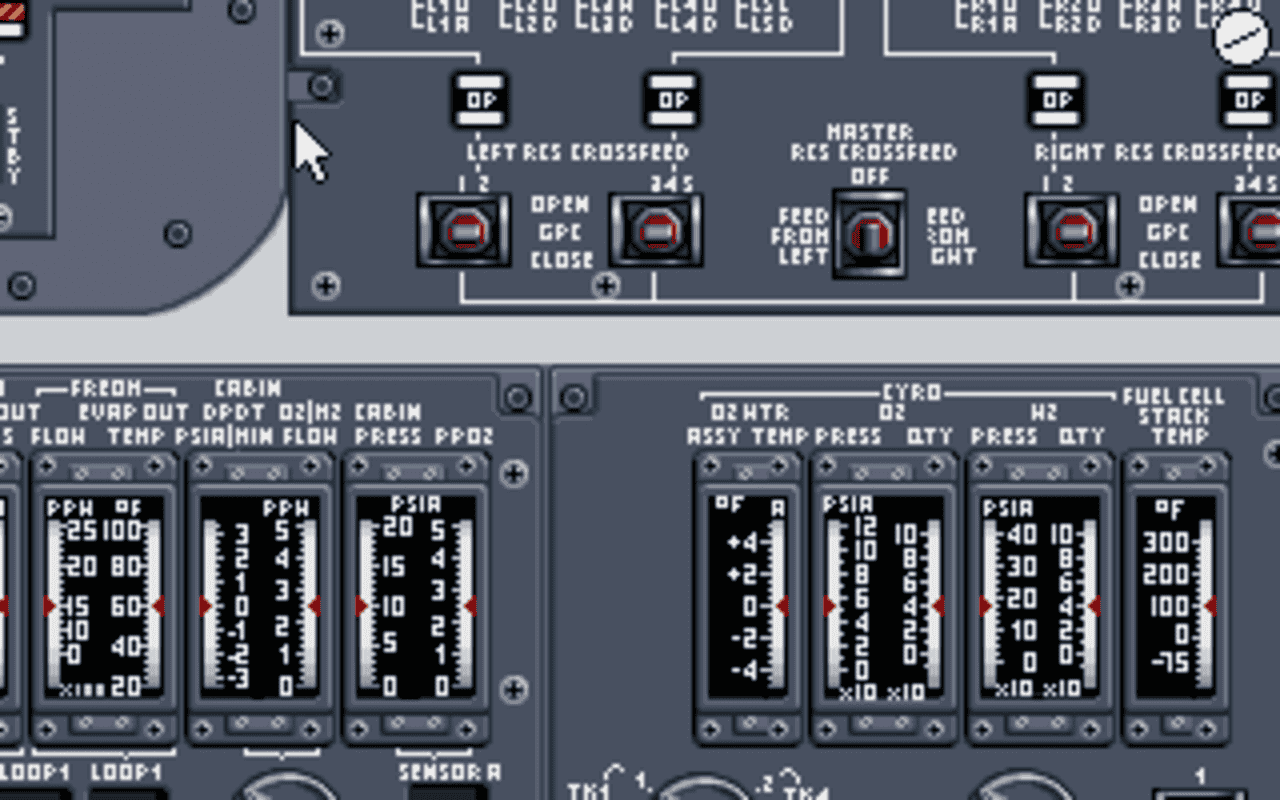
The game’s structure revolves around a series of missions inspired by historical shuttle flights. You might deploy a telescope, repair a crippled satellite or perform orbital maneuvers that demand precise timing and accurate burns. Rather than pushing you into instant action, Shuttle invites you to learn, study and experiment. The cockpit panels are densely packed with systems, and each one has a purpose, from guidance and navigation to environmental controls and payload operations. It is the sort of game that rewards patience, curiosity and a fascination with real-world space technology.
Deep missions, detailed cockpit and authentic procedures
What truly defines Shuttle: The Space Flight Simulator is the depth of its mission design and cockpit simulation. The game offers a full flight profile, from pre-launch checks on the pad through ascent, orbital operations, de-orbit burn, re-entry and landing. Instead of a handful of generic tasks, missions are crafted to mimic the objectives, constraints and rhythm of real shuttle flights, including satellite deployment, rendezvous and delicate manipulator arm work in the payload bay.
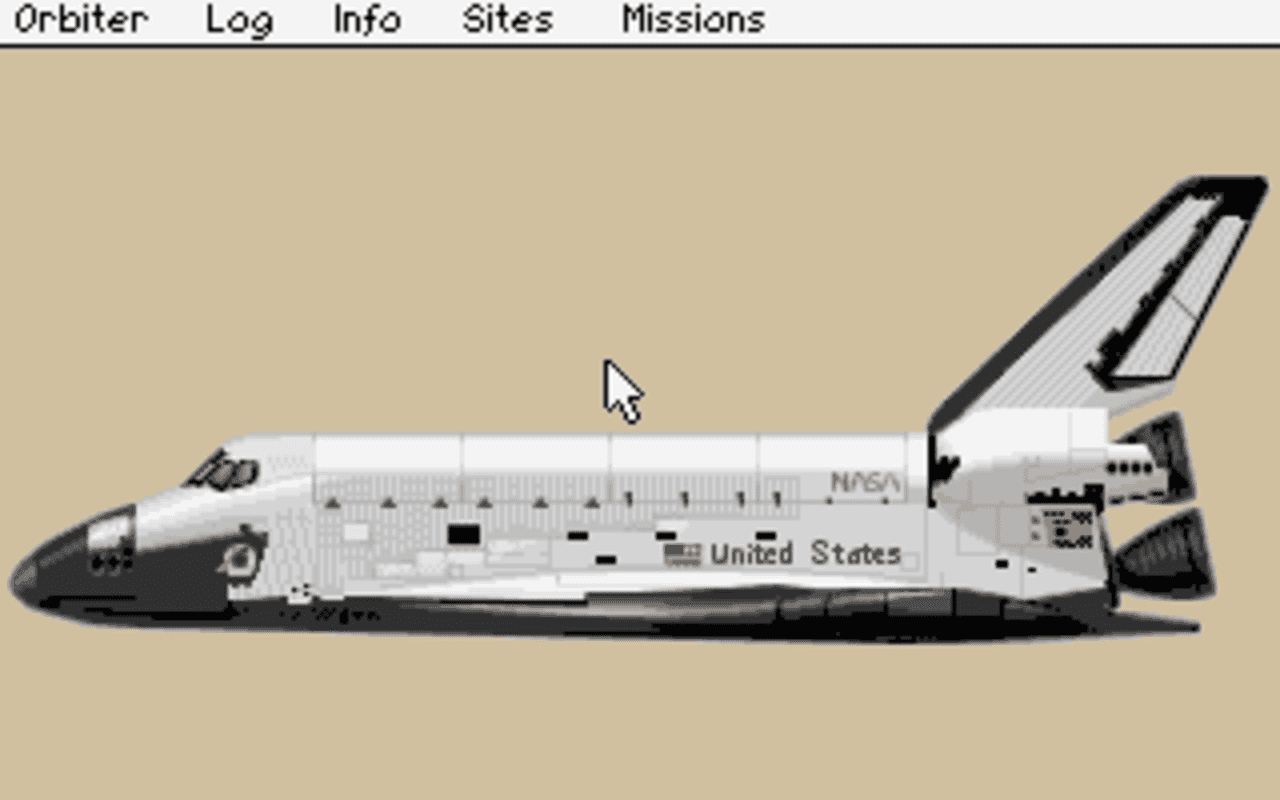
Inside the cockpit, you are surrounded by an array of functional instruments. Multi-function displays show orbital parameters and attitude. Flight directors and artificial horizons guide you during ascent and re-entry. The overhead and center panels house rows of switches for power systems, engines and auxiliary units. The sense of immersion comes from learning what these controls do and how they interact, gradually building an understanding of how the shuttle behaves in atmosphere and in vacuum. The designers even support this with in-game reference material that explains major shuttle systems, helping players bridge the gap between game interface and real aerospace concepts.
Communication and guidance are delivered through an on-screen teleprinter that scrolls mission messages, instructions and status updates. When you are required to operate a specific control, the interface can highlight the relevant panel, making it easier to locate the correct switch while still encouraging you to remember the layout over time. This blend of assistance and authenticity makes Shuttle demanding but fair, as long as you are willing to read and follow procedures carefully.
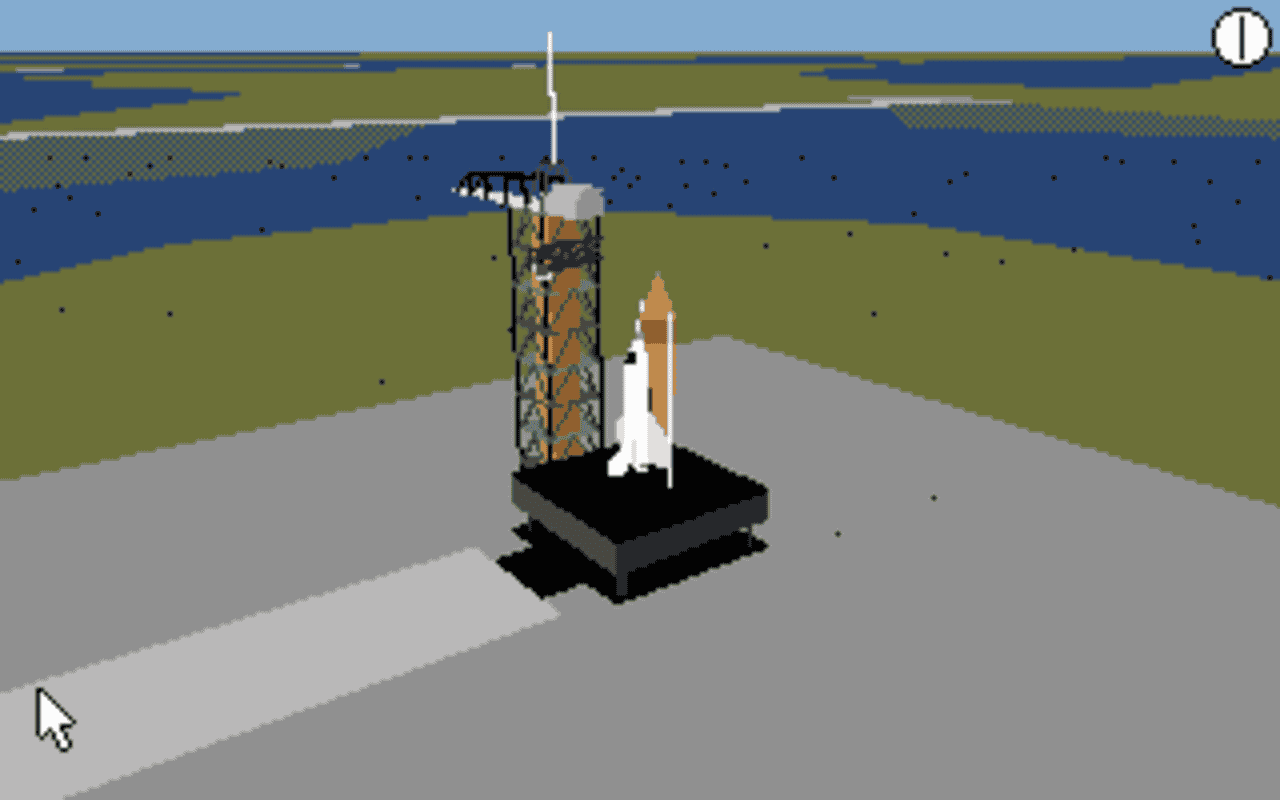
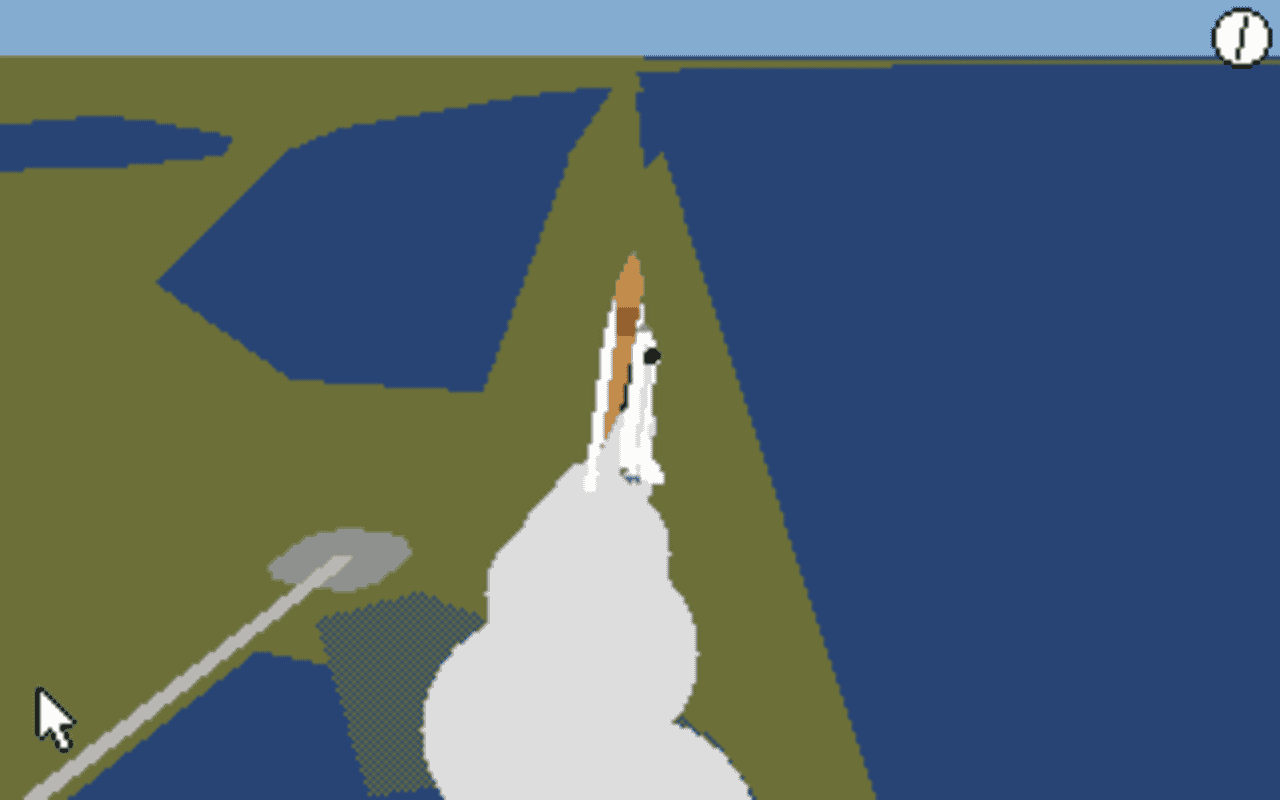
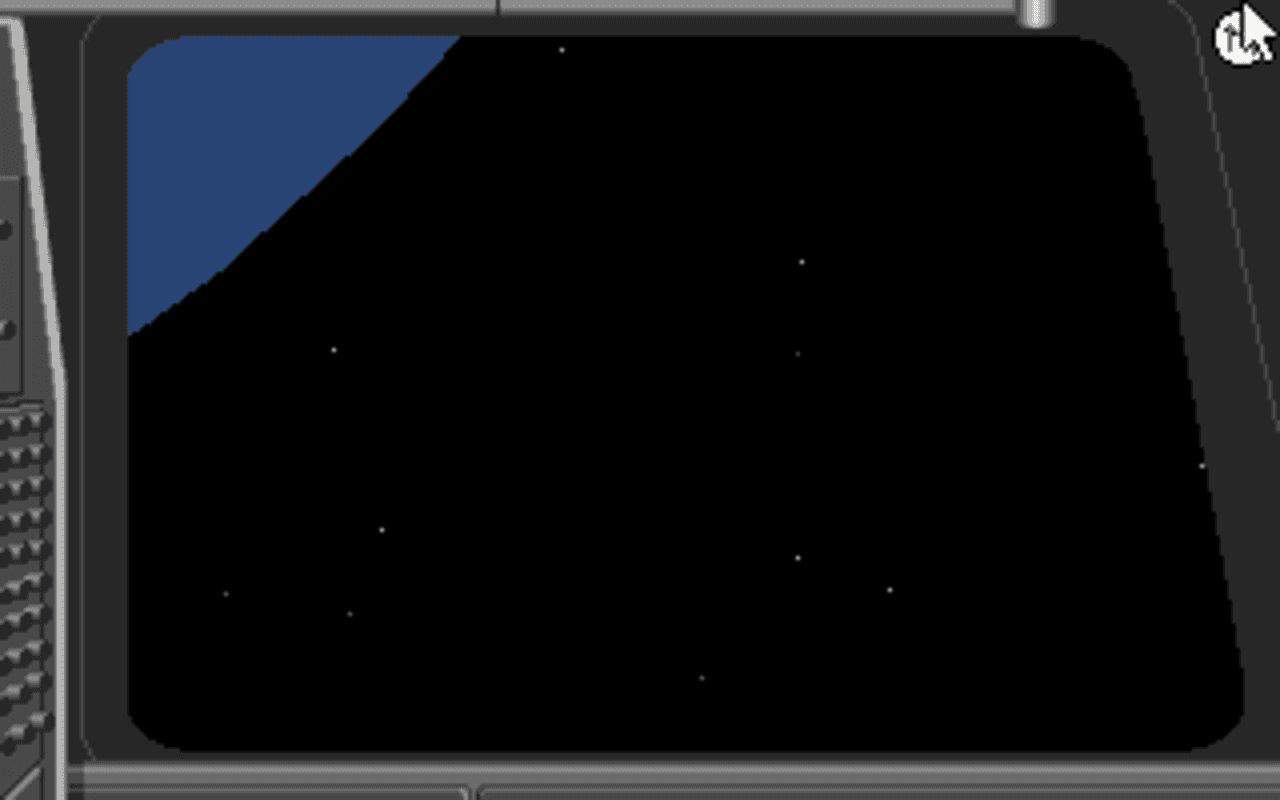
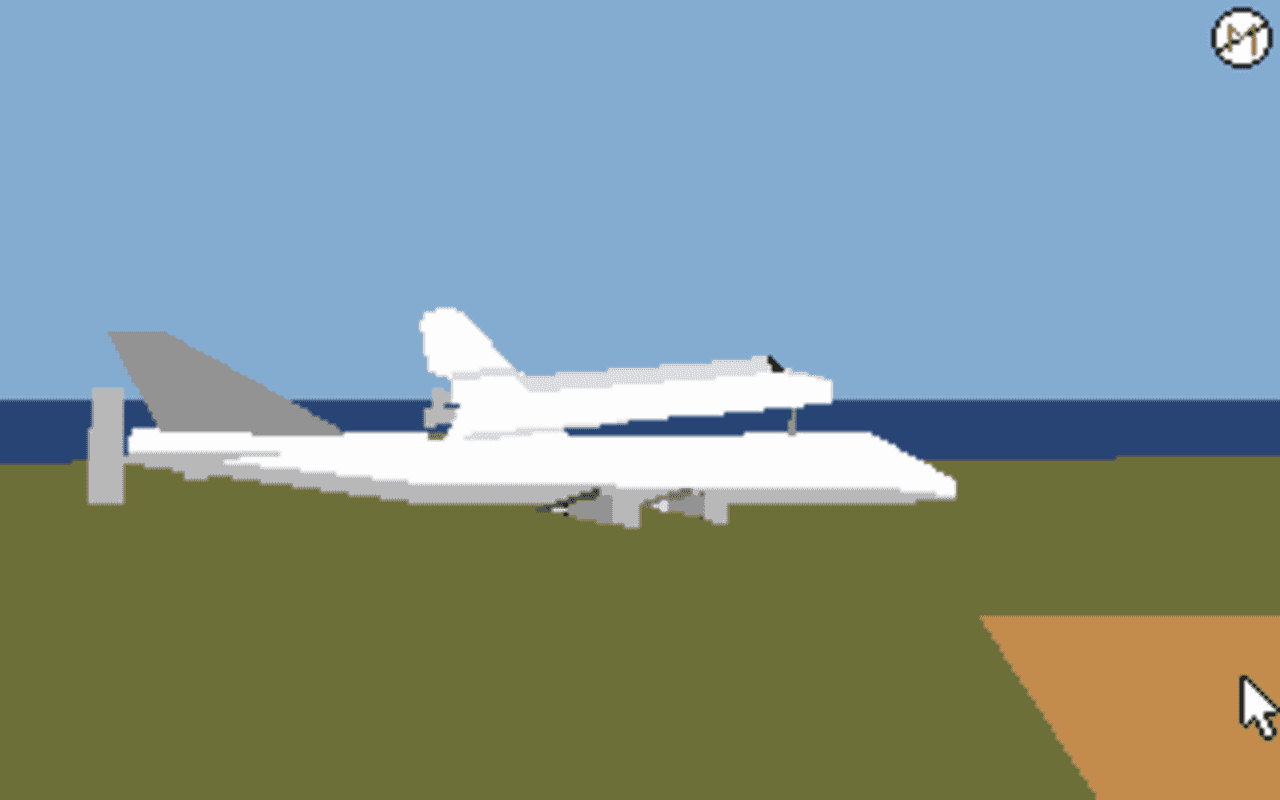
From a visual standpoint, Shuttle combines instrument-heavy cockpit views with external perspectives. You can watch the spacecraft ride its plume of fire at launch, drift weightless above the planet, or roll gracefully on final approach to the runway. The game also provides camera angles through various shuttle windows and payload bay viewpoints, reinforcing the feeling that you are moving around a real working spacecraft rather than a simple 3D model.
Play Shuttle: The Space Flight Simulator online
Today, Shuttle: The Space Flight Simulator can be played online, allowing space enthusiasts to experience this classic game in a modern browser without additional hardware or complex setup. In this form, it becomes easy to dip into a mission, experiment with launches and orbits, and appreciate the attention to detail that Virgin Games poured into every panel and checklist. The online version maintains the full depth of the original simulation, so you still need to study the instruments, understand orbital mechanics and plan your maneuvers.
Being able to play Shuttle: The Space Flight Simulator online for free lowers the barrier of entry for curious players who might once have been intimidated by thick manuals and installation steps. You can launch directly into the cockpit and begin learning at your own pace, repeating missions as often as you like. The game’s interface translates well to browser play, and its focus on reading gauges, typing commands and toggling switches makes it naturally suited to keyboard and mouse controls across many devices.
Because the game can now be enjoyed on mobile devices as well, Shuttle reaches a new audience of players who can explore realistic space flight on the go. Touch controls can replicate key functions, and the slower, methodical style of gameplay fits short sessions or longer mission runs equally well. In this form, Shuttle: The Space Flight Simulator can be played in a browser, on mobile devices and without restrictions, preserving the original challenge while making it accessible whenever the urge to command a shuttle hits.
A demanding classic for serious space and simulation fans
Shuttle: The Space Flight Simulator is not a casual game, and that is part of its lasting appeal. The learning curve is steep, especially for players unfamiliar with flight simulators or orbital mechanics. The game expects you to read mission briefs, follow lengthy sequences of actions and interpret technical displays. For those who embrace that challenge, however, there is a powerful sense of satisfaction that comes from executing a flawless launch, achieving the correct orbit or bringing the shuttle safely back through the atmosphere to a precision landing.
The simulator also stands out for its atmosphere. The quiet moments in orbit, the slow rotation of Earth beneath the shuttle and the hum of background systems create a mood that is very different from action-oriented space games. There are no dogfights or alien invasions here; instead, the drama comes from solving complex problems, timing burns and staying ahead of checklists. It is closer to a professional training tool than a typical game, yet it still retains a strong sense of adventure because every mission feels like a genuine voyage into space.
Compared with many contemporaries, Shuttle is particularly notable for its focus on the space program itself. While other simulators might emphasize military aircraft or civilian aviation, this game celebrates the engineering and operations of the shuttle era. Players who enjoy learning how things work will find themselves reading about reaction control systems, re-entry profiles and orbital rendezvous techniques, and then applying that knowledge directly in the cockpit. For enthusiasts of aerospace history and realistic simulators, this combination is especially compelling.
Shuttle: The Space Flight Simulator is a demanding but rewarding experience that invites players to step into the role of a shuttle commander and take responsibility for every stage of the mission. It shines when approached with patience and curiosity, and it continues to offer a distinctive kind of immersion that few other games attempt: a faithful simulation of real-world space operations. Controls typically rely on the keyboard for precise inputs, with additional use of the mouse for panel navigation and interaction with the cockpit’s many switches and displays, making careful, deliberate actions the key to success.
All used codes are publicly available and the game belongs to its original authors.