Sleepwalker and the art of guarding a dreamer
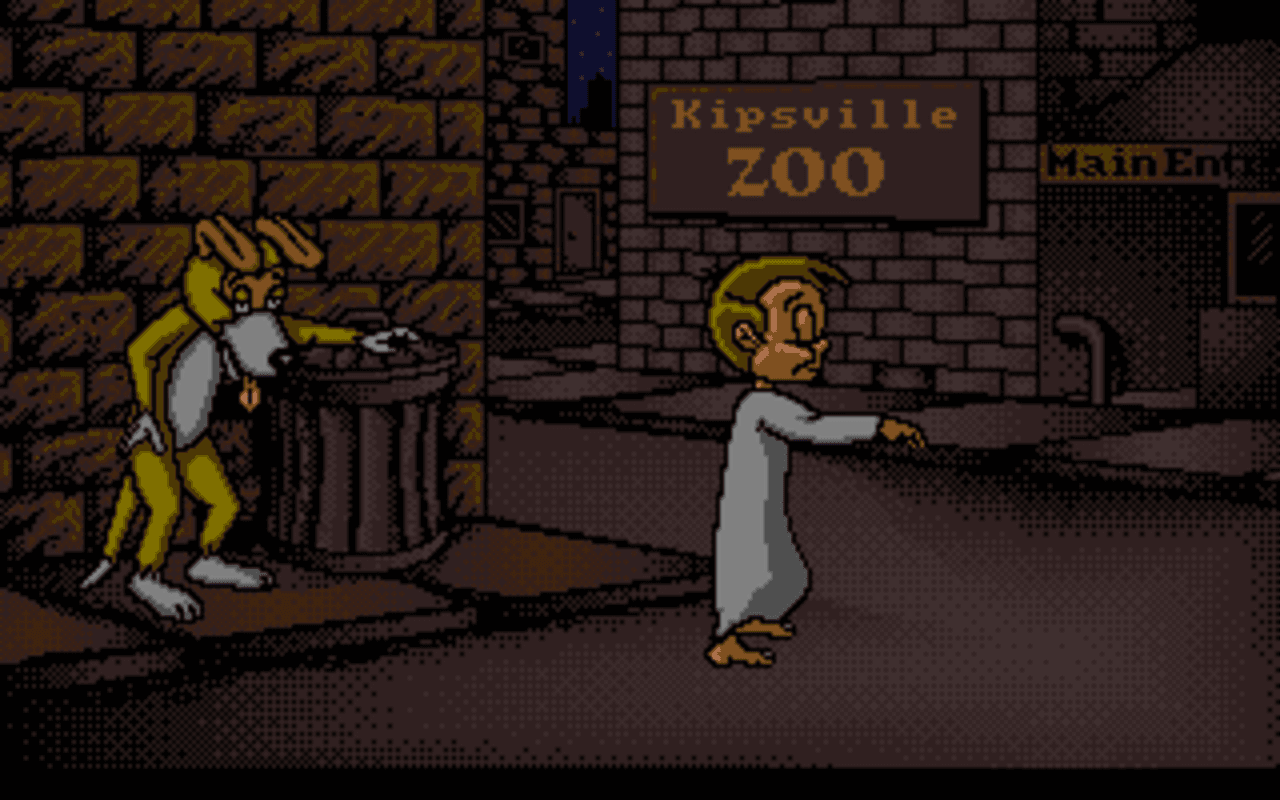
Sleepwalker is one of those DOS games that immediately stands apart because its central idea is so easy to understand and so hard to forget. Released for DOS in 1993, the game was developed by CTA Developments and published by Ocean Software. Instead of casting the player as a warrior, racer, or treasure hunter, it puts the spotlight on Ralph, a faithful dog trying to protect a boy named Lee, who is wandering through the night while still asleep. That single twist gives Sleepwalker its identity and shapes everything that follows, turning a familiar side-scrolling game into something more inventive and more character-driven.
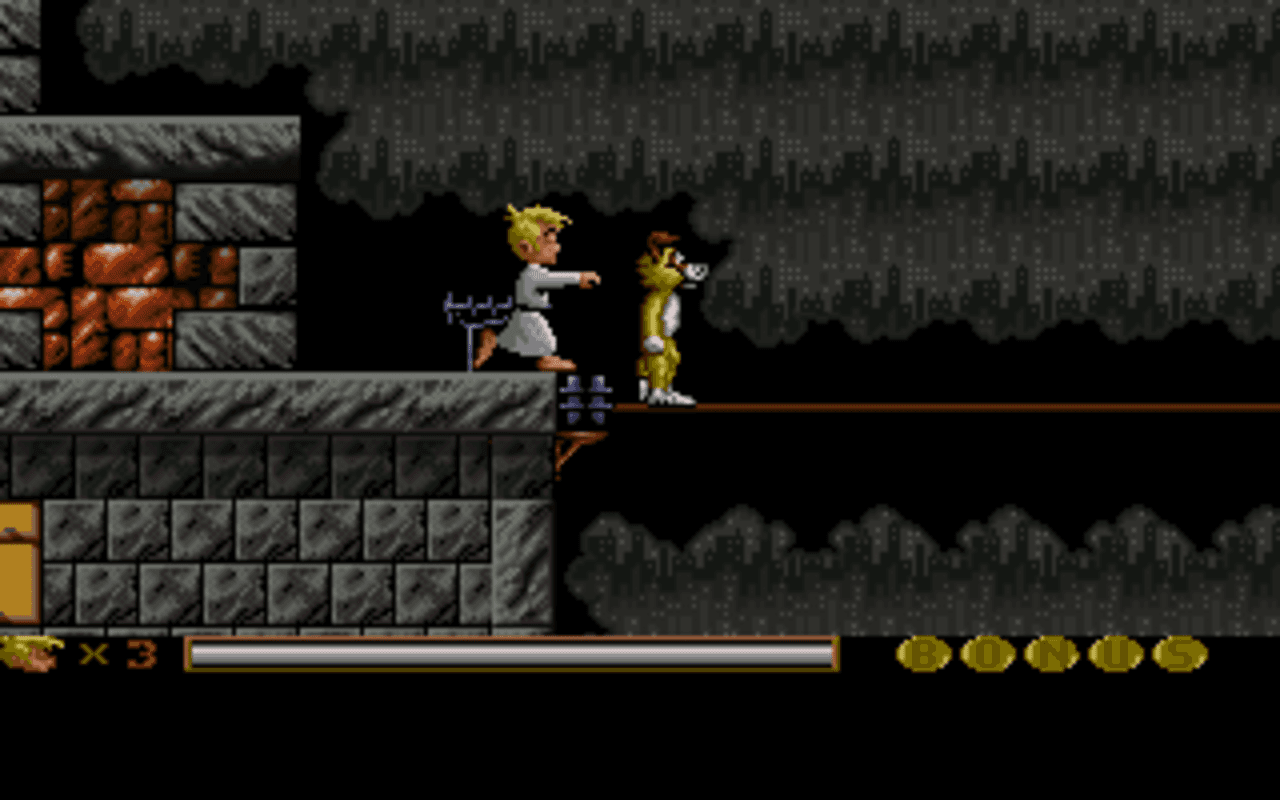
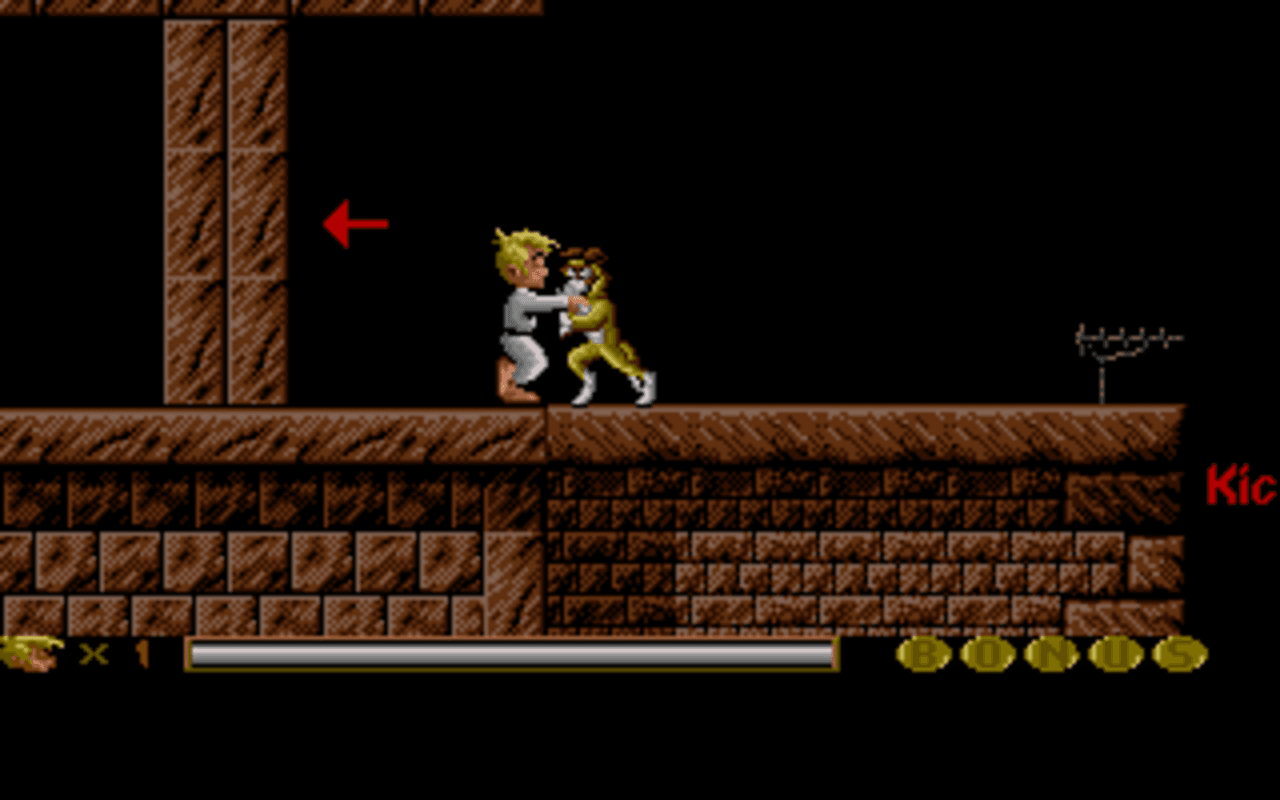
What makes the premise especially effective is that it transforms a simple platform setup into an active rescue mission. Lee keeps moving, unaware of the dangers around him, while Ralph runs ahead, deals with enemies, interacts with objects, and tries to make the route safe. The player is therefore always balancing urgency with awareness. It is not enough to survive; the real task is to protect someone else. That protective structure gives the game a tone that feels playful and tense at the same time, and it helps Sleepwalker remain memorable among classic DOS releases.
Sleepwalker also has an interesting place in gaming history because it was associated with Comic Relief, which gave the project an extra layer of personality and helped it stand out from more routine platform releases of its era. Even without relying on that context, though, the game still holds attention because its design is built on a strong idea rather than novelty alone. The concept remains clear, readable, and engaging for anyone returning to retro action games today.
Why Sleepwalker feels different from other platform game classics
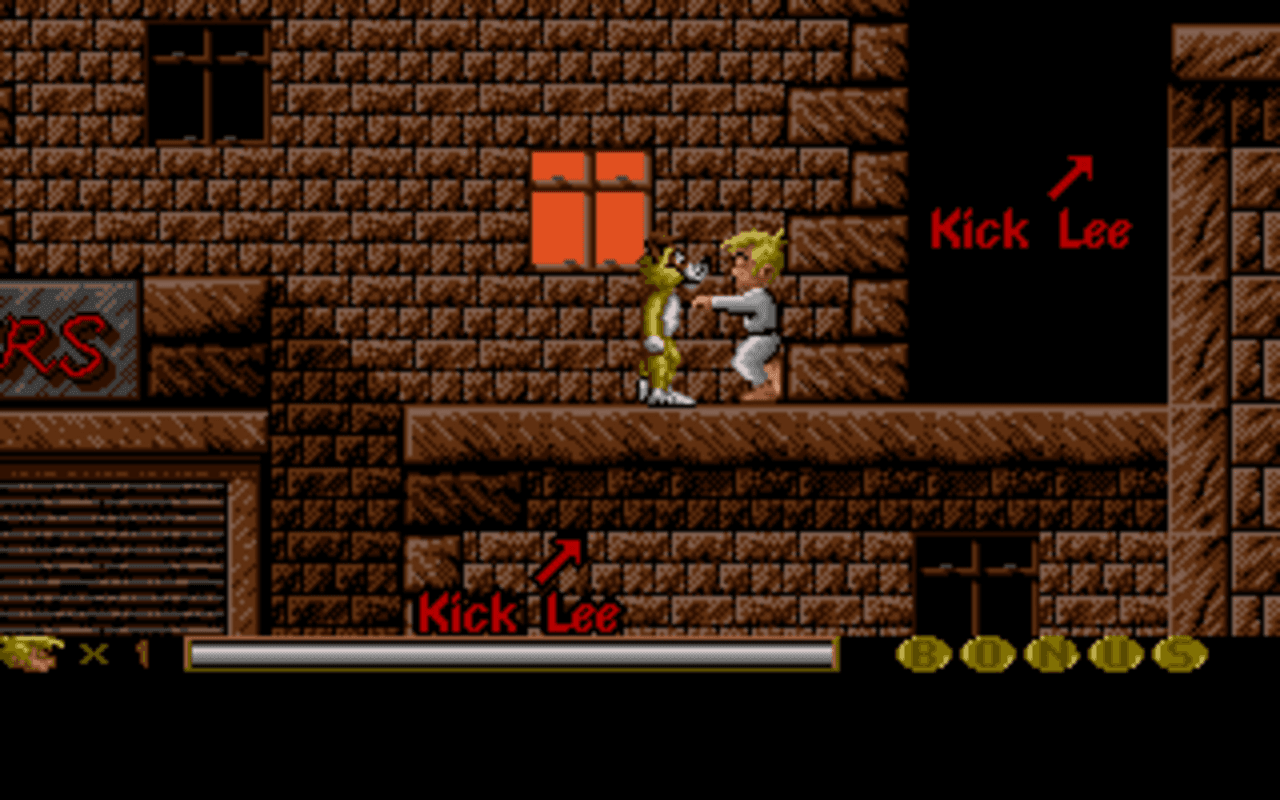
Many platform games ask the player to think about timing, jumps, and enemy patterns. Sleepwalker does that too, but it adds a companion-protection structure that changes the mood of play. Ralph is agile and active, yet the entire game revolves around Lee’s vulnerable movement. Because Lee is not directly controlled, every scene gains a small sense of unpredictability. The player begins reading the screen in a different way, watching not only hazards but also distances, movement flow, and how quickly Ralph can respond before trouble reaches the sleepwalker.
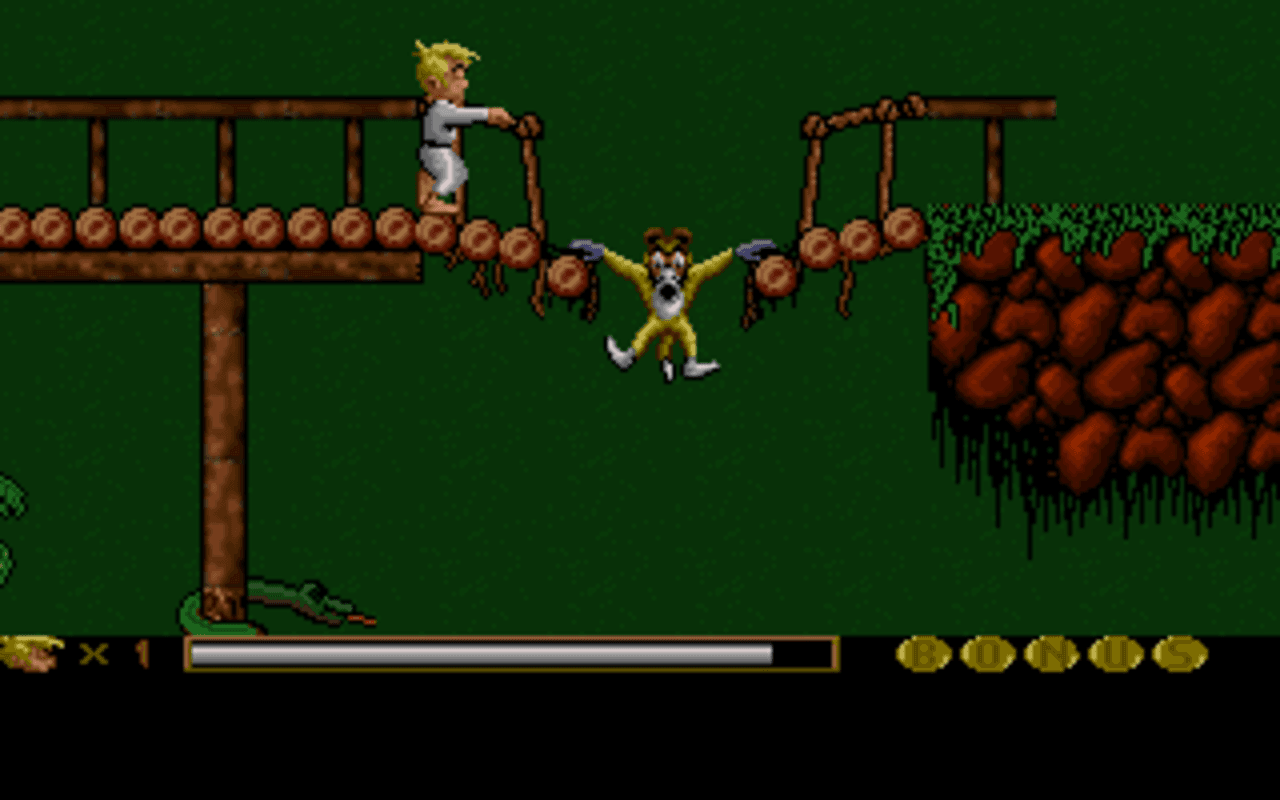
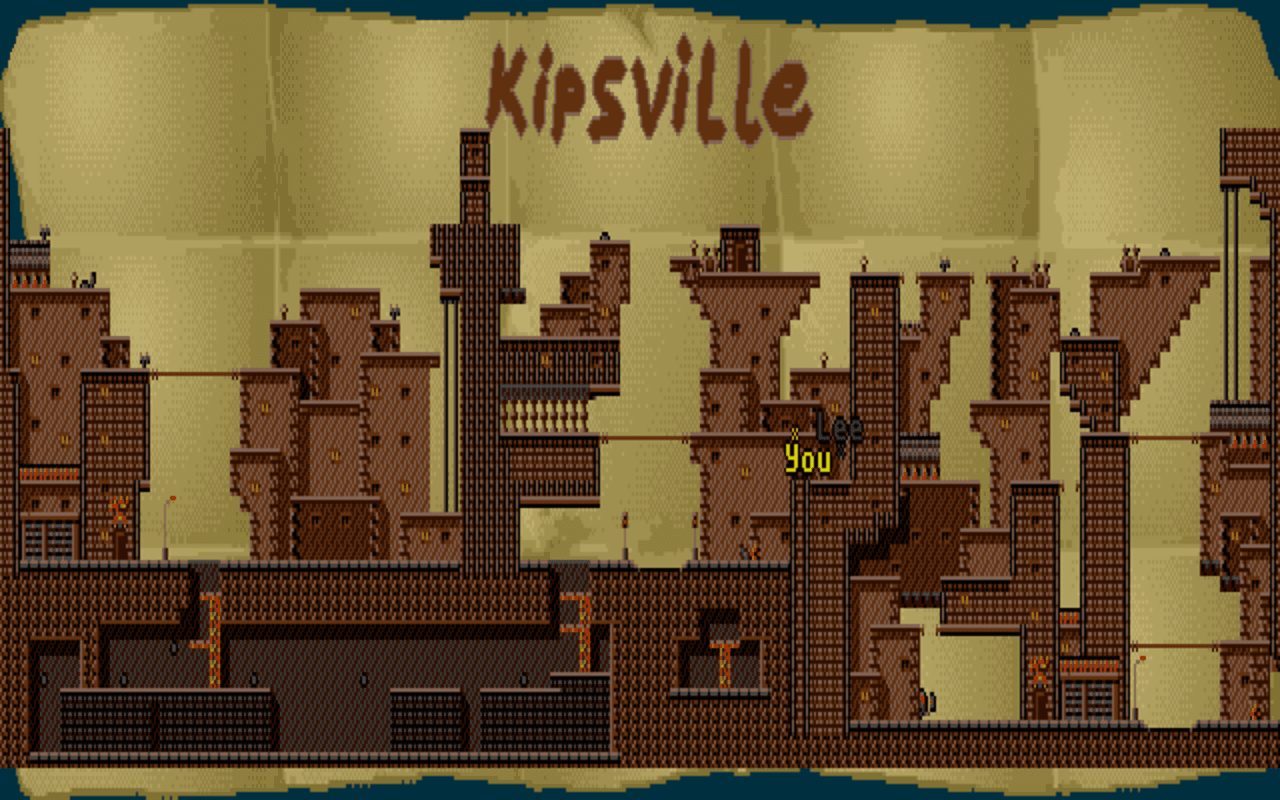
This design makes Sleepwalker feel part action game, part puzzle game. Enemies and environmental dangers create pressure, but success often comes from anticipation rather than brute force. The player learns to move ahead, react quickly, and treat each area as a problem to be managed. That mix gives the game a flavor that can remind players of indirect-control classics, yet Sleepwalker keeps its own identity through its animated style and dog-centered heroics. Ralph is not simply a secondary character; he is the heart of the experience, and his role gives the whole adventure warmth as well as tension.
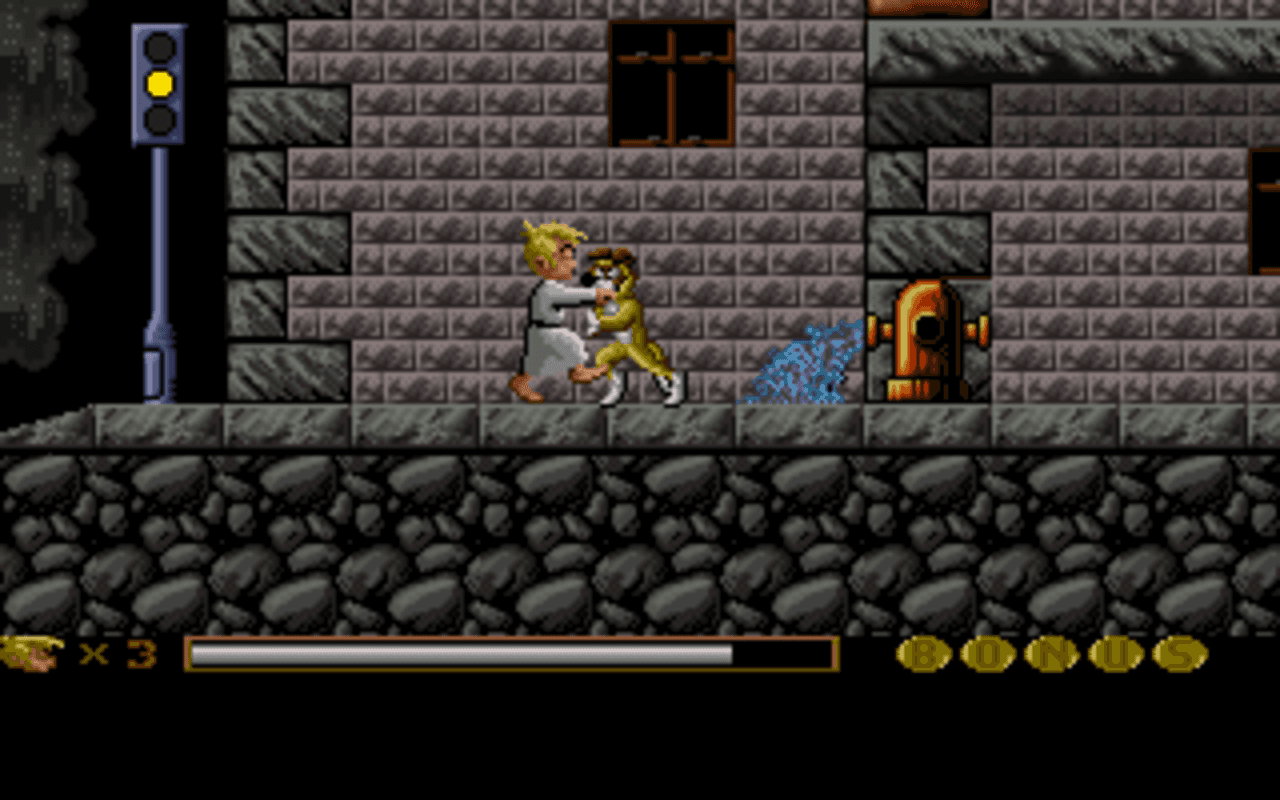
The visual tone also deserves praise. Sleepwalker uses a cartoon spirit that suits its premise perfectly. A game about a sleepwalking child could have been strange in a cold or abstract way, but here the presentation keeps things lively and approachable. The result is a world full of exaggerated hazards, expressive movement, and a comic-energy atmosphere that supports the escort gameplay rather than distracting from it. That lightness is important because it prevents the protective mechanics from feeling stressful in the wrong way. The challenge is real, but the mood stays bright and entertaining.
Ralph, Lee, and the charm that keeps Sleepwalker memorable
A great many retro games are remembered for mechanics alone, but Sleepwalker has a stronger personality than that. Ralph and Lee are simple characters, yet their relationship is instantly readable. One is unaware and drifting through danger, the other is alert and loyal. Without needing heavy dialogue or elaborate storytelling, the game creates a premise that gives every level purpose. The player is not merely reaching an exit; the player is caring for another character. That sense of guardianship gives Sleepwalker a soft emotional core that many action titles never attempt.
Because of that setup, victories feel satisfying in a specific way. It is rewarding not just to clear obstacles, but to do so cleanly enough that Lee continues his nighttime walk unharmed. The best moments come when the player starts anticipating danger before it becomes immediate, moving Ralph with confidence and using the game’s rhythm to stay one step ahead. Sleepwalker is therefore memorable not because it overwhelms with complexity, but because it commits fully to a distinctive idea and executes it with consistency.
Its reputation has also been helped by the fact that it was released across several platforms, with DOS among its documented versions. That broader reach reflects the confidence behind the concept: this was not a one-note experiment, but a polished commercial release with a clear identity. Even for players approaching it long after its original era, the design still communicates well because the goal is visible from the opening moments. Protect the dreamer, clear the path, and keep moving. That is a strong foundation for a lasting game.
Play Sleepwalker online
Play Sleepwalker online and the game’s design still feels welcoming because its objective is instantly understandable and its action remains lively. It can be played free, in a browser, and on mobile devices without restrictions, which suits its straightforward structure and pick-up-and-play flow. Whether someone is discovering it for the first time or returning out of nostalgia, Sleepwalker online offers a colorful retro game built on quick responses, protective strategy, and charming side-scrolling pressure. Its unusual premise gives it more personality than many standard platform releases, which is why it continues to reward fresh play sessions.
What helps the online appeal is the way Sleepwalker communicates its rules so naturally. A player quickly understands that Ralph must move ahead, intercept threats, and keep Lee safe. That clarity makes the game easy to appreciate in short sessions, but it also leaves room for mastery as the player improves timing and route management. Sleepwalker online is not just a curiosity from the DOS era; it is a smartly structured action-puzzle game whose escort mechanic still feels inventive and refreshing.
Sleepwalker remains a distinctive classic because it combines cartoon energy, protective gameplay, and a memorable central duo in a way few DOS games attempted. Published by Ocean Software and developed by CTA Developments, it stands as a fine example of how one original mechanic can define an entire adventure. The controls are simple in spirit: guide Ralph quickly through each area, react to hazards, and stay ahead of Lee so the route remains safe.
All used codes are publicly available, and the game belongs to its original authors.