Star Trek: The Rebel Universe and the Lure of the Mutiny Sphere
Star Trek: The Rebel Universe is a rare kind of licensed DOS game: ambitious, strange in the best way, and determined to make you feel like you’re running a starship rather than merely steering one. Published by Firebird Software, it leans into a premise that instantly fits Star Trek’s love of ethical pressure and unknown phenomena. Starfleet sends the Enterprise into a growing region of space where something is causing crews to mutiny and defect, turning once-trusted ships into threats. The stakes aren’t just personal; the situation is so dangerous that containment becomes part of the wider plan, placing a hard emphasis on urgency without resorting to modern, trendy design tricks.
What makes the setup memorable is how it reframes the usual fantasy. You’re not here to rack up trophies or chase a high score; you’re here to diagnose a crisis and keep your crew intact long enough to solve it. The Rebel Universe thrives on the tension between curiosity and caution. Every new system invites you to push deeper, while every strange signal suggests you might be one mistake away from becoming the next ship lost to the phenomenon.
Bridge-Crew Command That Feels Like Star Trek
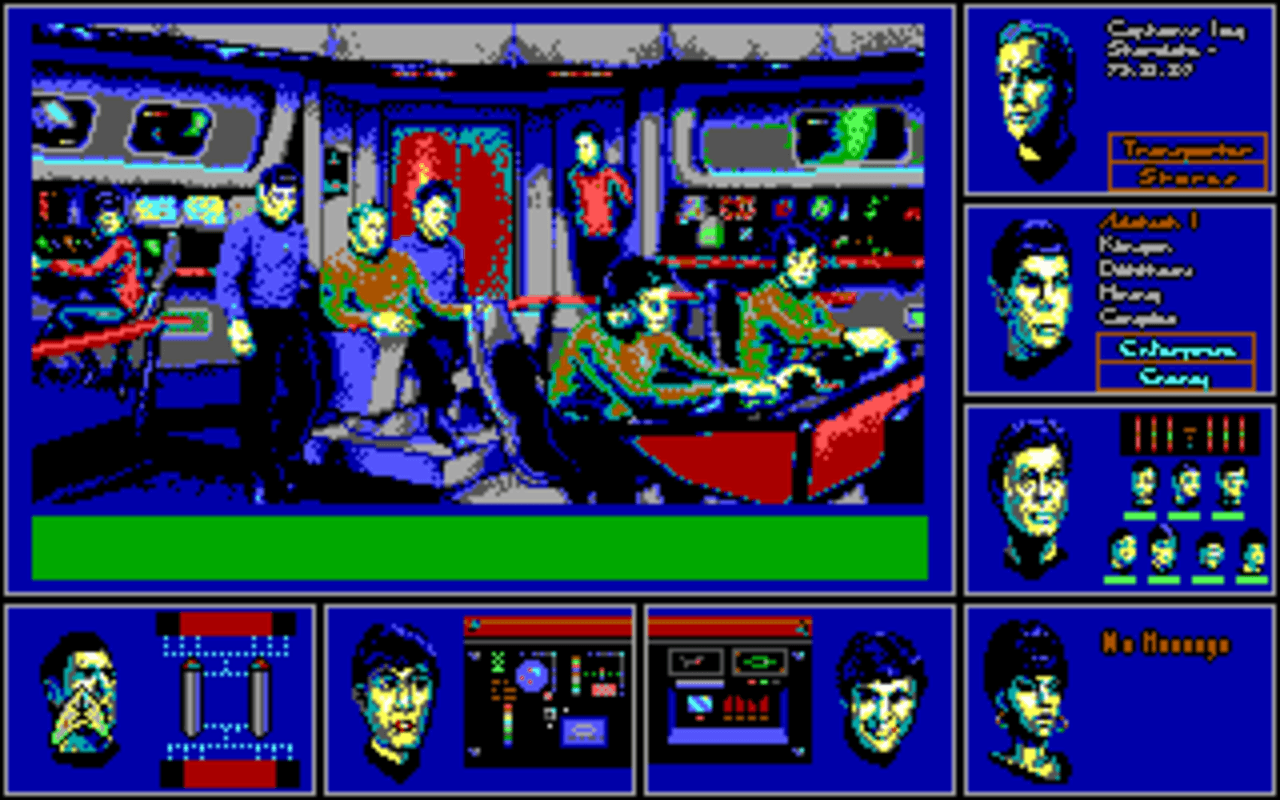
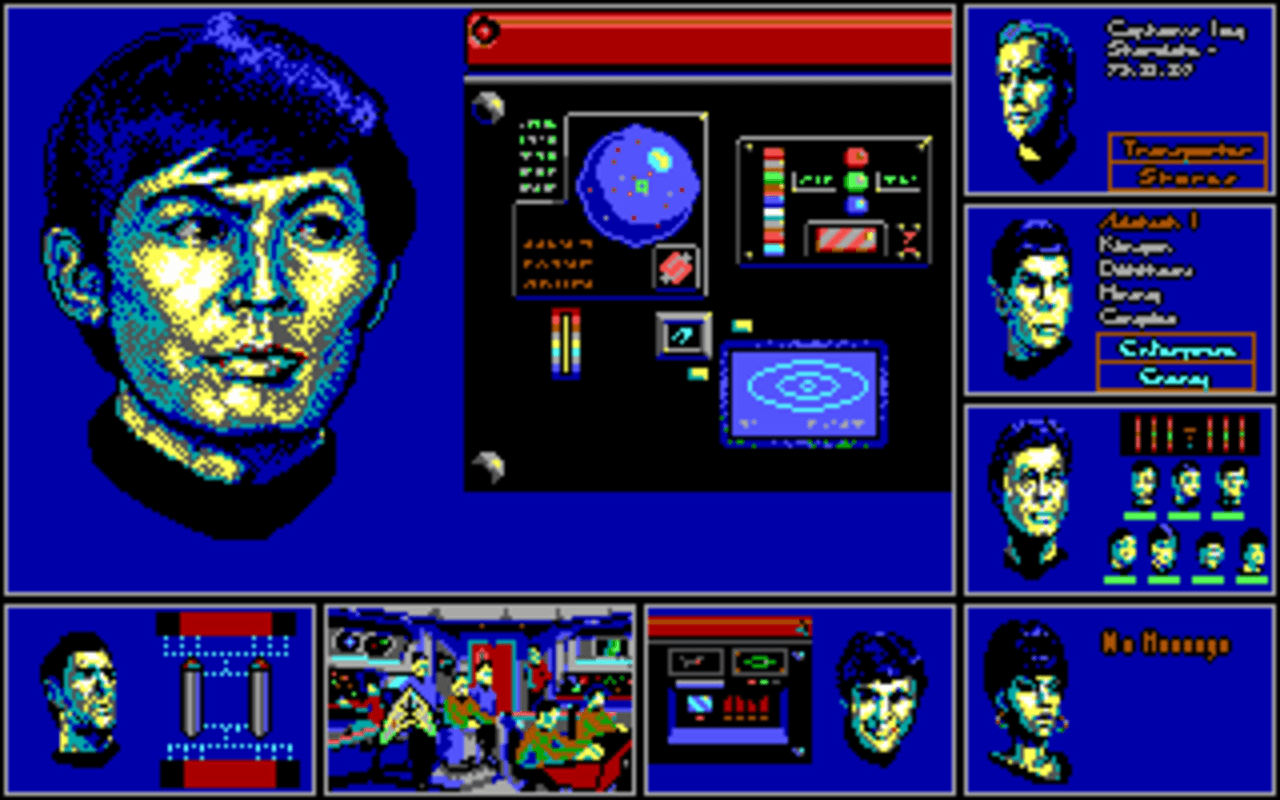
A lot of space games let you pretend you’re a captain by giving you a ship and a map. This game earns that feeling by placing the bridge crew at the center of play. You don’t just “do everything” as a single omnipotent pilot; you work through stations, people, and roles, and you choose how the Enterprise responds as situations evolve. That focus turns routine actions into character-driven decisions. When a problem appears, it’s not only a mechanical hurdle but a moment where different approaches compete, each with consequences that ripple forward. This
A lot of space games let you pretend you’re a captain by giving you a ship and a map. This game earns that feeling by placing the bridge crew at the center of play. You don’t just “do everything” as a single omnipotent pilot; you work through stations, people, and roles, and you choose how the Enterprise responds as situations evolve. That focus turns routine actions into character-driven decisions. When a problem appears, it’s not only a mechanical hurdle but a moment where different approaches compete, each with consequences that ripple forward. This Star Trek DOS space RPG gives you a real sense of being part of a crew, and it feels like a classic sci-fi strategy game that still holds up today.
that still holds up today.
This structure also creates a distinctive rhythm. Instead of constant action, you get a pattern of planning, probing, reacting, and recovering. Some stretches are quiet—scanning, traveling, weighing risks—then suddenly you’re under pressure, forced to decide quickly with imperfect information. The result is a game that feels like a series of tense episodes stitched together by a larger mystery. It’s not trying to be a pure simulator, and it isn’t a traditional adventure game either; it lives in the space between, where imagination fills the gaps and your judgment becomes the real “skill” being tested.
Away Missions, Wireframe Rooms, and Choice-Driven Danger
One of the most fascinating aspects of Star Trek: The Rebel Universe is how it shifts perspective during key moments. You’re not only dealing with star systems and ship-to-ship threats; you’re also stepping into situations that feel like off-screen away missions brought to life through minimalist visuals and text-forward problem solving. When the game drops you into a location, the presentation can become stark—often a wireframe-like sense of space paired with descriptions, obstacles, and items. That restraint is exactly what gives it bite: you’re forced to think, interpret, and commit to a solution rather than waiting for the interface to rescue you.
Crucially, the crew matters here again. Obstacles often invite multiple solutions, and different personnel can suggest different methods. That’s where the tension sharpens, because “a solution” isn’t the same as “the best solution.” The wrong call can cost you time, resources, or crew readiness, and the game doesn’t need flashy cinematics to make failure sting. It’s The Star Trek fantasy in miniature: a closed door, an unknown hazard, a limited toolkit, and the weight of command sitting on your shoulders.
This blend of exploration, text-like decision points, and occasional action means the game can surprise you even after you think you understand its pace. It’s content to be methodical—until it isn’t. That unpredictability is part of why it stays interesting: you can’t simply memorize a single “correct” style of play, because the game keeps asking you to adapt.
Play Star Trek: The Rebel Universe online
Playing Star Trek: The Rebel Universe online is a great way to experience its distinctive mix of starship command, mystery, and consequential choices in a form that suits quick sessions or long, deep dives. You can play it free, in a browser, and on mobile devices without restrictions, which fits the game’s episode-like structure: scan a few systems, handle a crisis, then decide whether to push farther into danger.
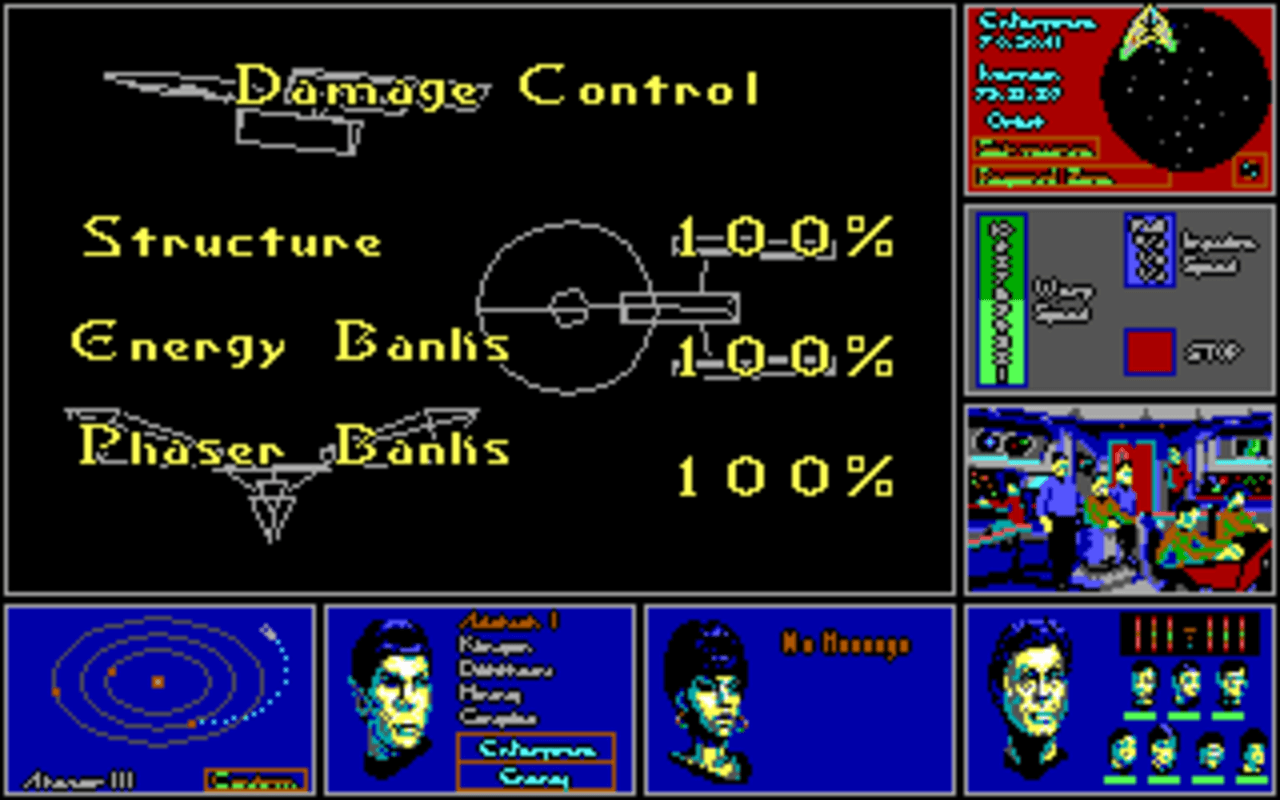
The core loop remains the same no matter how you approach it. You gather clues by exploring, manage the Enterprise’s condition as threats escalate, and try to outthink the forces turning Federation crews against themselves. Because the game isn’t built around modern hand-holding, it rewards a calm mindset: read what you’re told, consider the tradeoffs, and treat every new contact as both an opportunity and a potential trap. When it clicks, it delivers that satisfying feeling of being the person who has to choose a course of action—and live with it. As an Enterprise adventure simulation, it captures the tension of command, and as a Trek crew exploration game, it puts teamwork and decision-making front and center.
Why This Classic DOS Game Still Feels Like an Episode
What endures most about The Rebel Universe is its commitment to atmosphere. It doesn’t need to perfectly mimic a television script to feel authentic; it captures Star Trek’s tone by focusing on uncertainty, responsibility, and problem solving under pressure. The “mutiny” concept is especially effective because it weaponizes mistrust, turning familiar Federation space into something ominous. That shifts your mindset from conquest to investigation, and it makes victory feel earned through understanding rather than brute force.
It also occupies an unusual historical niche. Many licensed games aim for immediate spectacle, but this one aims for scope. Its design suggests a time when developers were willing to mix genres, invent hybrid interfaces, and trust players to learn by doing. If you like classic games that feel a little bold and a little eccentric, this is the sort of title that can become a conversation piece—one you remember not because it was perfect, but because it dared to be different.
Star Trek: The Rebel Universe is a thoughtful sci-fi game about exploring a dangerous region, managing the Enterprise through crew-driven decisions, and unraveling a mystery that threatens the Federation from within. To control the game, you’ll typically navigate through on-screen menus and prompts, select crew actions and ship functions, and confirm choices as situations unfold, with careful reading and deliberate decisions being your most reliable tools.
All used codes are publicly available, and the game belongs to its original authors.