The Godfather’s Film-Soaked Streets and U.S. Gold Swagger
The Godfather arrived in the early 1990s, when MS-DOS action games often aimed for instant thrills yet still experimented with licensed storytelling. Published by U.S. Gold and developed by Creative Materials, this game doesn’t try to retell a single scene beat-for-beat. Instead, it distills the trilogy’s larger mood into an arcade-style journey: cities that feel watched, alleys that feel trapped, and a constant sense that one wrong decision can turn a mission into a mess.
What makes it memorable is how it frames criminal power as something you earn moment by moment, not through long dialogue trees or grand strategy maps. The levels are staged like postcards from the films’ world, shifting across recognizable places and tones. One stage can feel like a hot, busy street where trouble finds you in daylight; another leans into the idea of old-country danger, where the scenery changes but the threat doesn’t. The game’s pace is brisk, and it uses that pace to keep you slightly uneasy, which fits the theme better than a slower, more comfortable action loop ever could.
Trigger Discipline: Action That Punishes Careless Play
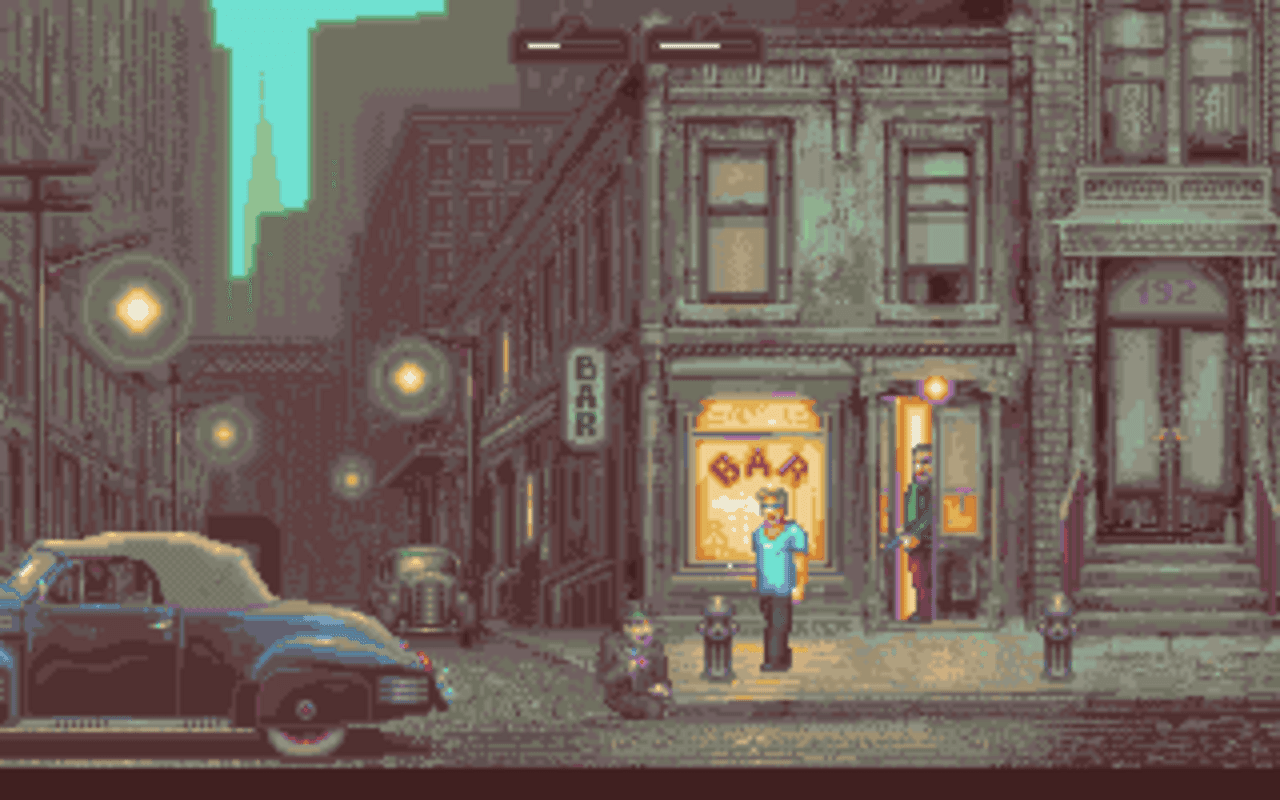
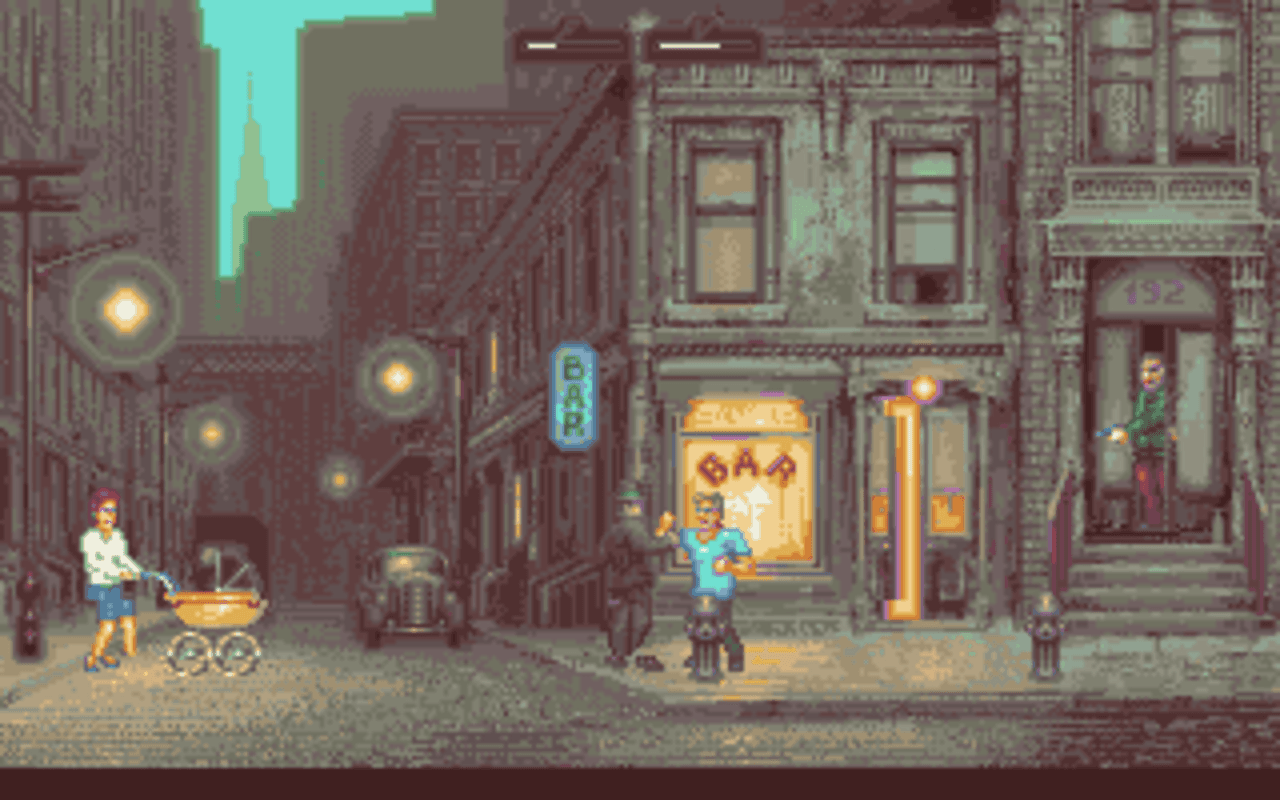
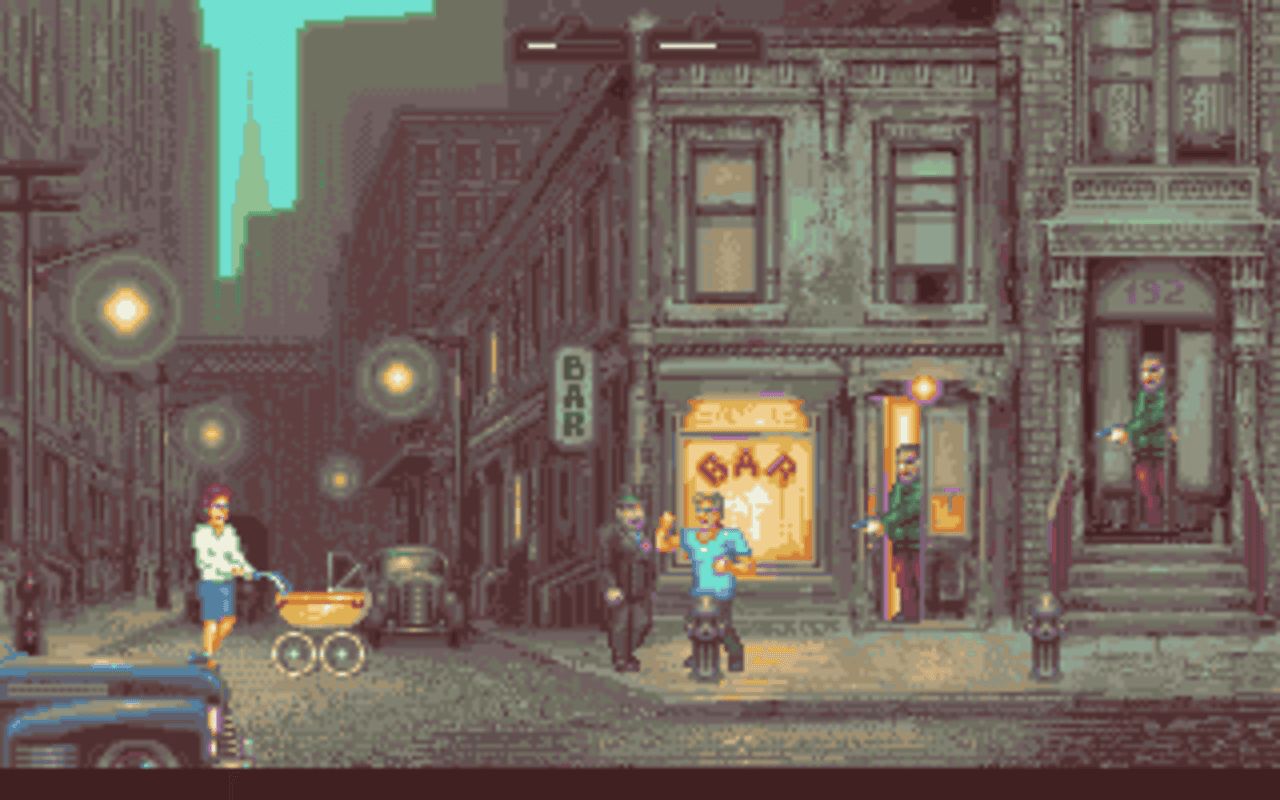
At first glance, The Godfather looks like a straightforward run-and-gun game: move sideways, shoot gangsters, survive waves, face a boss, repeat. Play a little longer, though, and a sharper edge appears. The streets aren’t empty shooting galleries. Civilians may be present, and reckless fire can cost you. That single rule changes how you read the screen. Instead of holding the fire button like you would in a purely arcade-blasting shooter, you end up pausing for half-seconds, waiting for a clear line, and taking controlled shots when the crowd shifts.
That tension also reshapes the game’s difficulty. Enemies come at you from angles that demand quick reactions, yet the “don’t-hit-innocents” pressure nudges you toward precision. It’s a neat thematic match: the fantasy of power is there, but it’s constrained by consequences, reputation, and the sense that you’re operating in a living city rather than a simple obstacle course.
The Godfather also breaks up its side-scrolling rhythm with occasional perspective changes, giving certain moments a different feel from the main street battles. These switches help the game avoid becoming visually and mechanically flat. Even when the action is simple, the presentation keeps reminding you that you’re moving through a story-shaped world, not just clearing rooms.
Play The Godfather online and Keep the Heat On
Play The Godfather online for free when you want a fast crime action game that gets to the point. Because it runs in a browser, you can jump into the mayhem without fuss, and it’s also possible to play on mobile devices without restrictions, making it easy to take a quick mission whenever you have a few minutes.
This “pick up and play” nature suits the game’s structure. Levels are built around bursts of danger, boss encounters, and short set-piece moments that feel like mini scenes. You don’t need hours to appreciate what it’s doing; the hook lands quickly. The best way to approach it is like a tough arcade cabinet with a movie attitude: learn the enemy patterns, respect the civilians, and treat every screen as a small negotiation between aggression and control.
What’s also timeless about playing online is how clearly the design reads today. The game’s rules are immediate, its objective is obvious, and its drama comes from execution. When you succeed, it feels earned because the game pressures both your reflexes and your restraint.
Locations, Bosses, and the Feeling of a Moving Story
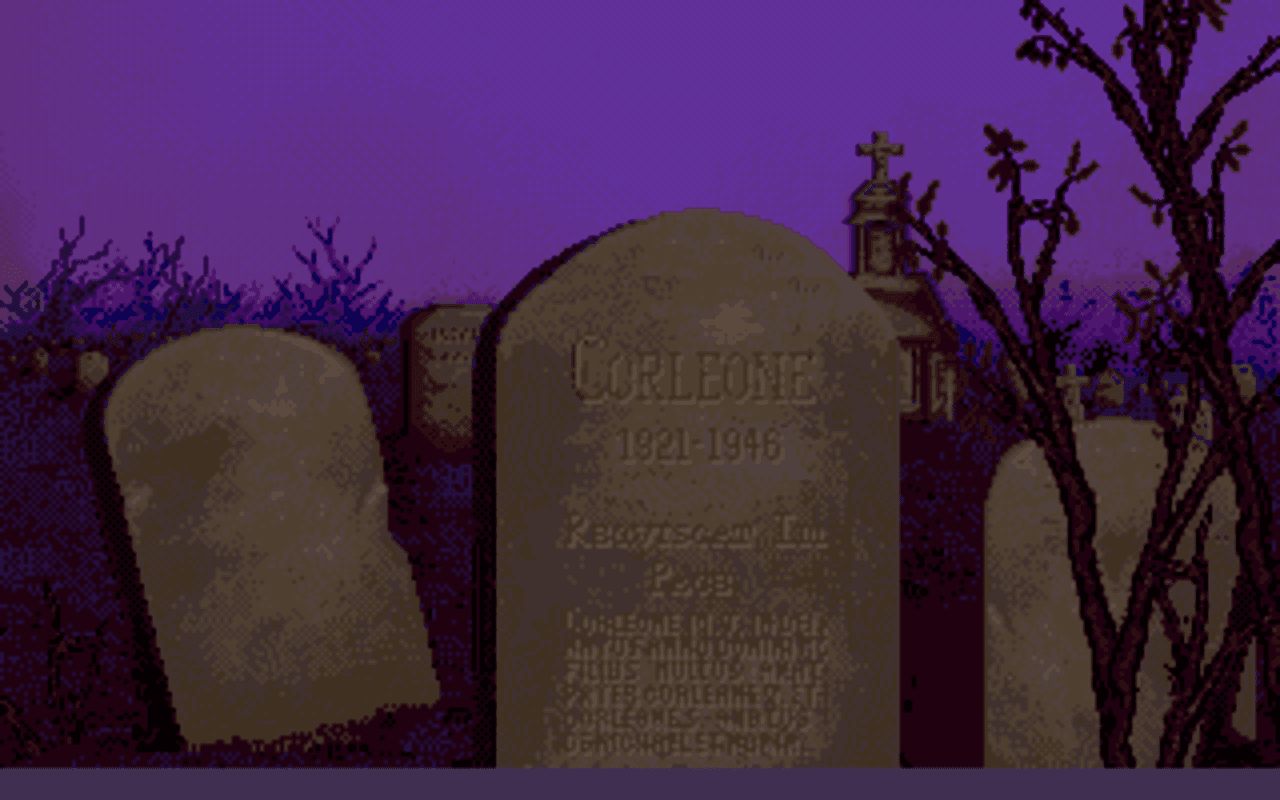
The Godfather’s stages echo the films by shifting locations and moods rather than staying in one repeated backdrop. You’ll move through environments that suggest American city streets and sunlit hotspots, and you’ll also visit spaces that evoke Sicily’s stark sense of history. Each change in scenery helps sell the idea that the conflict is bigger than one neighborhood feud.
Boss fights function like punctuation marks. They’re the moments where the game stops being a flowing street brawl and becomes a focused duel, asking you to read patterns, find safe windows, and keep your aim honest. Late-game spectacle pushes that feeling even further, delivering a climactic confrontation that leans into dramatic action rather than subtlety. It’s the kind of escalation you’d expect from an action game wearing a famous name: more danger, louder stakes, and a finale that wants to be remembered.
Sound, Style, and Why the Game Still Works
A licensed game can live or die on atmosphere, and The Godfather at least understands the assignment: it aims for a gritty, cinematic vibe rather than a cartoon shootout. Backgrounds and character sprites try to capture a world of suits, shadows, and sudden violence. Even when the action turns hectic, the overall look keeps steering you back toward that mob-movie flavor.
What lasts, though, is the central push-pull. Many shooters reward constant firing; The Godfather rewards timing. That twist makes it feel different from a typical corridor blaster, and it gives the game a personality that stands apart from other licensed action titles of its era. If you like classic DOS games that are simple to start but tricky to master, this one has the right kind of bite.
The Godfather is an old-school action game that blends side-scrolling gunplay with movie-inspired tension, asking you to stay sharp, shoot carefully, and survive escalating set pieces. Controls are straightforward: move with directional inputs, use a fire button to shoot, and rely on a secondary action such as jump or context movement depending on the situation; exact key mappings can vary, but the feel is immediate once you start playing.
All used codes are publicly available, and The Godfather belongs to its original authors.