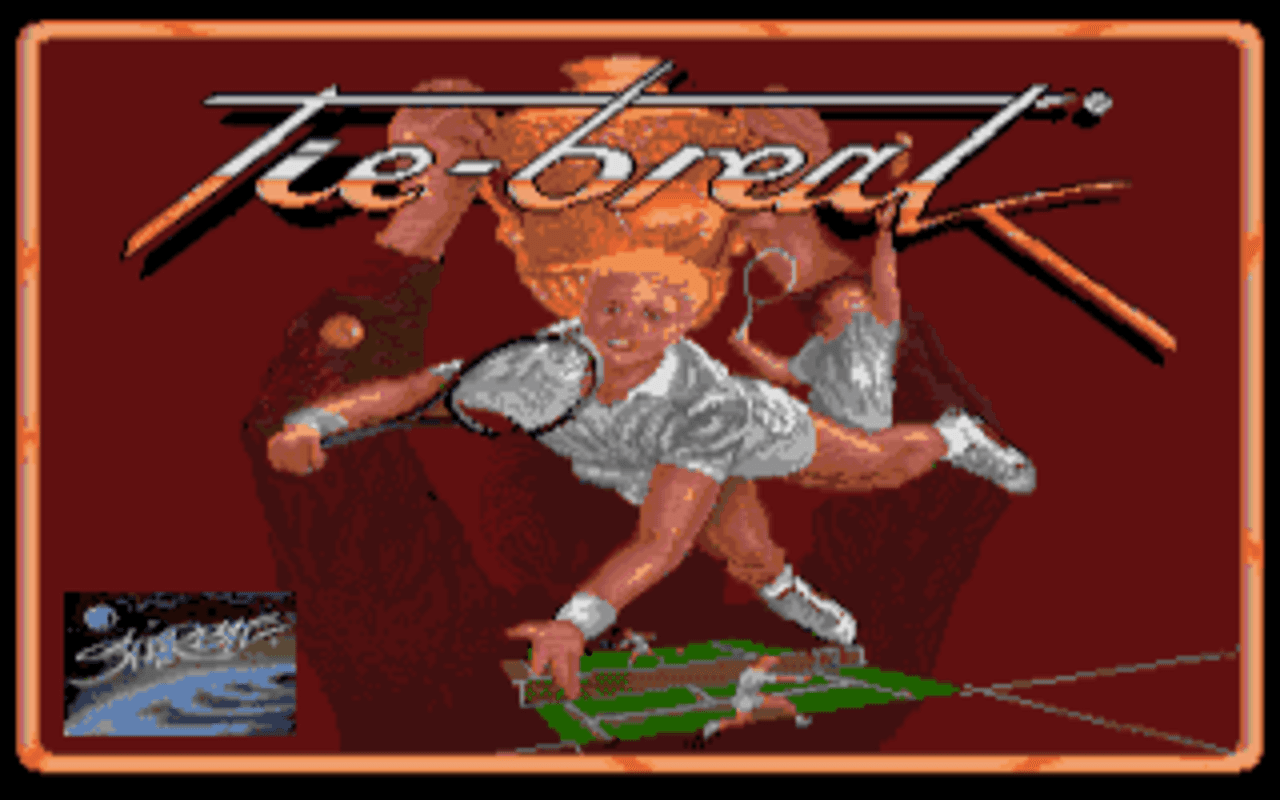
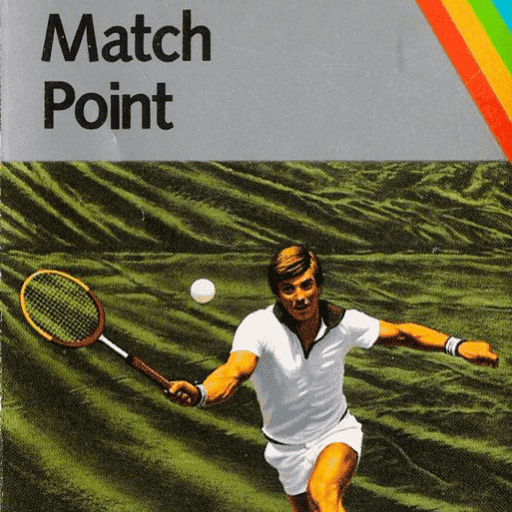
Tie Break turns tennis into a fast, top-down duel
Tie Break arrives from Starbyte Software with a confident idea: show the sport from above, keep the court readable, and make the ball the true star of the screen. The result feels like tennis distilled into its essentials—anticipation, positioning, and the split-second decision of what kind of shot will tilt the point your way. On DOS, the game’s publishing is tied to DigiTek Software (with regional releases also associated with Softgold Computerspiele GmbH), giving the computer edition a clear place in that era when sports games often traveled through different labels depending on where you bought them.
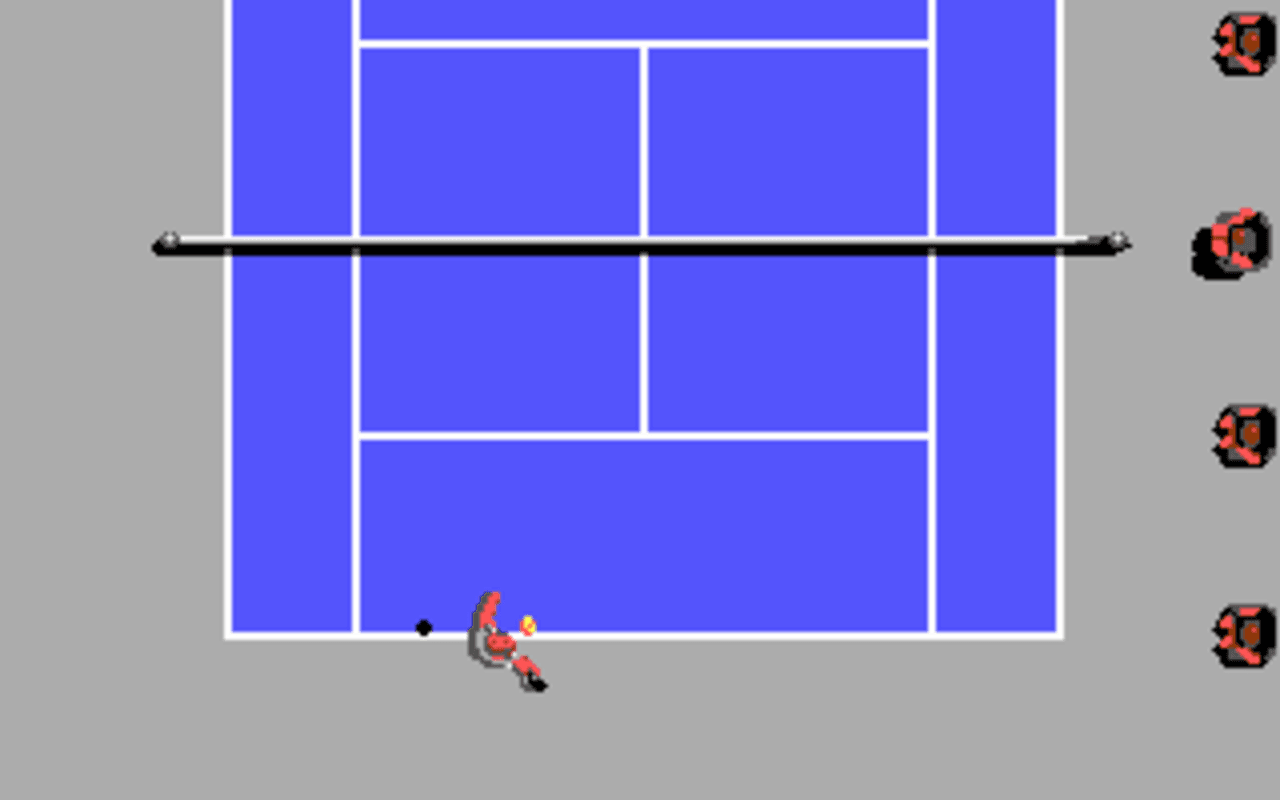
From the opening rallies, the overhead perspective changes your instincts. Instead of relying on a dramatic camera angle to “sell” speed, Tie Break makes you read trajectories and spacing. It’s less about spectacle, more about solving the geometry of the court—where to send the ball so the opponent is a step late, and how to recover so you aren’t the one gasping for position on the next return. That design choice gives the game a distinctive identity among classic tennis titles, especially if you’re used to behind-the-player views that emphasize power swings and cinematic serves.
There’s also a subtle, almost broadcast-like ambition to the presentation. Tie Break doesn’t need flashy cutscenes to feel like a proper match; it leans on the rhythm of play, the shift of momentum, and the steady escalation from safe rallies to riskier lines. When you catch the timing, points can end quickly. When you don’t, the game happily exposes hesitation, sending you scrambling while the opponent dictates the exchange.
Shot selection, spin, and the “reading the ball” mindset in Tie Break
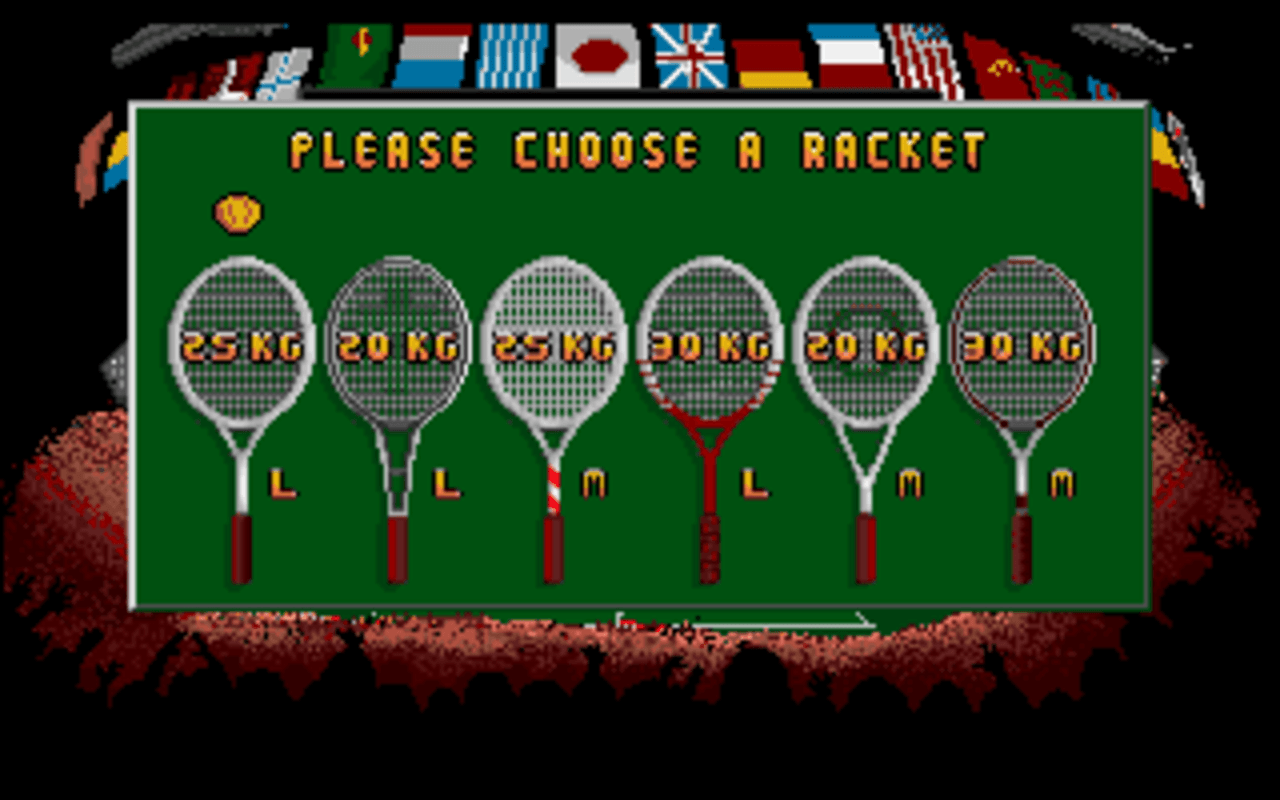
At its best, Tie Break is a conversation between your joystick direction and the ball’s bounce. The core concept is straightforward: get to the ball and choose how to redirect it. Standard strokes are joined by options like topspin, lobs, and stop volleys, creating a toolkit that encourages variety rather than mindless blasting. The charm is that the game doesn’t simply ask “can you hit it back?”—it asks “can you hit it back with purpose?”
Because the view is top-down and the court scrolls, you learn to judge depth and timing differently than in many tennis games. A lob isn’t just a panic button; it’s a statement that you’re willing to reset the point and force a new pattern. A softer touch shot isn’t just flair; it’s a test of whether your opponent can transition from baseline comfort to awkward forward movement. Even when you’re not chasing fancy tactics, small choices—sending the ball a little wider, taking it earlier, nudging it toward the open space—make points feel earned.
The difficulty curve has an old-school honesty to it. Early matches can feel forgiving, then the game gradually demands cleaner execution. You start noticing that “good enough” returns stop being enough; the opponent punishes floaty balls, reacts faster to predictable angles, and turns your safe plays into liabilities. That pressure is exactly where Tie Break becomes compelling. When you finally craft a point—stretching the opponent wide, pulling them back, then sneaking a shot into the gap—it feels like tennis, not just an arcade exchange.
Another fun twist is the game’s licensed flavor. Tie Break is also known under names such as Adidas Championship Tie Break, reflecting how branding and sports culture were woven into many classic releases. That licensing doesn’t overwhelm the gameplay, but it adds a period-accurate sheen that helps the game feel like more than a generic court simulator.
Play Tie Break online for instant classic tennis action
Part of Tie Break’s lasting appeal is how naturally it fits quick sessions. If you want a tennis game that respects your time, this is the kind of match you can start, enjoy, and finish without needing a long warm-up. Better still, Tie Break can be played free in a browser, and it translates well to mobile devices too—so you can play online without restrictions when you’re in the mood for a few rallies, a short tournament run, or a sudden grudge match against a friend.
Playing online also highlights what the game does best: immediacy. The top-down angle reduces visual clutter, and the sport becomes legible in seconds—ball, space, timing, decision. That clarity makes it easy to hand off the controls and say, “your serve,” which is exactly the kind of social energy classic sports games thrive on. Whether you’re playing for a couple of points or chasing a longer streak of wins, Tie Break’s structure encourages rematches and “best of” showdowns without requiring complicated setup.
The online play mindset also fits the way Tie Break handles tension. Tennis is a sport of tiny margins, and this game understands that. A slightly late return turns into a loose ball. A greedy angle becomes an unforced error. A cautious shot invites pressure. In a short online session, those swings in momentum feel sharp and memorable, like highlights you create yourself rather than scripted moments.
Tournaments, surfaces, and why Tie Break stays replayable
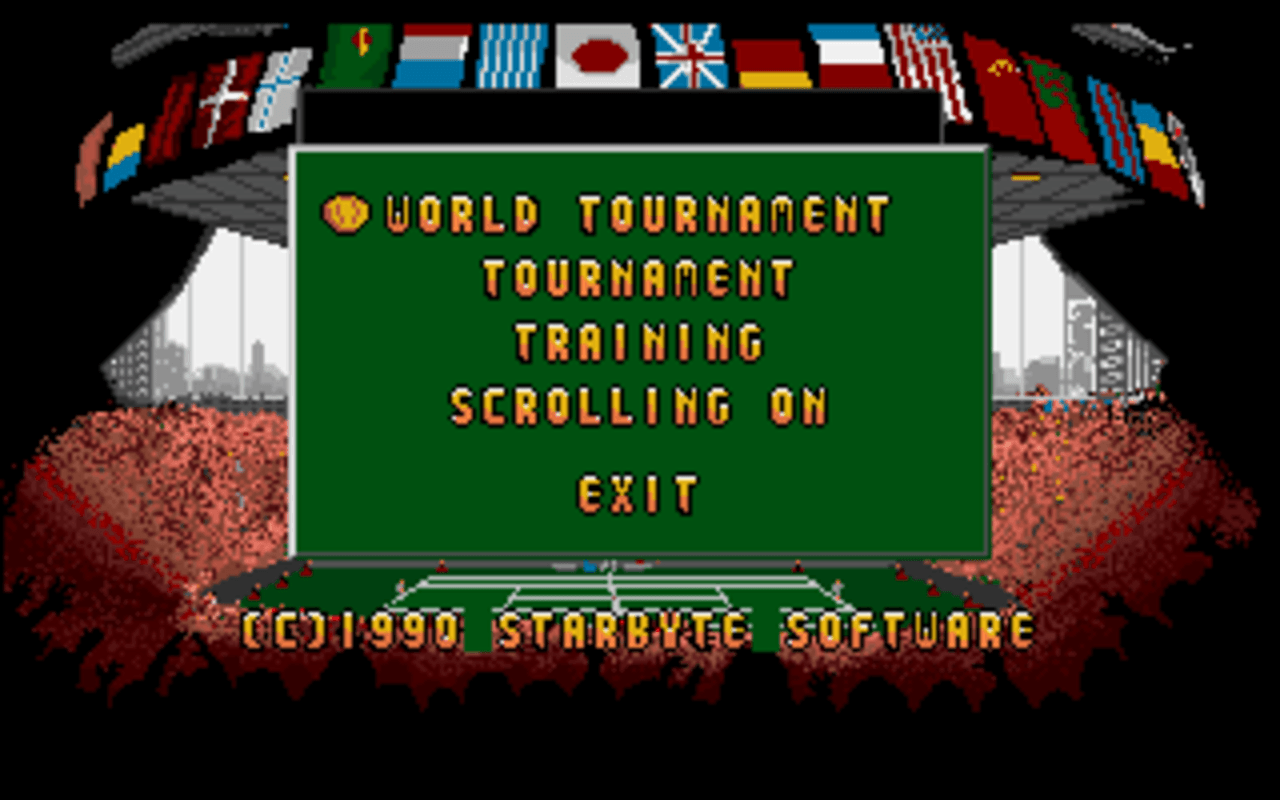
Tie Break doesn’t treat tennis like a single court with a single tempo. It gives you the flavor of major events and different surfaces, which matters because surfaces change how you think. A faster feel rewards bold placement and quick point construction; a slower rhythm tempts longer rallies and patience. The game also leans into tournament atmosphere, letting you chase that satisfying sports narrative where each win feels like a step deeper into the bracket.
Multiplayer is another big reason it endures. Tie Break supports a crowd-pleasing number of participants for a tennis title, letting the game act like a mini event rather than a solitary practice tool. It’s the sort of design that turns a simple sports game into a social ritual—calling shots, reacting to lucky bounces, and daring someone to handle a risky serve pattern.
What’s especially timeless is that Tie Break doesn’t rely on modern trappings to create drama. The drama is already in the sport: serve pressure, return confidence, the temptation to go for too much, the fear of giving up control of the point. Tie Break captures that with lean mechanics and a clear visual language. Even if you’ve played countless tennis games since, this one still feels refreshingly focused.
Tie Break is a classic sports game that rewards players who enjoy reading the court and shaping points. It’s approachable enough to pick up and play online, but deep enough to keep pulling you back for “one more match.” To control the game, you generally move and aim with directional inputs, choosing shot types by combining direction and timing so the ball goes where you intend.
All used codes are publicly available and the game belongs to its original authors.