A Tunnel-Driven Shooter Identity in Tubular Worlds
Tubular Worlds arrived during the golden stretch of DOS action gaming, when developers squeezed bold ideas into compact, instantly readable experiences. Developed by Creative Game Design and published by Dongleware Verlags GmbH, it takes the familiar language of side-scrolling shooters and twists it into something more unusual: a relentless run through “tubular” environments that feel like futuristic obstacle courses with teeth.
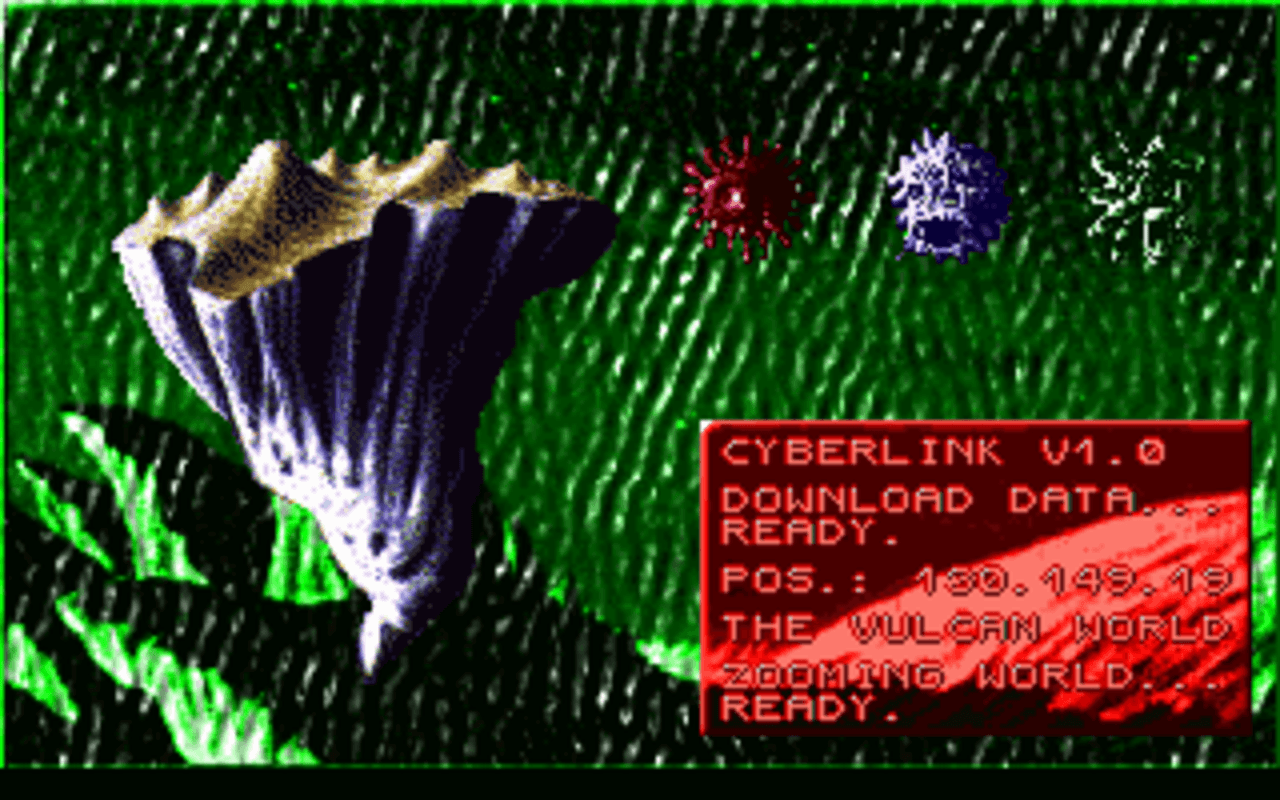
The premise frames you as a senior cadet at an elite fighter-pilot program, facing a final exam that’s less paperwork and more controlled chaos. Instead of one continuous voyage, you’re thrown into a set of virtual cyber worlds, each with its own flavor of danger and a looming Warlord waiting at the end to test your nerve. That story hook is light, but it works perfectly for an arcade shooter: it gives every mission a purpose and every boss a sense of graduation-day pressure.
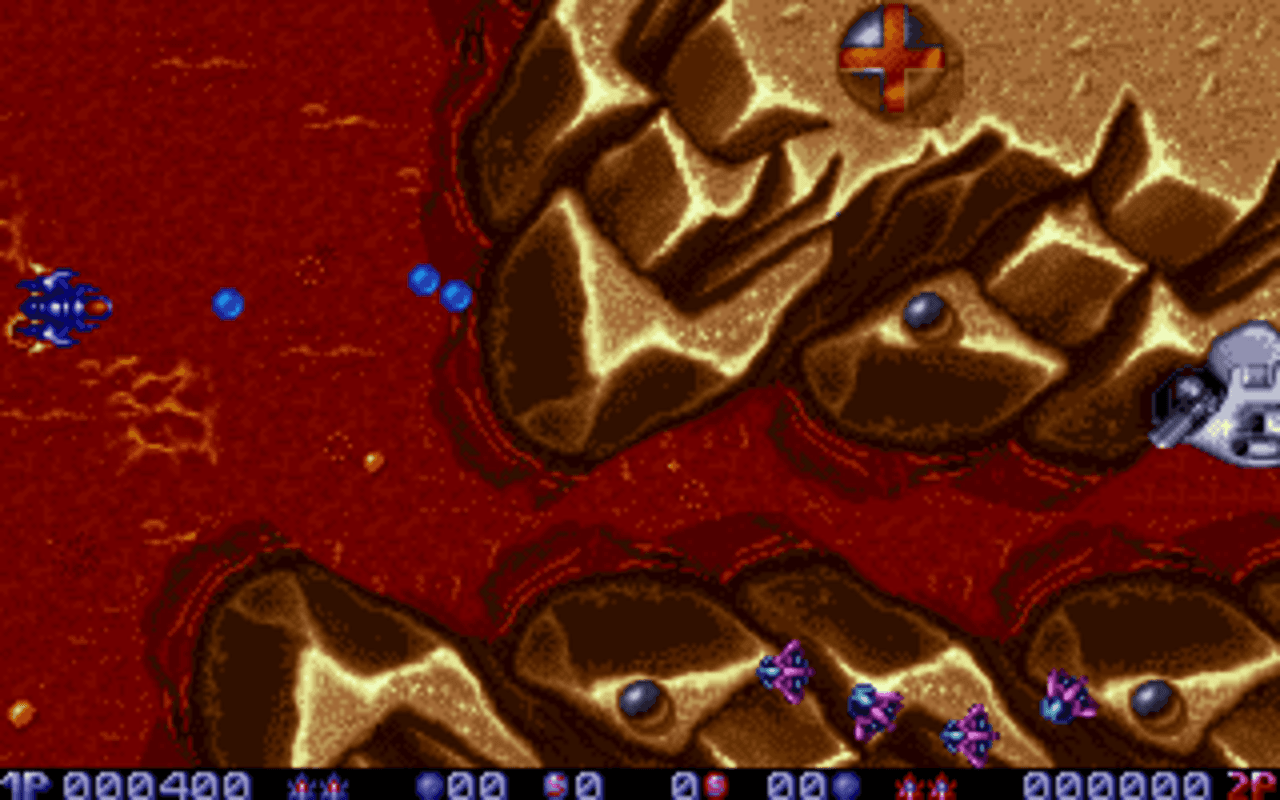
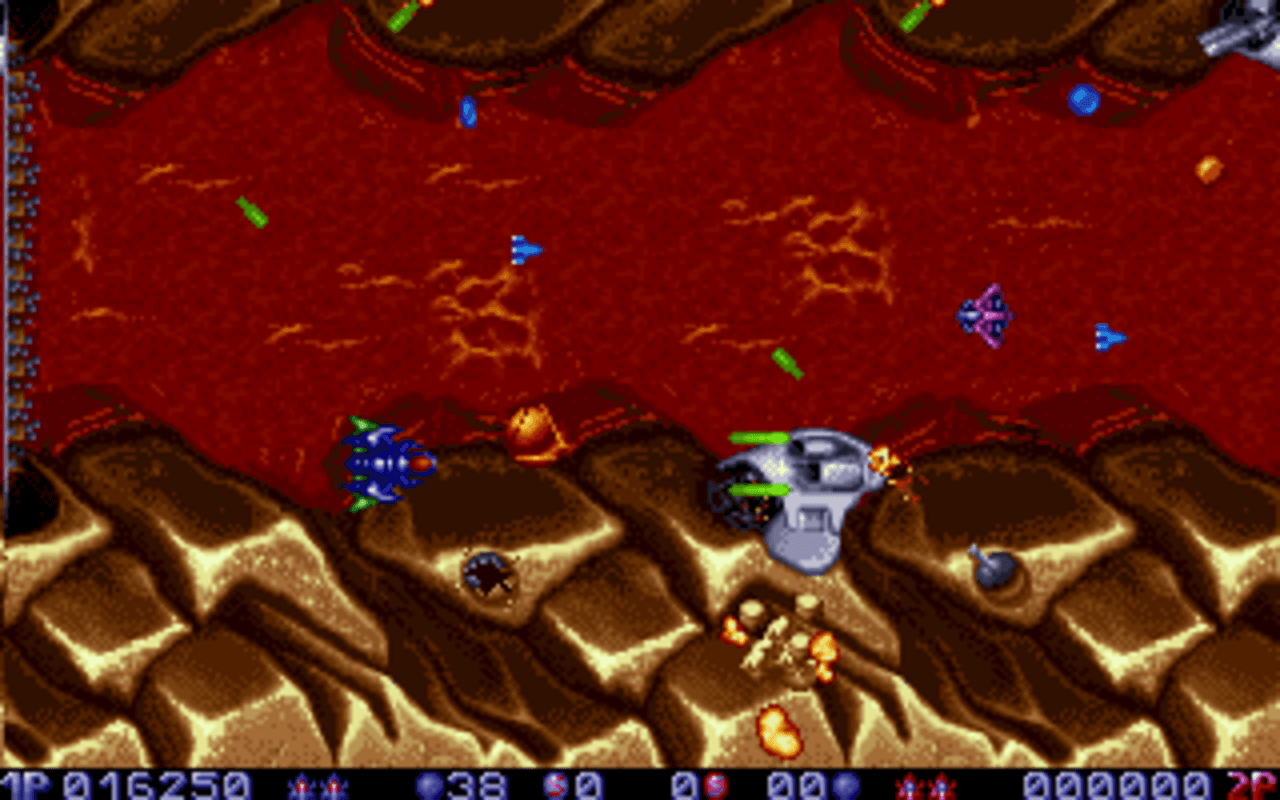
What makes Tubular Worlds stand out is how it leans into motion. The game’s “tube” concept isn’t just a name; it’s a vibe. Levels often feel like you’re threading a needle at high speed, sliding between threats while the scenery suggests you’re inside vast conduits, alien corridors, or simulated mechanical arteries. The result is a shooter that emphasizes flow: you’re not merely drifting across a starfield, you’re navigating a contained space that constantly nudges your attention forward.
That design choice changes the emotional rhythm. In many shooters, you can breathe between enemy waves. Here, the environment itself feels like part of the challenge, and the pace stays assertive. Even when the screen clears for a moment, you’re still anticipating the next bend, the next trap-like pattern, the next burst of projectiles that demands a quick correction. It creates that classic “one more try” pull, because failure usually feels like a tiny mistake you can fix with sharper timing.
Weapons, Power-Ups, and the Warlord Showdowns
A great shooter lives or dies by how satisfying it feels to fight back, and Tubular Worlds understands the joy of upgrades. New weapons and enhancements don’t just raise your damage; they change your confidence. One moment you’re scraping by with careful shots, and the next you’re carving a path through clustered enemies with something that feels louder, wider, or more decisive. The best power-ups in games like this don’t merely make you stronger—they change how you choose your lines through danger—and Tubular Worlds aims for that same effect.
Boss encounters, framed as Warlords in the game’s exam narrative, are where everything tightens. Patterns become more deliberate, openings feel earned, and your loadout matters because it shapes how long you can survive the “learn the dance” phase. These fights have that vintage arcade honesty: you win by reading the screen, adapting quickly, and staying calm when the visuals get busy. When you finally break a Warlord’s last phase, it doesn’t feel like you waited out a timer; it feels like you proved you understood the test.
Co-Op Energy and Competitive Scoring Pressure
Tubular Worlds also earns points for acknowledging that shooters can be social. Whether you treat the second player as backup, friendly rivalry, or shared panic, the game’s two-player option adds a new layer of excitement to the same stages. More firepower can make certain moments easier, but coordination becomes its own challenge as both players weave through hazards without getting in each other’s way.
Even if you play solo, the scoring mindset is always lurking. This is the kind of game where you start noticing your habits: how often you take unnecessary risks, when you play too defensively, and whether you’re collecting upgrades efficiently. Over time, the stages become less like unknown territory and more like routes you can optimize. That’s where long-term replay value comes from in classic DOS action—mastery, not mere completion.
Play Tubular Worlds online for instant arcade action
Play Tubular Worlds online when you want classic shoot-’em-up intensity without the fuss: it can be played free, in a browser, and on mobile devices without restrictions. That accessibility fits the game’s spirit, because Tubular Worlds is built for quick starts and repeated attempts. A run can be a burst of adrenaline on a short break, or a longer session where you learn each cyber world’s rhythm and chase cleaner clears.
Playing online also highlights how readable the game remains. The premise is immediate, the feedback is direct, and the “tunnel run” structure makes every screen feel purposeful. Whether you’re a veteran of DOS shooters or someone discovering them for the first time, the game’s straightforward goal—survive the gauntlet, defeat the Warlords, pass the exam—makes it easy to jump in and start improving right away.
Why Tubular Worlds Still Rewards Skillful Play
What keeps Tubular Worlds engaging over the long haul is its blend of clarity and pressure. You always understand what you’re trying to do—dodge, shoot, upgrade, endure—yet the game finds plenty of ways to keep that mission tense. It’s not a sprawling epic, and it doesn’t need to be. It’s a focused arcade-style game that treats your attention like a resource and dares you to spend it wisely.
In the end, Tubular Worlds is best described as a confident variation on the side-scrolling shooter formula: familiar enough to feel instantly playable, distinct enough to be memorable. If you like games where progress is measured in sharper reflexes and smarter decisions, it remains an easy recommendation.
This is a fast, tunnel-themed sci-fi shooter with satisfying upgrades, punchy boss battles, and a strong “retry and refine” loop that suits both quick play and score-chasing marathons. For control, you typically steer with the keyboard’s directional keys or a joystick, fire with an action button, and use additional keys for secondary functions depending on your setup—simple inputs that keep the focus on dodging patterns and choosing safe attack angles.
All used codes are publicly available, and the game belongs to its original authors.