MicroProse’s Twilight: 2000 and the Appeal of Harsh Survival
Released for DOS and published by MicroProse, Twilight: 2000 adapts the mood of its tabletop namesake into a computer game that prizes consequence over comfort. Instead of power fantasies and clean hero arcs, it offers a battered world where victory is rarely neat and progress is measured in getting through the next day with enough people still standing. The historical context that matters here is not a calendar date, but a design philosophy from an era when games were unafraid to be demanding, sometimes even unfriendly, as a way to make their worlds feel real. In Twilight: 2000, scarcity is not a background detail; it is the main character.
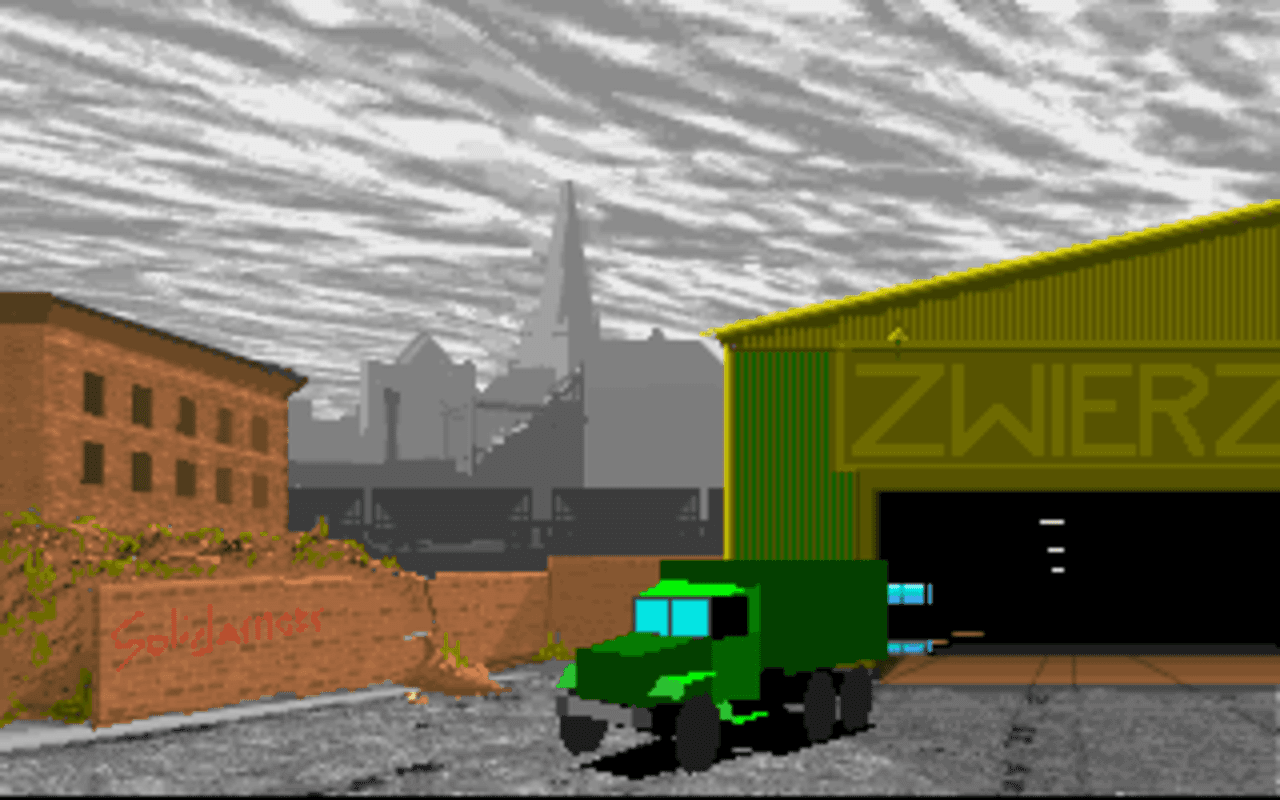
The premise is immediately gripping: you’re responsible for a stranded group of soldiers behind unstable lines in a crumbling Poland. Orders become rumors, allies become temporary, and every settlement is a question mark. The game’s identity is built from that tension. It doesn’t just tell you the world is dangerous; it forces you to budget, to hesitate, to plan routes that avoid trouble when your squad can’t afford another firefight, and to accept that the “right” choice is often whichever one keeps you alive long enough to face the next problem.
Twilight: 2000 Turns a Squad into a Story
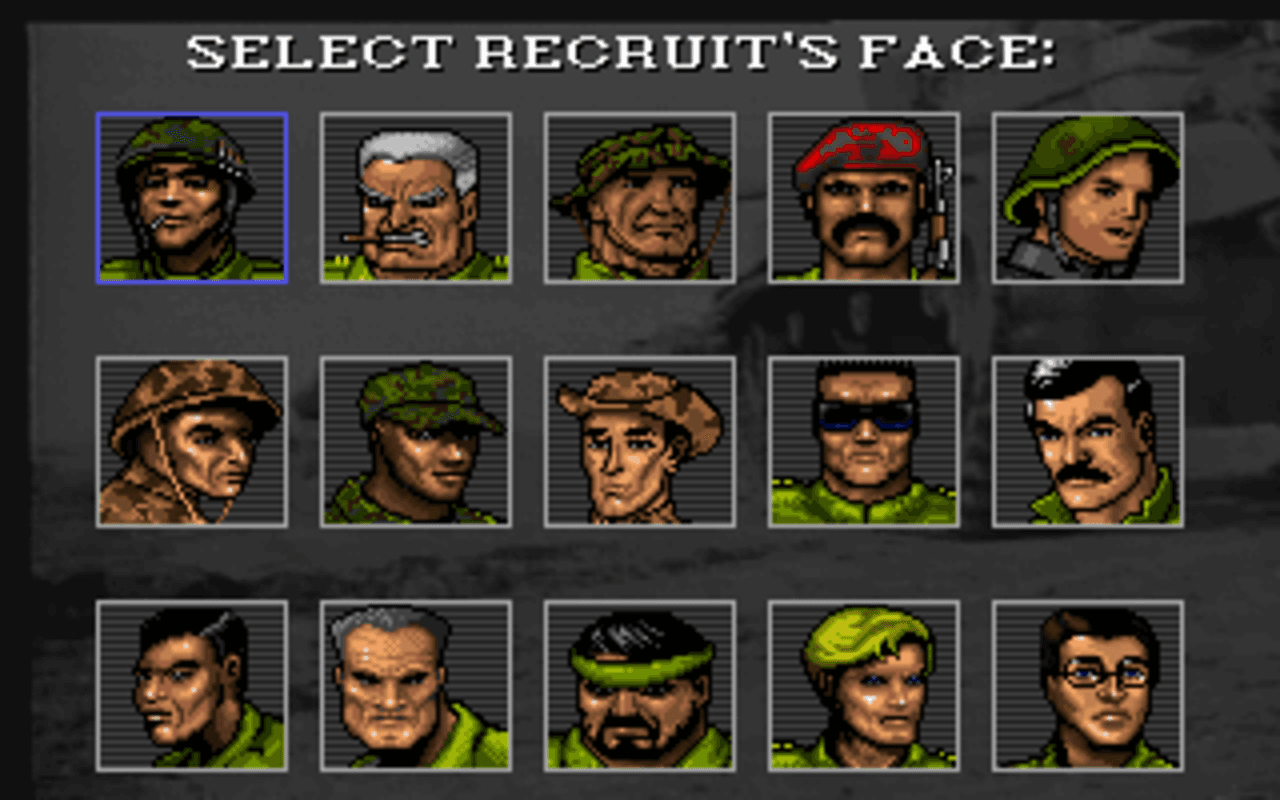
Where many role-playing games center on a single champion, Twilight: 2000 treats the squad as the heart of the experience. Your people are not interchangeable sprites; they’re a fragile system of skills, wounds, fatigue, and willingness to keep going. The game’s best moments often happen between battles, when you realize that survival is really a chain of unglamorous decisions: who carries the heavy kit, who is too injured to be useful, who can negotiate, who can spot danger before it becomes a catastrophe.
This focus creates a distinctive kind of narrative. You may enter a town thinking only about supplies, then leave with new enemies, a shaky agreement, or a moral compromise that will echo later. Twilight: 2000 doesn’t rely on endless scripted drama; it builds pressure through uncertainty. You’re encouraged to read situations, take the temperature of encounters, and decide whether to push your luck. Sometimes discretion is the most heroic act available.
Just as important, the game refuses to make the world revolve around you. People you meet have their own motives. Factions and opportunists treat your squad as a resource, a threat, or a bargaining chip. That grounded stance keeps the tone sharp: you are not the chosen one; you are a unit trying to endure.
Tactical Combat in Twilight: 2000 Feels Like Consequences
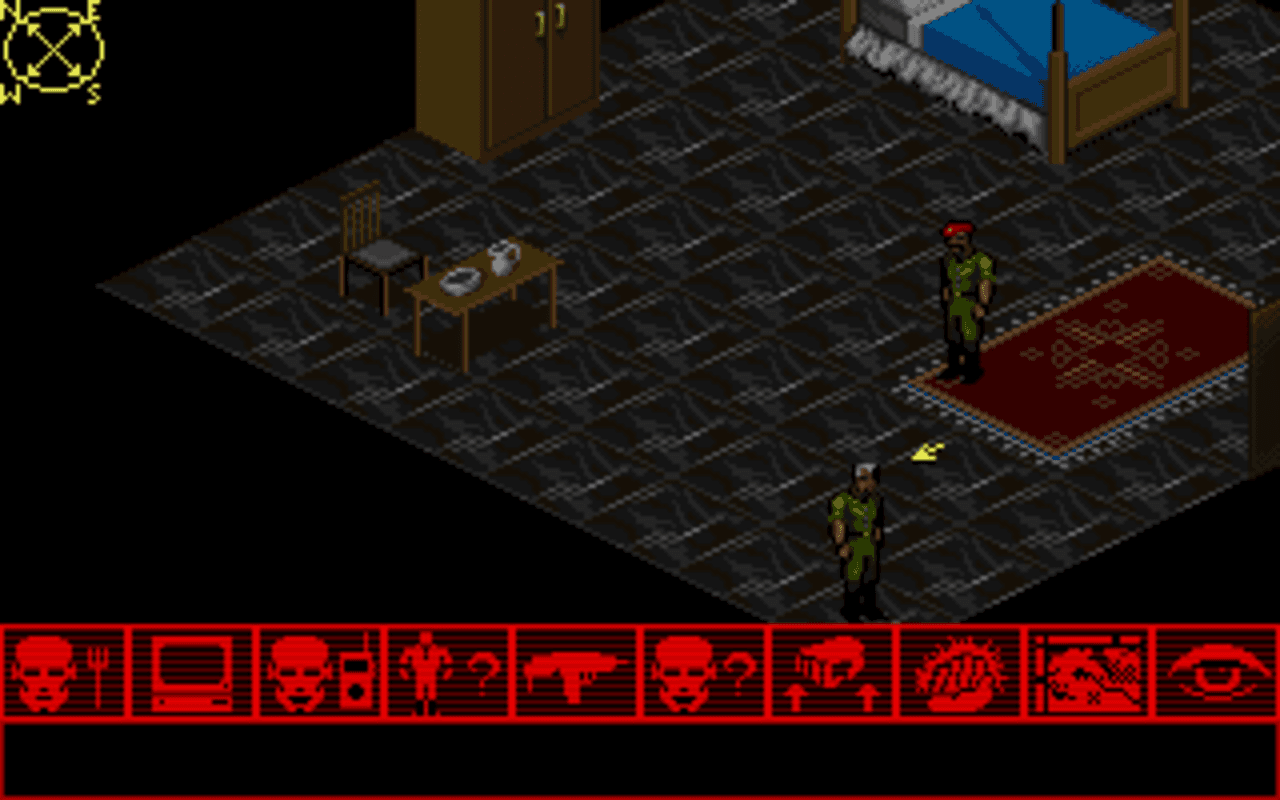
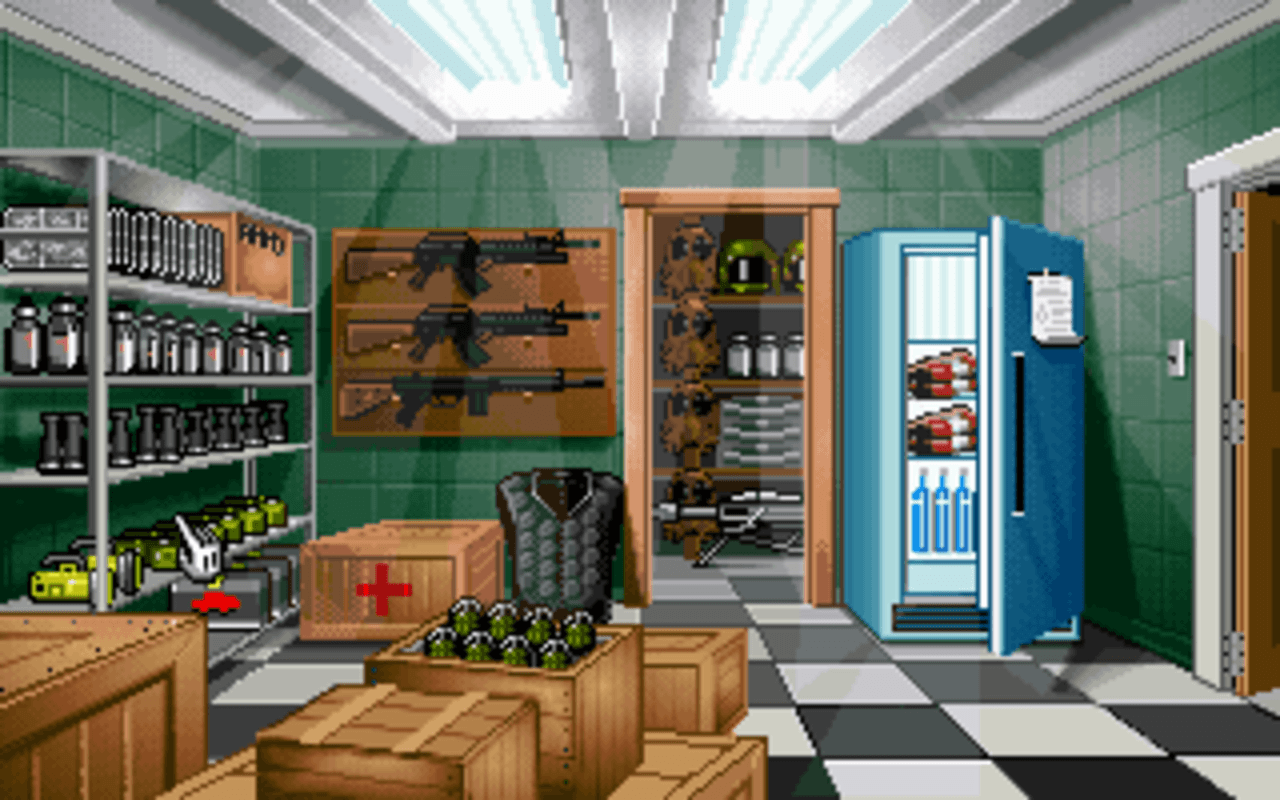
Combat is where Twilight: 2000 shows its teeth. It isn’t a breezy loop designed to shower you with loot; it’s a risk assessment you perform every time shots are fired. Positioning, line of sight, and timing matter, but so does what happened earlier—whether you have enough ammunition, whether your squad is exhausted, whether you can afford injuries that will slow you for the next stretch of travel. The game’s military framing gives firefights a pragmatic edge: you fight because you must, not because it’s fun to grind.
That difficulty is not random cruelty; it’s the game’s language. A tactical win often looks like minimizing loss, retreating at the right moment, or avoiding a battle entirely through smart movement and better preparation. When you do pull off a clean engagement, it feels earned. When things go wrong, the game doesn’t flinch, and that honesty can be strangely compelling.
The result is a pacing that stays tense even in quiet moments. You’re rarely “safe,” because safety is a resource too. You learn to value intelligence, patience, and the ability to walk away. Twilight: 2000 can be punishing, but it is rarely meaningless.
Play Twilight: 2000 online
Twilight: 2000 remains a fascinating game to revisit because its core experience is portable: tough choices, tactical pressure, and a squad you grow attached to through hardship. Today, it can be played free in a browser, and it translates surprisingly well to modern habits because the underlying rhythms—scan the situation, pick an approach, manage limited gear—fit short sessions or long stretches alike. It’s also possible to play on mobile devices without restrictions, which suits the game’s stop-and-think nature; you can pause your own decision-making at any time and return ready to plan the next move.
That accessibility highlights an important point: Twilight: 2000 is not about reflexes as much as judgment. Whether you’re on a keyboard or a touchscreen, the thrill comes from weighing trade-offs and committing to a course of action with incomplete information. Playing online doesn’t change the game’s personality; it just makes it easier to drop into its bleak, compelling road-trip across a broken landscape.
Why Twilight: 2000 Still Stands Out as a DOS Game
Plenty of classic DOS titles offer strategy, role-playing, or post-apocalyptic flavor, but Twilight: 2000 blends them into a specific mood: grounded military survival with a constant sense of friction. It doesn’t chase cinematic spectacle; it aims for the feeling of scraping by. That choice makes it memorable. Even when the interface shows its age, the game’s priorities remain clear. Your squad’s condition matters. Your decisions have weight. The world resists you.
In a genre often filled with grand destinies, Twilight: 2000 is brave enough to be small-scale. Your victories are local. Your failures are personal. And the game’s tension comes from how quickly confidence can become disaster. If you enjoy games where planning matters, where resources are meaningful, and where tactical fights are dangerous rather than decorative, Twilight: 2000 still has a sharp edge worth experiencing.
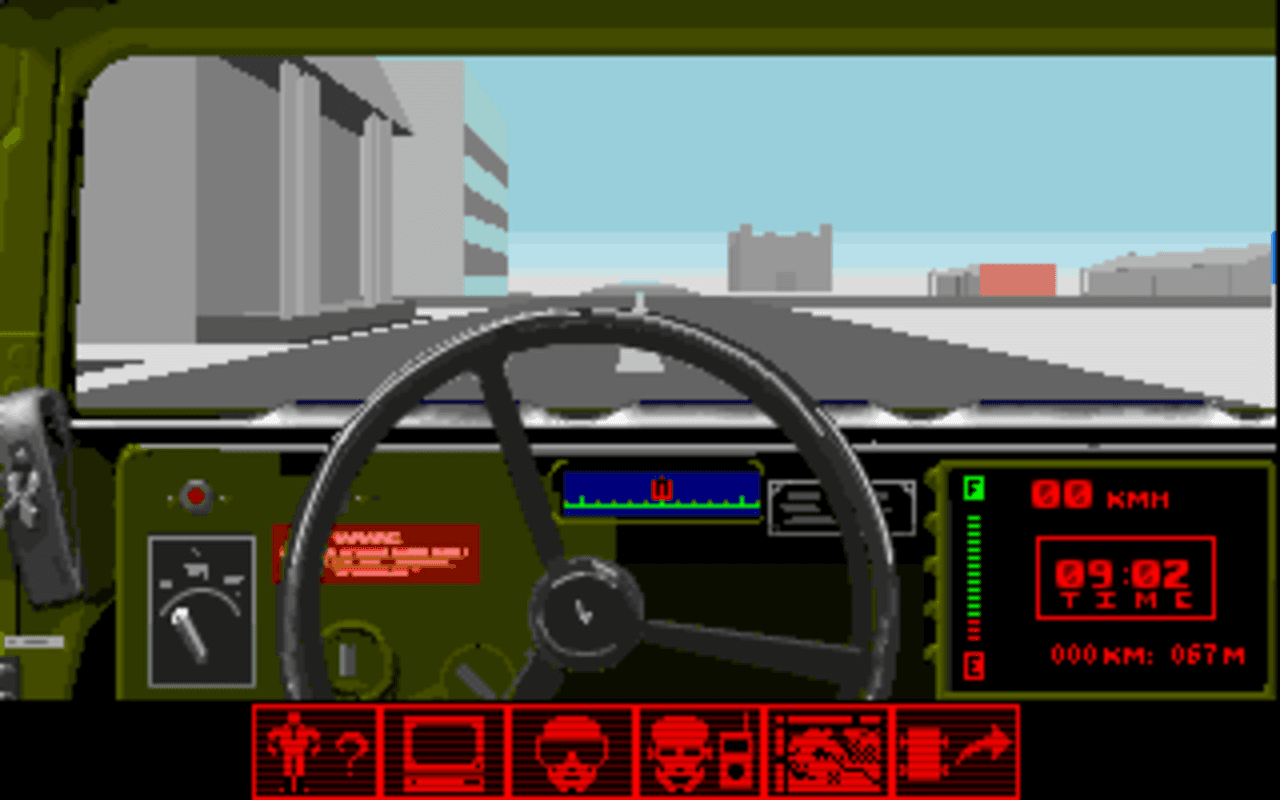
As a final note, controlling the game is straightforward once you accept its pace: you navigate with the keyboard, confirm choices through menu prompts, and issue commands to squad members during encounters using the interface’s action selections. The best approach is to slow down, read the situation, and treat every move as a deliberate commitment rather than a casual click.
All used codes are publicly available, and the game belongs to its original authors.