The Art of Level Design in Heimdall 2: Into the Hall of Worlds
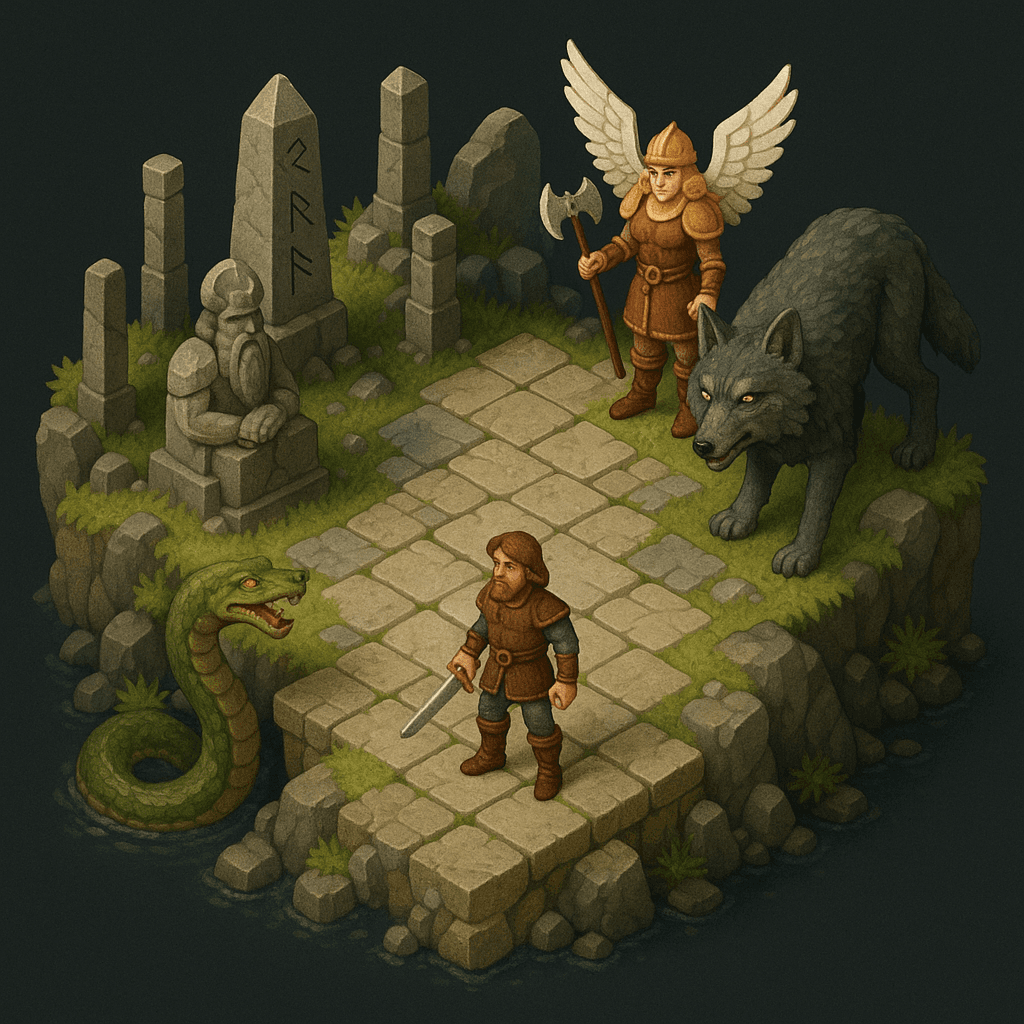
Released in 1994, Heimdall 2: Into the Hall of Worlds stands out in the RPG genre for its dynamic blend of action, adventure, and Norse mythology. Developed by The 8th Day and published by Core Design, this sequel invites players to traverse mythic realms, bridging storytelling with strategic gameplay. What makes Heimdall 2 particularly intriguing is its level design — a masterclass in organically teaching game mechanics while immersing players in its rich narrative world.
Exploring Heimdall 2’s Mythical Realms
Heimdall 2 creates a vivid tapestry of mythological realms for players to explore. Each realm is a testament to intricate level design that guides players naturally through its challenges and story. One such level, the City of Asgard, serves as a focal point where architectural choices reflect the grandeur and complexity of the Norse pantheon itself. Players navigate this realm, learning about both the mythic lore and the game’s mechanics through environmental cues rather than explicit instructions.
The City of Asgard is designed with layers of verticality and interconnected pathways. This not only enhances the sense of exploration but also cleverly directs players to discover new abilities and solve puzzles. Each pathway and hidden area offers insights into the game’s mechanics, encouraging players to experiment and learn as they progress.

Heimdall 2: Into the Hall of Worlds
Organic Learning Through Environmental Storytelling
Heimdall 2’s level design is a masterclass in teaching mechanics without resorting to tutorials. From the moment players embark on their journey, they are gradually introduced to new skills and strategies. The game’s opening level, for example, subtly guides players to understand combat dynamics by placing them in scenarios that require both offensive and defensive tactics.
This design principle extends to puzzle-solving elements as well. The levels are peppered with environmental storytelling — objects, runes, and symbols that hint at solutions, encouraging players to observe and think critically. Such design choices foster an immersive learning experience, where players internalize mechanics naturally as they delve deeper into the mythic landscapes.
Balancing Action and Exploration in Heimdall 2
A key strength of Heimdall 2’s level design lies in its pacing, which balances action with exploration to maintain player engagement. Unlike some games that rush players through a linear path, Heimdall 2 allows a more deliberate pace, encouraging exploration and reflection. This balance is evident in levels like the icy realm of Jotunheim, where players must navigate through hidden paths while facing sporadic combat challenges.
The pacing here is crucial — combat encounters are spaced to build tension, while exploration segments are designed to provide moments of respite and discovery. This rhythm keeps players engaged, offering a dynamic gaming experience that feels both rewarding and challenging.
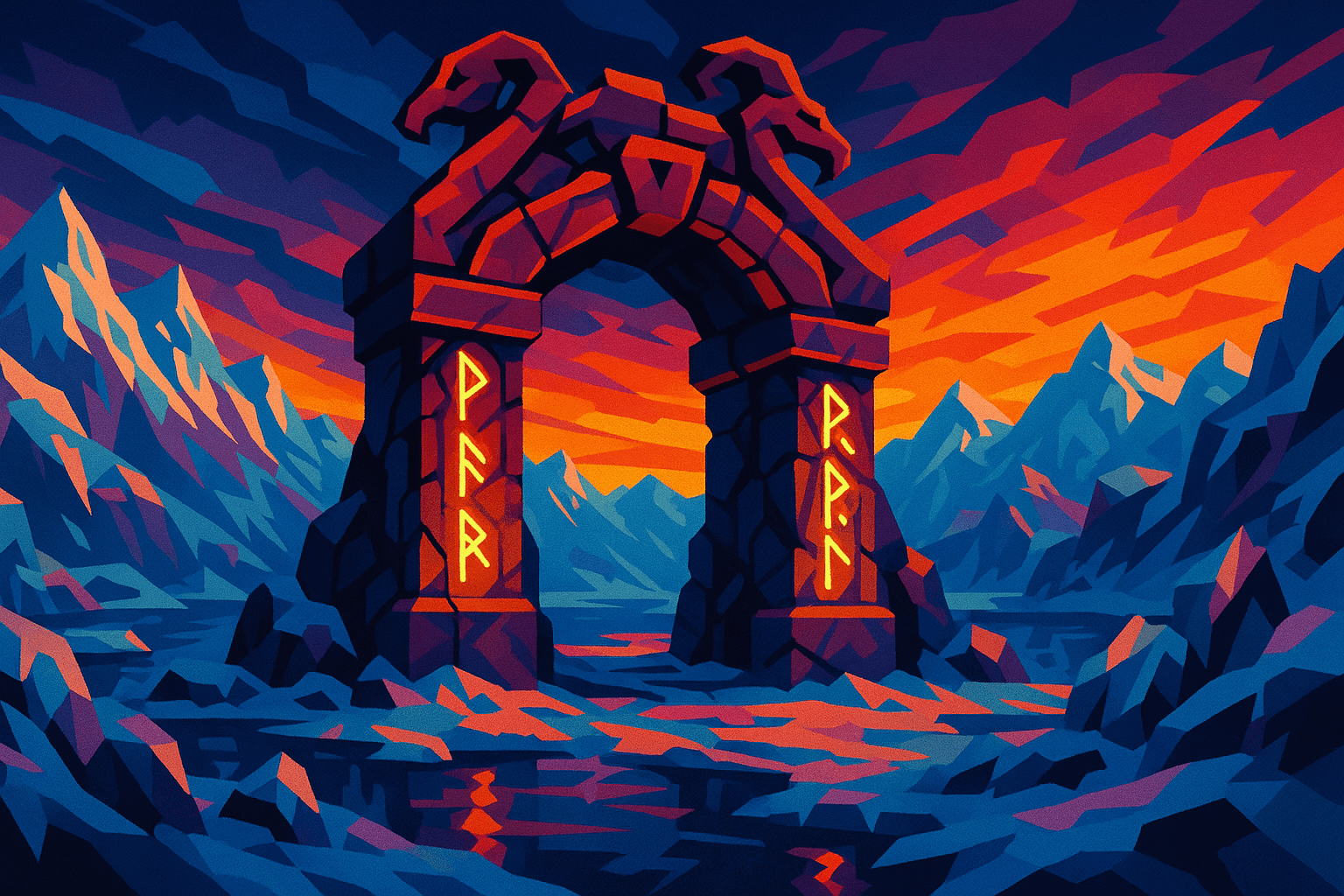
Mythological Aesthetics: Bringing Norse Legends to Life
The aesthetic choices in Heimdall 2 are deeply rooted in its Norse mythology setting, enhancing the game’s immersive quality. Each level is visually distinct, with designs that draw heavily from mythological themes. For instance, the oppressive darkness and rugged terrain of Helheim echo the underworld’s daunting nature, effectively setting the mood for the challenges within.
These visual cues are not merely decorative; they serve as integral parts of the gameplay experience. By aligning the level design with cultural references, Heimdall 2 creates an environment that feels authentic and lived-in, inviting players to explore every nook and cranny for deeper narrative understanding.
Lessons from Heimdall 2: Crafting Immersive Game Worlds
Heimdall 2: Into the Hall of Worlds offers valuable lessons in creating game worlds that are both immersive and instructive. Its level design exemplifies how games can teach mechanics organically, maintaining player engagement without overwhelming them with information. Future game designers can draw inspiration from Heimdall 2’s approach to pacing, exploration, and aesthetic integration, crafting experiences that resonate with players on multiple levels.
As we continue to explore the evolution of RPG design, Heimdall 2 remains a shining example of how thoughtful level design can elevate a game’s narrative and mechanics. By blending mythological depth with strategic gameplay, it sets a benchmark for immersive storytelling that few have matched. For those passionate about game design, Heimdall 2 provides an insightful case study in crafting levels that are as instructive as they are engaging.
Related articles
How to Play Classic DOS Games in Your Browser
Learn how to easily play classic DOS games in your browser using DOSBox and other tools, with tips for optimizing your retro gaming experience.
The Mechanics of LHX: Attack Chopper: A Deep Dive into Flight Simulation
Explore the innovative mechanics of LHX: Attack Chopper, a defining title in flight simulation, and discover how its gameplay set it apart.