Guided Journeys: The Art of Level Design in Putt-Putt Goes to the Moon
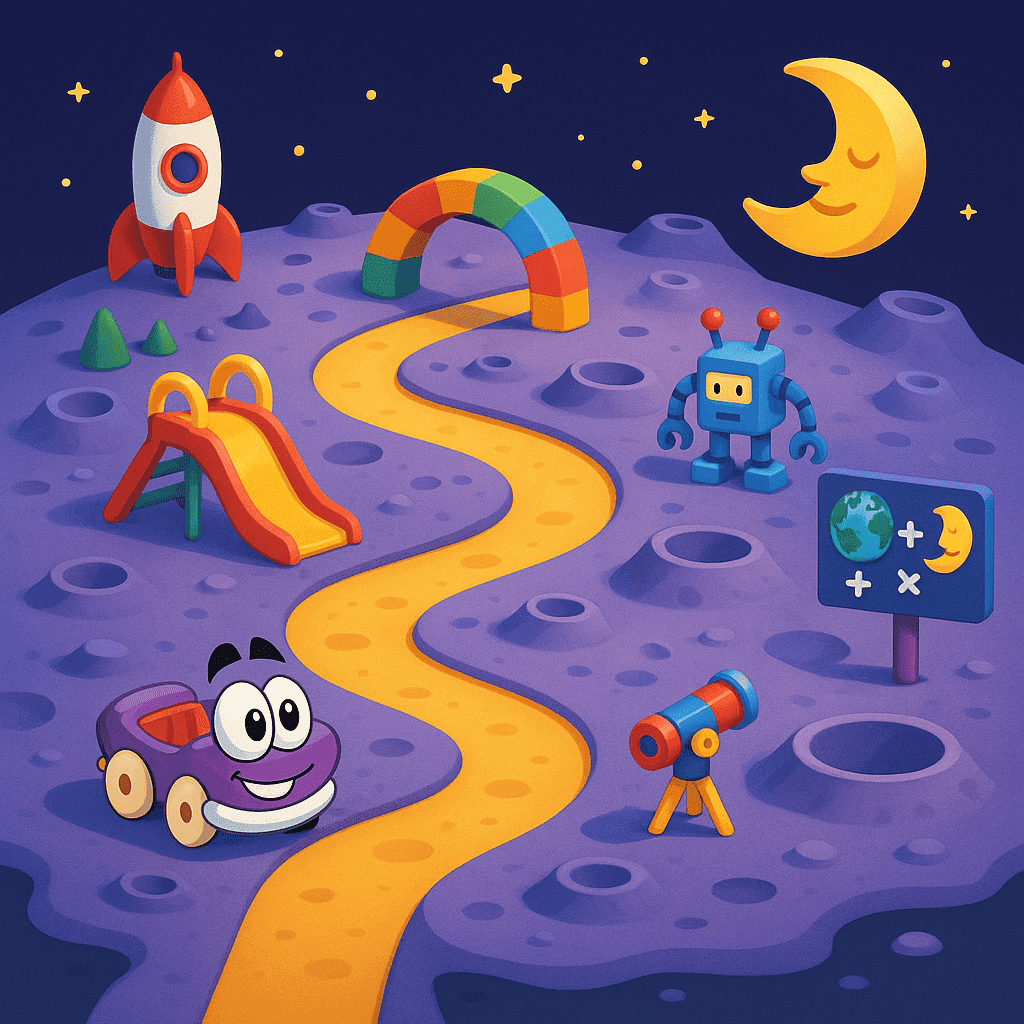
In the world of children’s adventure games, level design plays a pivotal role in shaping the player’s experience. Putt-Putt Goes to the Moon, developed by Humongous Entertainment, Inc., exemplifies how thoughtful level design can guide players through a story, teaching mechanics without overt tutorials. This classic 1993 adventure game offers not just entertainment, but a learning journey filled with gentle puzzles and interactive scenes.
Setting the Stage: First Level Insights
Upon first entering the game, players are immediately introduced to the charming and vibrant world that is Putt-Putt Goes to the Moon. The opening level serves as an essential introduction, not only to the narrative—a playful lunar mishap—but also to the game’s fundamental mechanics. Without explicit instructions, players learn through exploration as they navigate Putt-Putt, the cheerful purple car, through a series of interactive scenes. This design choice eliminates the need for a traditional tutorial, allowing players to pick up skills organically through engaging in the environment.
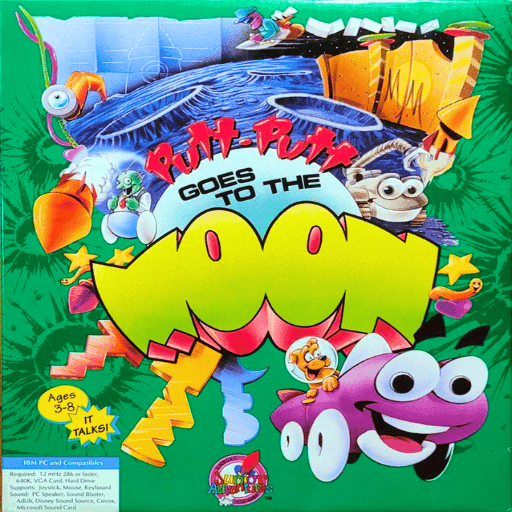
Putt-Putt Goes to the Moon
Balancing Act: Pacing and Challenges
As players advance, the game carefully balances pacing by introducing new challenges that gradually increase in complexity. Each level is crafted to maintain interest without overwhelming young players. For instance, moving from the moon’s surface to the various quirky habitats found in the lunar landscape requires players to employ previously learned skills—like interacting with objects and solving basic puzzles—to progress. This thoughtful progression ensures a smooth learning curve, keeping players engaged while subtly teaching problem-solving skills.
Navigating Through Visual Cues
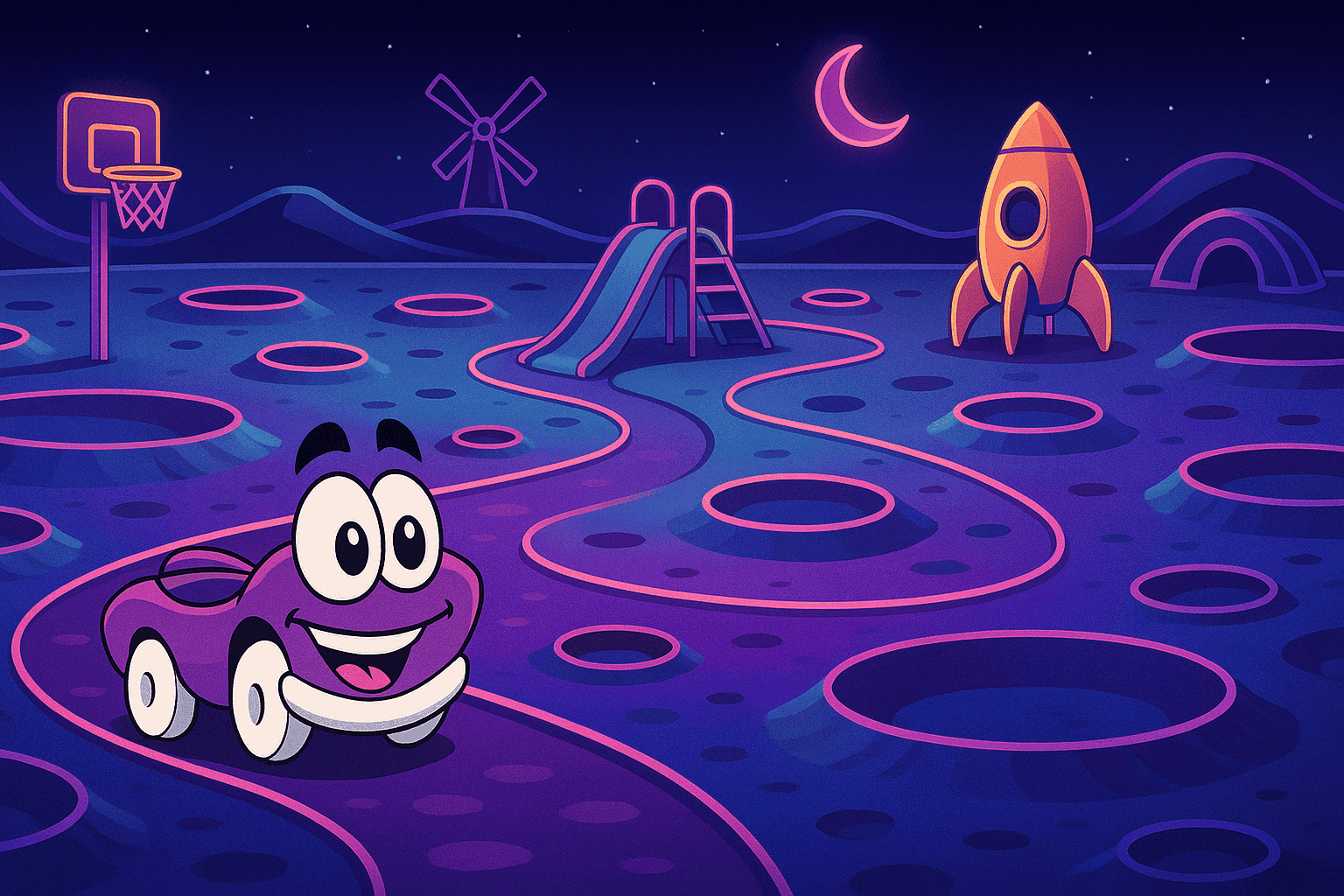
A hallmark of Putt-Putt Goes to the Moon’s design is its use of visual cues to guide players. The game employs vibrant animations and color contrasts to indicate interactive elements, subtly drawing the player’s attention to areas of interest. For example, clickable objects often stand out with bright hues or gentle animations, inviting players to explore and interact. This visual guidance not only assists in navigation but also encourages curiosity and experimentation, fostering a sense of discovery throughout the gaming experience.
Embedded Learning: Educational Aspects
Beyond entertainment, Putt-Putt Goes to the Moon incorporates educational elements woven seamlessly into its level design. The game encourages players to engage in logical thinking and problem-solving, skills critical for young minds. For instance, understanding sequences and cause-effect relationships are subtly integrated into the gameplay. These elements endorse learning through play, a philosophy that Humongous Entertainment has long championed. As players solve puzzles and complete tasks, they not only progress in the game but also build cognitive skills that extend beyond the screen.
Reflecting on Putt-Putt Goes to the Moon, it’s clear that its level design is more than just a map for players; it’s a narrative guide and educational tool. Modern game designers can learn valuable lessons from its ability to engage players through intuitive design and seamless learning experiences. This classic title continues to resonate, not just for its nostalgia, but for its masterful blend of fun and education in adventure gaming.
Related articles
How to Play DOOM (DOS) | A Complete Beginners Guide
The original DOOM series has been increasing in popularity ever since. However, in 2025, people are struggling to understand how classic games worked, and that’s why, here’s the perfect DOOM beginner’s guide so that you can thrive.
Oregon Trail Game: Lessons About Survival, Risk, and Decision-Making
Discover what The Oregon Trail teaches about survival, risk, and decision-making. Learn how choices, scarcity, and uncertainty shape outcomes in one of the most iconic educational games ever made.