Level Design Mastery in Darklands: A Journey Through Medieval Germany
In the realm of DOS role-playing games, Darklands stands as a unique masterclass in level design. Released by MPS Labs in 1992, this game invites players into a meticulously crafted version of medieval Germany, where every corner hides a story waiting to be discovered. Its level design is not just about creating spaces, but about shaping experiences—an art that continues to influence game developers today.
Unpacking the Architecture: Key Levels in Darklands
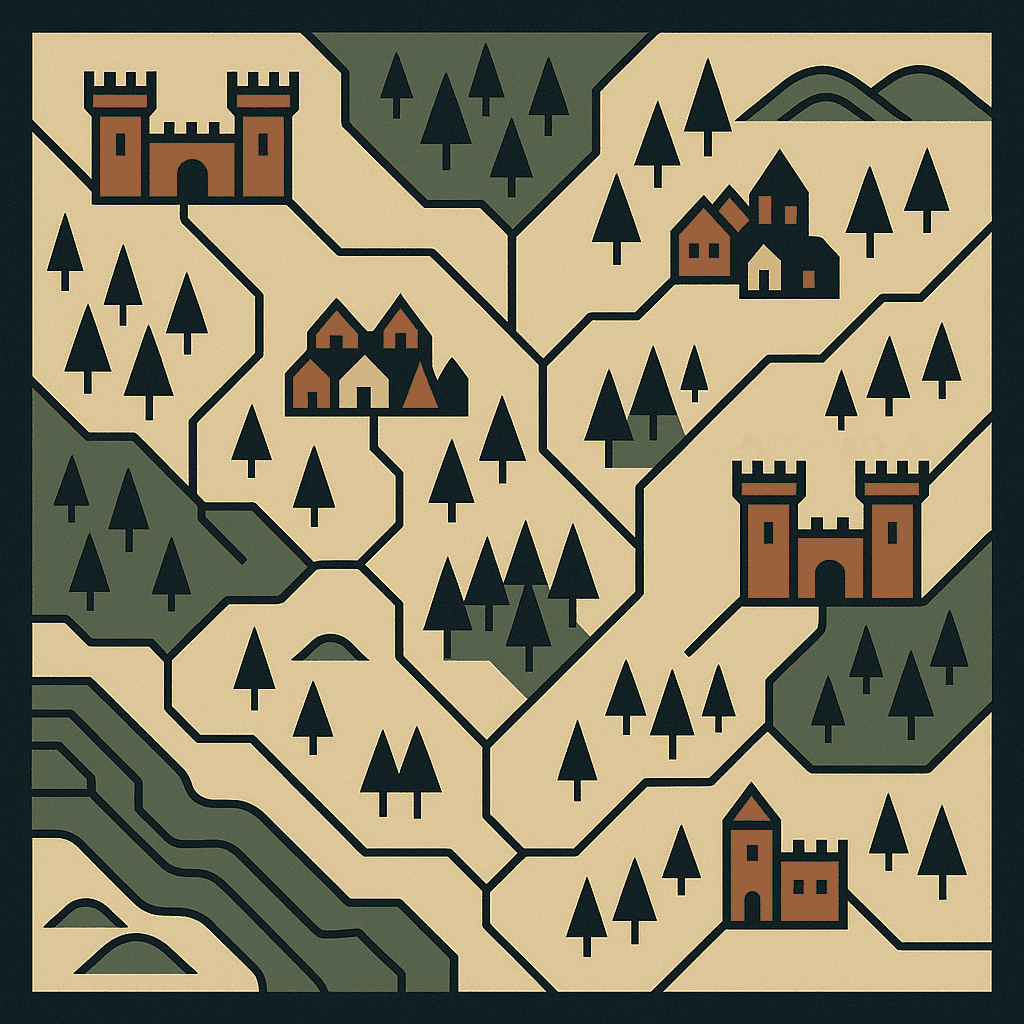
One of the standout features of Darklands is its open-world structure, allowing players to roam freely across a vast medieval landscape. Notable levels include the bustling cities and ominous Alchemist laboratories, each offering unique challenges and stories. The cities are vibrant hubs of activity, filled with NPCs whose interactions drive the narrative forward. In contrast, the Alchemist labs are puzzles wrapped in enigma, forcing players to think critically about their approach. These settings offer a perfect blend of exploration and strategic combat, reinforcing the game’s immersive qualities.
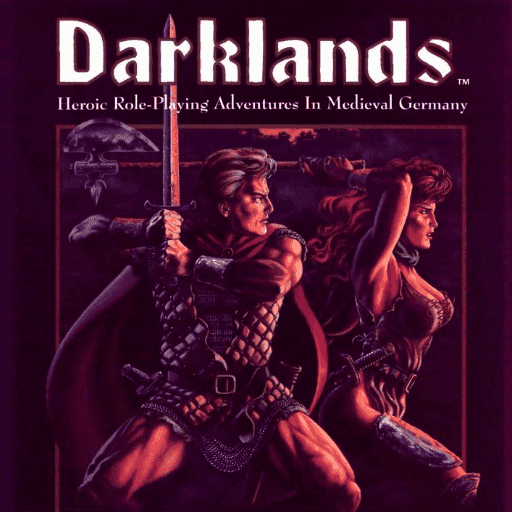
Darklands
Teaching Through Design: Player Learning Without Tutorials
Darklands excels in introducing its mechanics subtly through its level design. Players learn by doing; for instance, navigating through a maze-like forest teaches pathfinding and resource management. Each new area subtly introduces a new mechanic or challenge, ensuring that players are always learning. This design philosophy eschews lengthy tutorials in favor of a more organic approach, enhancing engagement and retention. As players traverse these levels, they are naturally introduced to the game’s complex systems, such as combat strategies and resource allocation, through firsthand experience.
Balancing Act: The Pacing of Challenges and Rewards
Pacing is a critical element in Darklands, masterfully handled to keep players engaged. Challenges are interspersed with moments of respite, allowing for reflection and strategic planning. For example, after surviving a perilous encounter in the wilderness, players are often rewarded with a safe haven to rest and gather resources. This ebb and flow creates a dynamic rhythm that sustains player interest. Each level is deliberately paced to ensure that the thrill of exploration is matched by the satisfaction of overcoming obstacles, making every victory feel earned.
Exploration and Discovery: How Level Structure Encourages Curiosity
The layout of Darklands’ levels is designed to fuel the player’s curiosity. Secret paths, hidden artifacts, and unmarked locations invite players to venture off the beaten path. This encouragement of exploration is not only rewarding but essential for progression. Players often find themselves uncovering hidden narratives or acquiring rare items that aid in their journey. The game’s non-linear structure means that every decision matters, leading to a highly personalized adventure that feels both expansive and intimate.
Narrative Depth: Environmental Storytelling in Medieval Germany
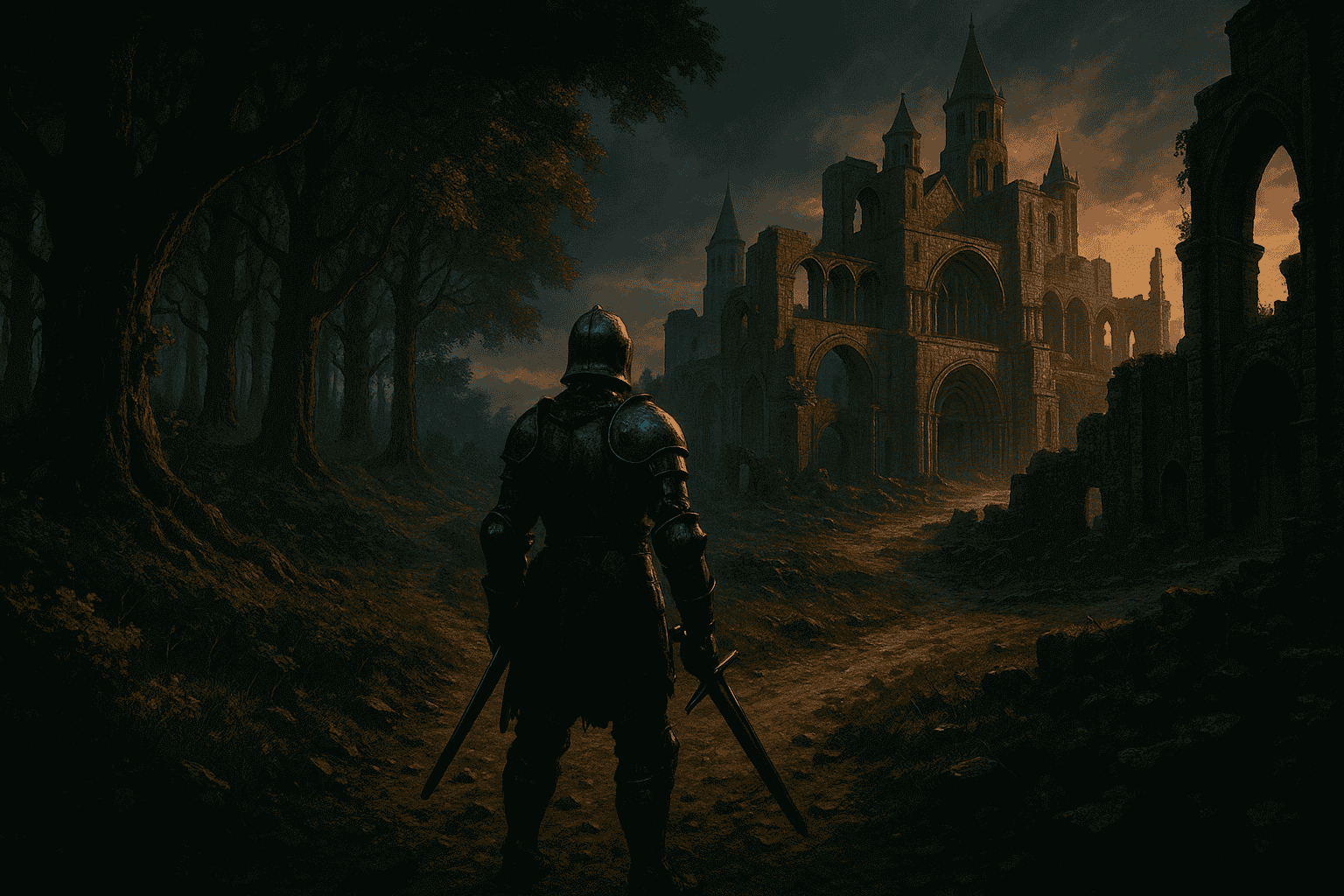
Darklands uses its environment to tell stories in powerful, subtle ways. From the architecture of crumbling ruins to the lore-filled texts found in dusty tomes, every element contributes to the game’s rich narrative tapestry. The environment itself acts as a storyteller, revealing the history and culture of the game’s world. This attention to detail turns each level into a living, breathing entity, immersing players in a seamless blend of history and fantasy. Through atmospheric design, Darklands crafts a narrative experience that feels both grounded and epic.
Darklands exemplifies the power of thoughtful level design in shaping an unforgettable RPG experience. By balancing exploration, pacing, and storytelling, MPS Labs crafted a world that feels as alive today as it did in 1992. For modern developers, the lessons from Darklands remain invaluable: design is not just about creating a space, but crafting a journey. As players, we are reminded of the joy found in discovery, learning, and the stories that unfold within every turn of the path.
Related articles
How to Play Mortal Kombat 1 (DOS): Complete Beginners Guide
A concise beginner’s guide to playing the original Mortal Kombat 1 on DOS, covering emulator setup, keyboard controls and signature special moves for each character.
Oregon Trail Game Explained: Why It Still Matters Today
Learn what the Oregon Trail game is, why it became a classroom legend, and what it still teaches about choices, survival, and history. A simple guide for new and nostalgic players.