Oregon Trail Game Explained: Why It Still Matters Today
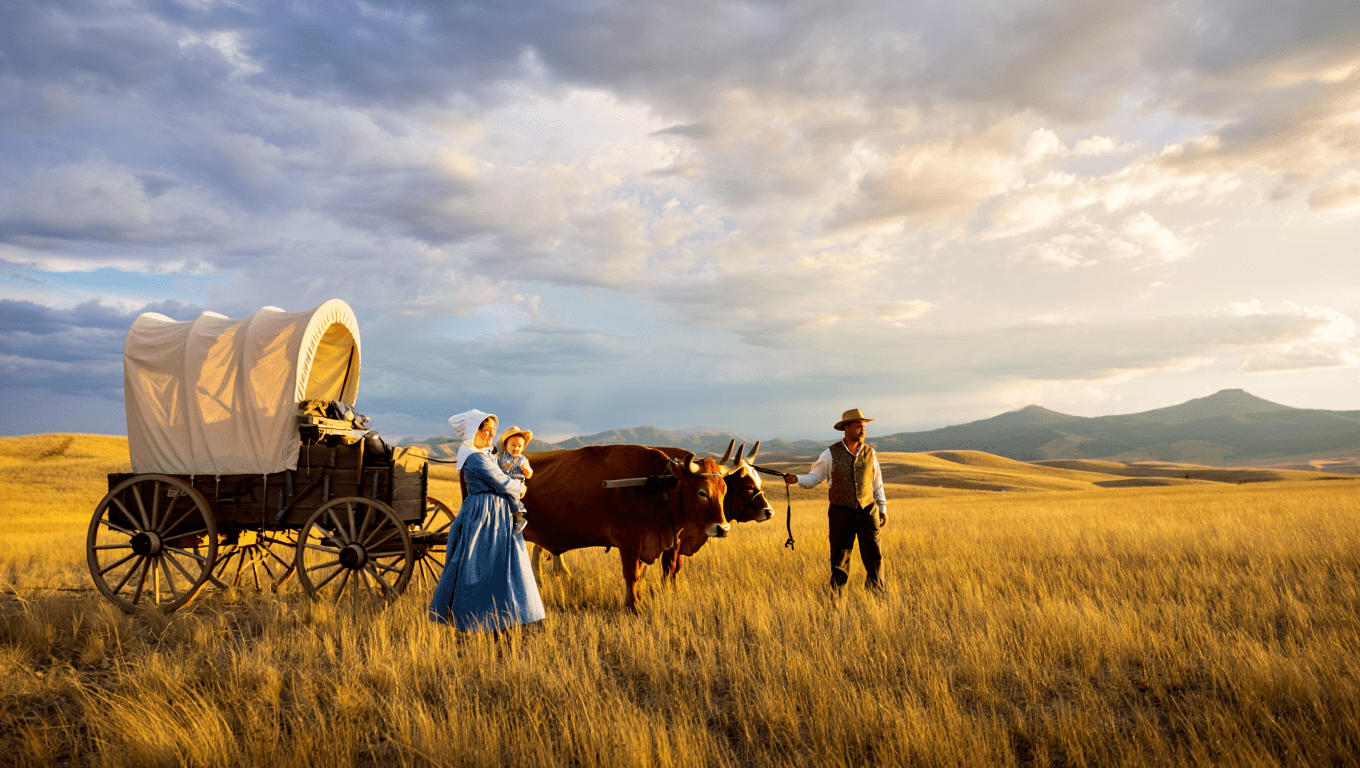
What Is the Oregon Trail Game and Why Is It Still Popular?
If you grew up anywhere near a school computer lab, there’s a good chance you’ve heard someone joke about dying of dysentery. That one line has outlived most internet memes, and it points back to one of the most famous learning games ever made: the Oregon Trail game.
But if you didn’t grow up with it, the hype can sound confusing. Is it just an old-school game people remember fondly? Is it actually about history? And why, decades later, do people still search for it, talk about it, remake it, and teach with it?
The simplest answer is this: the Oregon Trail wasn’t built to be flashy. It was built to make you feel what it means to plan, to choose, and to live with consequences. It turned history into a series of decisions you could understand in your gut, not just in a textbook. That mix of simplicity and pressure is exactly why it still holds up, even today.
A Quick Overview of the Oregon Trail Game
The Oregon Trail game is a trail simulation where you lead a group of settlers traveling from the Midwest to the Oregon Territory in the 1800s. You’re in charge of everything that might matter on a long journey: who’s in your wagon party, how much food and supplies you pack, how fast you travel, when you rest, and how you deal with problems that appear along the way.
If you’re imagining a smooth road trip, forget it. The game is built around uncertainty. You might get lucky and make strong progress for weeks. Or you might lose oxen, fall sick, run out of food, break a wagon wheel, and watch the entire trip unravel because of one bad choice you made two weeks earlier.
This is why the game hits differently than most history lessons. It’s not saying “here are facts.” It’s saying “here is a situation. Now deal with it.”
And that’s exactly what made it memorable.
How the Game Turned History Into Something You Could Feel
A lot of people remember Oregon Trail as a funny old game, but its real impact comes from how it made Oregon Trail history feel personal.
Most students can memorize that pioneers moved west and faced hardships. But memorizing isn’t the same as understanding.
When you play, you’re suddenly tracking food like it matters. You’re learning that speed isn’t always smart. You’re seeing why planning ahead is important, because if you buy the wrong supplies, you don’t get a redo in real life.
Even simple mechanics create emotional weight. If one member of your party gets sick, the game forces you to choose how to respond. Do you rest and lose time? Do you keep moving and risk making it worse? Do you spend supplies or save them?
None of that feels like a quiz. It feels like responsibility.
That’s the secret sauce behind many educational video games. When the learning is tied to choices, it sticks.
Why It Became One of the Most Famous Classroom Games Ever
The Oregon Trail game didn’t become popular because it had the best graphics. It became popular because it fit into classrooms like it belonged there.
Teachers wanted students to engage with history beyond memorizing names and dates. Schools were starting to get computers. Oregon Trail was interactive, easy to understand, and structured in a way that made it perfect for short play sessions.
It also had something most classroom tools don’t: genuine suspense.
Even students who didn’t care about history could get pulled in by the urgency of the journey. You’re always one bad event away from disaster, and that makes you pay attention. In a classroom setting, it also created conversation. Students compared choices. They argued about strategies. They told stories about how their trip went off the rails.
That social element turned it into a shared experience. That’s one reason it became a staple among classic computer games in schools.
The Real Skills Hidden Inside the Game
People often talk about Oregon Trail like it’s pure nostalgia, but it teaches skills that are still relevant now.
Decision-Making Under Pressure
The game forces you to make choices with limited information. That’s a real-life skill. You can’t know what will happen next. You just have to choose the best option based on what you have.
That’s also what makes the game feel fair, even when it’s brutal. It doesn’t punish you randomly. It punishes you for ignoring risks.
Resource Management
Food, spare parts, clothing, medicine, ammo. Everything matters. Spend too much early and you’ll regret it later. Save too much and you might not survive long enough to use it.
This is why the game still appeals to people who like strategy games today. Even if it’s simple compared to modern titles, the core idea is strong.
Trade-Off Thinking
This is the big one. The Oregon Trail game is basically a constant trade-off simulator.
Do you travel faster and risk health problems? Do you travel slower and risk running out of supplies? Do you hunt for food and spend ammo, or conserve ammo and starve?
These trade-offs make the learning feel real. It’s not “pick the right answer.” It’s “pick your consequences.”
That’s learning through games at its best.
Why It Still Feels Relevant in 2026
So why do people still care about it now?
First, it’s a clean example of a game that does a lot with very little. Modern games often have massive worlds and endless features, but Oregon Trail proves you don’t need all that to create tension and meaning.
Second, it taps into a universal idea: the journey is bigger than the destination. You can “win” and still have a terrible story. You can “lose” but feel like you learned something.
Third, there’s a growing interest in learning through interactive experiences. Whether it’s games, simulations, or hands-on tools, people want learning to feel practical. Oregon Trail was doing that decades ago.
And finally, nostalgia is powerful, but nostalgia alone doesn’t keep a game alive this long. Plenty of old games are remembered but not played. Oregon Trail gets replayed because it’s still fun to test your decisions against the unknown.
What New Players Should Expect
If you’re new to the Oregon Trail game and you’re trying it for the first time, here’s what you should know going in.
You Will Lose, and That’s Fine
Oregon Trail is not designed for you to win easily. It’s designed for you to learn. Expect your first few trips to go badly. That’s normal.
The “Right” Strategy Isn’t Always Obvious
Sometimes traveling slowly is smart. Sometimes it’s not. Sometimes hunting is worth it. Sometimes you waste time and ammo.
The game’s strength is that it’s not a simple formula. It keeps you thinking.
The Experience Is the Point
If you treat it like a speedrun challenge, you’ll miss what makes it special. The Oregon Trail is about the story that unfolds from your choices.
What the Game Gets Right About Pioneer Life
It’s important to be honest here. No game can perfectly recreate the complexity of real life on the trail. But Oregon Trail gets something emotionally accurate: the sense of vulnerability.
Pioneer travel involved uncertainty, sickness, weather, and limited resources. The game reflects that by showing you how quickly things can fall apart.
That’s one reason it’s so effective at teaching Oregon Trail history in a way that feels human.
It also highlights something people often forget about westward expansion: it wasn’t just adventure. It was risk, loss, and sacrifice.
Why People Still Share Oregon Trail Stories
Part of what kept Oregon Trail alive is that it creates stories that are easy to share.
People remember the trip where everything went wrong at the last river crossing. They remember the time they hunted too much and ran out of ammo. They remember losing a party member right near the end.
Those stories stick because the game gives you ownership. It’s not a scripted narrative. It’s your chain of decisions, your luck, your mistakes.
That’s why it became iconic among classic computer games. It wasn’t just entertainment. It was a personal experience.
The Oregon Trail Game’s Legacy in Modern Gaming
If you look at modern games that involve survival, strategy, and resource management, you can see the same DNA.
Games today are more complex, more detailed, and more realistic. But the basic idea of making players manage limited resources while facing unpredictable challenges is exactly what Oregon Trail did.
It also helped shape how people think about educational video games. It proved that learning can be engaging when it feels like a real problem to solve, not a lesson being pushed at you.
In that sense, Oregon Trail isn’t just a relic. It’s a foundation.
Final Thoughts: Why It Still Deserves the Attention
The Oregon Trail game is still popular because it does something rare. It teaches without preaching. It entertains without needing modern tricks. And it makes history feel like a set of human choices, not a list of facts.
Whether you’re revisiting it for nostalgia or trying it for the first time, you’re stepping into a game that shaped an entire generation’s relationship with history and learning.
That’s not something most games can claim.
And that’s why people still talk about it.
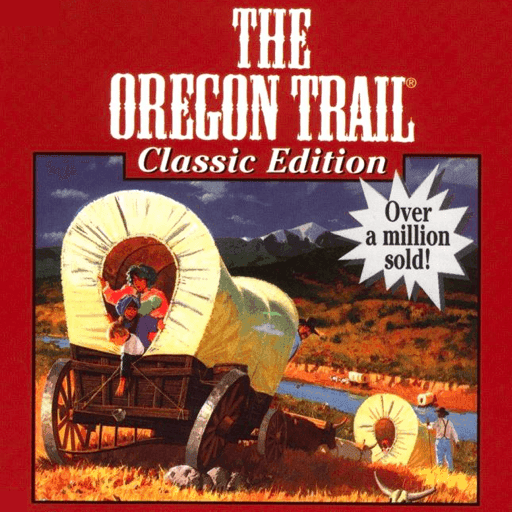
The Oregon Trail
Is the Oregon Trail game historically accurate?
It’s not a perfect representation of history, but it captures the real challenges of long-distance travel in the 1800s and the uncertainty pioneers faced. It’s best viewed as a simplified learning tool rather than a complete documentary.
Why was the Oregon Trail game used in schools?
Because it turned history into interactive choices. Students learned about planning, survival, and consequences in a way that felt engaging and memorable, which made it ideal for classroom learning.
Is the Oregon Trail game still played today?
Yes. People still play it for nostalgia, and newer versions keep it available for modern audiences. It remains one of the most talked-about and recognized educational games ever made.
What does the Oregon Trail game teach?
It teaches decision-making, basic resource management, and trade-off thinking. It’s also a fun gateway into learning about westward expansion and pioneer life.
Why is the Oregon Trail game considered a classic?
Because it had cultural impact, stayed memorable across generations, and proved that learning games can be genuinely fun. It’s widely recognized as one of the most important classic computer games in education history.
Related articles
Why burntime’s post-apocalyptic strategy still matters
Explore why Burntime's unique blend of strategy, survival, and storytelling remains relevant to gamers today, offering timeless gameplay that modern titles struggle to match.
How to Play The Oregon Trail: A Beginners Guide
Discover how to play The Oregon Trail, the legendary survival adventure game. Learn essential strategies, avoid common mistakes, and ensure your pioneers make it to Oregon safely.