The Demoscene’s Lasting Influence on DOS Gaming
Imagine a world where code is transformed into art, and where creative minds compete not just with game mechanics, but with the beauty and complexity of their digital creations. In the 1980s and 90s, this world was a reality in the form of the Demoscene, a vibrant subculture dedicated to pushing the boundaries of what computers could achieve artistically. This movement didn’t just stop at artistic showcases; it spilled over into the realm of gaming, profoundly influencing the development of many classic DOS games.
The Demoscene: A Digital Renaissance
The Demoscene originated in the late 1970s and truly flourished throughout the 80s and 90s. It was a community of programmers, artists, and musicians who created ‘demos,’ which were short, real-time presentations showcasing their technical and artistic prowess. These demos were often created to show off the capabilities of hardware and software, turning coding into an art form. The cultural significance of the Demoscene was immense, as it laid the groundwork for many of the aesthetic and technical innovations later seen in the gaming industry.
DOS Games Influenced by the Demoscene: Commander Keen and More
Several classic DOS games drew heavily from the Demoscene’s innovative techniques. Commander Keen: Keen Dreams is a notable example, where its vibrant pixel art and imaginative worlds echo the visually stunning demos of the time. Similarly, Abuse by Crack dot Com utilized atmospheric design and mechanics reminiscent of the technical showcases seen in many demos. These games didn’t just borrow aesthetics; they integrated the spirit of innovation and creativity that the Demoscene was known for.
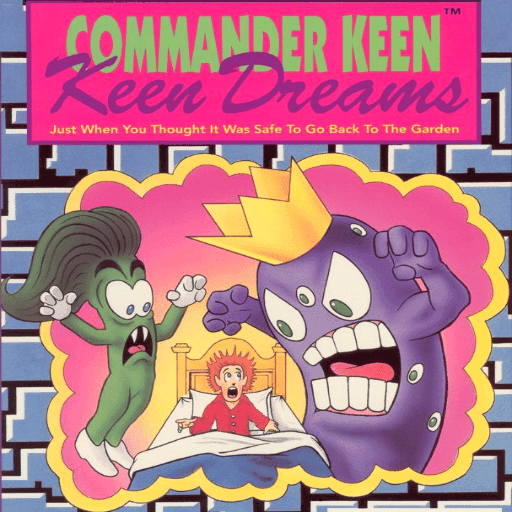
Commander Keen: Keen Dreams
From Code Artists to Game Developers: A Seamless Transition
The transition from creating demos to developing full-fledged games was a natural progression for many in the Demoscene. Individuals who honed their skills in this community brought their substantial programming expertise and creative vision into the gaming industry. Notable figures who emerged from the Demoscene included key developers at id Software, who went on to create groundbreaking titles like Doom. The same technical mastery and artistic ambition that fueled their demos were evident in their game design, profoundly impacting the gaming landscape.
Technical Innovations: From Demos to Gameplay Mechanics
Many technical innovations seen in DOS games can trace their roots back to the Demoscene. Effects like parallax scrolling, complex sprite animations, and dynamic lighting were first experimented with in demos, later becoming staples in game development. For instance, the fluid character animations in the game Bio Menace from Apogee Software were reminiscent of the dynamic visuals pioneered in demos. These technical advancements provided players with more immersive and visually appealing gaming experiences.
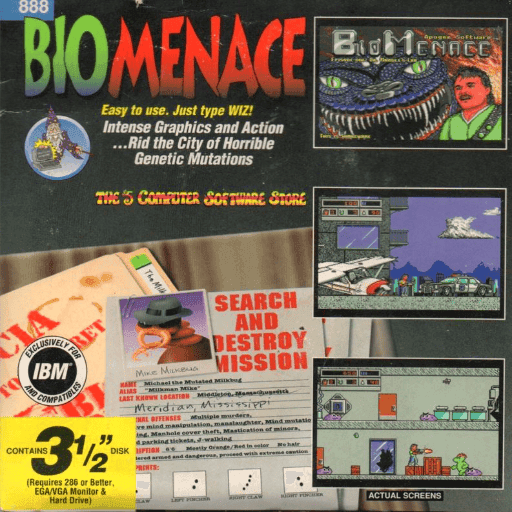
Bio Menace
The Melodic Echo of the Demoscene in DOS Game Music
A significant yet often overlooked contribution of the Demoscene to DOS games was its influence on music and sound design. The chiptune and synthesized music that defined many demos became a signature element in numerous DOS games, creating soundscapes that were both nostalgic and groundbreaking. This musical influence is evident in games like Alien Carnage, where the soundtrack played a crucial role in setting the tone and enhancing the gameplay experience.
Today, the Demoscene’s legacy continues to inspire a new generation of developers and artists. Its emphasis on pushing technological boundaries and fostering a community of creativity remains relevant in the modern gaming landscape. As game developers continue to innovate and explore new frontiers, the spirit of the Demoscene lives on, reminding us of a time when coding was not just a skill, but an art form. The influence of this vibrant subculture is a testament to the enduring power of creativity and collaboration in the digital world.
Related articles

The Technical Brilliance of Darklands: Redefining RPGs on DOS
Explore the groundbreaking technical achievements of Darklands and how they set new standards for DOS RPGs.
The Iconic Box Art and Marketing Magic of Caesar II
Explore how Caesar II's box art and marketing played crucial roles in its success and legacy.