Dizzy: The Egg that Defined 90s Platforming

In the early 90s, the gaming world was introduced to a character unlike any other: Dizzy, the adventurous egg. With his quirky charm and daring quests, Dizzy managed to carve out a unique niche during a vibrant era of gaming. Standing alongside the likes of Commander Keen and The Secret of Monkey Island, Dizzy’s adventures were characterized by a blend of platforming and puzzle-solving, capturing the hearts of both young and old. As we look back at this iconic figure, we see how Dizzy’s design and storytelling made him a memorable part of gaming history.
Crafting Dizzy’s Iconic Look
Dizzy’s visual design is simple yet striking—an anthropomorphic egg with a perpetual grin and a red boxing glove. Created by The Big Red Software Company Ltd., his design was both endearing and functional. This approachable look made the game inviting, while allowing for expressive animations that enhanced player engagement. The hand-drawn visuals of Dizzy: Prince of the Yolkfolk evoke a sense of whimsy that complements its light-hearted narrative. Unlike many characters at the time, Dizzy’s simplicity was his strength, making him instantly recognizable and easy to animate within the technical limits of 1993.
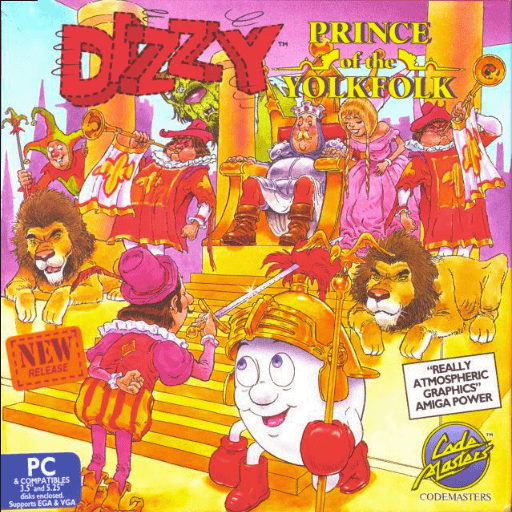
Dizzy: Prince of the Yolkfolk
The Heart of Dizzy’s Adventures
Dizzy’s escapades are filled with narrative elements that resonate with a sense of adventure and curiosity. The stories, while seemingly straightforward, often explore themes of courage and friendship. In Dizzy: Prince of the Yolkfolk, players navigate through enchanted forests and eerie catacombs, solving puzzles that require both logic and creativity. The narrative keeps players engaged, blending humor with the thrill of exploration. This balance of storytelling and gameplay is what sets Dizzy apart from contemporaries, offering a multifaceted experience that goes beyond mere platforming.
Dizzy’s Influence on Platformer Design
During the rise of 90s platformers, Dizzy introduced elements that would influence future game designs. His adventures incorporated inventory-based puzzles, a feature that encouraged players to think critically about item usage within the game world. This mechanic, combined with the platforming elements, offered a depth that was not as common in other titles of the time. Dizzy’s ability to blend different gameplay elements into a cohesive experience was a precursor to more complex genre hybrids. His legacy can be seen in how modern games continue to integrate storytelling with puzzle-solving mechanics.
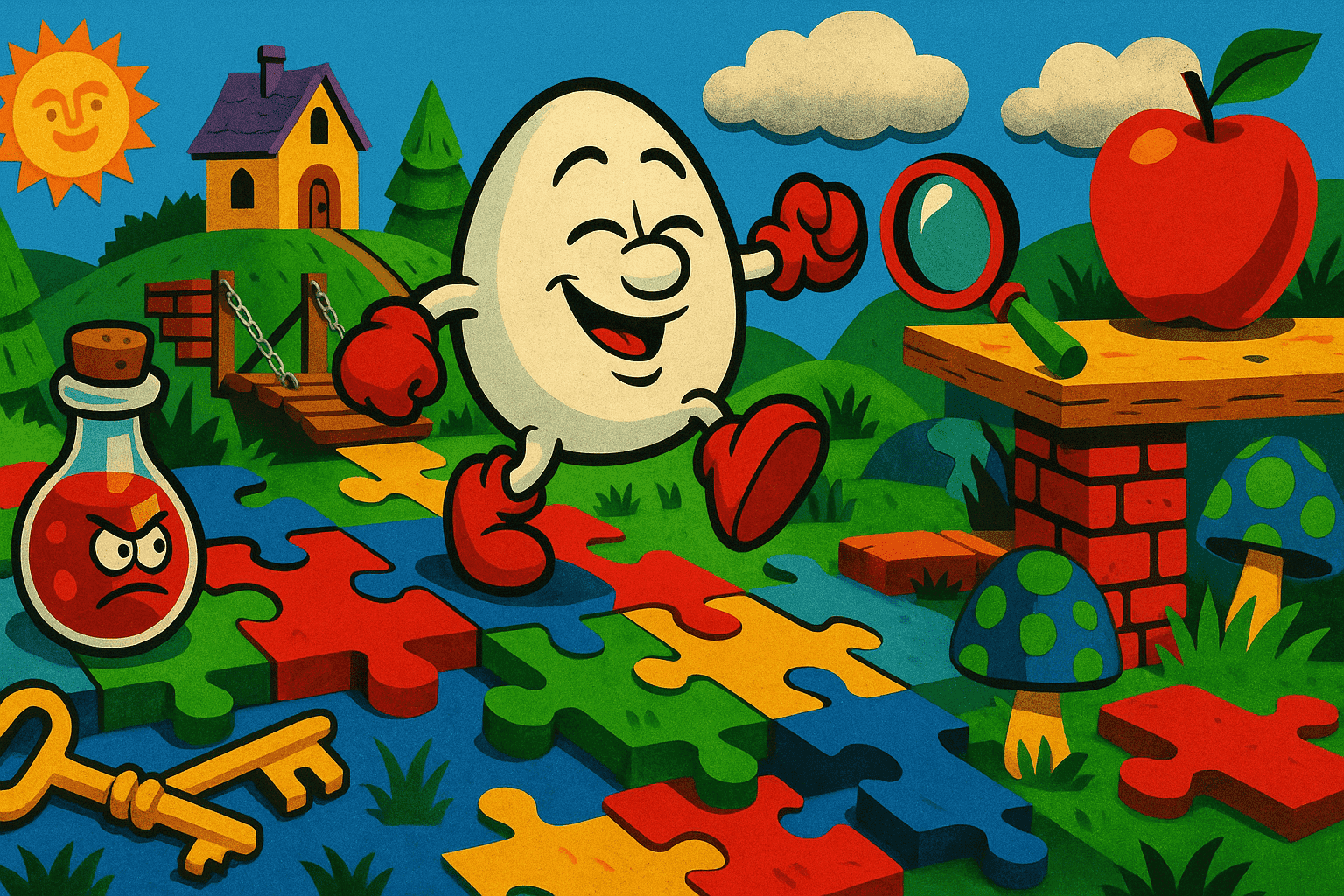
Dizzy vs. Other 90s Icons
Comparing Dizzy to other iconic characters of the 90s, such as Mario or Sonic, highlights his unique position in the gaming landscape. While Mario was known for his precise platforming and Sonic for his speed, Dizzy stood out with his puzzle-centric gameplay and narrative depth. This differentiation allowed him to carve out a niche that was appreciated by fans of both action and adventure genres. His charm and simplicity made him approachable, while his complex puzzles kept players coming back for more.
Dizzy’s Legacy in Modern Gaming
Reflecting on Dizzy’s impact, it’s clear that his character and the mechanics of his games have left a lasting impression. Modern game developers have drawn inspiration from the way Dizzy’s adventures balance storytelling with gameplay. Characters today often exhibit a similar charm and cleverness, traits that make them memorable. While the graphics and technology have evolved, the core principles that made Dizzy a beloved character—engaging narratives, creative puzzles, and distinct design—continue to influence game development. Revisiting Dizzy’s world offers a nostalgic glimpse into the early days of gaming innovation.
Dizzy’s enduring charm and innovative gameplay have cemented his status as a beloved icon of 90s gaming. His adventures not only entertained a generation but also paved the way for future game design. Whether you’re revisiting his world or discovering it for the first time, Dizzy represents the creativity and joy of early platformers. His legacy lives on, inspiring both developers and gamers alike to explore the endless possibilities of storytelling and design.
Related articles

The Technical Brilliance of Darklands: Redefining RPGs on DOS
Explore the groundbreaking technical achievements of Darklands and how they set new standards for DOS RPGs.
The Evolution of DOS Emulators
Explore the evolution of DOS emulators, from early command-line tools to modern virtual environments. Learn how they preserve legacy software and ensure compatibility with today’s systems.