Oregon Trail Historical Accuracy: What the Game Gets Right (and What It Simplifies)
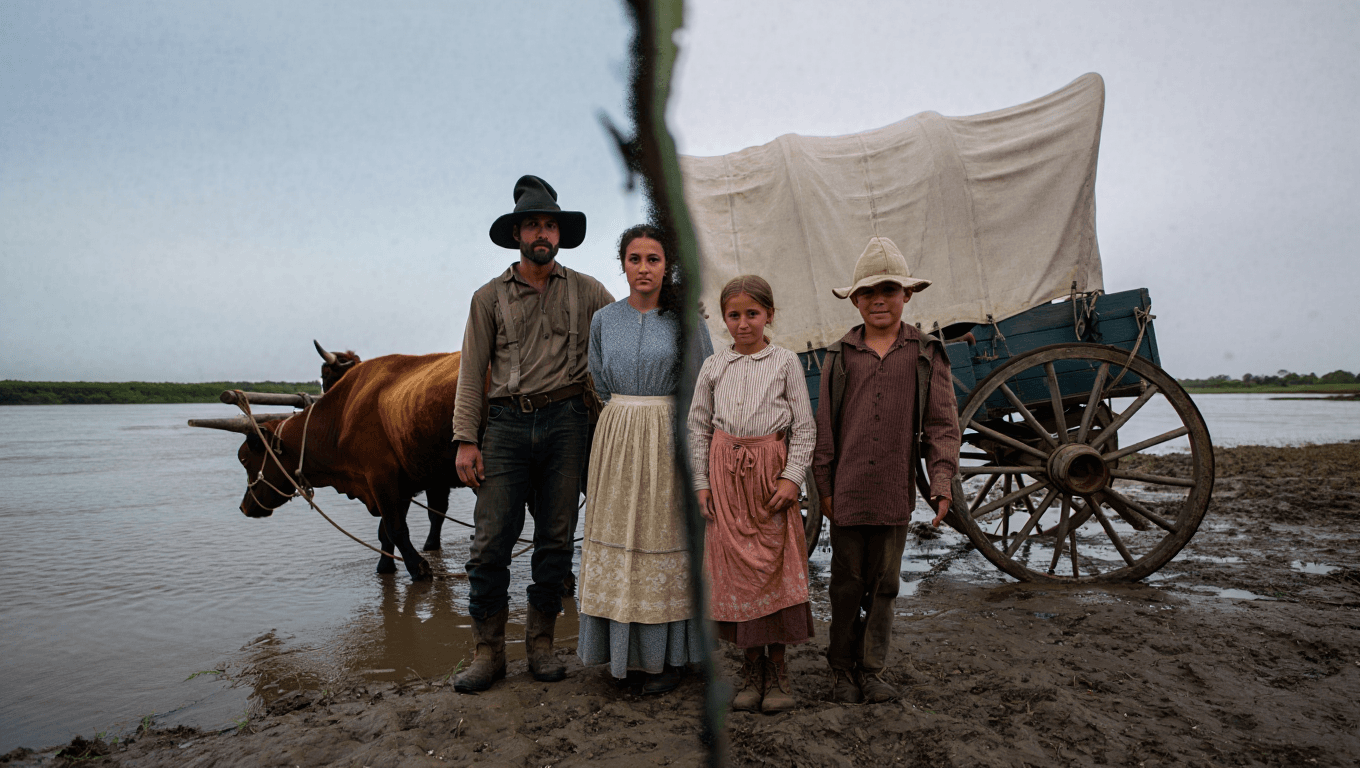
How Accurate Is the Oregon Trail Game Compared to Real History?
The Oregon Trail game has a funny reputation. People remember it for wild endings, broken wagon wheels, and that one line everyone quotes. But underneath the jokes is a real question that comes up again and again, especially for teachers, parents, and history fans:
How accurate is it?
If you’ve ever wondered whether the game reflects real pioneer life or just uses history as a background, you’re not alone. The short answer is that the game is not a perfect simulation. It simplifies a lot. It speeds up time, compresses geography, and turns complex realities into quick decisions.
But the deeper answer is more interesting: the game captures several key truths about the journey in a way that feels emotionally accurate. It may not teach every detail, but it teaches the feeling of uncertainty, risk, and responsibility. That’s exactly why it became such a powerful learning tool.
This guide breaks down what the game gets right, what it simplifies, and what you should know if you want to connect the experience to real Oregon Trail facts and American frontier history.
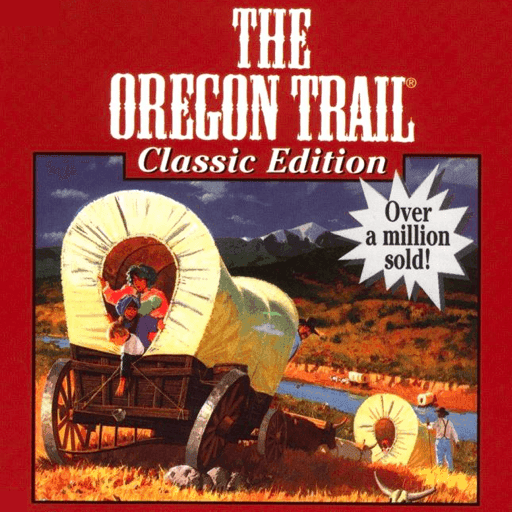
The Oregon Trail
What the Oregon Trail Actually Was in Real Life
Before we compare the game to history, it helps to define what “the Oregon Trail” means outside the screen.
The Oregon Trail was a network of wagon routes used mainly in the 1840s through the 1860s, stretching roughly from the Missouri River region toward the Willamette Valley in Oregon. The journey was long, physically demanding, and filled with risk. Families and individuals traveled for land opportunities, economic reasons, or a mix of both.
This movement became part of larger westward expansion, which shaped the United States in major ways. It also involved consequences that many older school lessons ignored, including the displacement of Indigenous communities and conflict tied to land and power.
The game usually focuses on the settler viewpoint, which is one of the areas where it simplifies the historical reality. Still, it can open the door to deeper learning if it’s paired with fuller context.
What the Game Gets Right About Pioneer Life
Even though it simplifies the world, the Oregon Trail game nails some core truths about pioneer life.
1. The Constant Pressure of Limited Resources
One of the most accurate parts of the game is the feeling that you never quite have enough. Food matters. Supplies matter. One broken part can become a big problem. That reflects real life.
Historical accounts of wagon travel include constant planning: how much food to bring, what tools to pack, how to manage animals, and when to stop. The trail didn’t offer easy restocking. If you ran short, you had to solve the problem with what you had, or you suffered.
The game turns that into clear mechanics: buy supplies, manage them, and hope you planned well. It’s simplified, but the core pressure is real.
2. Illness and Injury Were Serious Threats
Sickness was a real danger for travelers. The game’s focus on disease is exaggerated in how it’s remembered, but it points to a truth: medical care was limited, and illness could derail the journey.
The trail involved harsh conditions, fatigue, accidents, contaminated water, and limited nutrition. Even minor problems could become major ones when you were far from help. The game reflects this by forcing you to decide whether to rest, push forward, or use supplies.
That part of Oregon Trail historical accuracy holds up in principle, even if the specific illness outcomes are simplified.
3. River Crossings Were Risky
Many players remember the stress of river crossings, and that stress makes sense historically. Rivers could be dangerous, especially with wagons and animals. Choosing where and how to cross mattered.
Real travelers had to evaluate water depth, current strength, weather, and time of year. They sometimes waited for better conditions or used ferries where available. The game makes crossings into a dramatic moment, but the underlying idea is accurate: rivers were a major decision point.
4. Equipment Failure Was a Big Deal
A broken wagon wheel, a snapped axle, damaged supplies, or lost animals could slow you down or force you to abandon items.
In real travel, maintenance mattered constantly. Wagons were under strain. Animals got injured. Tools broke. Repairs took time and skill. The game’s breakdown events mirror that reality in a simplified form, which is why it feels believable even today.
Where the Game Simplifies or Skips History
Now for the other side. The game makes choices to keep gameplay manageable. Those choices create gaps between the game and real life.
1. The Journey Was Often Slower and More Complex
The game moves you along at a pace that keeps it playable. In reality, travel speed depended heavily on weather, health, trail conditions, and group experience. Some parties made good time, others struggled.
The game also compresses geography. It gives you landmark names and a sense of distance, but it can’t fully represent how huge and varied the route was. Real travelers dealt with deserts, plains, mountain passes, and long stretches with limited resources.
The game is trying to teach a concept, not replicate every mile.
2. Social and Cultural Realities Are Mostly Missing
Real wagon trains were social systems. People traveled together, helped one another, argued, traded, and formed temporary communities.
In the game, your party is mostly isolated. You meet others in limited ways, but the deeper human dynamics are not front and center.
That matters because history is not just survival logistics. It’s relationships, conflict, cooperation, and different lived experiences. The game hints at it, but doesn’t explore it in depth.
3. Indigenous Perspectives Are Not Properly Represented
This is one of the biggest limitations. Westward expansion did not happen in an empty world. Indigenous nations were already living across the lands settlers moved through.
The game’s older versions often treated Indigenous people as brief encounters or background characters. That framing can distort reality and remove critical context from American frontier history.
If you’re using the game for learning, it’s important to add context: the trail was part of a broader national expansion that involved land pressure, treaties, conflict, and displacement.
The game is a starting point, not the full story.
4. The Causes of Death Can Be Misleading
The way people joke about the game makes it sound like one specific illness was the main killer. Real mortality on the trail came from a mix of causes, and not all were equally common.
Accidents, disease, and harsh conditions all mattered. Water-related illness was a real issue, but the game reduces complex medical realities into a few dramatic labels. It’s more about teaching risk than teaching medical history.
So, is the game “wrong”? Not exactly. It’s simplified.
The Game’s Real Strength: Emotional Accuracy
Here’s the part that matters most if you’re asking about accuracy.
The Oregon Trail game is not perfectly fact-accurate, but it is emotionally accurate in a way many history lessons are not.
It teaches that decisions have consequences. That preparation matters. That luck matters. That the environment can ruin a good plan. That small problems can grow.
When people say the game taught them something, they often mean it taught them what it feels like to carry responsibility for a group with limited options.
That emotional understanding supports learning. It makes people curious. It pushes them to ask questions and look up Oregon Trail facts. That’s why the game has stayed relevant.
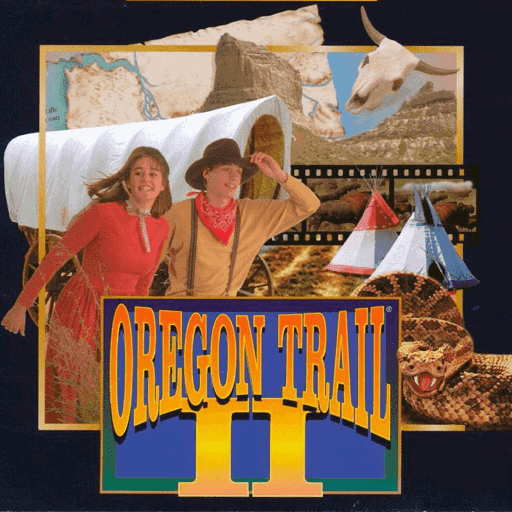
Oregon Trail II
How to Use the Game as a Gateway Into Real History
If you want the game to lead into real Oregon Trail history, here are practical ways to connect it.
Compare Game Events to Real Accounts
After a playthrough, pick one moment and research it. For example:
If someone died of illness, look up common health challenges on the trail. If you struggled with river crossings, explore how travelers handled major rivers. If you ran out of food, research how people planned supplies and how hunting actually worked on the journey.
This turns the game into a question generator instead of a self-contained lesson.
Talk About What the Game Leaves Out
A smart way to improve historical understanding is to ask what’s missing. The game is a narrow lens, mostly focused on settler logistics. Real history includes more viewpoints and more consequences.
Adding that context doesn’t ruin the game. It makes the learning more honest.
Use the Game to Teach Systems Thinking
The game is a basic systems model: resources, health, time, and risk all interact. That’s why it’s still used in education. It helps people see how interconnected decisions can be, which is a valuable skill beyond history.
This is a good example of how Oregon Trail historical accuracy can be measured in more than one way. It may not be a perfect factual record, but as a model of risk and trade-offs, it teaches something real.
So, Is the Oregon Trail Game “Accurate”?
If you mean “is it a detailed documentary of the 1800s,” then no. It simplifies, compresses, and skips key context.
If you mean “does it represent the risks and challenges of wagon travel in a way that helps people understand,” then yes, in important ways. It captures essential truths about planning, scarcity, uncertainty, and how quickly a journey can change.
The best way to think about it is this: the Oregon Trail game is not a history book. It’s a doorway.
It invites you into the topic, gives you a feel for the stakes, and leaves you curious enough to learn the real story.
And that’s why it still matters.
Is the Oregon Trail game based on real events?
Yes, it’s based on the real migration routes used during westward expansion, but it simplifies the timeline, geography, and many realities to keep the game playable.
What does the Oregon Trail game get right historically?
It accurately reflects the importance of planning, limited resources, equipment failure, risky river crossings, and how illness could threaten a group on a long journey.
What does the Oregon Trail game leave out?
It largely leaves out the full social complexity of wagon trains, the broader political context of westward expansion, and Indigenous perspectives that are essential to understanding American frontier history.
Is the Oregon Trail game good for learning history?
It can be, especially as a starting point. It works best when paired with discussion or research that adds real facts, broader context, and multiple perspectives.
Why do people still talk about the Oregon Trail game?
Because it creates memorable stories and teaches trade-offs through experience. It’s also a cultural icon among classic computer games and educational video games.
Related articles
The Beautiful Tricks Behind ‘Smart’ Enemies in DOS Games
Explore how DOS games crafted the illusion of intelligent enemies through clever programming, enhancing player experience.
The Influence Tree of Betrayal: From Krondor to its Legacy
Explore the narrative depth and enduring legacy of Betrayal at Krondor, a game that transformed RPG storytelling.