From Rogue Beginnings to Ultima’s Ascendancy: The DOS RPG Evolution
Role-playing games (RPGs) on DOS reshaped the landscape of digital adventures, offering players an interactive experience that fused storytelling, strategy, and exploration. As we trace the lineage from the minimalist charm of Rogue to the complex narratives of Ultima, the evolution of DOS RPGs mirrors the rapid technological advancements of the era. This journey not only highlights pivotal milestones but also underscores the significant impact these games had on shaping the future of the genre.
Rogue: The Dungeon Crawler That Started It All
In the early days of DOS gaming, Rogue emerged as a cornerstone of the RPG genre. Its simplistic yet addictive gameplay relied on randomly generated dungeons and turn-based mechanics. Players navigated through labyrinthine corridors, battling monsters and collecting treasures in an unforgiving environment. This roguelike structure emphasized strategic planning and permadeath, creating a tension-filled experience that captivated players. The influence of Rogue can be seen in countless successors, cementing its legacy as a foundational pillar of RPG design.
Ultima: The Graphics Revolution in RPGs
While Rogue thrived on simplicity, the Ultima series brought a graphical revolution that redefined the RPG genre on DOS. Starting with pixelated visuals, Ultima’s worlds evolved into rich tapestries of color and detail, allowing for greater narrative depth and immersive storytelling. Players could now explore expansive worlds filled with intricate lore, engaging in complex quests that blurred the lines between technology and fantasy. Ultima’s introduction of graphical elements not only set new standards but also expanded the possibilities of what RPGs could achieve.
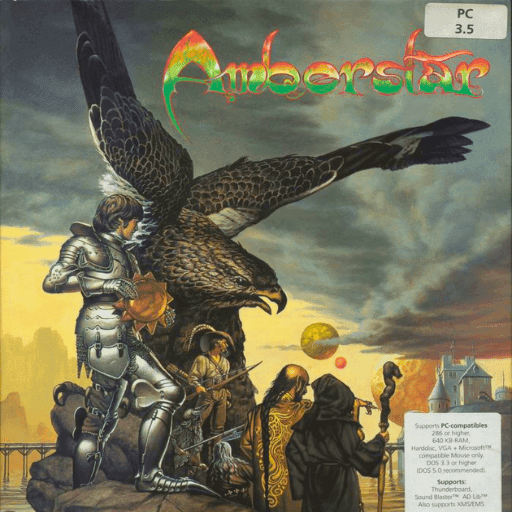
Amberstar
Technological Advances Shaping RPG Storytelling
As DOS technology advanced, so did the complexity and depth of RPGs. The shift from text-based adventures to visually rich worlds allowed developers to craft more nuanced narratives and intricate game mechanics. Titles like Albion and Dark Sun: Shattered Lands showcased the potential of combining strategic combat with deep storytelling. These games leveraged the increasing power of personal computers to enhance character development and world-building, creating immersive experiences that resonated with players long after the screen dimmed.
The Enduring Legacy of DOS RPGs
The influence of DOS RPGs extends far beyond their original releases. They laid the groundwork for modern role-playing games, introducing mechanics and storytelling techniques that continue to be refined and expanded upon today. The blend of creativity and technology found in classics like Anvil of Dawn demonstrates how these early games shaped a genre that thrives on innovation. Even now, the impact of these DOS pioneers can be felt across the gaming industry, inspiring new generations to explore their rich narratives and strategic depths.
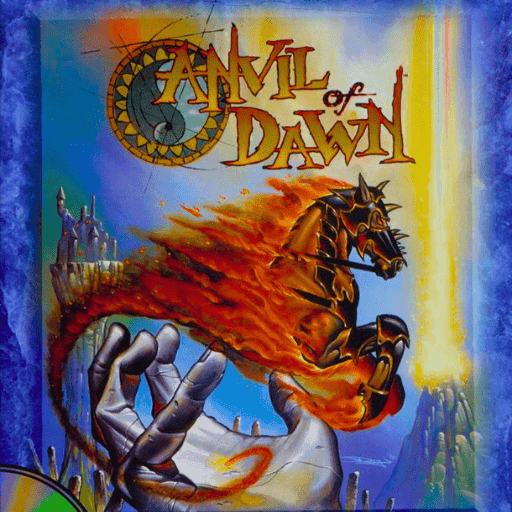
Anvil of Dawn
The journey from Rogue to Ultima is a testament to the transformative power of RPGs on DOS. These games not only provided entertainment but also pushed the boundaries of what was possible in digital storytelling. As we reflect on their enduring legacy, we invite you to revisit these classics and experience the innovation and creativity that defined an era. Whether you’re a seasoned gamer or a curious newcomer, the world of DOS RPGs awaits your discovery.
Related articles
Red Alert at 30: The RTS Revolution That Shaped Gaming
Explore the legacy and significance of Command & Conquer: Red Alert as it marks its 30th anniversary, highlighting its impact on the RTS genre and gaming culture.
The Social Side of DOS Gaming: A Look Back
Explore how DOS gaming fostered community and social interaction before the internet, highlighting LAN parties, hotseat gameplay, and personal stories.