From Text Quests to Epic Quests: The Rise of DOS RPGs
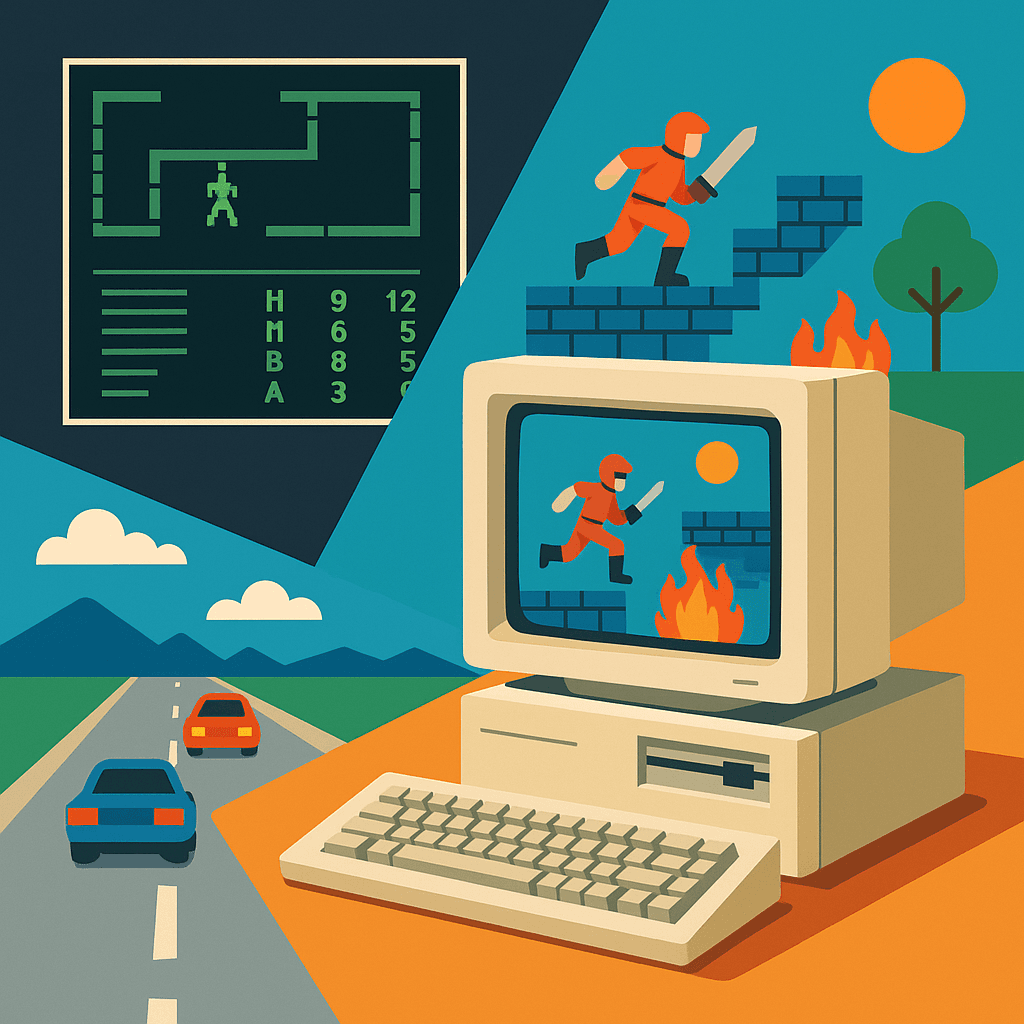
Picture the early days of PC gaming, where lines of text held the promise of adventure, mystery, and a world limited only by imagination. These were the days when RPGs on DOS began their journey, transforming from simple text inputs into rich, visual experiences. Let’s explore this evolution, where humble beginnings laid the foundation for the sprawling adventures beloved by fans of modern gaming.
The Textual Origins of DOS RPGs: A Journey Begins
Before the advent of graphics, RPGs on DOS thrived on text-based interfaces. Early pioneers like ‘Rogue’ revolutionized the genre by offering a dungeon-crawling experience driven entirely by text commands and simple ASCII art. ‘Wizard and the Princess’ added narrative depth, showcasing the power of story in a purely textual format. These games laid the groundwork for future RPGs, emphasizing exploration and player-driven storytelling.
Graphical Breakthroughs: RPGs Embrace Visuals
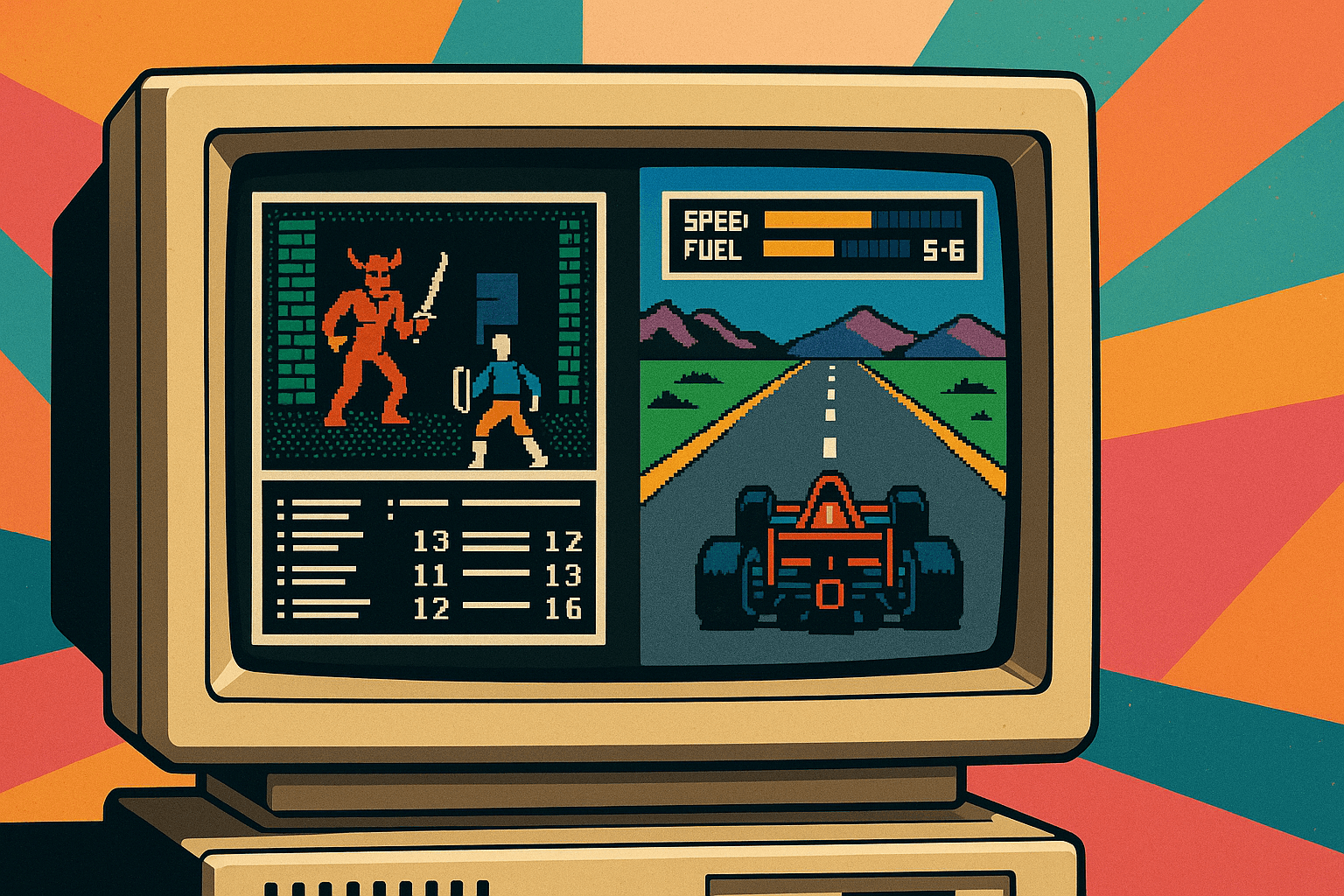
The transition from text to graphics marked a pivotal moment in the evolution of RPGs on DOS. Iconic titles such as ‘Ultima’ began to incorporate detailed visuals, enhancing the player’s connection to the game world. ‘Bard’s Tale’ also emerged during this era, introducing intricate pixel art that brought dungeons and mythical lands to life. These games not only captivated players visually but also set new standards for interactive world-building.
Introducing Strategic Depth: Party-Based Systems and More
As technology advanced, so did the complexity of gameplay mechanics. Games like Amberstar from Thalion Software brought party-based systems into the spotlight, allowing players to manage teams of characters with unique skills and abilities. This innovation added layers of strategy and replayability, engaging players in tactical decision-making that went beyond solo adventuring.
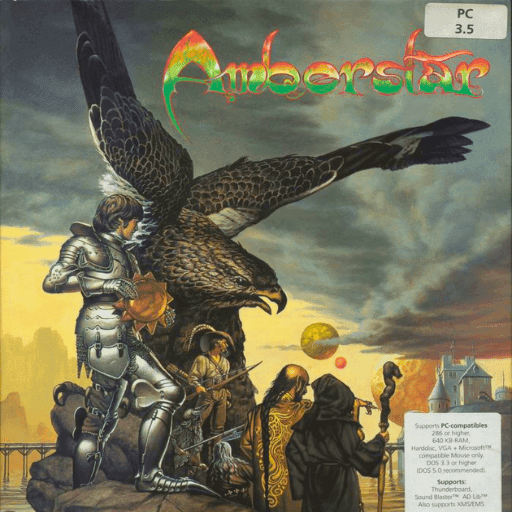
Amberstar
Community Shaping the RPG Landscape
The development of RPGs on DOS was significantly influenced by player communities. Feedback from dedicated fans led to games becoming more immersive, with expansions and updates often reflecting community desires. This era saw developers listening keenly to their audiences, fostering a sense of co-creation that enriched the gaming experience and nurtured a loyal fan base.
The Enduring Legacy of DOS RPGs on Modern Gaming
The legacy of DOS RPGs is evident in today’s gaming landscape. Modern RPGs owe much to the innovations and experiments conducted during the DOS era. The narrative complexity, character development, and interactive worlds pioneered during this time continue to influence developers. Games like Albion, with its blend of storytelling and tactical gameplay, stand as a testament to the enduring impact of these early adventures.
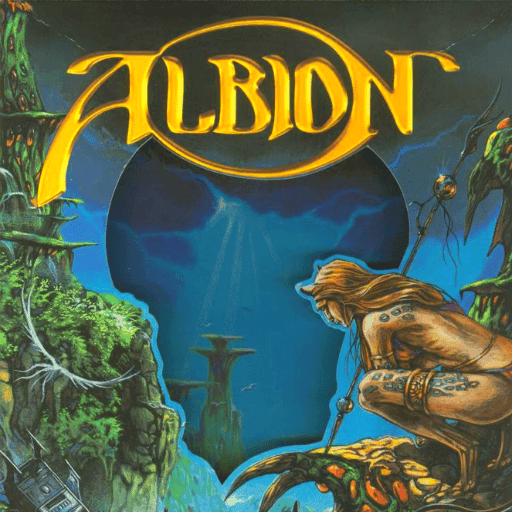
Albion
The journey of RPGs on DOS, from their text-based origins to graphical marvels, set the stage for the complex, immersive experiences we enjoy today. These pioneering games not only defined a genre but also inspired generations of developers and gamers alike. As we continue to explore new digital landscapes, we owe a nod of gratitude to the humble beginnings that started it all.
Related articles
Sierra vs. LucasArts: The Adventure Game Rivalry that Shaped a Genre
Explore how the fierce rivalry between Sierra On-Line and LucasArts revolutionized adventure gaming and defined player experiences.
The Evolution of DOS Gaming and Emulators
Explore the rise and fall of DOS gaming and how emulators keep these classics alive for new generations.