Red Alert at 30: The RTS Revolution That Shaped Gaming
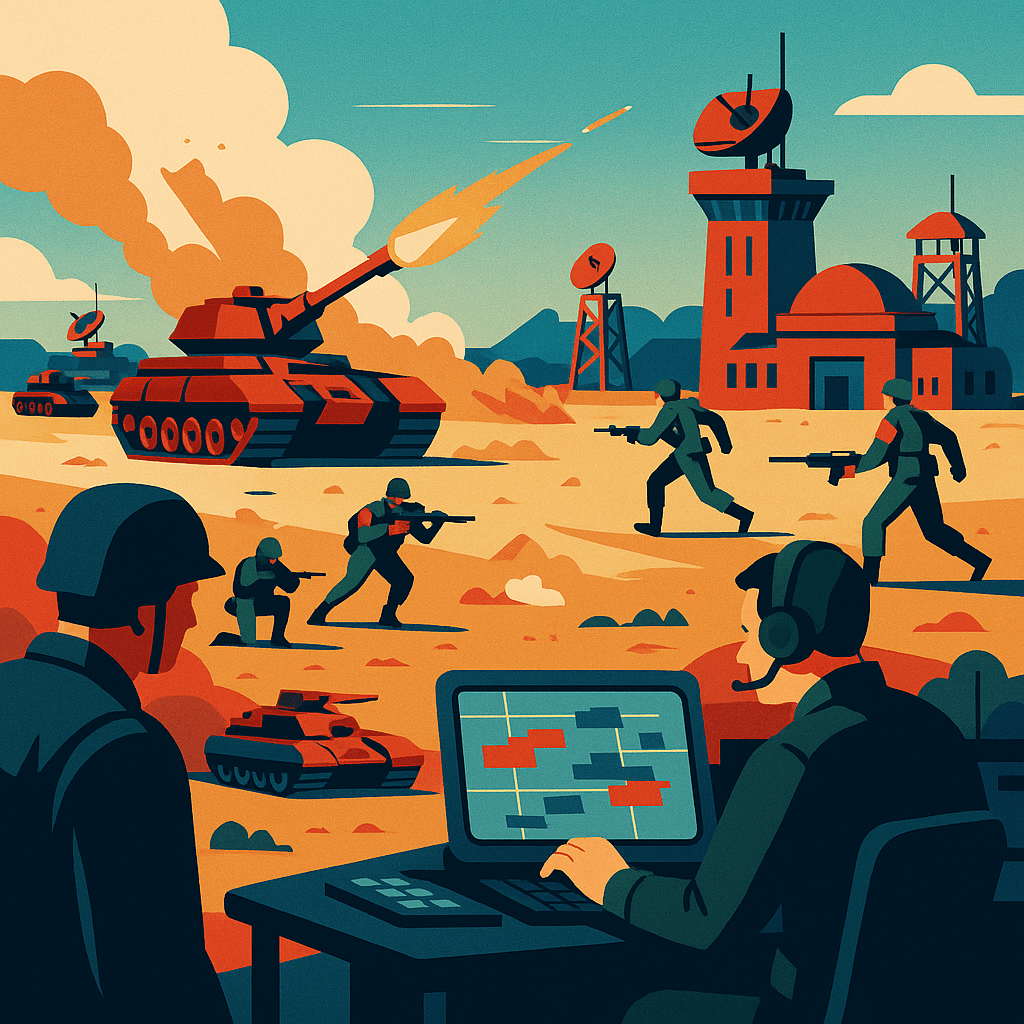
In 1996, Westwood Studios released Command & Conquer: Red Alert, a real-time strategy (RTS) game that would forever change the landscape of gaming. Celebrating its 30th anniversary this year, Red Alert remains a benchmark in the genre, known for its alternate-history setting where the Soviet Union clashes with Allied forces in a world devoid of Hitler. This unique premise was not only thought-provoking but also laid the groundwork for a captivating gameplay experience that millions of players cherished.
How Red Alert Set a New Standard for RTS Games
When Command & Conquer: Red Alert hit the shelves in 1996, it did so with groundbreaking innovations. Developed by the masterminds at Westwood Studios, the game introduced mechanics that had a profound influence on the RTS genre. Central to its appeal was the balanced faction design, offering players the choice between the aggressive Soviet forces and the resourceful Allies. This duality provided replayability and strategic depth that few games at the time could match.
Moreover, Red Alert’s use of full-motion video (FMV) cutscenes added a layer of narrative immersion, a technique that became a signature of Westwood’s style. These cinematic sequences propelled the story forward, making players feel like they were part of an unfolding drama, a feature that would inspire many future RTS titles.
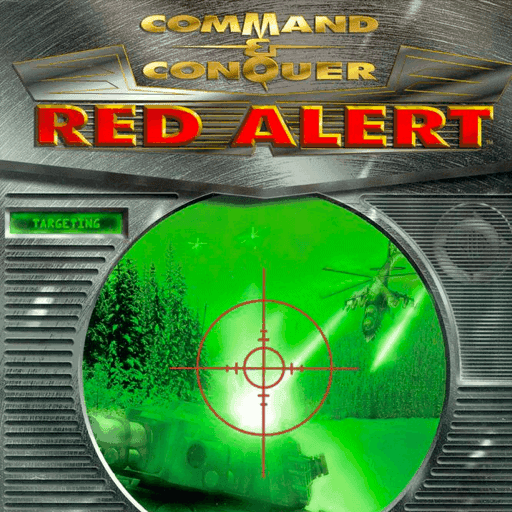
Command & Conquer: Red Alert
Cultural Resonance: Red Alert’s Impact in the 90s
The 1990s were a transformative period for video games, and Red Alert captured the zeitgeist of the era with its unique blend of strategy and storytelling. As players waged digital wars across virtual Europe, they found themselves drawn into the game’s compelling narrative. The portrayal of an alternate history where Einstein eliminates Hitler, leading to a war between the Soviets and the Allies, was both thrilling and intellectually engaging.
Red Alert’s impact extended beyond gameplay. The soundtrack, with its industrial beats and commanding melodies, became an iconic part of gaming culture, often played long after the computer was shut down. This cultural footprint is still evident today, as Red Alert continues to be celebrated by fans and historians alike.

Red Alert Versus Its Peers: What Made It Stand Out
In the mid-90s, the RTS genre was thriving with titles like Dune II and Warcraft II pushing the boundaries of what was possible. However, Red Alert distinguished itself with its refined mechanics and polished presentation. Unlike many of its contemporaries, Red Alert offered a robust single-player campaign with a narrative focus, setting it apart from the more skirmish-oriented games of the time.
While Command & Conquer laid the foundation for Westwood’s success, Red Alert built upon it with faster gameplay, improved AI, and better unit control, creating a more dynamic and engaging experience. These elements made it a must-play for any strategy enthusiast and solidified its place in the annals of gaming history.
Red Alert’s Lasting Legacy and Modern Perception
Today, Command & Conquer: Red Alert is regarded as a classic that helped shape the RTS genre. Its influence can be seen in countless games that followed, from its innovative use of FMV to the strategic depth it offered players. Even 30 years after its release, Red Alert remains a beloved title, often hailed in retrospectives and gaming discussions.
The legacy of Red Alert is further cemented by the successful remastering of the game, bringing it to a new generation of players who can experience its strategic brilliance with modern enhancements. This remastered version has been well-received, underscoring the timeless appeal of its core gameplay and narrative.
As Command & Conquer: Red Alert celebrates its 30th anniversary, its enduring legacy continues to inspire both players and developers. The innovations it brought to the RTS genre, coupled with its cultural impact, make it a seminal title that not only defined an era but also laid the groundwork for the future of strategy games. Its story, mechanics, and memorable moments remain a testament to Westwood Studios’ vision, ensuring that Red Alert’s influence will be felt for many years to come.
Related articles
From Beeps to CD: The Sound Evolution in DOS Gaming
Explore how sound technology in DOS games evolved from simple beeps to immersive CD audio, transforming gaming experiences.
Westwood Studios: Crafting a New Era in DOS Gaming
Explore the revolutionary impact of Westwood Studios on DOS gaming, from their groundbreaking titles to lasting industry influence.