From Beeps to CD: The Sound Evolution in DOS Gaming
Imagine playing your favorite DOS game in the early ’90s. The graphics were pixelated and the storylines often simple, but the sound—the sound was a portal to another world. From the humble beginnings of beeps to the orchestral scores of CD audio, sound in DOS games evolved dramatically, enhancing immersion and transforming experiences. Let’s explore this fascinating journey.
PC Speaker: The Beep Heard Around the World
In the early days of DOS gaming, sound was a mere accessory rather than an integral part of the experience. The PC speaker was the primary audio output, capable of producing basic tones and beeps. This limited sound palette was far from the symphonies gamers enjoy today, yet it laid the groundwork for the future. These rudimentary sounds, while simplistic, added a layer of emotion and immediacy to gameplay, making even the most basic actions feel significant.
AdLib Sound Cards: Introducing MIDI to DOS Games
The introduction of AdLib sound cards marked a revolutionary leap in the sound quality of DOS games. With support for FM synthesis, AdLib allowed games to produce more complex and varied audio. This technology empowered developers to craft soundtracks that were both memorable and atmospheric. Games like Commander Keen: Keen Dreams, which showcased quirky tunes and sound effects, exemplified this newfound audio capability, adding depth to their whimsical worlds.
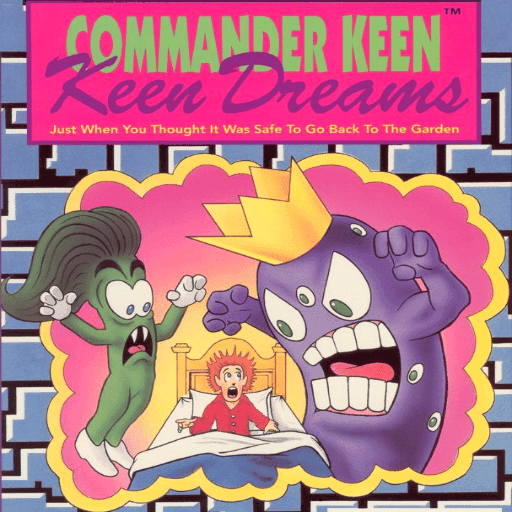
Commander Keen: Keen Dreams
Sound Blaster: The Dawn of Enhanced Audio
Creative Labs’ introduction of the Sound Blaster card in the late ’80s took things a step further. Capable of more immersive audio and supporting digitized sound effects, it was a game-changer for the gaming industry. The Sound Blaster enabled DOS games to have richer soundscapes with clearer voice lines and expressive music. Games like Alien Breed: Tower Assault leveraged this technology to create tense, atmospheric environments that heightened the player’s experience, with soundtracks that mirrored the intensity of the gameplay.
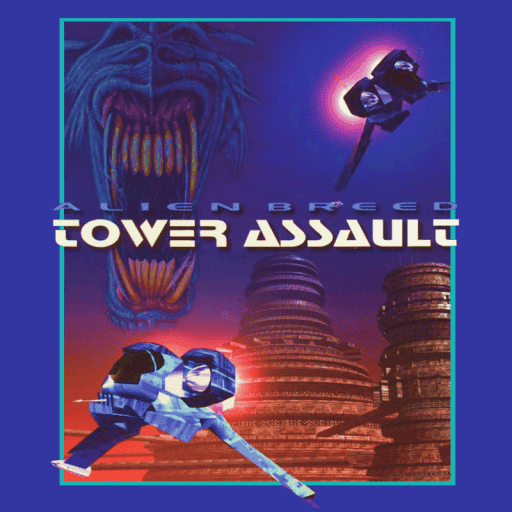
Alien Breed: Tower Assault
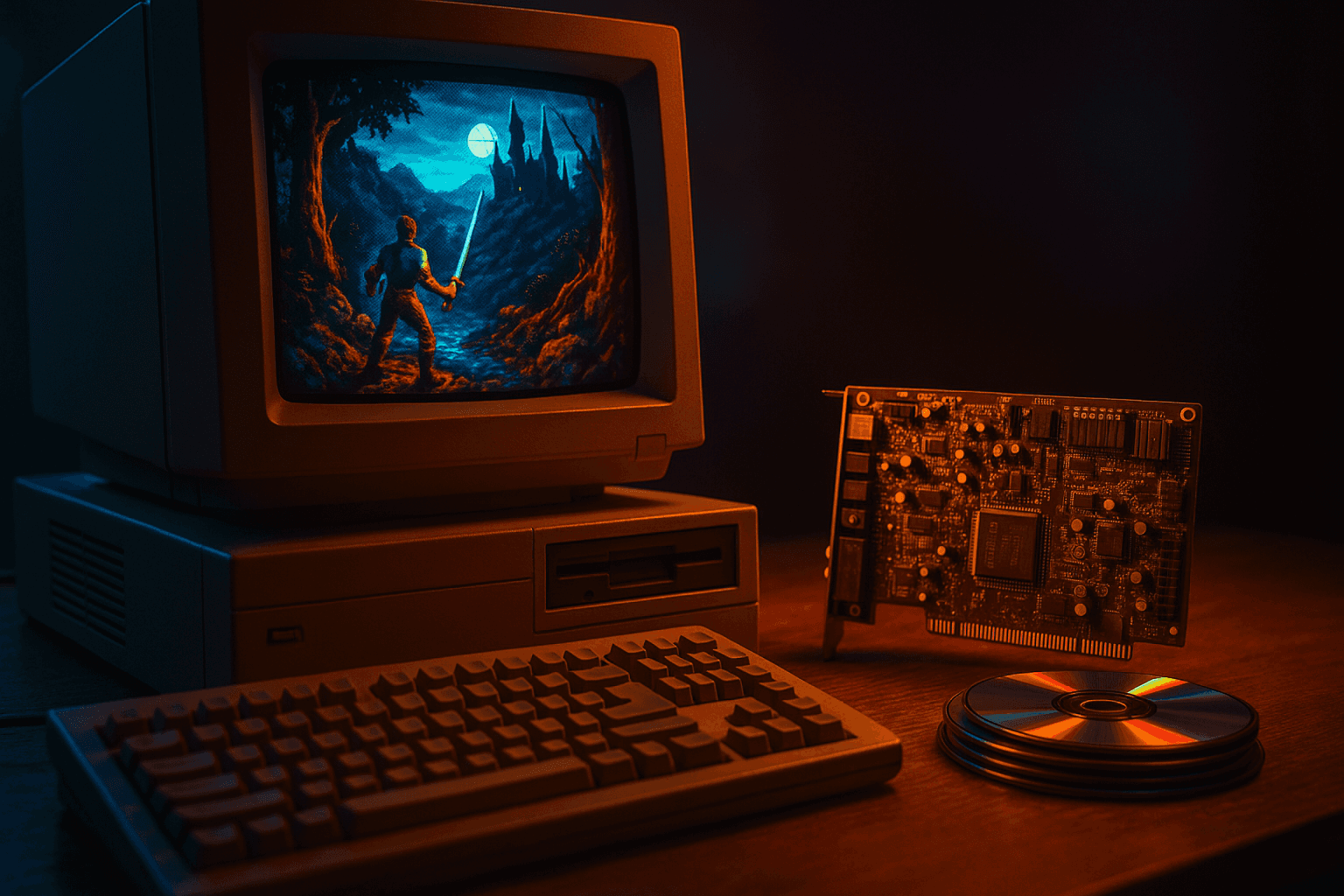
CD Audio: Orchestras in Your Living Room
The arrival of CD-ROM drives opened a new era for sound in games. This technology allowed for high-quality, pre-recorded audio tracks that could match the quality of anything heard on a stereo system. For the first time, full orchestral scores and professional voice acting were possible in DOS games. This leap forward is exemplified in titles like Alien Trilogy, where the soundtrack played a crucial role in building immersion and enhancing the narrative, offering players an audio-visual experience previously unattainable with floppy disks.
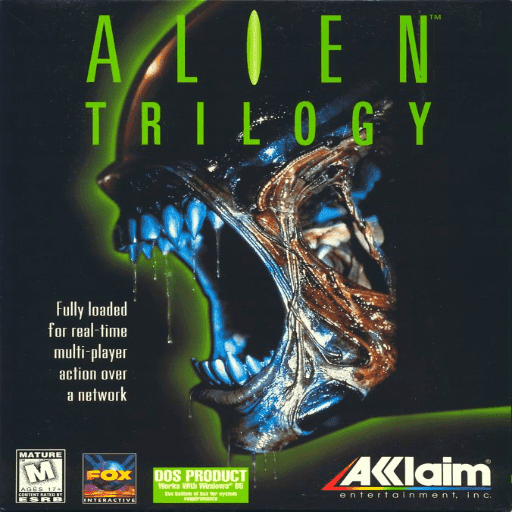
Alien Trilogy
Case Studies: DOS Games that Defined Sound Evolution
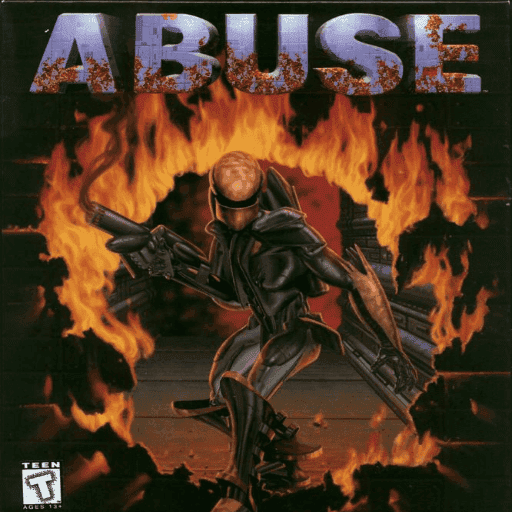
Several DOS games stand out for their innovative use of sound technology. 3 Skulls of the Toltecs, with its witty dialogues and sound effects, utilized advanced audio to complement its engaging story. Similarly, Abuse used atmospheric sound design to enhance its intense gameplay, immersing players in its eerie environments. These examples highlight how sound became a central component of game design, rather than a mere afterthought.
Reflecting on the evolution of sound in DOS gaming reveals a journey of innovation and creativity. From the simple beeps of the PC speaker to the rich, multi-layered soundtracks of CD audio, these advancements have fundamentally shaped the gaming experiences we cherish today. The legacy of DOS sound technology continues to influence modern gaming, reminding us of a time when the smallest beep could evoke the grandest adventure.
Related articles
IRQ Conflicts: The Boss Fight Before Every DOS Game
Explore the technical challenge of IRQ conflicts in DOS gaming and how players resolved them.
The Iconic Box Art and Marketing Magic of Caesar II
Explore how Caesar II's box art and marketing played crucial roles in its success and legacy.