IRQ Conflicts: The Boss Fight Before Every DOS Game
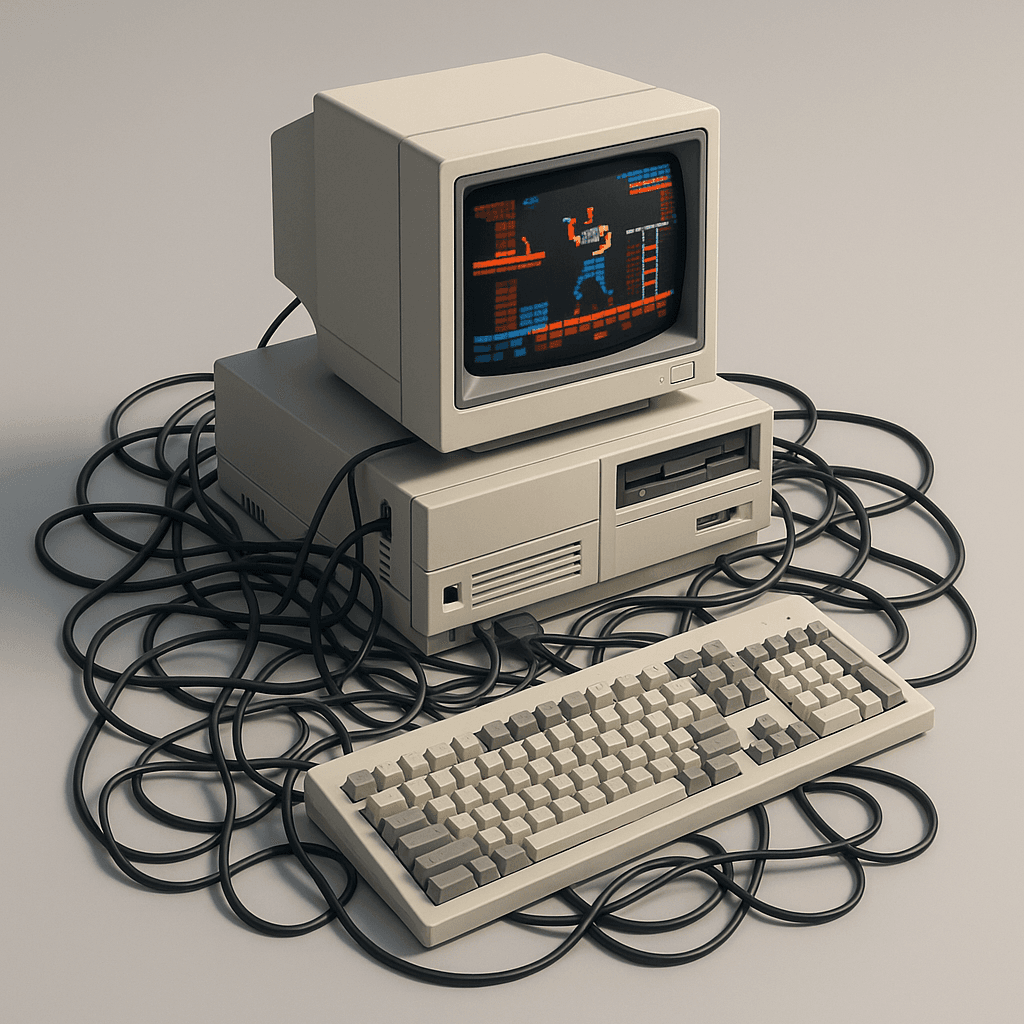
Picture this: you’ve just booted up your trusty DOS machine, eager to dive into the pixelated wonders of Doom or the strategic depths of Caesar II. But instead of the familiar intro screen, you’re greeted with a symphony of beeps and a cryptic error message. The bane of many gamers from the DOS era—IRQ conflicts—has struck again.
These technical hurdles were the hidden bosses players had to conquer before even stepping into a digital world. Today, we embark on a journey to uncover what IRQ conflicts were, how they impacted gaming, and why understanding them still matters to retro enthusiasts.
Understanding IRQ: The Backbone of DOS Communication
IRQ, or Interrupt Request Line, was a critical component in DOS-era computers. It acted like a traffic cop, managing signals sent between the computer’s hardware components and the CPU. Each device, from sound cards to keyboards, required a unique IRQ to function without interference. However, with limited IRQs available, conflicts often occurred when two devices attempted to use the same line, leading to functionality issues.
In gaming, these conflicts could result in missing sound effects, unresponsive controls, or, worst of all, the game refusing to run altogether. For DOS gamers, understanding and resolving IRQ conflicts was as much a part of the gaming experience as defeating virtual enemies.
The 90s Conundrum: The Rise and Reach of IRQ Conflicts
During the DOS era, as gaming evolved with more complex graphics and sound, so did the hardware requirements. More devices meant a higher demand for IRQs, leading to increased conflict potential. The limited IRQs available on early PCs meant that gamers often faced issues setting up their systems to support new games.
Manufacturers and developers tried to mitigate these issues by allowing users to manually reassign IRQs through jumpers on the hardware or software configurations. Yet, this was no small feat for the average gamer, often turning a simple gaming session into an afternoon of technical tinkering.
Gamers’ Ingenuity: Strategies to Tackle IRQ Nightmares
Fans of DOS games weren’t just players—they were problem solvers. Faced with the frustrations of IRQ conflicts, they developed a toolkit of strategies to overcome them. A common approach was manually reassigning IRQs by adjusting jumpers on the motherboard or sound card. Another tactic involved editing system files like CONFIG.SYS or AUTOEXEC.BAT to customize hardware configurations.
For many, this was more than just a necessity; it became a rite of passage into the world of PC gaming. Those who mastered the art of troubleshooting IRQ issues often became the go-to experts in their communities, sharing wisdom and tips to help others get their games running.
IRQ Conflicts in Iconic Games: A Real-World Example
Some games were notorious for their IRQ sensitivity. DOOM, the groundbreaking first-person shooter by id Software, often required precise IRQ settings to unleash its full audio-visual glory. Gamers who wanted to experience the relentless action without a hitch had to ensure their sound cards were on a non-conflicting IRQ.
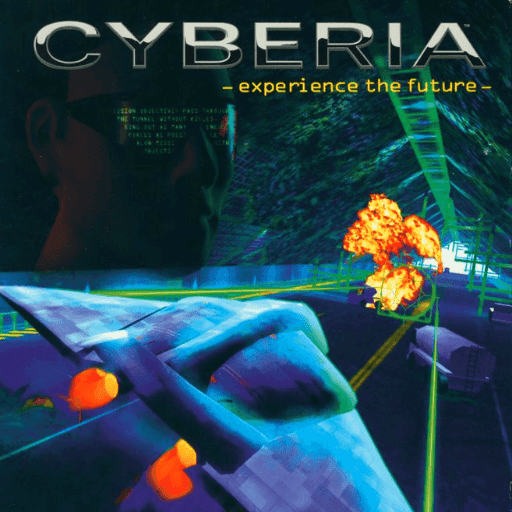
Similarly, Cyberia, with its rich narrative and action-packed gameplay, demanded careful hardware configuration. A misaligned IRQ could mean the difference between an immersive experience and a silent, frustrating session.
The Legacy of IRQ Conflicts: Why They Still Matter
While IRQ conflicts are a relic of the past, understanding them provides valuable insight for today’s retro gaming community. Many enthusiasts seek to experience DOS games in their original form, either on authentic hardware or through emulation. Knowledge of IRQ management can be crucial for those aiming to recreate an authentic setup, ensuring games run smoothly and as intended.
Reflecting on these technical challenges also highlights the dedication and resourcefulness of early gamers, who turned every obstacle into an opportunity to learn and share. It is a testament to the community’s enduring passion for gaming, encouraging modern enthusiasts to appreciate and preserve this unique aspect of gaming history.
As we reminisce about the bygone days of DOS gaming, IRQ conflicts stand as a reminder of the era’s unique challenges. They were the unexpected puzzles that tested our patience and ingenuity, shaping our identities as gamers. Whether you’re a seasoned veteran or a curious newcomer, delving into these technical tales offers a glimpse into the roots of PC gaming culture. So, next time you boot up a classic DOS game, take a moment to appreciate the hurdles overcome to bring those virtual worlds to life.
Related articles
The Beautiful Tricks Behind ‘Smart’ Enemies in DOS Games
Explore how DOS games crafted the illusion of intelligent enemies through clever programming, enhancing player experience.
Hidden DOS FPS Games That Every Retro Gamer Should Play
Discover 3 hidden DOS FPS games every retro gamer must play. From Blake Stone to Dark Forces, uncover underrated first-person shooters and play DOS games online today!