The Shareware Gamble: How DOS Games Changed Forever
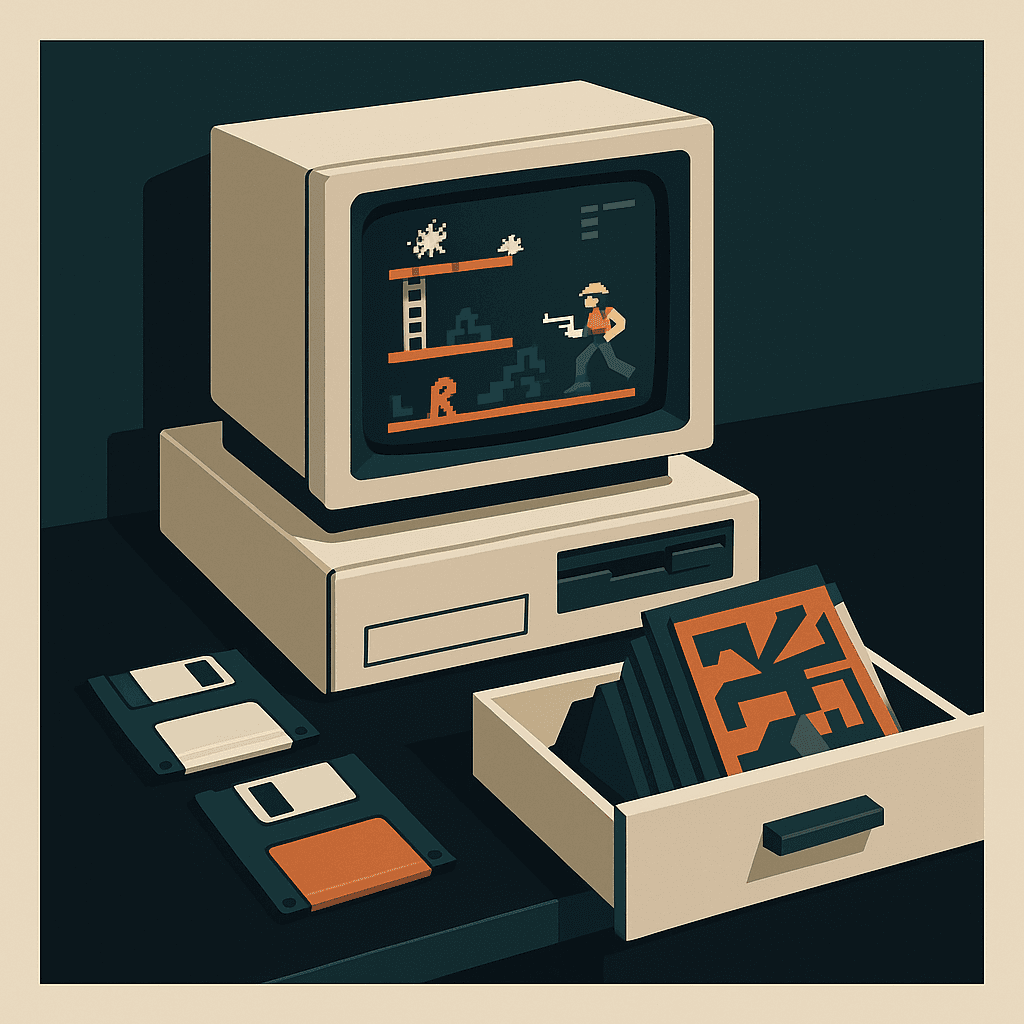
In the 1990s, the shareware model emerged as a revolutionary force in the gaming industry, particularly for DOS games. This business strategy allowed game developers to distribute their creations more widely, offering a portion of the game for free and charging for the full version. This approach democratized game access, making it possible for smaller developers to reach a global audience without the backing of major publishers. The shareware model didn’t just change how games were sold; it transformed the very landscape of DOS gaming, influencing titles that would become iconic.
Understanding the Shareware Model
Shareware was more than just a clever marketing tactic. It was a lifeline for independent developers in the DOS era. By giving away the first episode or a limited version of a game, developers could hook players, who would then mail in payment to unlock the full experience. This model leveraged the power of word-of-mouth and the burgeoning bulletin board systems (BBS) to reach audiences far beyond what traditional retail could offer. It was an era when trust and curiosity fueled the economy, a stark contrast to today’s digital marketplaces.
Blake Stone: Aliens of Gold and Its Shareware Success
One of the standout examples of the shareware model’s success is Blake Stone: Aliens of Gold. Released in 1993 by Apogee Software, this first-person shooter captured the imaginations of gamers with its futuristic setting and engaging gameplay. As a shareware release, Blake Stone allowed players to experience the thrill of exploration and combat in its initial episodes for free. This approach not only expanded its reach but also established a loyal fanbase eager to pay for the subsequent episodes, setting the stage for future FPS titles.
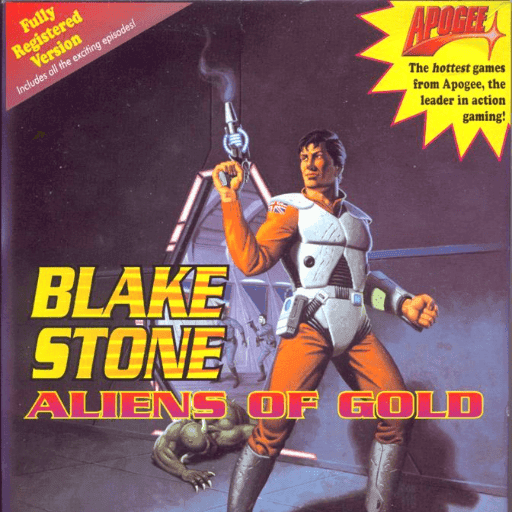
Blake Stone: Aliens of Gold
Accessibility Through the Shareware Model
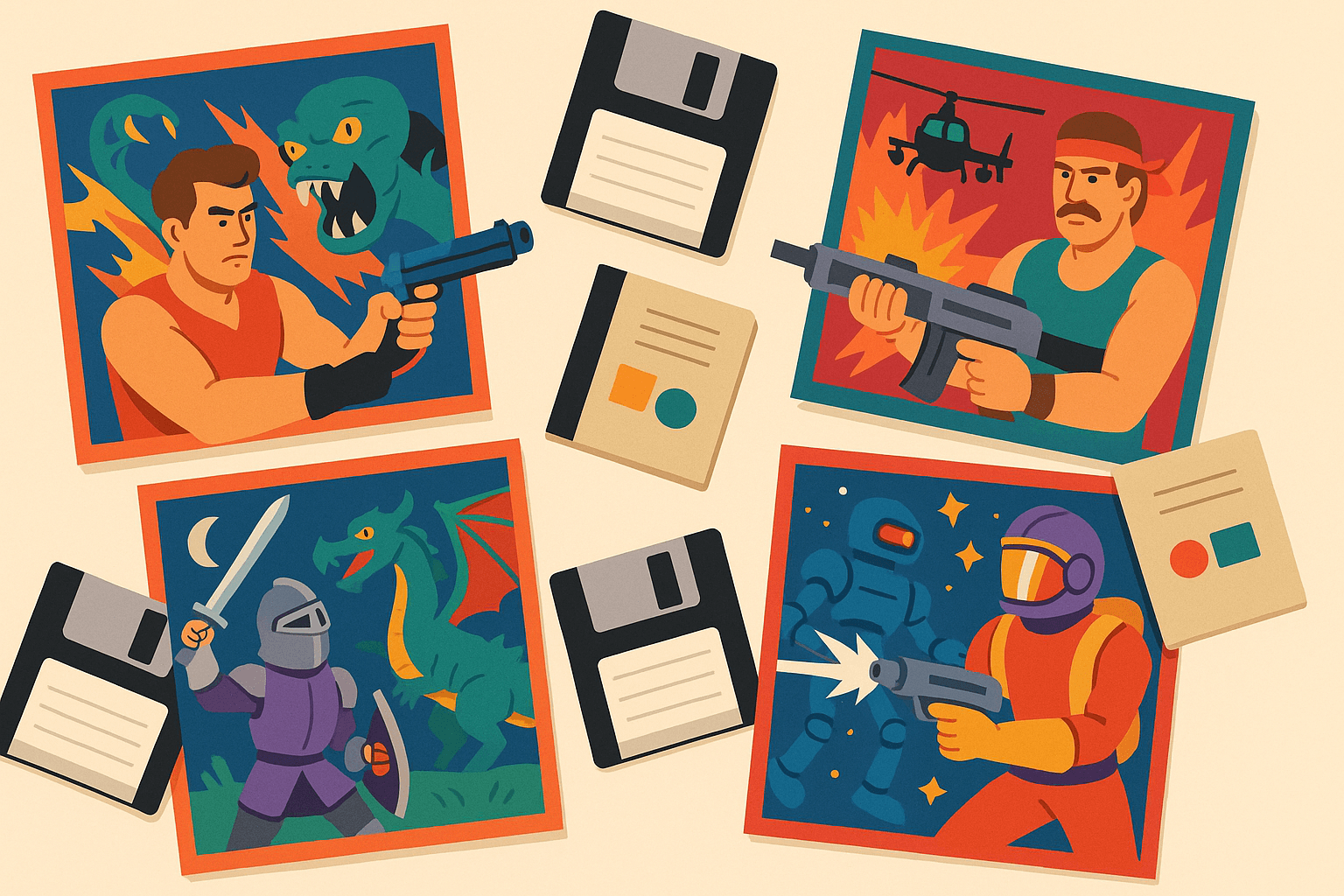
The genius of the shareware model lay in its ability to make games accessible to a broader audience. Prior to digital distribution, acquiring a new game often meant a trip to a store, but shareware bypassed this with floppy disks and early online downloads. Games like Bio Menace and Alien Carnage found their way into homes through friends, school computers, and shareware compilations, democratizing access in an unprecedented way. This grassroots distribution method was particularly powerful in an era when gaming was still a nascent hobby for many.
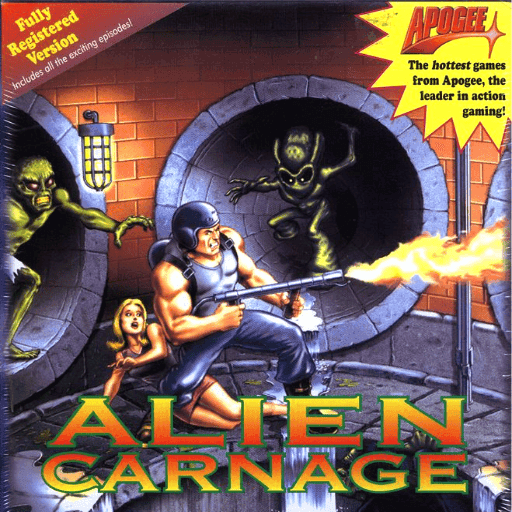
Alien Carnage
Why the Shareware Model Declined
Despite its success, the shareware model began to wane as the 1990s drew to a close. The rise of CD-ROMs, offering full games with no need to order additional content, played a significant role in this decline. The internet also changed the game, enabling faster, more direct ways to purchase and download software. Moreover, larger studios with more resources began dominating the market, reducing the space for independent developers. As digital distribution evolved, so did the business models, eventually leading to the subscription services and online platforms we see today.
The Lasting Legacy of Shareware in Gaming
While the shareware model might seem like a relic of the past, its influence is evident in modern gaming. Early pioneers like Apogee Software laid the groundwork for today’s indie developers who thrive on digital platforms such as Steam and itch.io. The idea of offering a ‘free taste’ before committing to a purchase lives on through demos and early access releases. These modern iterations continue the spirit of shareware, blending nostalgia with contemporary distribution methods, and ensuring that the legacy of shareware remains a vital part of gaming history.
The shareware model was a pivotal chapter in DOS gaming history, shaping how games were created, distributed, and consumed. It empowered smaller developers and forged a unique bond between creators and players, driven by trust and discovery. As we look back, it’s clear that shareware was not just a business strategy but a cultural phenomenon that paved the way for the possibilities we enjoy in gaming today.
Related articles
From Text Quests to Epic Quests: The Rise of DOS RPGs
Explore the transformation of DOS RPGs from basic text adventures to complex, graphical epics that set the stage for modern gaming.
The Demoscene’s Lasting Influence on DOS Gaming
Explore how the Demoscene's pioneering digital art transformed classic DOS games, shaping their development and innovation.