How Robinson’s Requiem Crafted a Survival Masterpiece on DOS
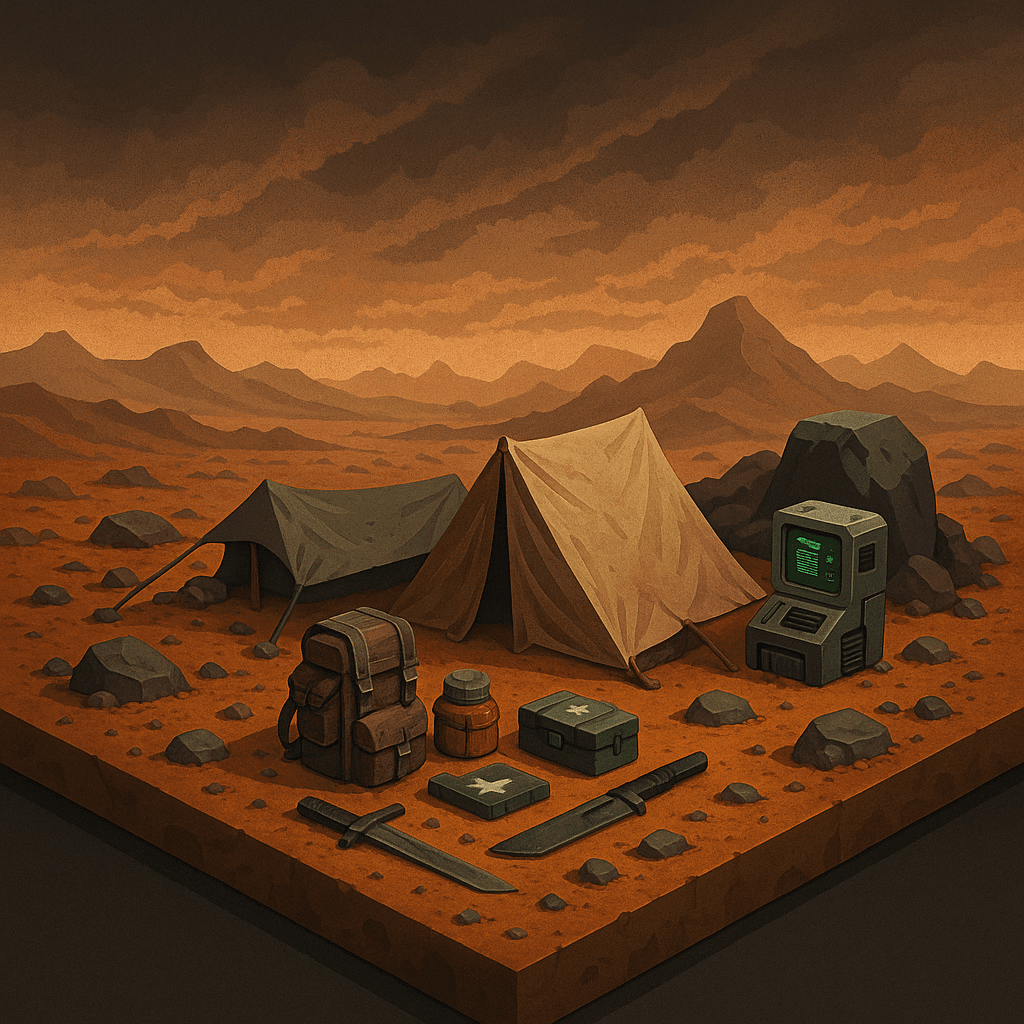
Robinson’s Requiem stands as a unique entry in the annals of DOS gaming, daring to push the boundaries of what was possible on the platform. This survival simulation game forces players into an unforgiving alien world, making them navigate not only physical challenges but also the mental struggle of survival. Unlike many of its contemporaries, Robinson’s Requiem creates an atmosphere of relentless tension and realism, despite the technological constraints of its time. In this exploration, we delve into how the game achieved its immersive depth and lasting legacy.
Surviving the Alien Landscape in Robinson’s Requiem
Set on the harsh and unwelcoming terrain of an alien planet, Robinson’s Requiem places players in the shoes of a crash-landed astronaut. The premise centers on survival, where players must manage resources, treat injuries, and adapt to an ever-changing environment. This game world is alive with dangers lurking at every corner, from treacherous climates to hostile wildlife, all packed into a realistic survival narrative. Unlike many RPGs which focus on combat or magical quests, Robinson’s Requiem immerses players in the sheer struggle for existence, setting itself apart with an intense focus on realism and strategy.
Albion
Creating an Atmosphere of Immersion
The immersion in Robinson’s Requiem comes from its meticulous attention to detail. The game simulates real-life survival challenges such as hunger, disease, and injury, requiring players to think and act swiftly. The environment is not just a backdrop but a living, breathing entity that players must interact with to survive. This level of detail was rare in DOS games, making Robinson’s Requiem a pioneer in atmosphere-building. The game’s ability to create a sense of urgency and realism, despite the limitations of pixelated graphics, is a testament to its innovative design.
Navigating DOS Limitations: Graphics and Sound
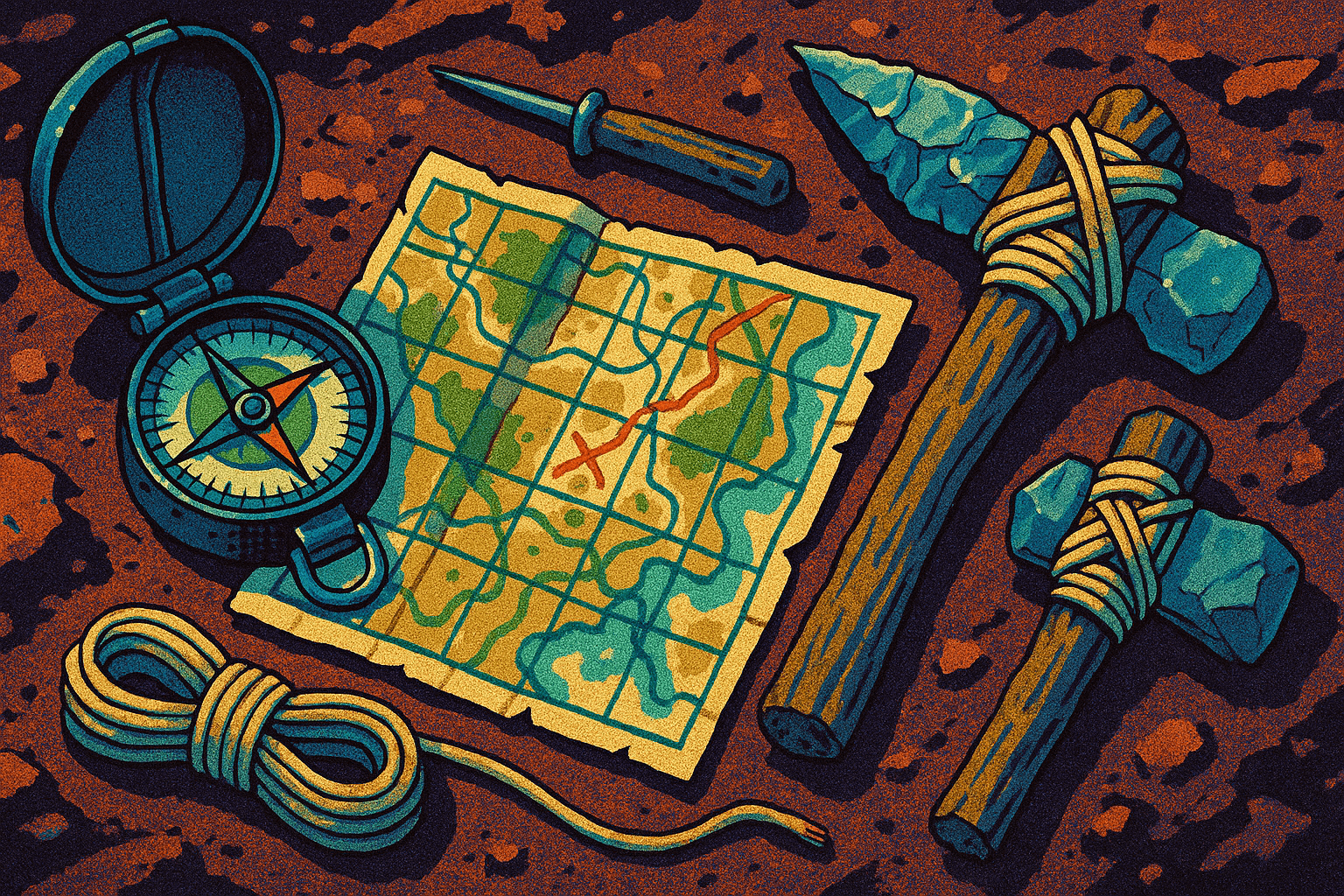
Robinson’s Requiem was developed during a time when DOS games were limited by hardware constraints. Graphics were often simple, with low resolutions and a limited color palette. However, the game utilized these limitations creatively, using detailed sprites and clever shading to convey depth and realism. The sound design, while limited to basic MIDI audio, was effectively used to heighten tension and create an atmospheric experience. The developers’ ability to work within these technological constraints and still deliver an engaging world is a remarkable achievement in game design.
World-Building in DOS RPGs: A Unique Approach
Compared to other RPGs like Amberstar and Anvil of Dawn, Robinson’s Requiem adopted a unique approach to world-building. Where many games focused on detailed narratives or character development, Robinson’s Requiem concentrated on the environment as a character itself. This approach allowed for a different kind of player engagement, where survival mechanisms took precedence over traditional role-playing elements. This focus not only set it apart from contemporaries but also influenced future games that sought to blend survival with RPG elements.
Reflecting on Robinson’s Requiem’s Legacy
Robinson’s Requiem’s impact on the gaming landscape is underscored by its commitment to realism and survival. While it may not have achieved the widespread recognition of some of its peers, its influence is felt in the survival and simulation genres that followed. By immersing players in a raw and challenging world, it paved the way for future games to explore the depths of survival mechanics. Its legacy endures as a fascinating example of how game design can overcome technical restrictions to deliver an engaging and memorable experience.
Robinson’s Requiem remains a compelling study in game design, illustrating how world-building and atmosphere can thrive even within the constraints of DOS technology. Its legacy is one of innovation and courage, challenging future generations of developers to push beyond the limits of their platforms. For fans of survival and immersive experiences, Robinson’s Requiem offers a timeless journey into the art of gaming under constraint.
Related articles

Best Oregon Trail Game Versions Ranked by Era: Which One Should You Play?
Explore the evolution of Oregon Trail across different eras. Compare classic school editions, enhanced remakes, and modern releases to discover which version offers the best experience for today’s players.
Wizball Mods: The Fan-Made Revival of a Classic Adventure
Discover how the modding community rejuvenated the classic game Wizball, transforming it with creative mods and total conversions.