Timeless Design Lessons from Classic DOS Games

In the era of DOS gaming, developers faced significant technical constraints, yet those very limitations sparked creativity and innovation that resonate in today’s game development landscape. By examining the design lessons from classic DOS games, modern developers can glean valuable insights into crafting engaging and effective gaming experiences. Let’s journey through these vintage gems to uncover the timeless principles they employed.
Command & Conquer: Strategic Simplicity in RTS
Command & Conquer, a milestone in real-time strategy (RTS) gaming, is a prime example of strategic simplicity. It managed to provide complex gameplay through intuitive controls and clear objectives, allowing players to focus on strategy rather than get bogged down by overly complicated mechanics. This simplicity helped streamline player interaction, making the game accessible to a broad audience while maintaining depth. The focus on clean design and tight mechanics is a lesson modern developers can adopt to enhance player engagement without overwhelming them.

Panzer General
Heimdall: Crafting Narrative through Gameplay
Heimdall is an example of how narrative can be seamlessly woven into gameplay. It combines action and puzzle-solving within a mythic Norse setting, guiding players through a story rich with exploration and character development. The game’s ability to engage players with its narrative without relying on extensive cutscenes or dialogue is a testament to efficient storytelling. This approach can inspire modern developers to find innovative ways to embed story elements directly into gameplay, enhancing immersion and player investment.
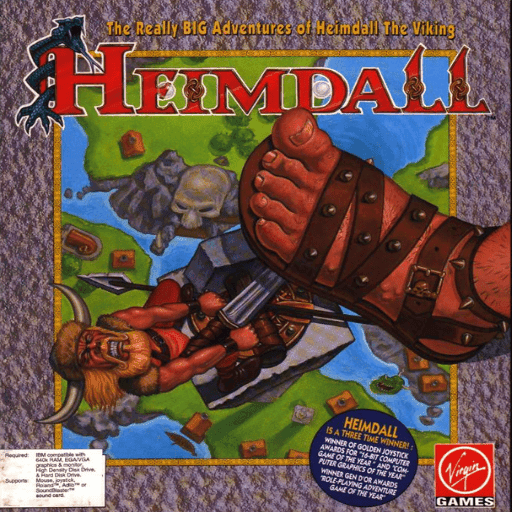
Heimdall
The Lost Files of Sherlock Holmes: Intricate Puzzle Design
The Lost Files of Sherlock Holmes: The Case of the Serrated Scalpel showcases exquisite puzzle design that challenges players while respecting their time. The game’s puzzles are intricately linked to the narrative, requiring players to think like Sherlock Holmes to progress. This thoughtful integration of puzzles not only enhances the storytelling but also maintains player engagement by rewarding logical thinking and exploration. Modern developers can learn from this by creating puzzles that are not just obstacles but meaningful components that drive the story forward.
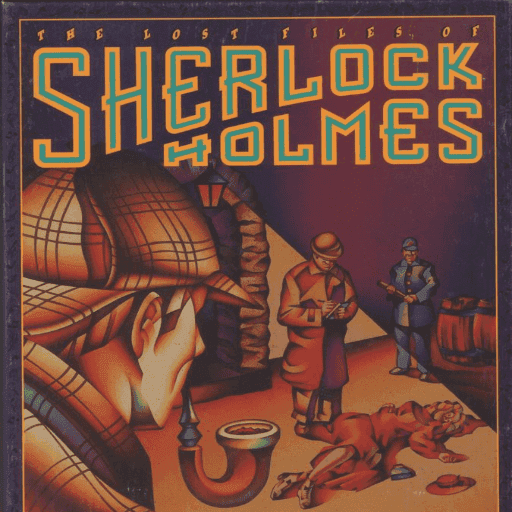
The Lost Files of Sherlock Holmes: The Case of the Serrated Scalpel
Panzer General: Difficulty as a Learning Tool
Panzer General exemplifies how difficulty can be employed as a tool for player learning. Unlike games that frustrate with arbitrary challenges, Panzer General uses its difficulty to encourage strategic thinking and careful planning. Each mission presents a balanced challenge that rewards players for understanding and mastering the mechanics. This concept of learning through difficulty can be particularly beneficial for modern developers, ensuring that challenges serve to enhance the player experience rather than deter it.
Looking back at these classic DOS games, their design principles remain immensely relevant. These games demonstrate that creativity often flourishes within constraints, simplicity enhances clarity, and engaging narratives can be woven directly into gameplay. By embracing these lessons, modern developers can craft experiences that not only honor the past but also advance the future of gaming. As we continue to evolve technologically, the wisdom of these DOS games offers a foundation upon which to build a compelling gaming future.
Related articles

The Pulse of Gaming: Bobby Prince’s Legendary Soundtrack for Doom
Explore how Bobby Prince's groundbreaking soundtrack for Doom redefined video game music, enhancing the gameplay experience and leaving a lasting impact on gaming culture.
The Forgotten Gems of the 90s PC Gaming Era
Explore five underrated yet impactful PC games from the 90s that left a lasting impression on the gaming world.