DOS Game Interfaces: From Commander Keen to Modern UX Lessons
The era of DOS games was a time of innovation—when developers had to conjure magic within the limitations of the available technology. The charm of DOS game interfaces lies in their simplicity, where every pixel was precious, and every menu was a gateway to adventure. This article explores the unique design choices of DOS game interfaces that continue to influence modern games.
Revisiting the Menus of ‘Conquests of Camelot’
‘Conquests of Camelot: The Search for the Grail’, developed by Sierra On-Line, Inc., offers a fascinating study of early game UI. Its menu system, designed with limited graphical capabilities, required players to navigate through text-driven commands. This approach, while simplistic, provided a direct and immersive connection to the game’s narrative. Unlike modern UIs that often rely on visual flair, the menus of ‘Conquests of Camelot’ focused on functionality and storytelling, drawing players into the medieval world with each choice.
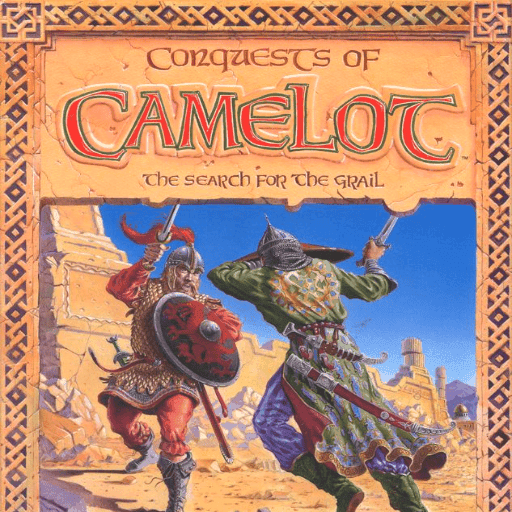
Conquests of Camelot: The Search for the Grail
The Impact of Limited Graphics: A Keen Insight
Games like Commander Keen: Keen Dreams showcase how developers ingeniously worked within graphical limitations. Created by id Software, Inc., the game uses vibrant colors and clear, intuitive iconography to guide players. This design choice ensured that even beginners could quickly adapt to the controls, demonstrating early principles of accessibility that are still crucial in today’s game design. The charm of its pixel art continues to inspire indie developers who seek to capture that nostalgic feel.
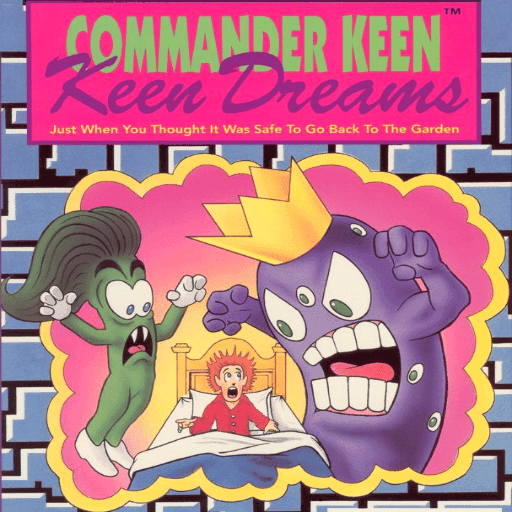
Commander Keen: Keen Dreams
Lessons in Frustration: When DOS Menus Fell Short
Despite their charm, not all DOS game interfaces were user-friendly. Many suffered from cryptic commands or labyrinthine menu structures that could frustrate players. These challenges often required players to keep manuals or notes handy—a practice that modern gaming has largely eliminated through intuitive design and in-game tutorials. The balance between challenge and usability was a fine line that not all DOS games managed to walk gracefully.
Modern UI Design Influences from Classic DOS Games
Modern games frequently borrow elements from DOS-era design principles, particularly the emphasis on clarity and user engagement. The minimalist approach seen in early DOS games is echoed in contemporary indie titles, where designers strive for intuitive and distraction-free interfaces. Games like ‘Hollow Knight’ and ‘Celeste’ owe a debt to the clean and purposeful design ethos that DOS games pioneered.
Designing the Future: What Today’s Developers Can Learn from DOS
The history of DOS game interfaces teaches us the importance of design efficiency and player-centric interfaces. As technology continues to advance, these lessons remain vital. By embracing the simplicity and creativity of DOS interfaces, modern developers can create games that are not only visually stunning but also deeply engaging. The legacy of DOS UI design is a testament to the power of constraint-driven creativity.
In the world of ever-evolving graphics and complex game mechanics, the simple yet effective design principles of DOS games remain influential. The nostalgia these games evoke is matched only by the lessons they impart on the art of game design. By studying the UX successes and missteps of the past, modern developers can continue to innovate, creating new experiences that captivate players just as the DOS classics once did.
Related articles
Top 5 Quick Play DOS Games for Your 10-Minute Break
Discover five exciting DOS games perfect for a quick 10-minute break.
6 Epic Fantasy DOS Adventures You Must Play
Explore the enchanting world of fantasy-themed DOS games that captivated players with rich storytelling and immersive gameplay.