Exploring the Evolution of DOS Gaming: Four Iconic Titles from 1989-1991
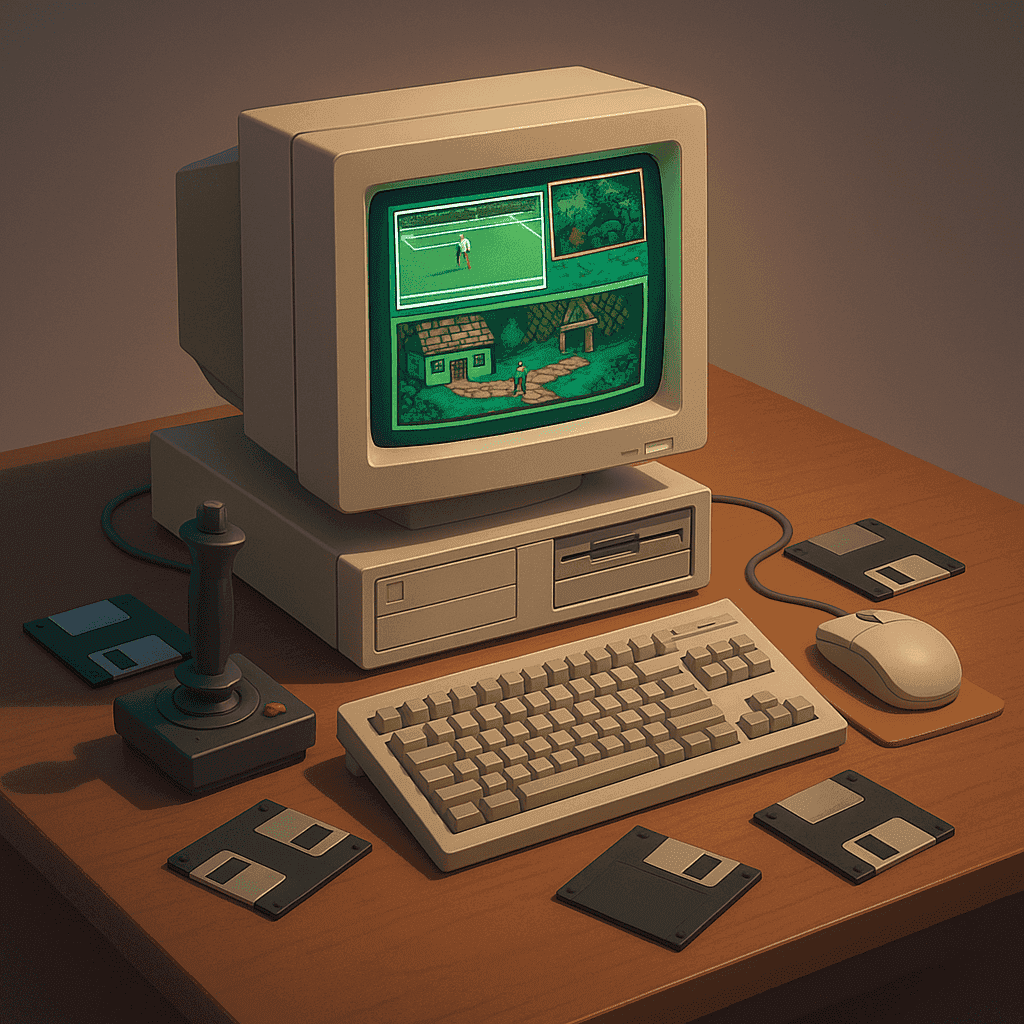
The late 1980s to early 1990s marked a pivotal era in the history of DOS gaming. As technology raced forward, so did the ambition of game developers eager to push boundaries and explore new frontiers in interactive entertainment. With the advent of more powerful hardware, games not only became more visually impressive but also deeper in narrative and complexity. This period saw an explosion of creativity across various genres, laying the foundation for the beloved classics that we still celebrate today.
The Surfing Craze: California Games II and the Rise of Sports Titles
One of the standout sports titles of this era was California Games II. Developed by Epyx, this game captured the vibrant and carefree spirit of the Californian lifestyle. Released in 1990, it offered players a suite of extreme-sports challenges, ranging from surfing to BMX biking. The game’s multi-event structure not only provided variety but also showcased the developer’s knack for creating engaging sports simulations. With its quirky commentary and a lively soundtrack, sports gaming took a significant leap forward, prefiguring the rise of sports franchises that would become staples in gaming.

California Games II
Puzzle and Adventure Unite in Heart of China
From the adventurous minds at Dynamix, Inc., Heart of China emerged in 1991 as a testament to the growing narrative complexity in adventure games. This title blended strategic puzzles with action elements, set against the rich backdrop of early 20th-century Asia. Its cinematic storytelling stood out, drawing comparisons to notable titles like Prince of Persia for its precision and Monkey Island for its engaging mystery. This game demonstrated the potential of combining storytelling with interactivity, paving the way for future narrative-driven games.

Heart of China
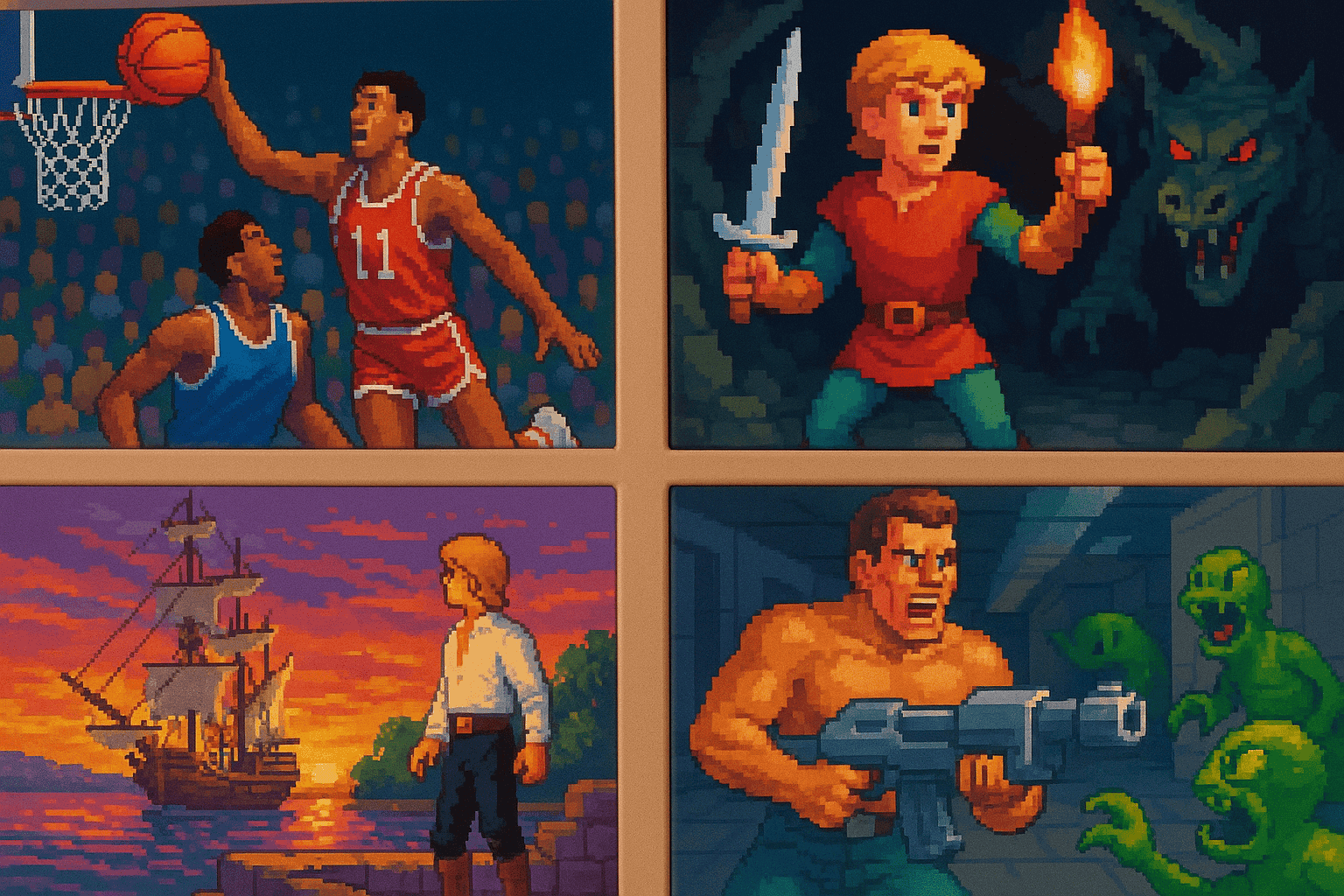
Managing Maritime Empires: The Strategic Depth of Ports of Call
In the realm of simulation games, Ports of Call from International Software Development Corp. stood out for its complex yet accessible gameplay. Released in 1992, this maritime business simulation challenged players to navigate the intricacies of global trade. With its focus on strategic planning and economic management, it captured the essence of building a shipping empire. The game’s ability to simulate realistic economic conditions made it a favorite among those interested in strategic and business simulations, influencing future trade and management games.
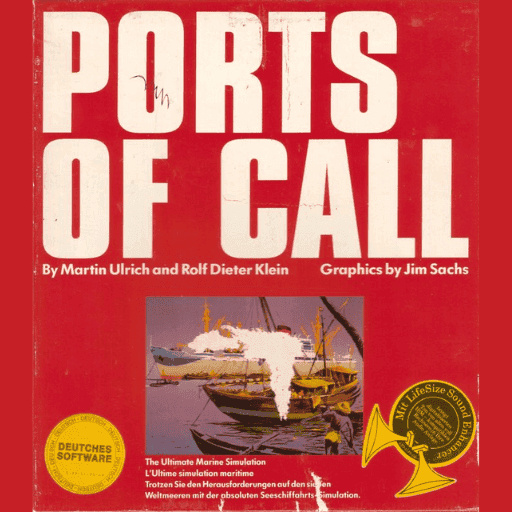
Ports of Call
RoboCop 3D: Pioneering Realism in Action Games
With the release of RoboCop 3D in 1992, Digital Image Design Ltd. delved into the burgeoning field of 3D graphics. This action-packed title offered a blend of driving, flying, and first-person shooting, setting the stage for more immersive and dynamic gameplay experiences. Emulating the success of cinematic missions seen in titles like Doom, RoboCop 3D’s use of 3D environments was revolutionary at the time, pushing the boundaries of what was possible in action games.
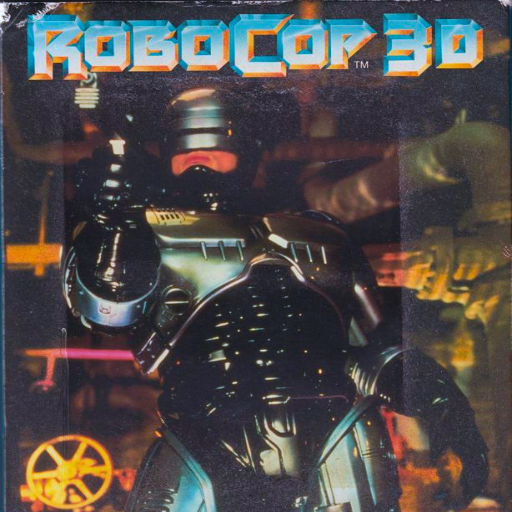
RoboCop 3D
This brief slice of the DOS gaming era from 1989 to 1991 highlights a transformative period that not only saw technological advancements but also the blossoming of diverse game genres. From the sunny sports escapades of California Games II to the tactical depths of Ports of Call, each game left a lasting impression that continues to resonate with gamers today. These pioneering games not only entertained but also laid the groundwork for the innovative and immersive gaming experiences of the future.
Related articles

DOS Game Interfaces: From Commander Keen to Modern UX Lessons
Explore how DOS game interfaces influenced modern game design through iconic menus and design choices.
Crafting Atmospheres: 3 DOS Games That Defined an Era
Explore how classic DOS games like Shadowgate, Darklands, and Jack in the Dark crafted immersive atmospheres with limited resources.