Bushido’s Dojo Drama and Early DOS Fighting Roots
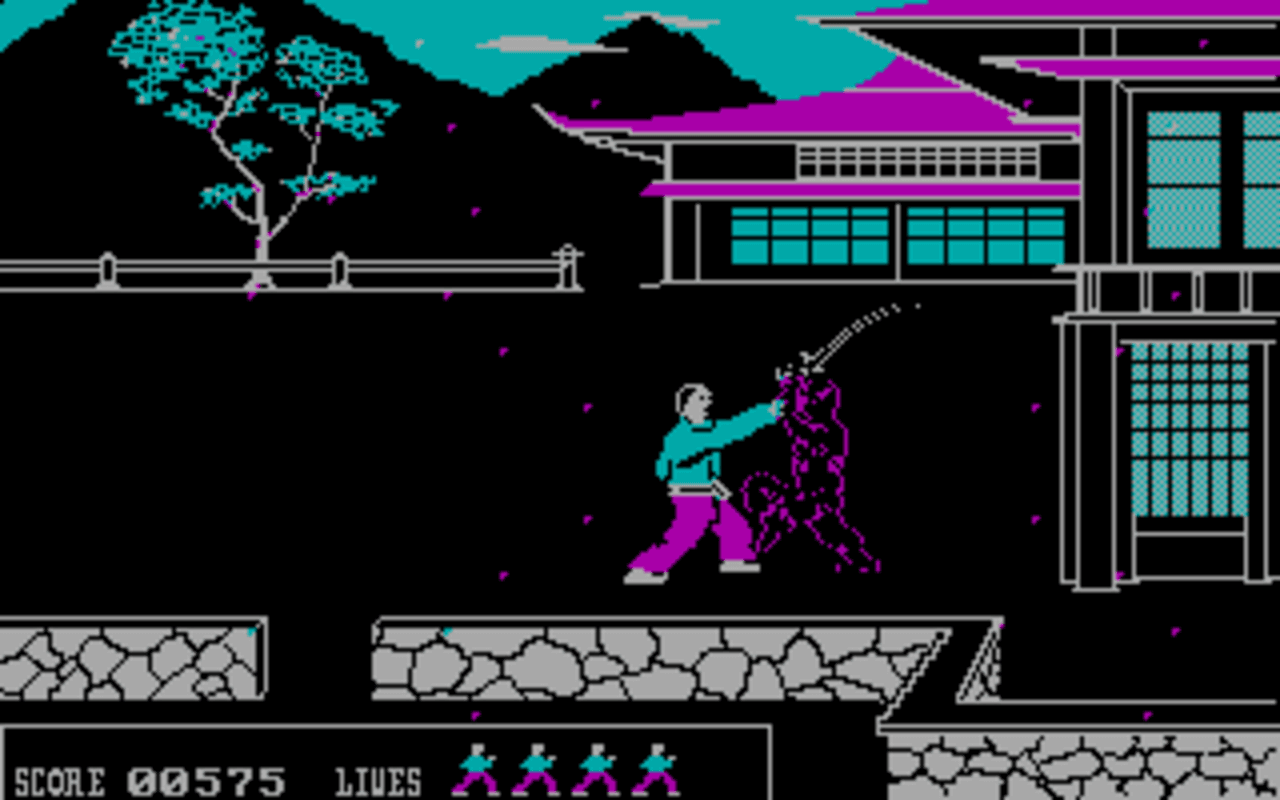
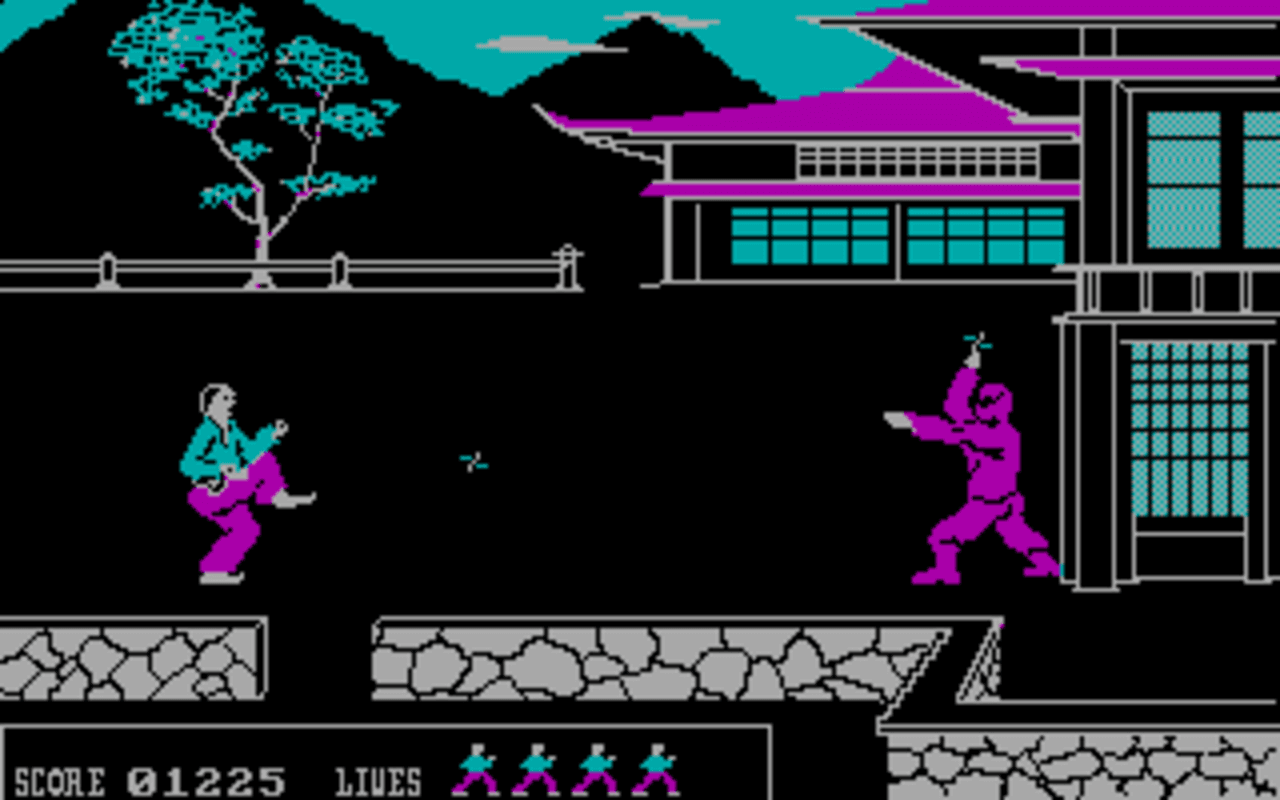
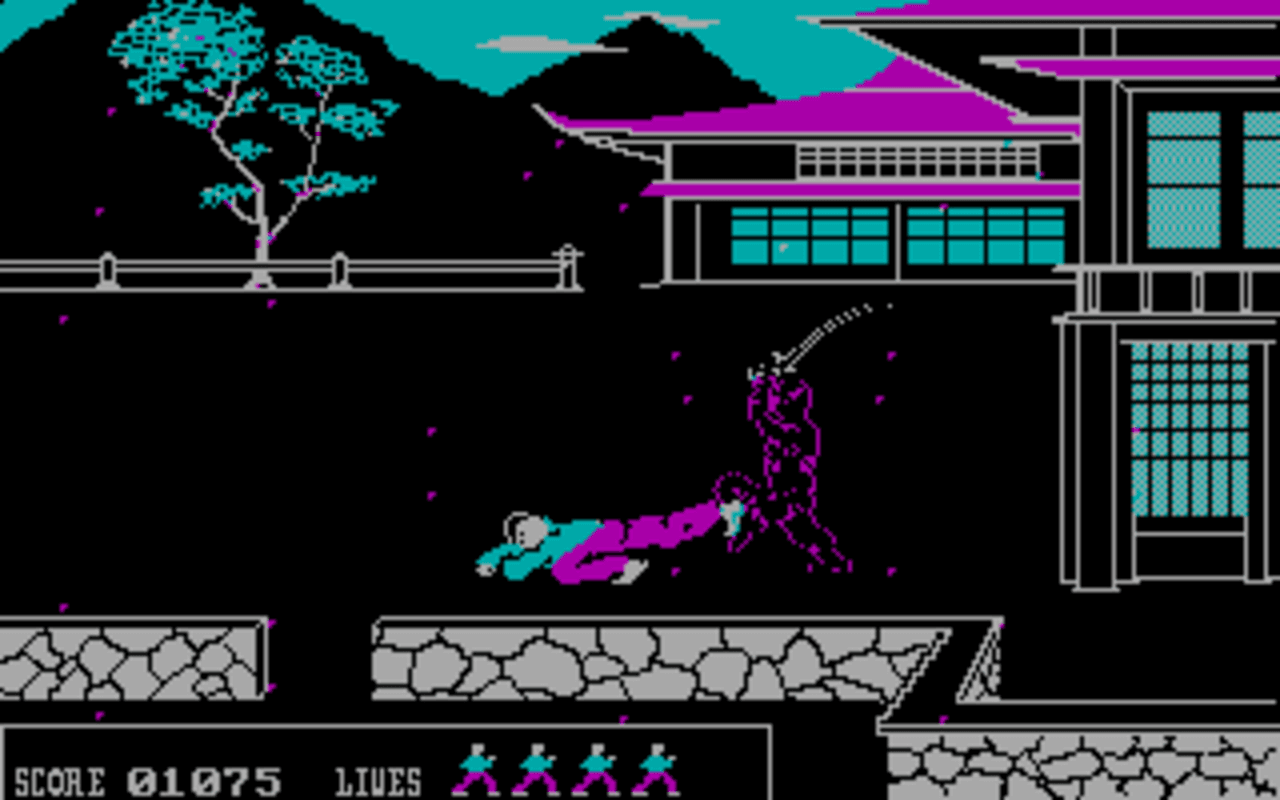
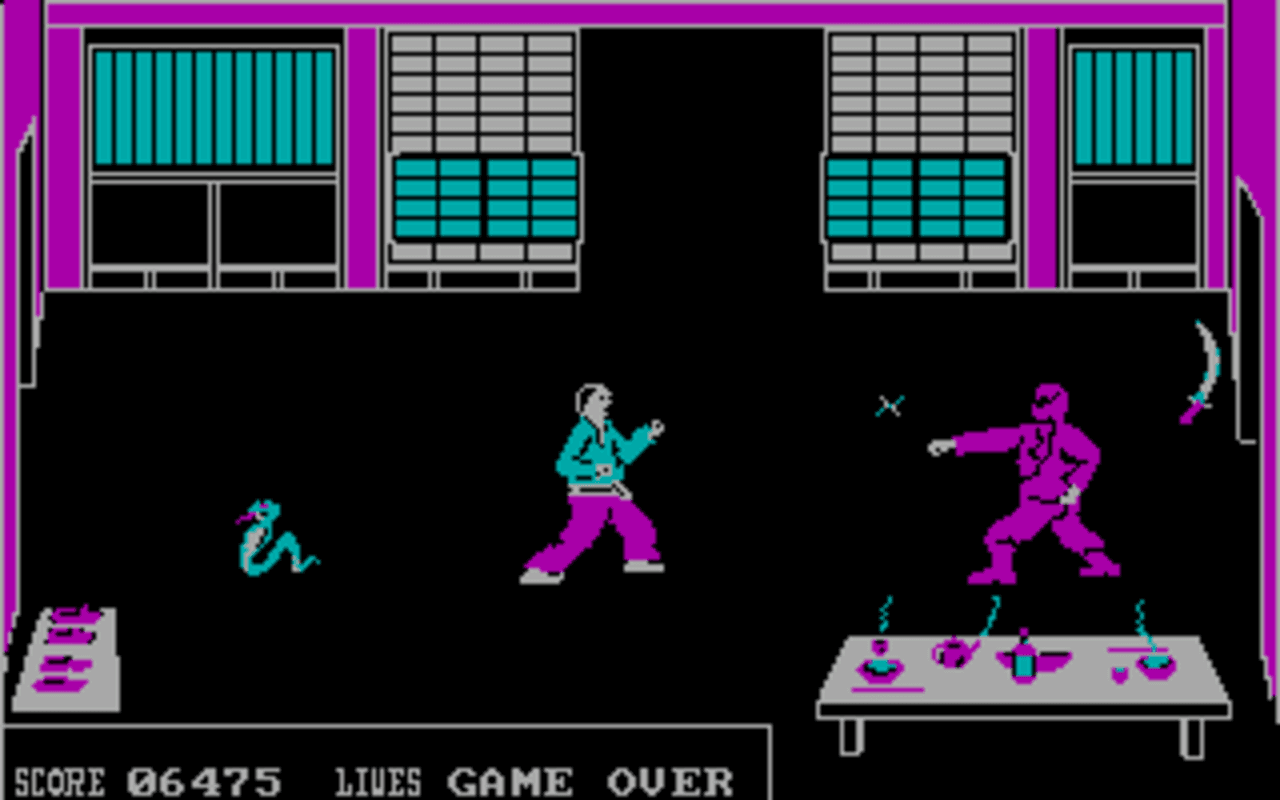
Bushido, also known as Bushido: The Way of the Warrior, comes from an era when DOS action games were still inventing their language one punch at a time. Published by Advanced Computer Products and developed by Ebenel Enterprises, this game sits near the dawn of the one-on-one fighting formula, before flashy combo lists and cinematic spectacle became the norm. Instead of trying to overwhelm you with complexity, Bushido leans into clarity: two fighters, a flat arena, and the timeless question of who can keep their head when the distance closes.
What makes Bushido feel memorable isn’t a sprawling storyline delivered in long cutscenes. It’s the atmosphere implied by its title and the way the duels unfold. You’re not merely trading hits; you’re testing composure. The pace encourages you to watch, to wait, to provoke mistakes, and then to commit. That old DOS restraint becomes part of the mood, like stepping into a minimalist dojo where every motion is supposed to mean something.
Reading the Opponent in Bushido’s Side-View Duels
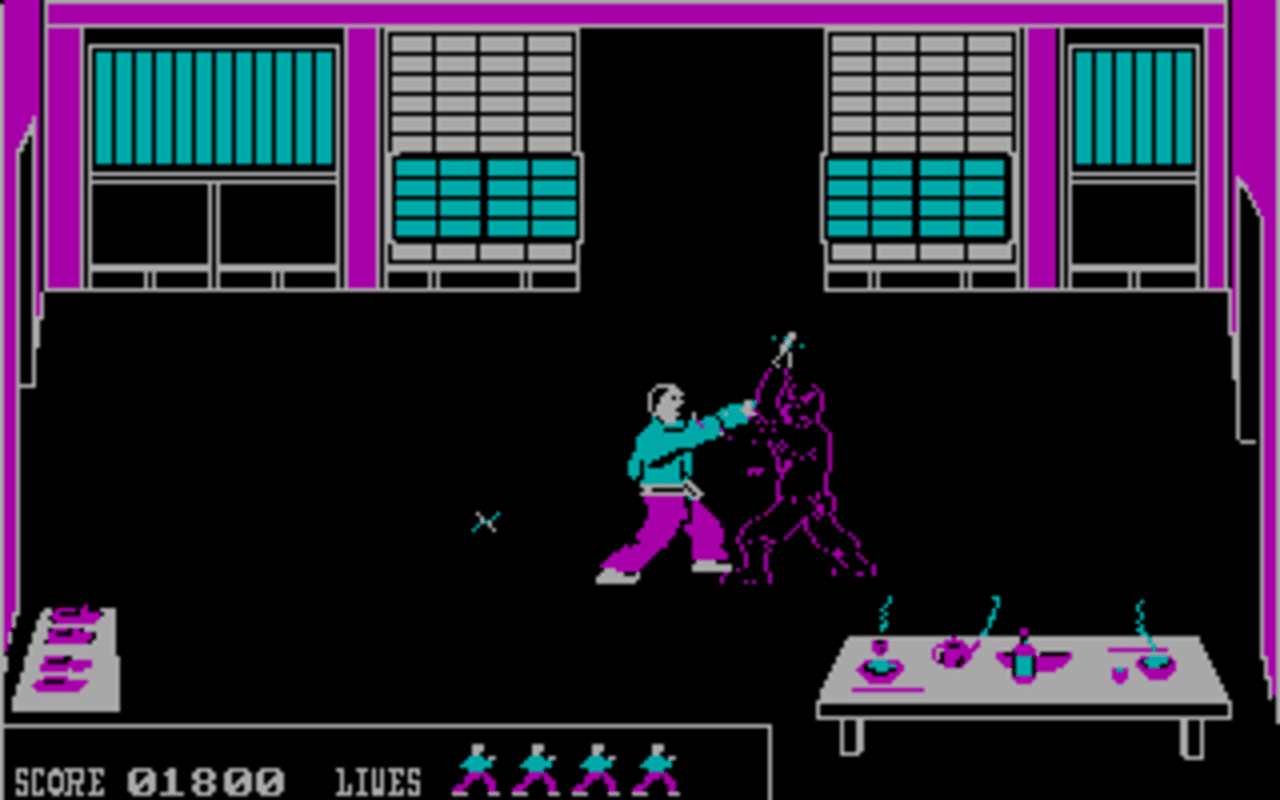
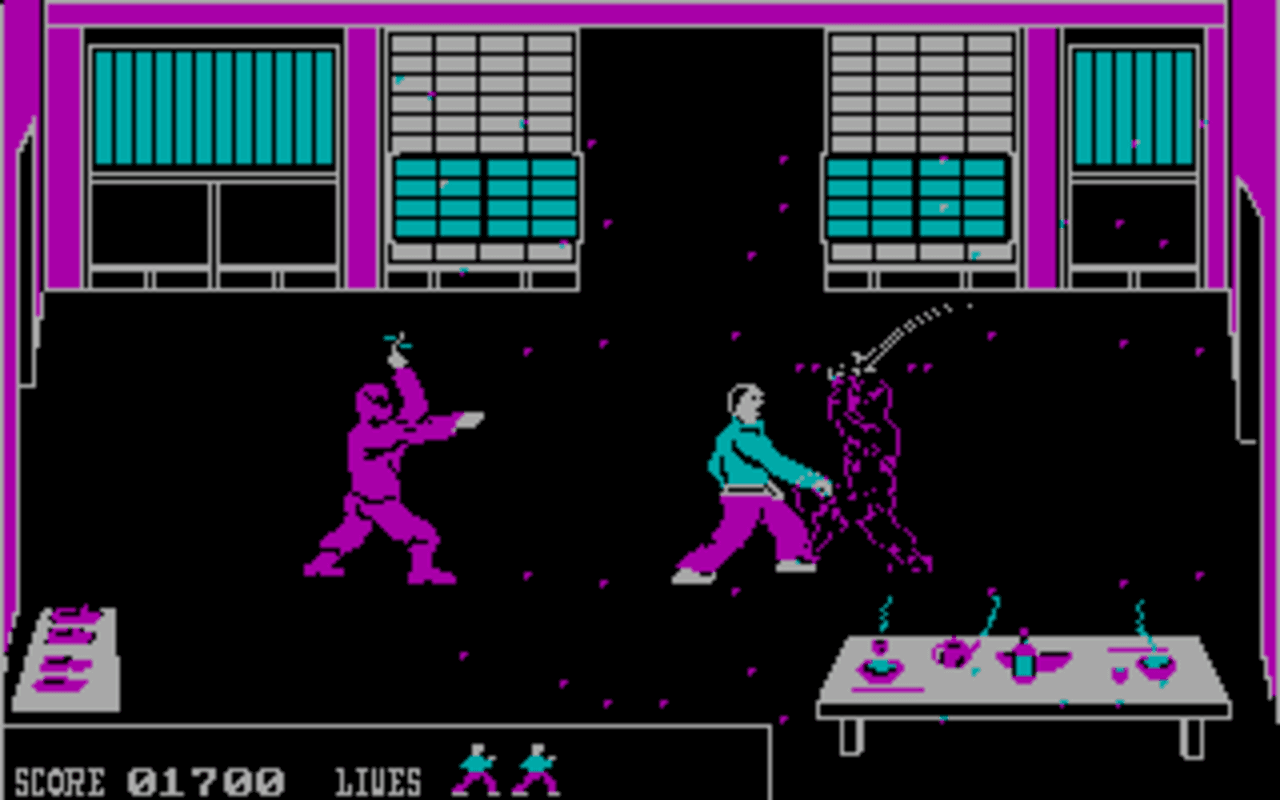
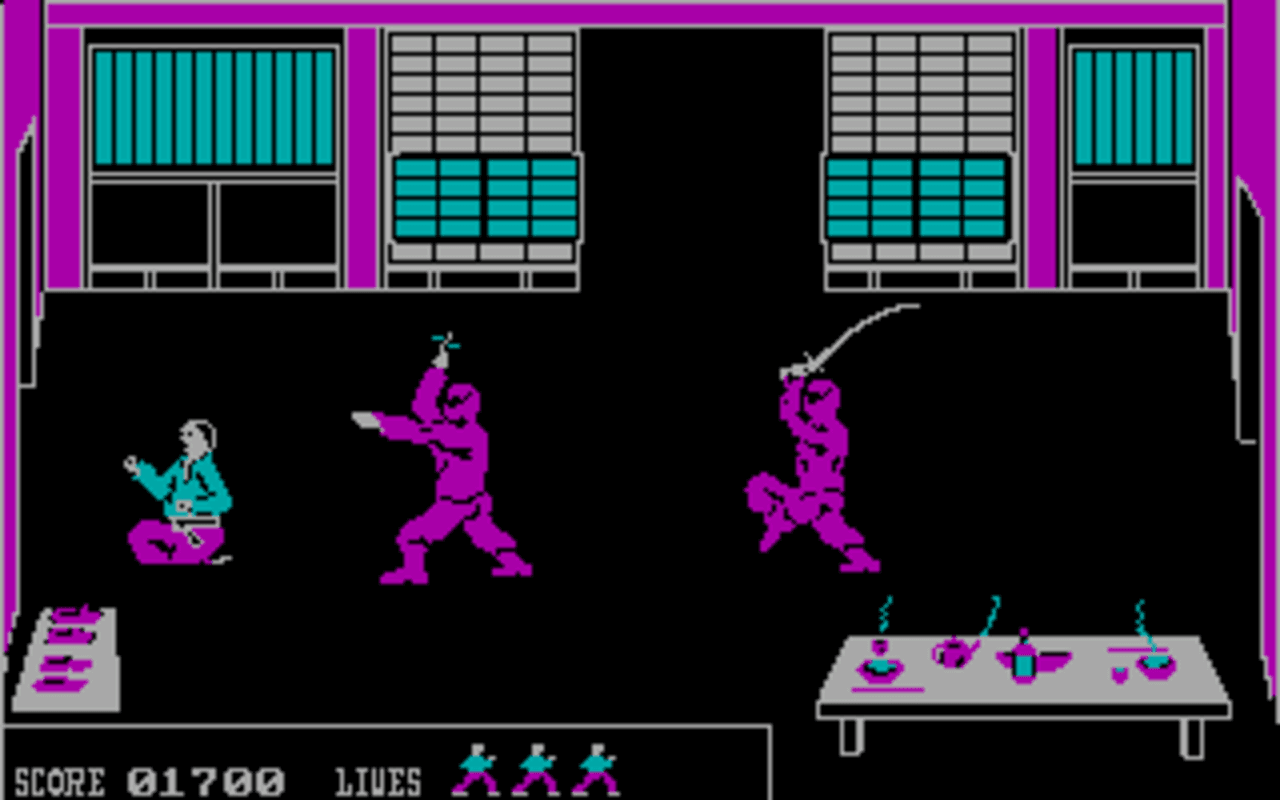
At its core, Bushido is a fighting game about decision-making under pressure. The side-view perspective turns the space between fighters into the main character. If you rush mindlessly, you risk walking into punishment; if you hesitate too long, you surrender initiative. The most satisfying moments come when you start predicting patterns: the opponent’s preferred range, the tempo they fall into, the moments they flinch.
Because the presentation is straightforward, your brain supplies the drama. A single exchange can feel like a tiny story: the feint that draws a reaction, the step that baits a strike, the counter that lands clean. Bushido rewards players who treat each duel like a conversation rather than a brawl. The game’s age shows in its simplicity, but that simplicity also keeps the focus on fundamentals that never go out of style: timing, spacing, and courage.
There’s also a particular charm to how “serious” the game feels without needing elaborate systems. You can sense the design reaching for a code of honor vibe—less about chaos, more about proving mastery. Even when you lose, it often feels like a lesson rather than a random outcome, which is exactly the kind of loop that keeps a classic game alive.
Play Bushido online for a Classic Fighting Game Challenge
Part of Bushido’s lasting appeal is how naturally it fits modern play habits without changing its soul. You can play Bushido online free in a browser, and it also works well on mobile devices without restrictions, which makes short, focused duels easy to enjoy whenever you have a few minutes. That accessibility matches the game’s original structure: compact battles, quick restarts, and instant chances to apply what you just learned.
Playing online doesn’t dilute the experience; it highlights what Bushido has always been good at. Each bout is a bite-sized test of fundamentals. You don’t need a long warm-up to “get back into it,” because the game’s language is immediate: close the gap, defend your space, choose your moment, and commit. Whether you treat it as a historical curiosity or as a pure skill game, Bushido holds up because it asks for something universal—attention.
And if you’re the kind of player who likes to improve, the online format can become a personal training routine. Try a few duels, focus on one habit to fix, then jump back in. The game is direct enough to make that process feel honest. Win or lose, you’ll usually know why it happened.
Why Bushido Still Feels Sharp When You Just Want to Play
Bushido doesn’t rely on modern fighting game flash, yet it can still create that classic “one more round” pull. The rules are easy to grasp, but the outcomes depend on tiny choices. When a game puts your instincts on the line like that, it stays interesting across decades. Bushido is also a reminder that strong game design doesn’t require a huge feature list; it requires clear stakes and responsive feedback.
It’s also easy to appreciate Bushido as a snapshot of early DOS creativity. Developers were working with strict limits, so they focused on readable action and repeatable tension. The result is a lean experience that doesn’t waste your time. It’s the kind of game you can revisit for a few minutes or sink into for longer sessions as you chase cleaner decisions and calmer reactions.
Bushido is a compact martial arts fighting game with a samurai-duel spirit, built around fundamentals that remain satisfying. Controls are typically handled with the keyboard: use directional inputs (number keys) to move and choose attacks, and focus on timing and distance more than button-mashing.
All used codes are publicly available and the game belongs to its original authors.