Why the original Prince of Persia still stands out
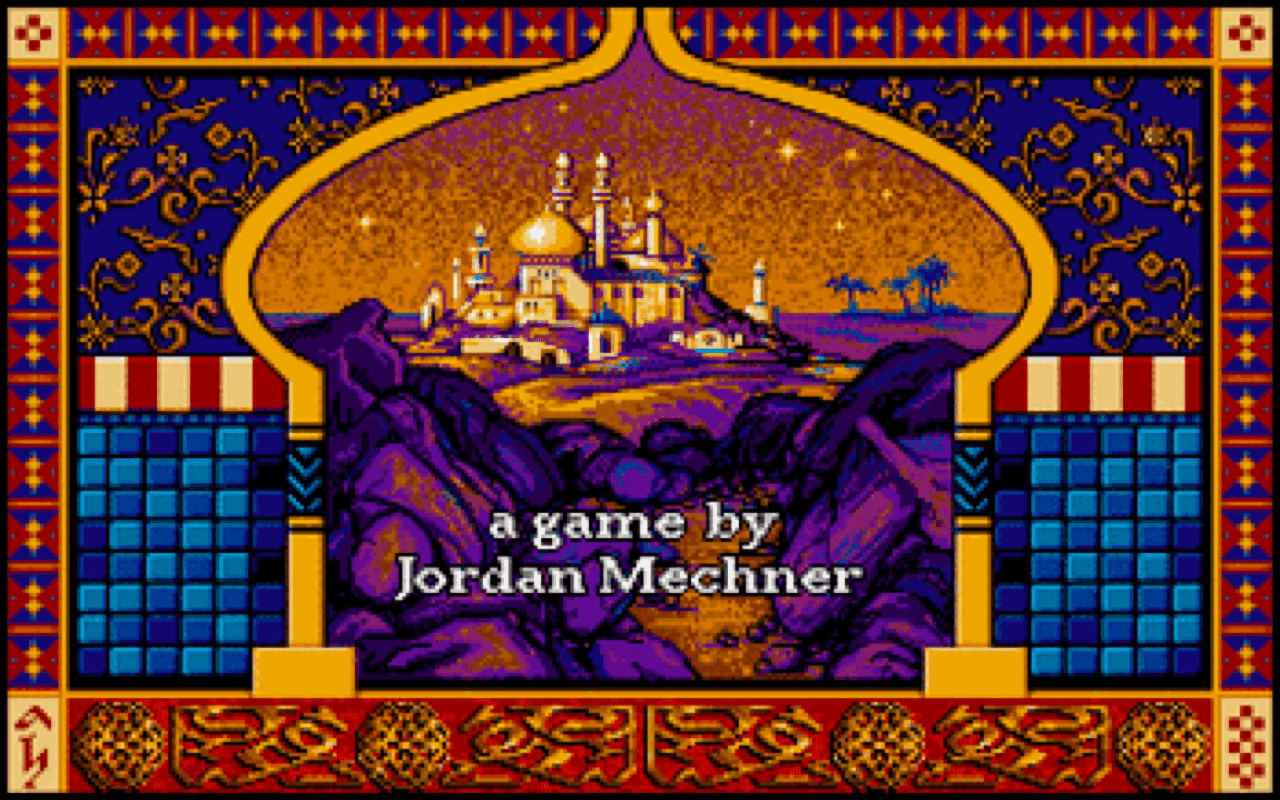
Created by Jordan Mechner, Prince of Persia first appeared on Apple II in 1989, with the MS-DOS version following in 1990. That DOS release is the one many retro PC players remember most clearly, and it helped make the game famous for its fluid rotoscoped animation, realistic movement, and cinematic sense of danger.
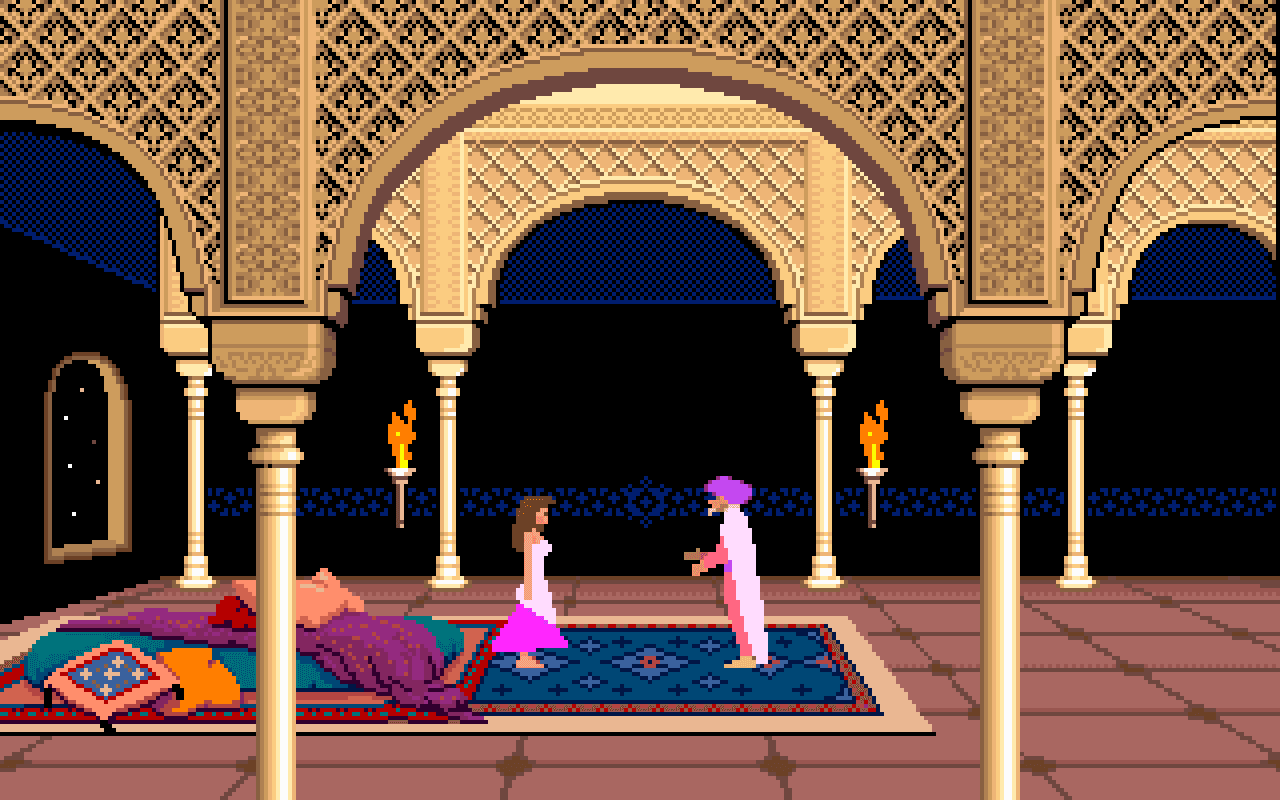
The setup is simple and timeless: escape the dungeon, outsmart Jaffar, and rescue the princess before time runs out. That strict time limit gives the game its identity. Even when nothing is moving, Prince of Persia feels tense, because every room asks for focus and every mistake costs you.
Gameplay built on timing, traps, and control
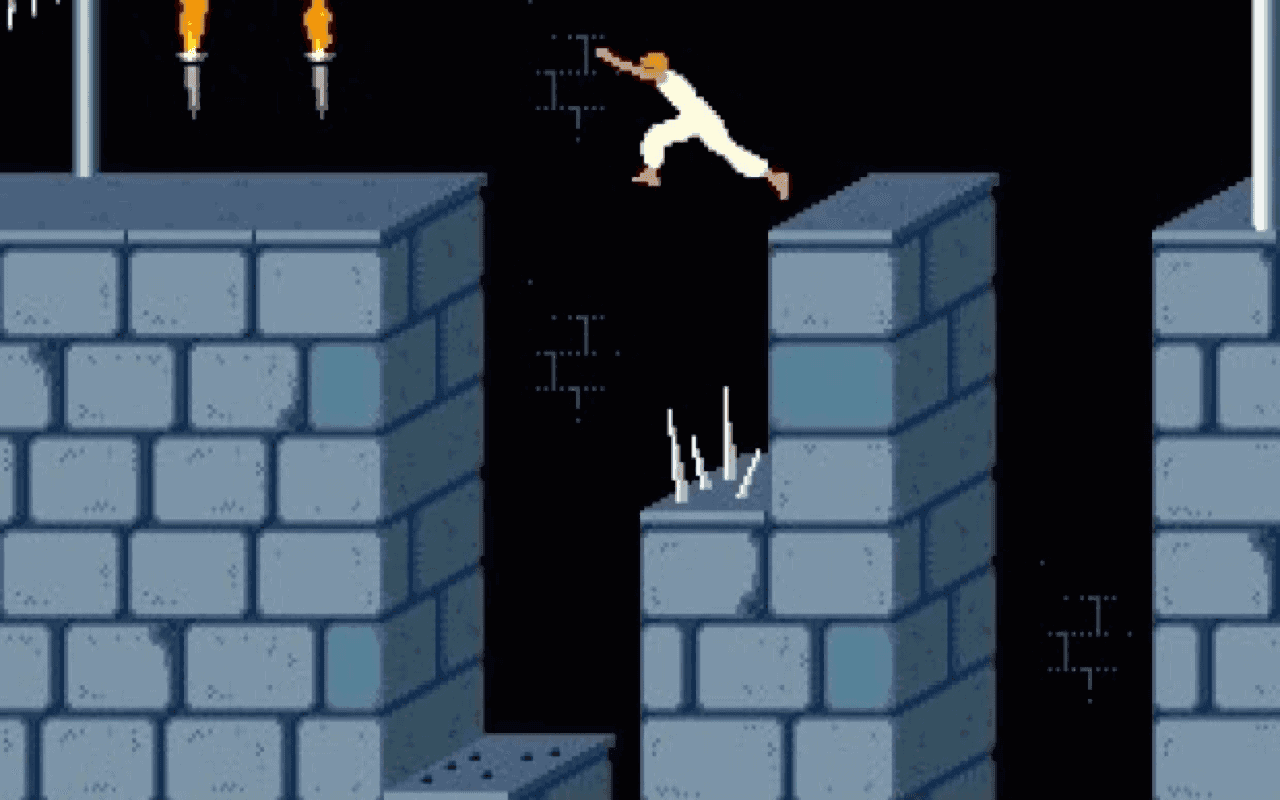
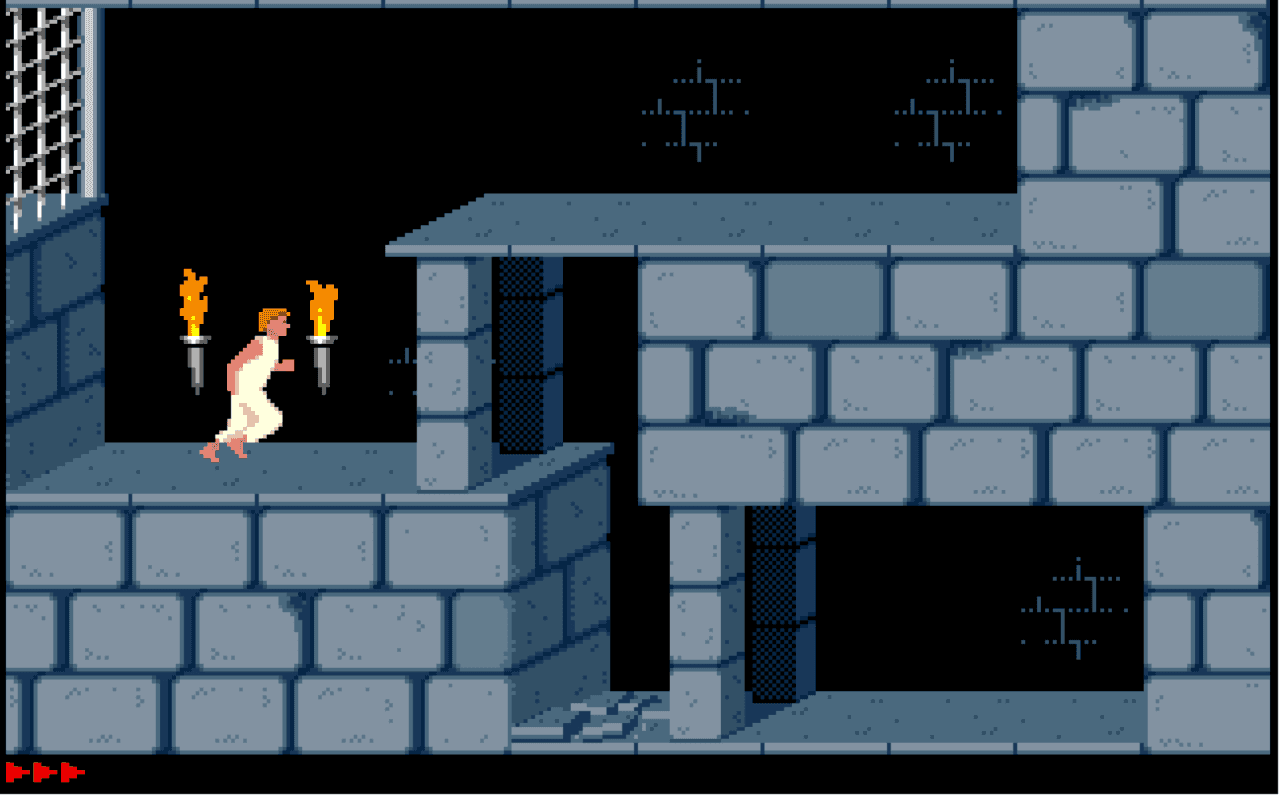
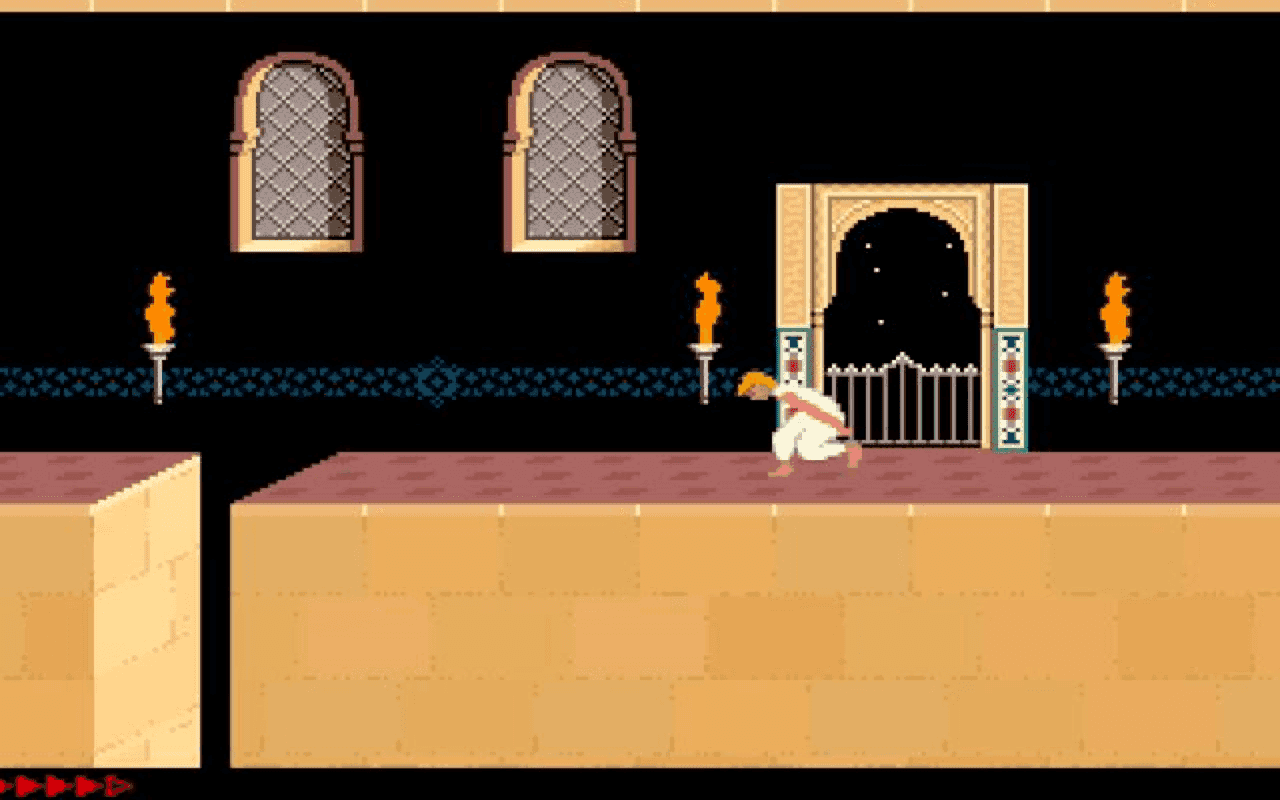
At first glance, Prince of Persia seems straightforward: run, jump, climb, fight. In practice, it is much more exacting. The Prince has weight and momentum, and the game expects you to respect both. Long jumps, hanging drops, cautious steps at the edge of a platform, and split-second reactions are all part of the challenge. That is a major reason the original Prince of Persia still feels rewarding today.
Every jump matters
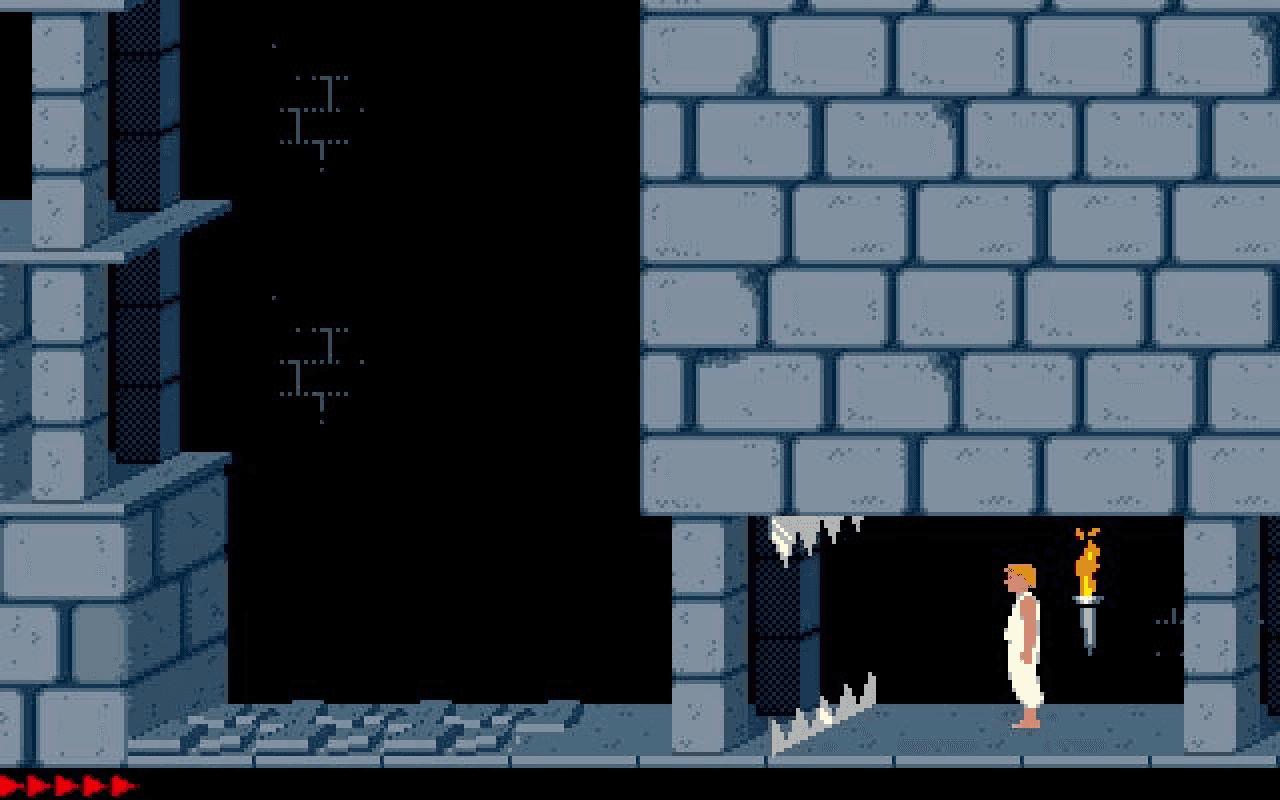
This is one of those rare classic DOS games where movement itself becomes the puzzle. Loose tiles, pressure plates, spikes, collapsing floors, and narrow ledges turn nearly every screen into a small test of judgment. Instead of overwhelming you with noise, Prince of Persia builds suspense through spacing, timing, and hesitation.
Sword fights change the pace
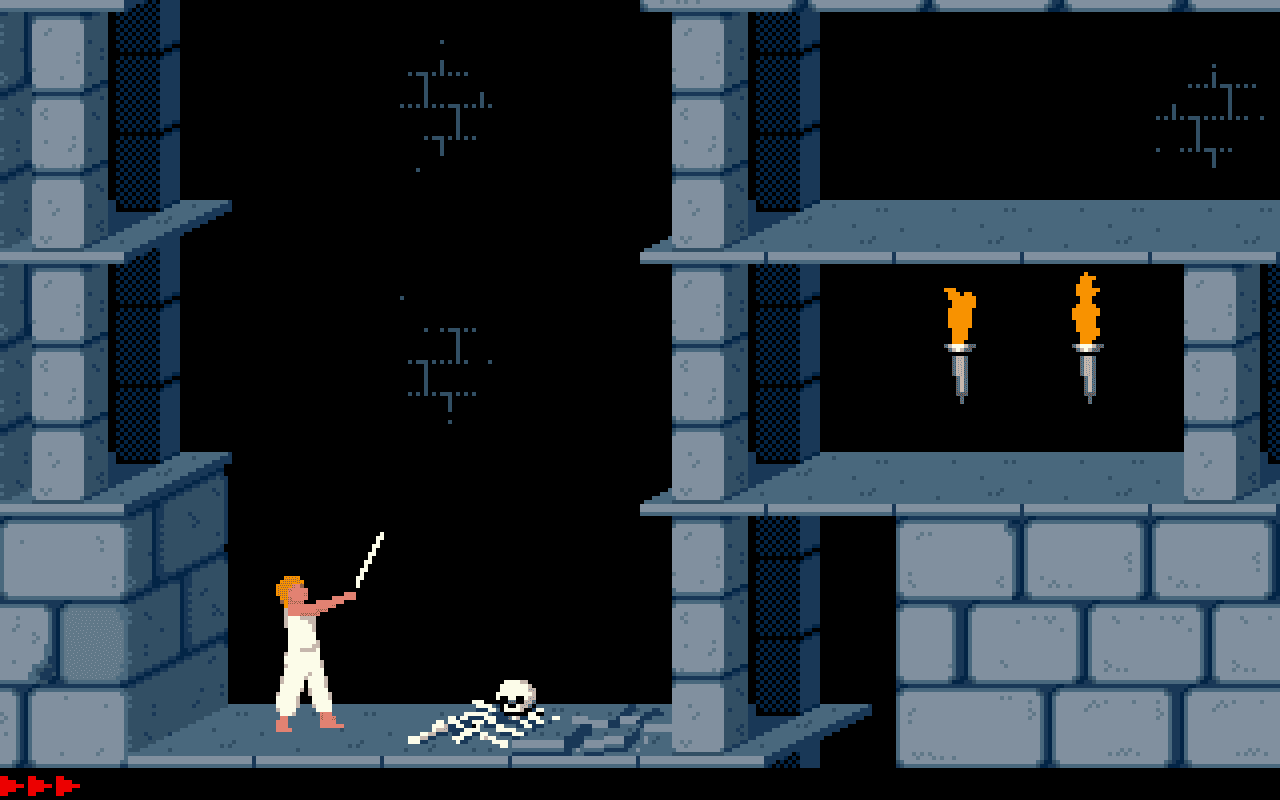
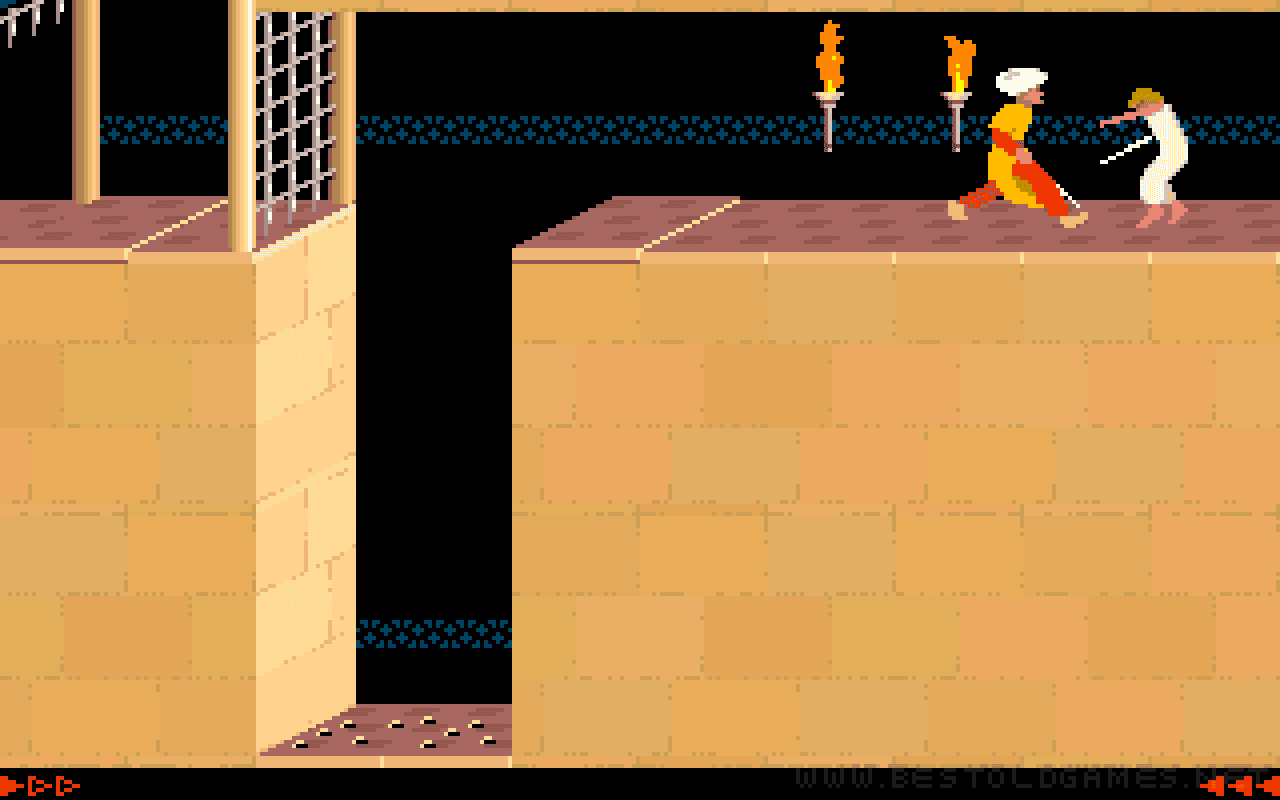
Combat is simple, but it is memorable because it fits the rest of the design so well. Guards are not there just to add action. They interrupt your rhythm and force you to stay calm under pressure. A sword fight in Prince of Persia feels like another kind of trap, which is exactly why it works.
Why Prince of Persia became a classic DOS game
Prince of Persia mattered because it showed how expressive a side-scrolling game could be. It combined animation, atmosphere, puzzle design, and action in a way that felt unusually cinematic for its time. Its influence is still discussed in the history of platform and action-adventure games, and its rotoscoped movement remains one of the clearest reasons it is still remembered decades later.
It also holds up because the design is clean. There is very little wasted motion, very little filler, and almost no confusion about what the game wants from you. Learn the Prince’s movement, keep your nerves under control, and the game opens up. That is why this old Prince of Persia game still feels sharp rather than merely nostalgic.
Why play Prince of Persia online today
A lot of retro games are historically important without being especially inviting to modern players. Prince of Persia is different. The challenge is tough, but the rules are readable, the controls are purposeful, and the tension feels earned. Playing Prince of Persia online in your browser makes it easy to experience the original DOS version without digging through old hardware or emulator settings.
It also works beautifully in short sessions. Each room is distinct, memorable, and dangerous enough to make progress feel meaningful even if you only play for a few minutes. That makes Prince of Persia a great fit both for long-time fans and for players discovering it for the first time.
Who will enjoy Prince of Persia
This page is a strong match for anyone looking for the original Prince of Persia, a classic Prince of Persia DOS game, or simply an old-school action-platformer that still rewards patience and precision. If you like games where timing matters, animation carries real gameplay weight, and challenge comes from mastery rather than clutter, Prince of Persia still deserves its reputation.
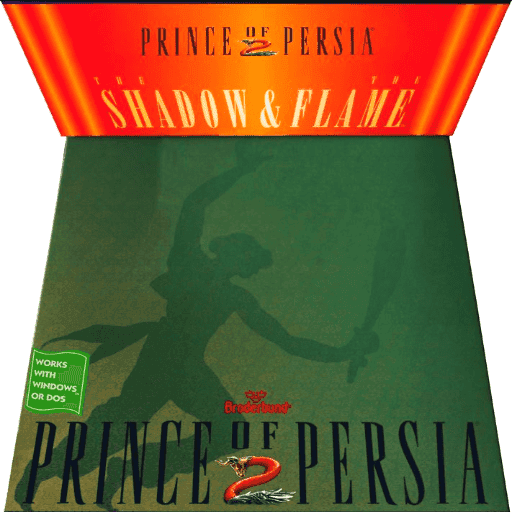
And if the first game hooks you, the natural next step is Prince of Persia 2: The Shadow & The Flame, which BestDOSGames also features. Players who enjoy cinematic platformers should also look at Another World and Flashback: The Quest for Identity, while Karateka is a strong historical companion piece because it was another Jordan Mechner game built around expressive animation and tension.