A Secret War Inside Command & Conquer: The Covert Operations
To start the game, press ESC and select an option.
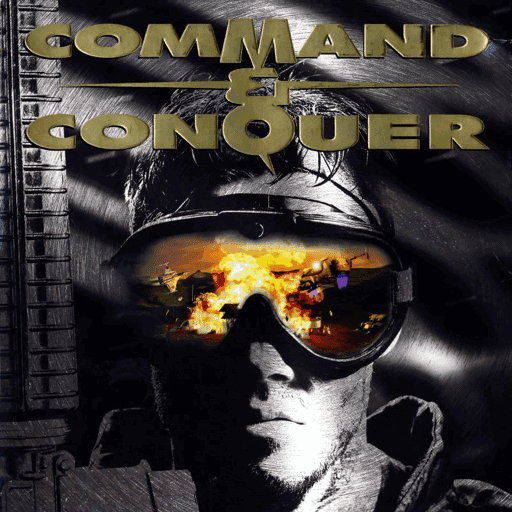
Command & Conquer: The Covert Operations is a mission-packed expansion that sharpens the original RTS formula into a brisk, tactical playground. Published by Virgin Interactive, it drops you into covert scenarios where scouting, timing, and smart base growth matter as much as raw firepower. If you love the clear battlefield readability of Warcraft II and the tense map control of StarCraft, this game hits a similar nerve while keeping the classic Command & Conquer pace. Play online to experiment with build orders, improvise under pressure, and enjoy missions that reward clever solutions.
| Release year | 1996 |
|---|---|
| Developer | Virgin Interactive Entertainment, Inc. |
| Publisher | Virgin Interactive Entertainment, Inc. |
| Genre | Strategy |
| Platform | DOS |
| Game size | 14.2 MB |
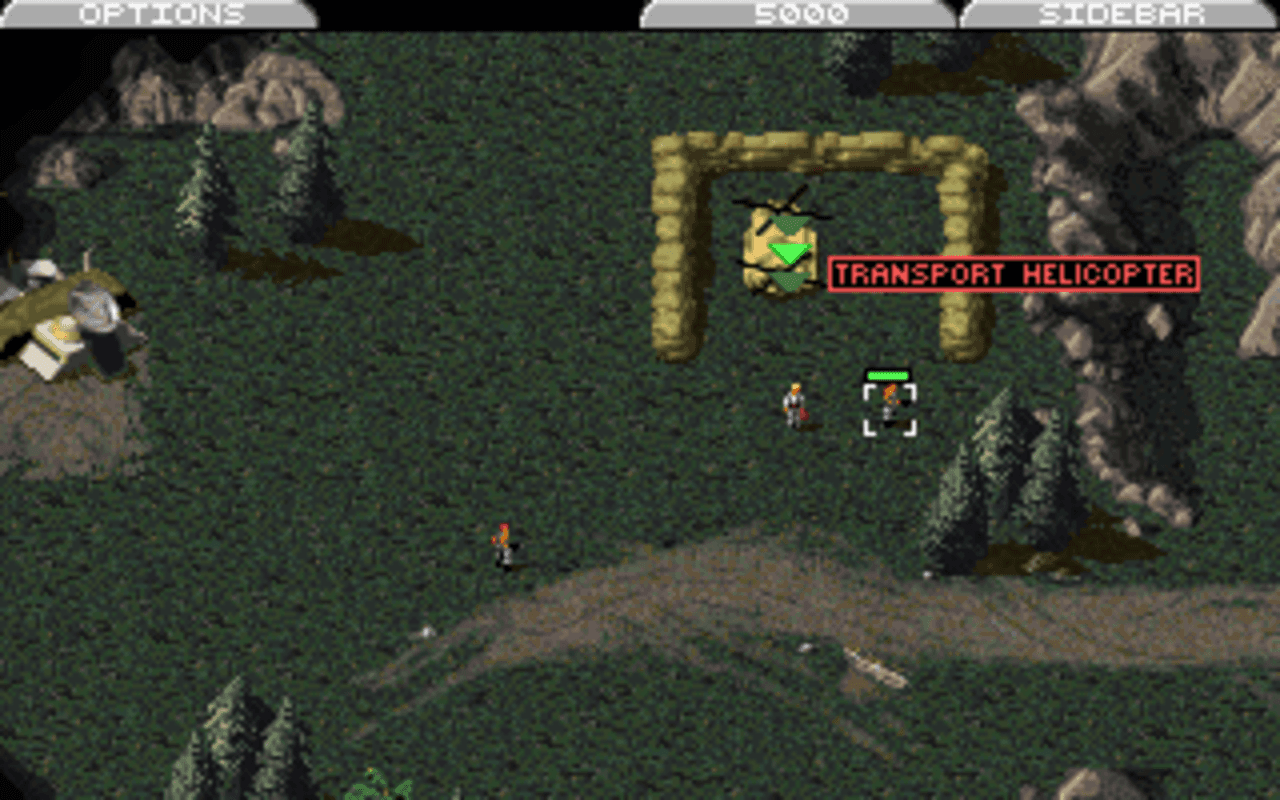
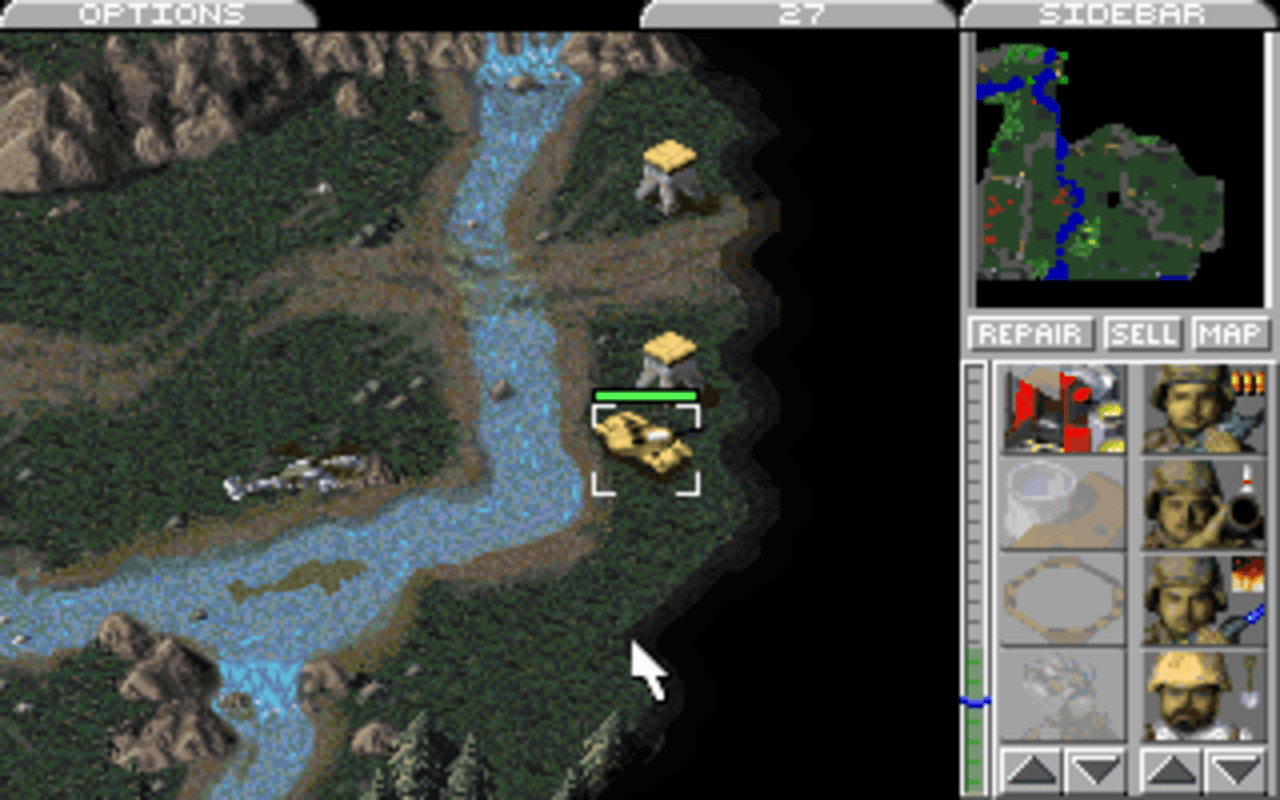
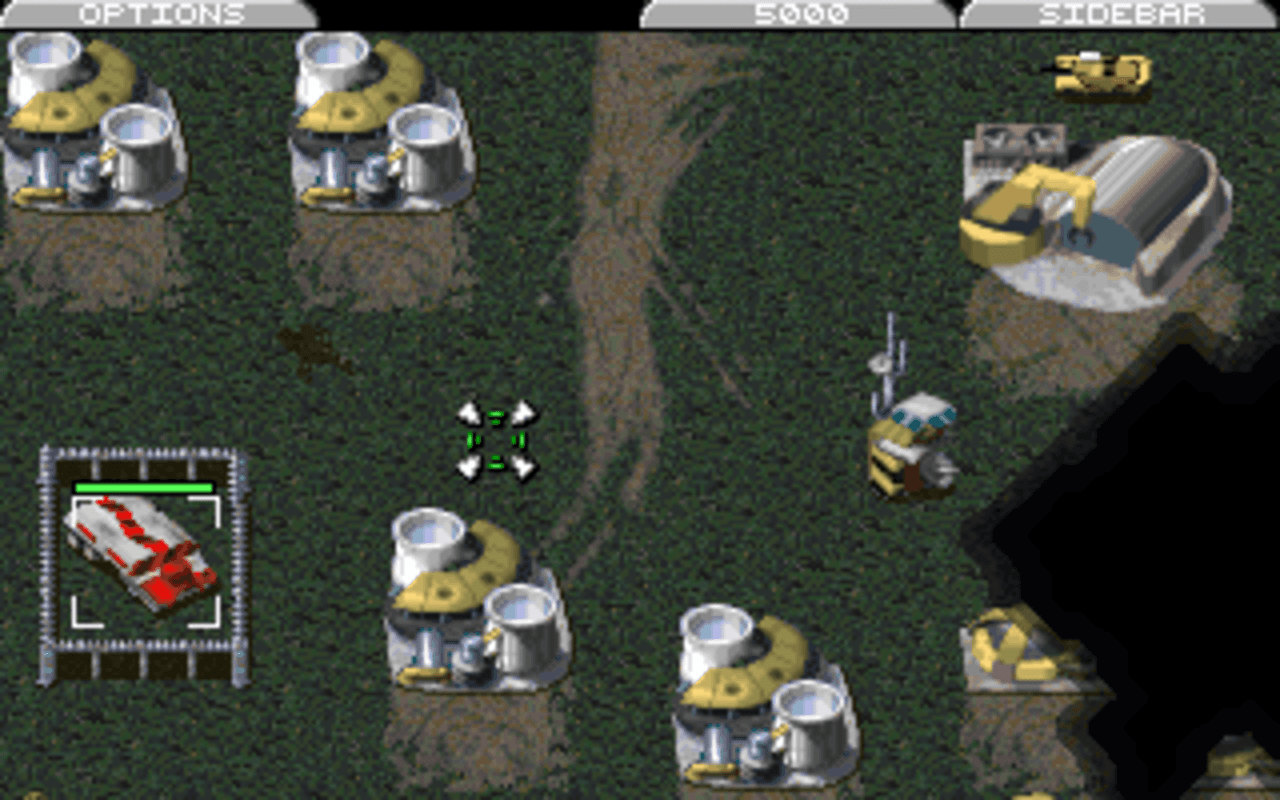
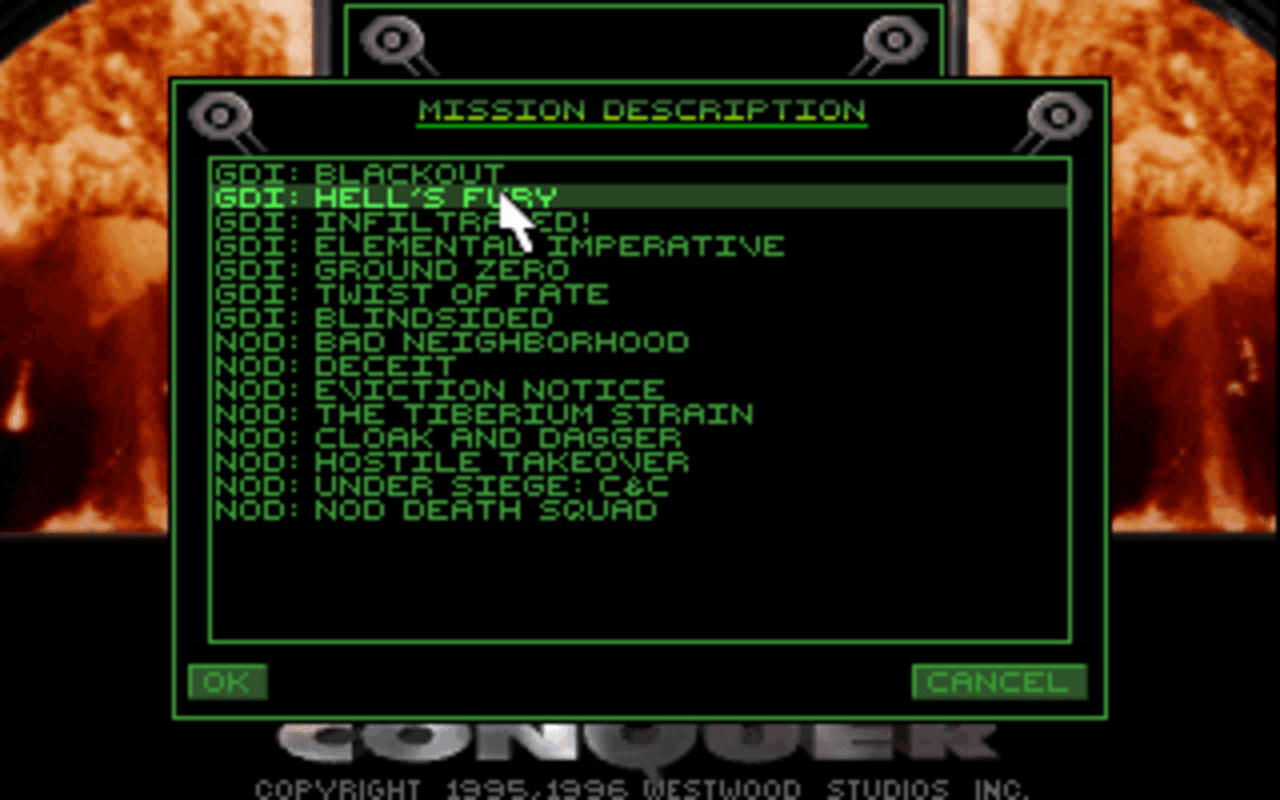
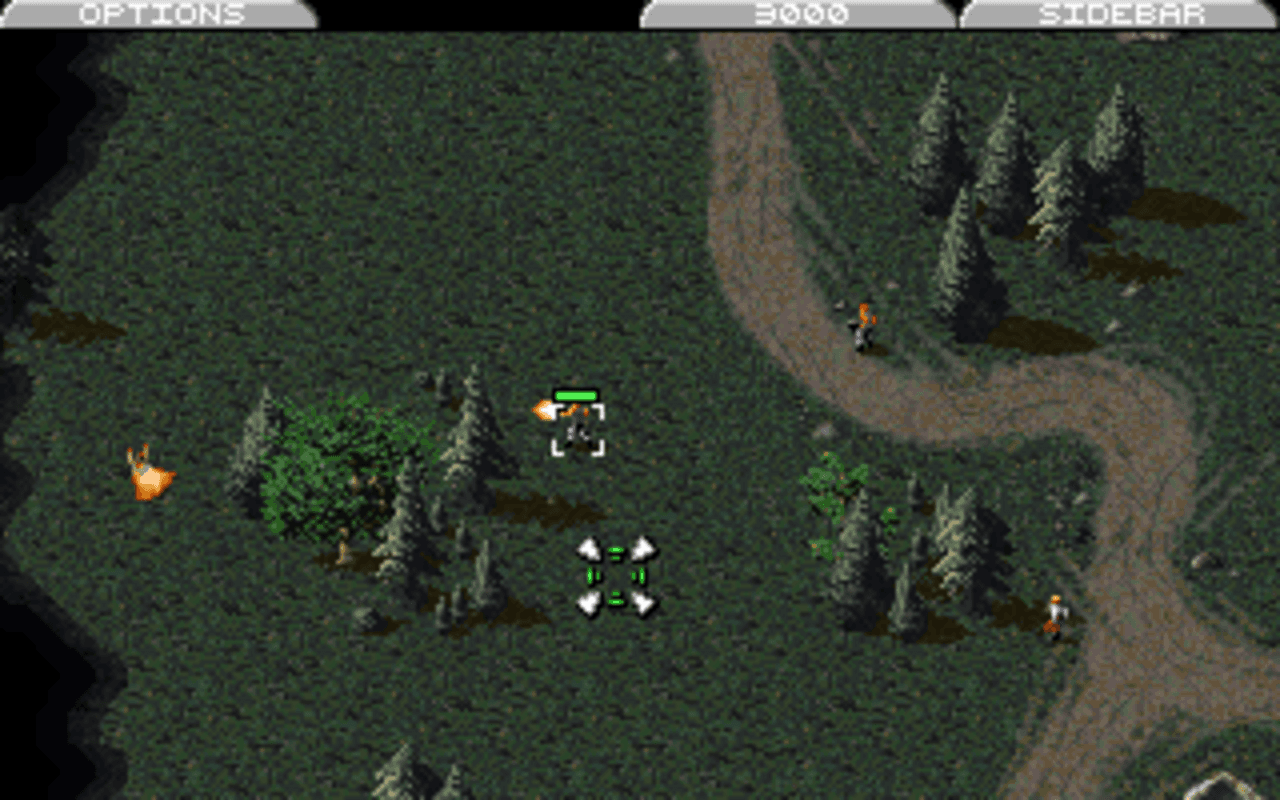
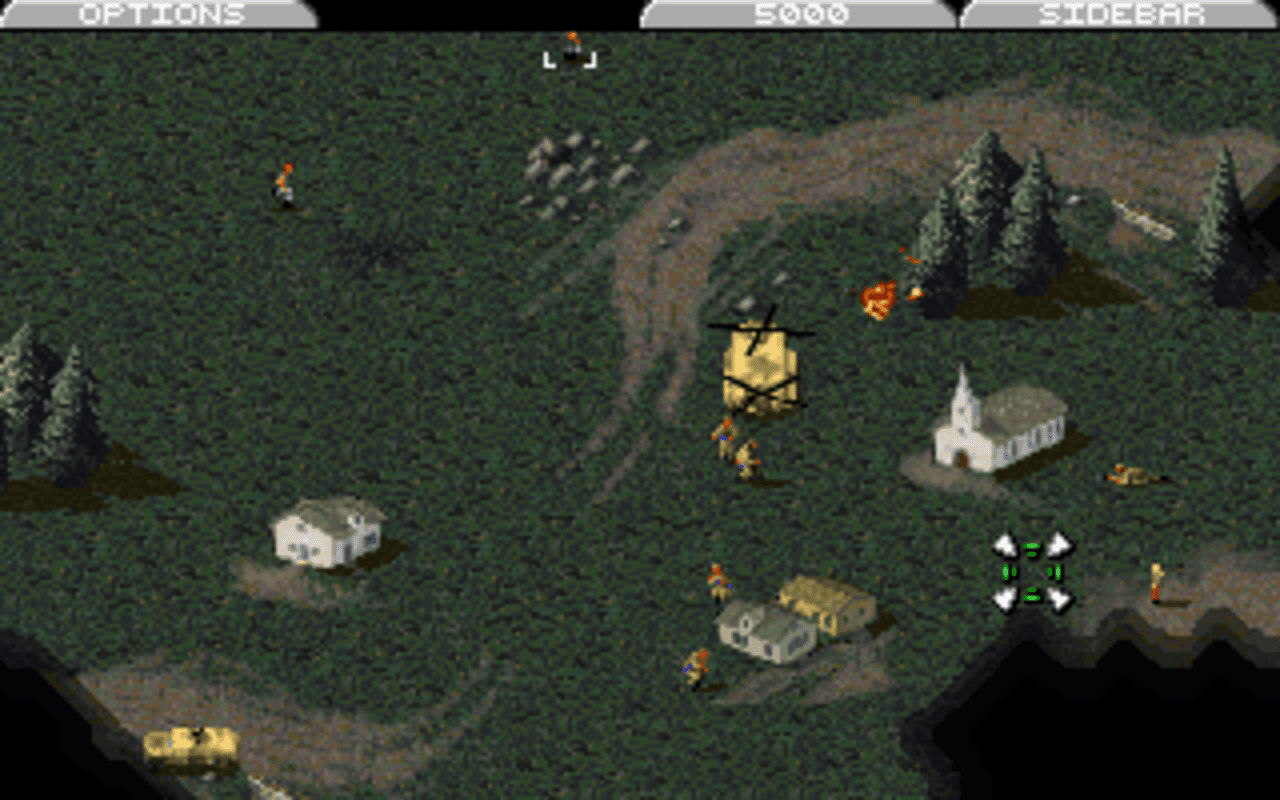
To start the game, press ESC and select an option.
Command & Conquer: The Covert Operations takes the familiar conflict and filters it through smaller, sharper operations where every decision feels amplified. Published by Virgin Interactive and built on Westwood’s fast, readable RTS foundation, this game focuses on curated scenarios rather than a long cinematic campaign arc. The result is a collection that feels like a strategist’s test chamber: you’re given a situation, a set of tools, and just enough breathing room to invent a solution.
What makes Covert Operations distinct is how it pushes you to engage with the “grammar” of classic Command & Conquer. The economy is still simple, the units are still iconic, and the battlefield still rewards clean positioning. Yet the missions often nudge you away from autopilot play. You might start boxed in, starved for resources, or forced to expand under fire. You might be asked to win with a limited roster, or to survive long enough for a counterstrike to become possible. That steady pressure turns routine base building into a series of meaningful tradeoffs, which is exactly what strong RTS design aims for.
Even if you already know the core factions, Covert Operations invites you to see them as toolkits. GDI’s reliable armor and straightforward strength can feel comforting—until the mission demands speed, stealthy scouting, or daring strikes. Nod’s trickery and mobility can feel dominant—until you’re asked to hold ground against sustained assaults. The game stays approachable, but it refuses to stay predictable.
The heart of this game is scenario design that nudges you into experimentation. Instead of treating missions as simple “build up and steamroll” puzzles, many maps function like tactical riddles. The best moments happen when you realize the obvious plan is too slow, too expensive, or too risky—and you pivot. Maybe you delay your tech to field quick counters. Maybe you rush a key structure to break the enemy’s production loop. Maybe you use terrain and vision to win fights you “shouldn’t” win on paper.
Covert Operations also understands that tension in an RTS often comes from information. The fog of war is not just decoration here; it’s a source of suspense. A quiet corner of the map can hide a lifeline or a disaster. A single scout run can save your economy by revealing the direction of an incoming strike. Because classic Command & Conquer is so legible—silhouettes read cleanly, explosions are clear, and unit roles are intuitive—each new reveal feels actionable. You don’t just see danger; you see the shape of a response.
That clarity makes the game satisfying to learn. Losses feel educational rather than random. When you get overwhelmed, it’s usually because your timing slipped, your expansion was late, or your defenses didn’t match the threat. When you win, it’s often because you created a plan that the map “allowed,” then executed it with discipline. Covert Operations doesn’t need modern complexity to create depth; it gets depth from constraints, pacing, and pressure.
A big reason people still enjoy this game is the sheer rhythm of it. Command & Conquer’s pacing is snappy: units respond quickly, battles resolve fast, and small advantages snowball if you capitalize on them. Covert Operations leans into that tempo. The best play isn’t necessarily perfect play—it’s decisive play. Knowing when to commit, when to retreat, and when to spend aggressively is often more important than hoarding a “safe” stockpile.
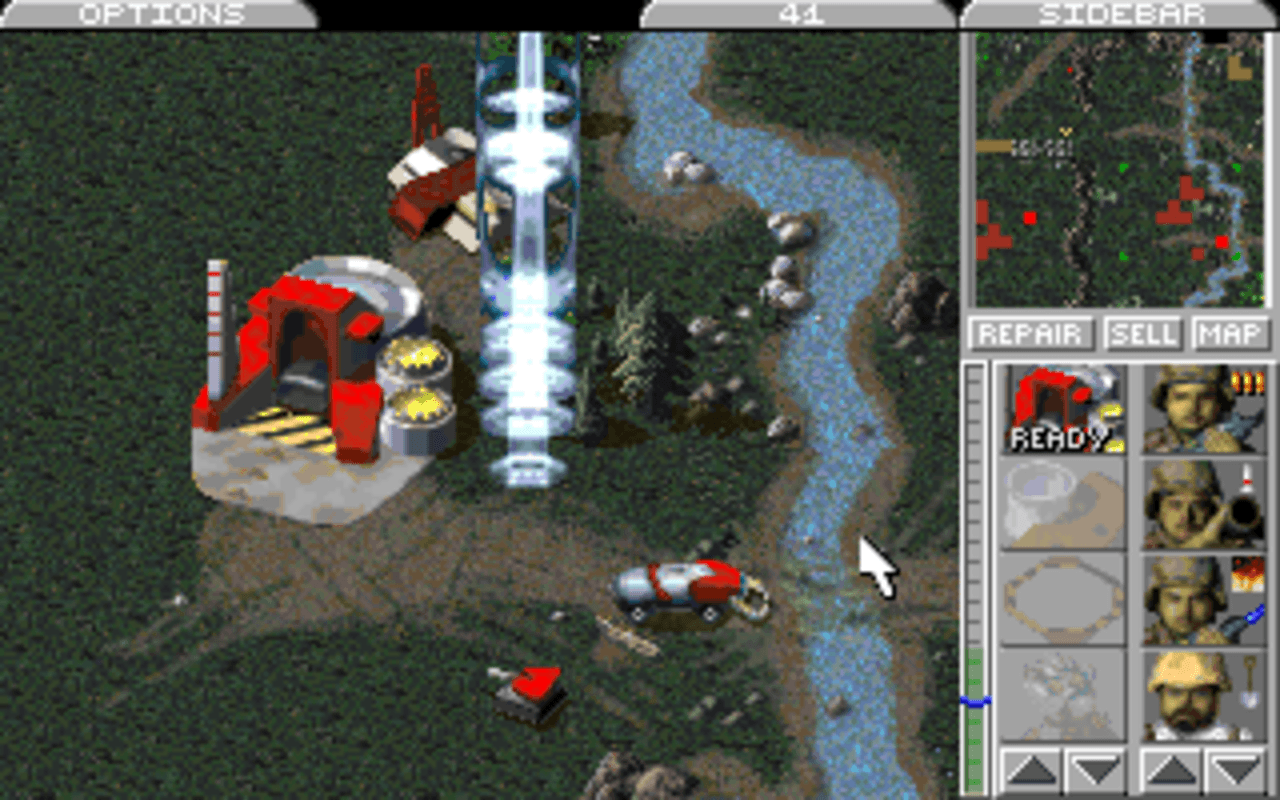
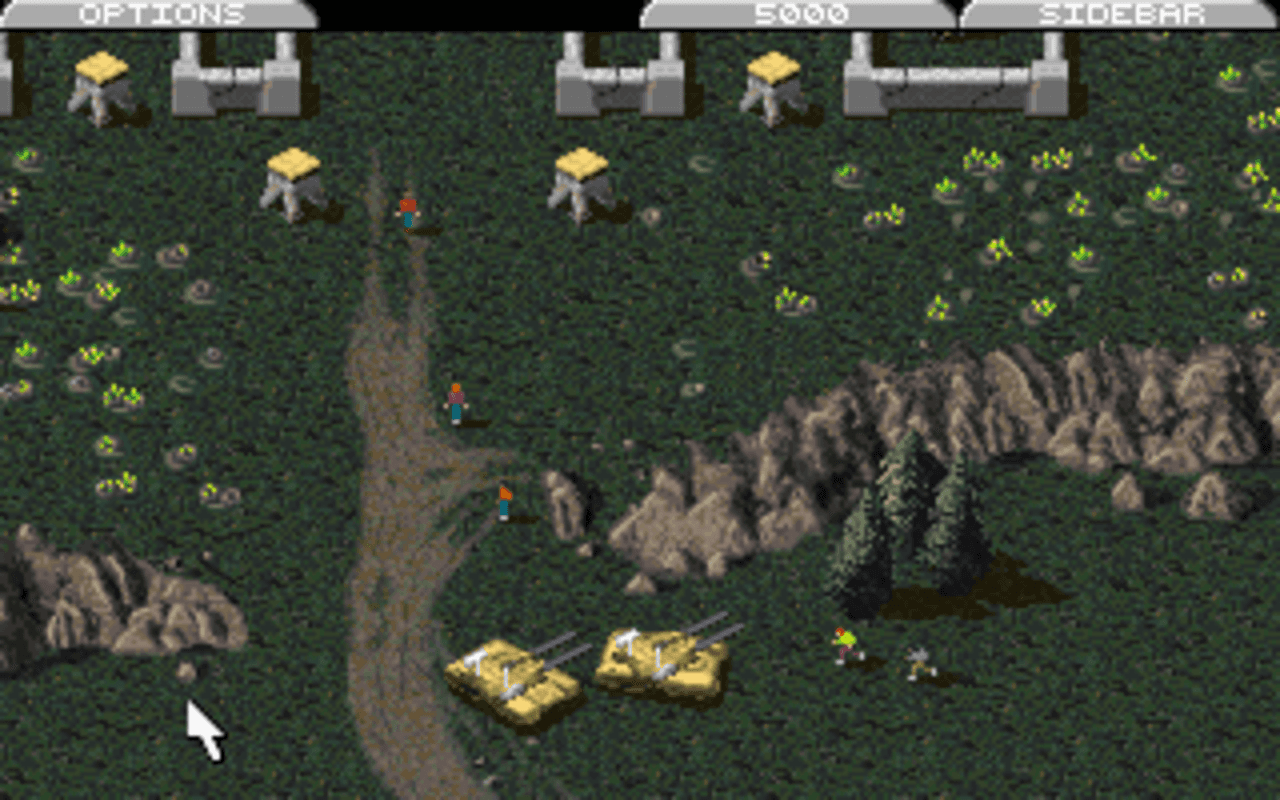
The audiovisual feedback is part of that flow. Combat is instantly readable: you can tell when a defense line is cracking, when an ambush is working, or when your push has stalled. The soundscape reinforces decisions with crisp cues, and the battlefield never feels visually muddy. That’s vital in an RTS where seconds matter. You can play quickly without feeling blind, which encourages replaying missions to refine your approach.
Covert Operations also highlights the charm of classic interface design. You’re not buried in nested menus; you’re choosing, building, and directing. Hotkeys and rapid selection keep you moving. The game’s simplicity becomes a feature because it keeps your attention on the map, the scouting, and the timing—where the real drama lives.
Play Command & Conquer: The Covert Operations online when you want instant access to classic RTS problem-solving. It can be played free, in a browser, and on mobile devices without restrictions, making it easy to jump into a mission, test a new tactic, and run it back when you spot a better line. That convenience fits the game’s structure perfectly, because each scenario feels like a compact challenge you can approach in multiple ways.
Playing online also spotlights how well the design has aged. The controls remain intuitive, the unit roles remain clear, and the feedback loop remains strong: scout, plan, build, strike, adapt. Because missions are self-contained, you can treat them like strategy drills—practice early economy timing, refine defensive spacing, or experiment with riskier harassment. Whether you play cautiously or aggressively, the game rewards you for reading the map and committing to a coherent plan.
What keeps this game memorable is how it turns familiar pieces into unfamiliar situations. You’re not learning a brand-new ruleset; you’re learning new applications of a ruleset that already feels elegant. That makes each victory feel earned, and each defeat feel like a prompt to think harder rather than grind longer.
Command & Conquer: The Covert Operations stands as a focused slice of classic RTS: fast decisions, sharp missions, and the enduring joy of building an army from nothing while the fog of war hides your next surprise. To control the game, you typically use the mouse to select units and issue movement or attack orders, drag to box-select groups, and rely on keyboard shortcuts to speed up building, switching squads, and managing battles at pace.
All used codes are publicly available and the game belongs to its original authors.
Scout quickly, secure a steady resource flow, and build defenses that match the threat you actually see, not the threat you assume is coming.
Community Score