CyClones and SSI’s sci-fi shooter moment
CyClones arrived in the thick of the early 1990s PC action boom, when first-person shooters were rapidly evolving from simple corridor blasters into more expressive, feature-rich experiences. Published by Strategic Simulations, Inc., a name many players associate with deep strategy and RPG sensibilities, the game feels like an interesting collision of traditions: SSI-backed structure and presentation paired with Raven Software’s appetite for kinetic, tech-forward combat. Even without chasing trends, CyClones stands out as a game that clearly wanted to be played with intent, not just endured at full sprint.
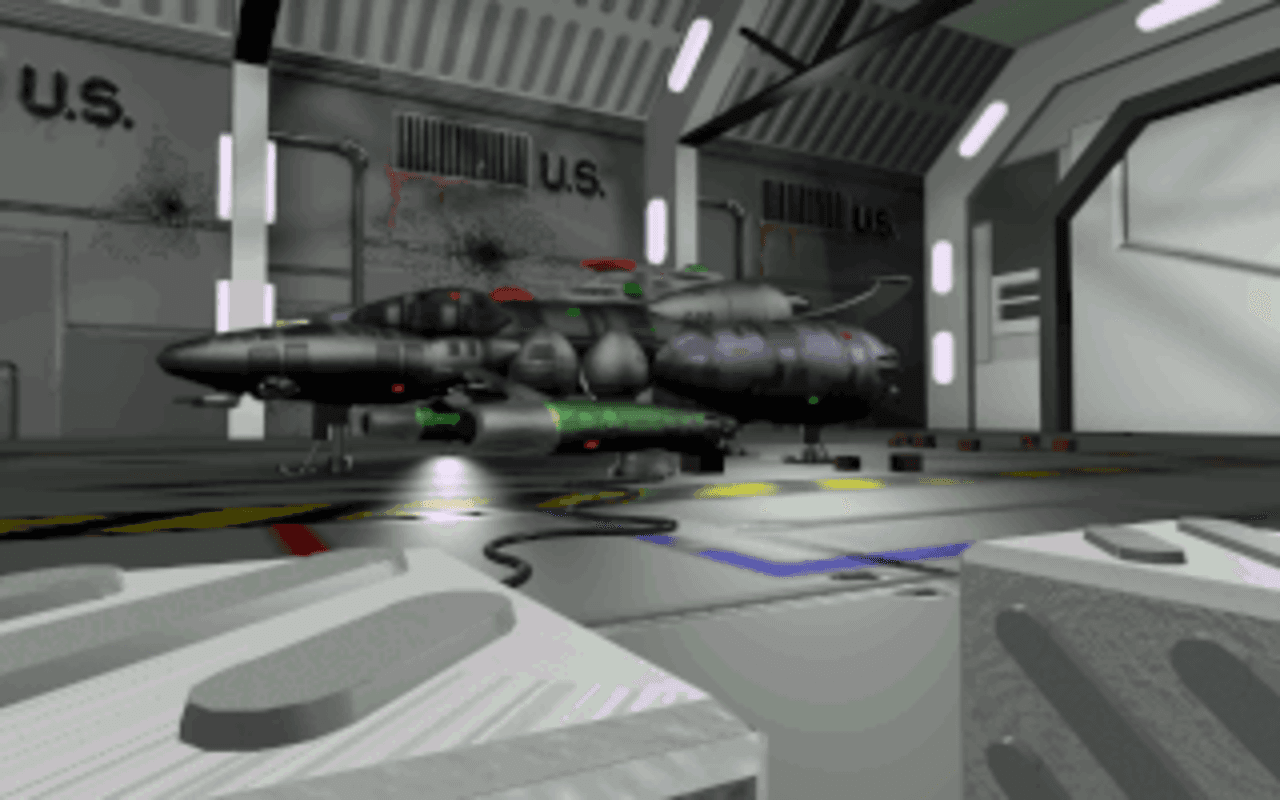
Its identity is immediate. The setting leans into anxious late-century sci-fi, full of secret programs, military urgency, and ominous facilities that look like they were built for containment rather than comfort. The enemies are not just “aliens” in the abstract; they’re the unsettling result of cloning and cybernetic manipulation, a pulp-horror twist that gives the gunfights a nastier edge. That flavor matters because it frames the action as more than target practice. You are fighting an invading logic, a production line of flesh-and-metal hostility, and the game’s tone keeps reminding you of it.
HAVOC versus the CyClones: a story built for forward motion
You play as the HAVOC unit, a cybernetically enhanced combat platform created from a marriage of human engineering and recovered alien technology. The narrative does not ask you to memorize lore; it exists to keep momentum pointed in the right direction. You’re deployed to break operations, disrupt infrastructure, and push deeper toward the source of the invasion. That sense of “mission pressure” becomes part of the texture of play, because levels often feel like places with a purpose rather than abstract mazes.
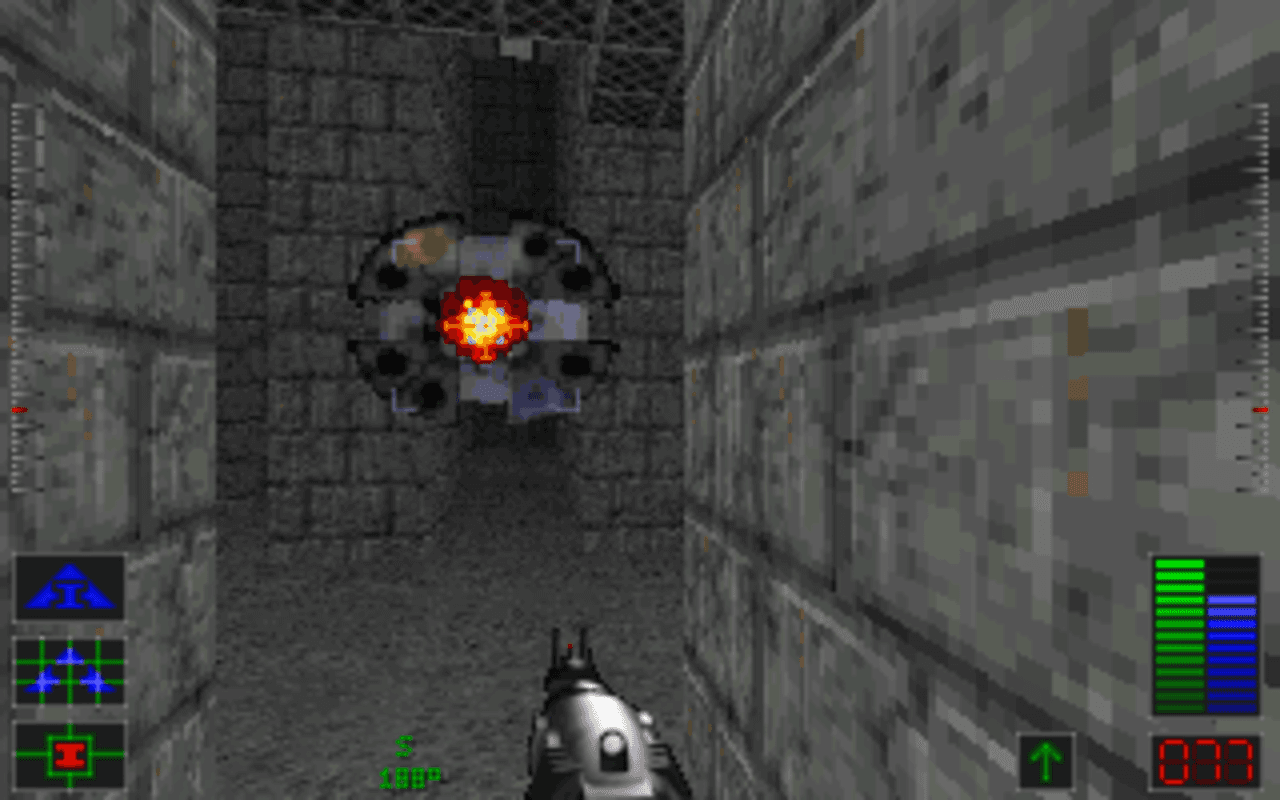
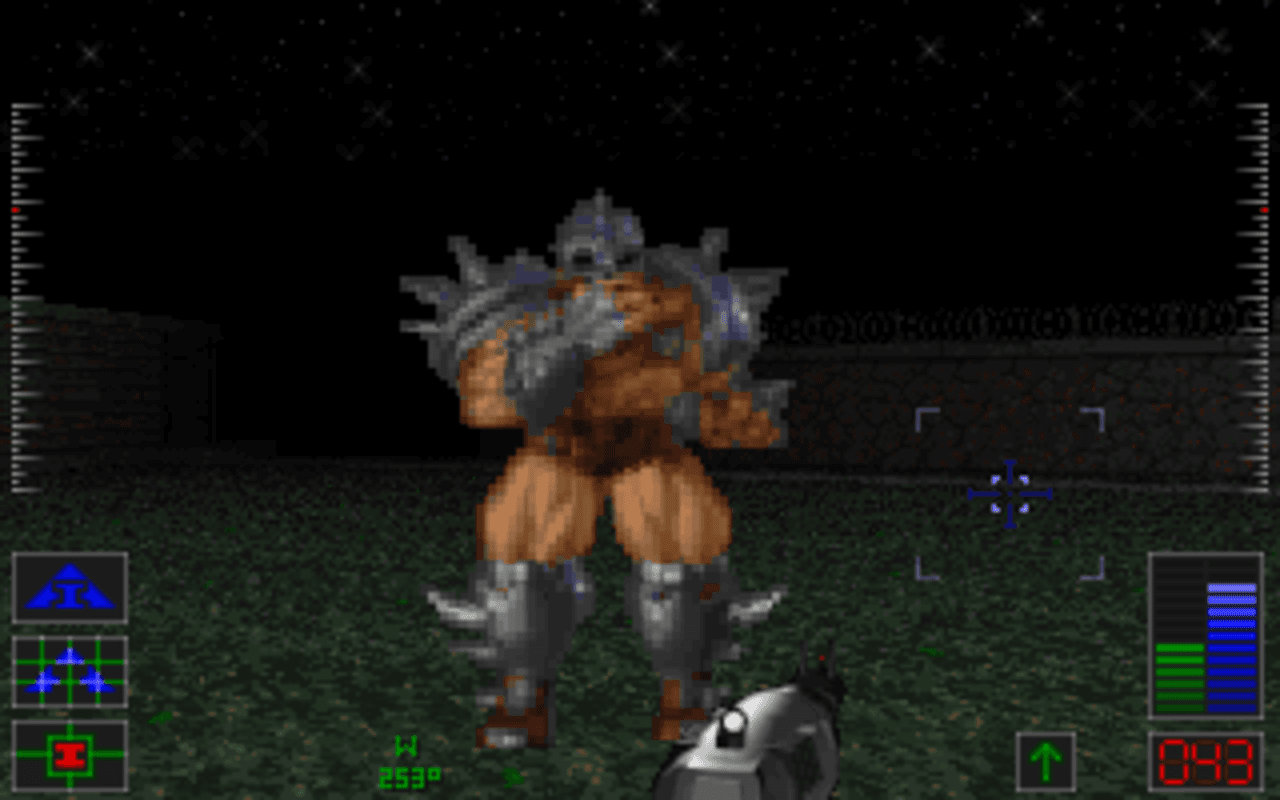
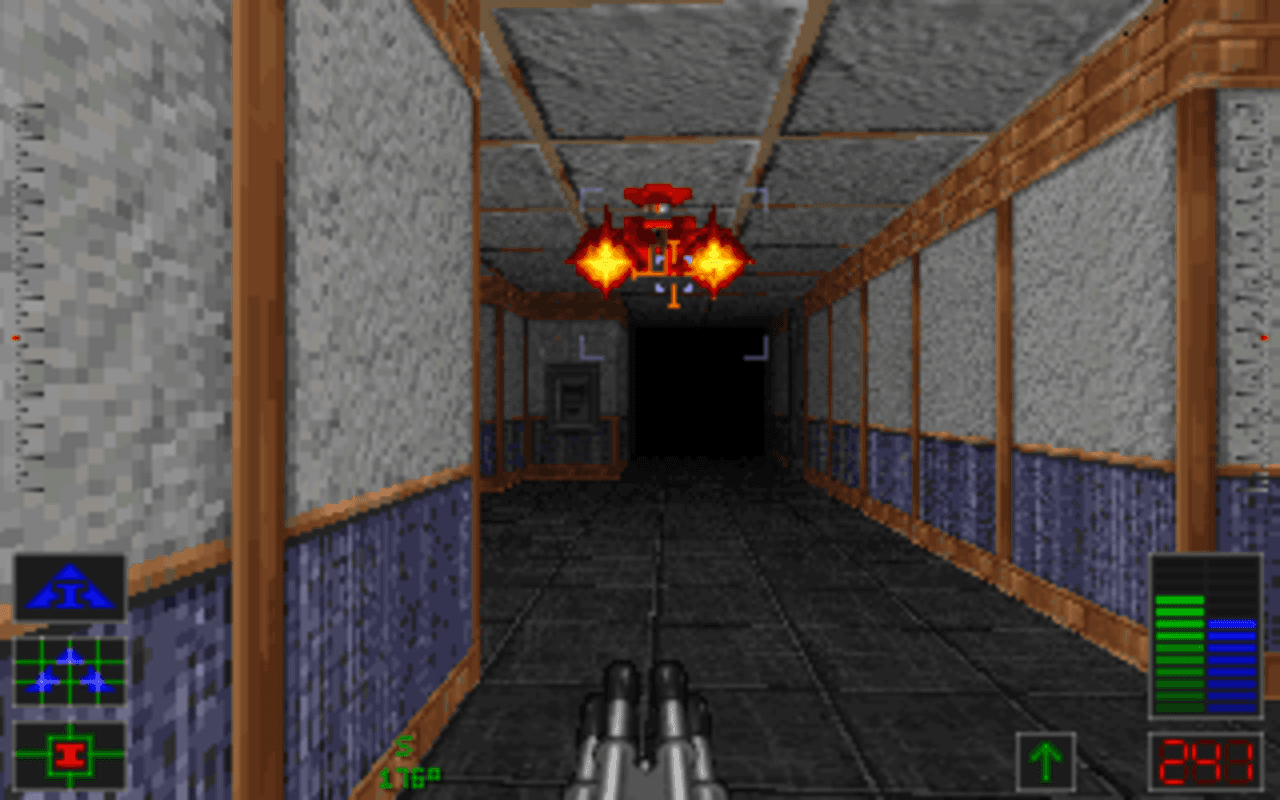
What’s especially effective is how the story concept echoes in the moment-to-moment details. A cloned, augmented foe is a perfect excuse for enemies that behave like engineered threats: turrets that lock down space, biomechanical oddities that punish carelessness, and tougher opponents that feel “manufactured” to resist whatever you relied on five minutes ago. You’re not simply collecting keys; you’re prying open a system that keeps trying to harden itself against you.
Free-aim combat that changes how the game feels
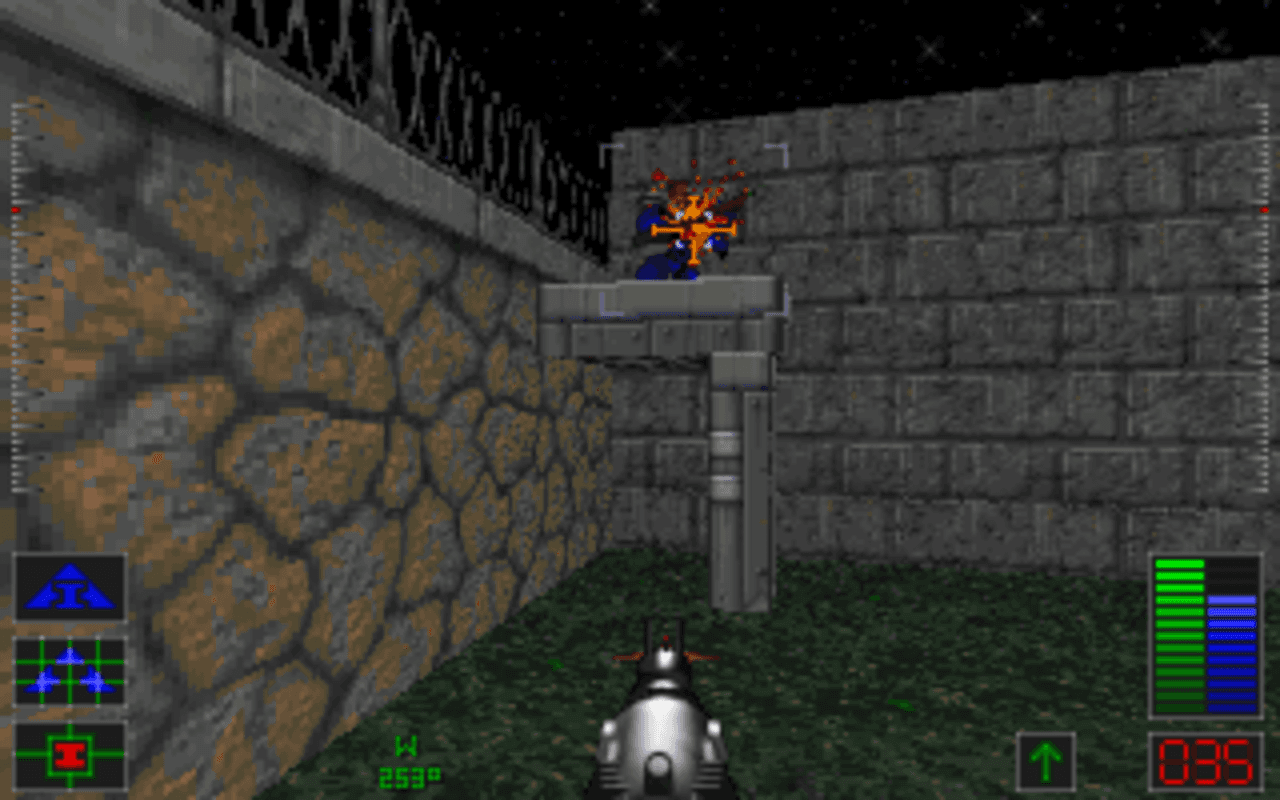
The defining feature of CyClones is how it lets you aim and interact. Instead of relying on the looser, older-school feel of centered firing and generous vertical assumptions, the game emphasizes mouse-driven precision, with a movable reticle and a stronger sense that your shot goes where your hand puts it. That sounds ordinary now, but it changes the texture of an early FPS dramatically. It rewards discipline in short corridors, makes distant targets more meaningful, and turns certain encounters into small marksmanship puzzles rather than pure damage races.
Because the mouse is also tied to interaction, the world feels more “tactile” than many shooters of its time. You don’t just sweep a room; you engage with it. Picking up items and using the interface becomes an intentional act, and that reinforces the HAVOC fantasy: you are piloting a combat system with tools, not just a camera with a gun attached. The result is a game that can be played aggressively, but shines when you blend speed with careful aim, choosing angles, trimming threats, and controlling space.
Play CyClones online: browser sci-fi firefight
CyClones is especially satisfying to play online because its strengths translate cleanly to quick sessions and longer, exploratory runs. You can play it free, in a browser, and on mobile devices without restrictions, which fits the game’s rhythm: jump in, clear a section, get confident with the free-aim feel, and keep pushing until the next big spike in resistance. The immediacy of launching straight into the action complements CyClones’ design, where atmosphere and momentum matter as much as long-form progression.
Playing online also highlights how readable the game remains. The environments are purposefully structured, enemy silhouettes tend to communicate danger quickly, and the aiming model gives you agency even when the screen gets chaotic. On mobile, the same qualities help the experience stay responsive: deliberate aiming and “pick your moment” movement often matter more than twitch-perfect reflexes. However you approach it, CyClones still feels like a confident shooter game built around the idea that precision is exciting, not slow.
Facilities, vertical tricks, and the rhythm of survival
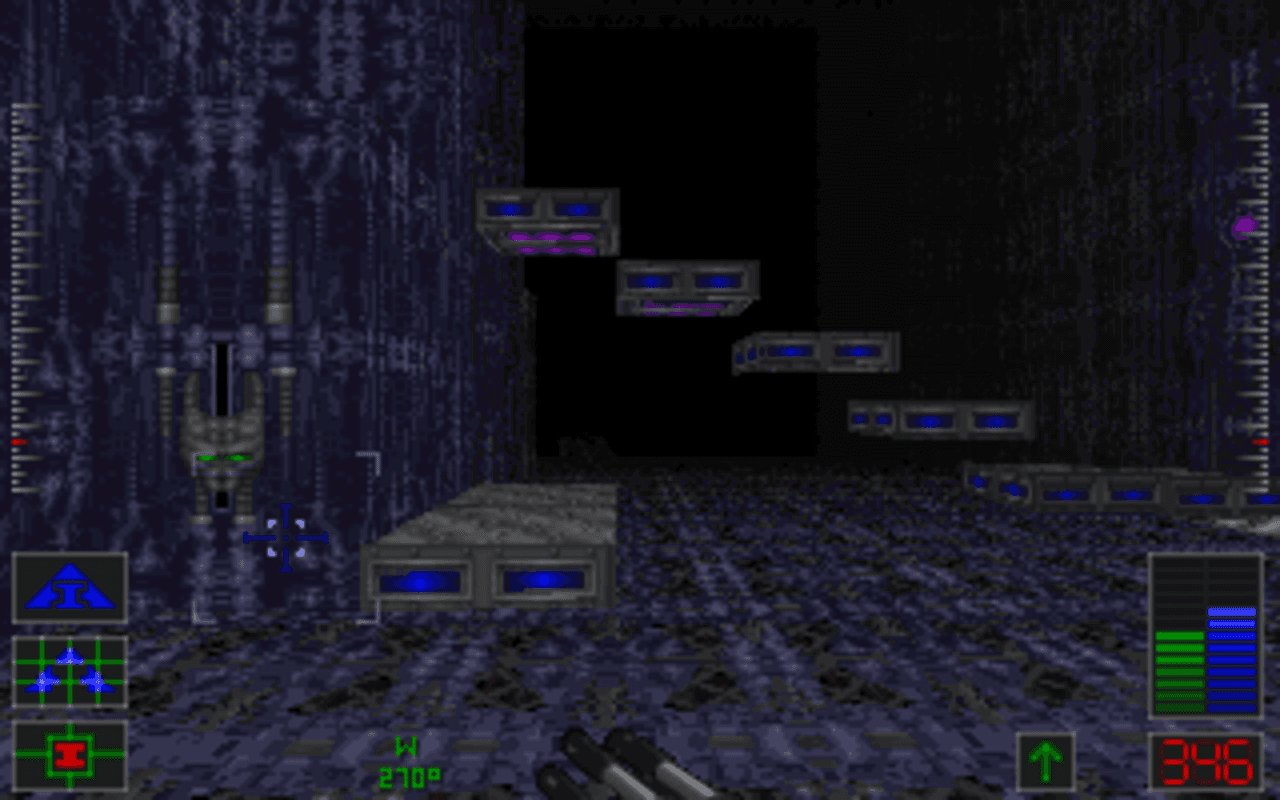
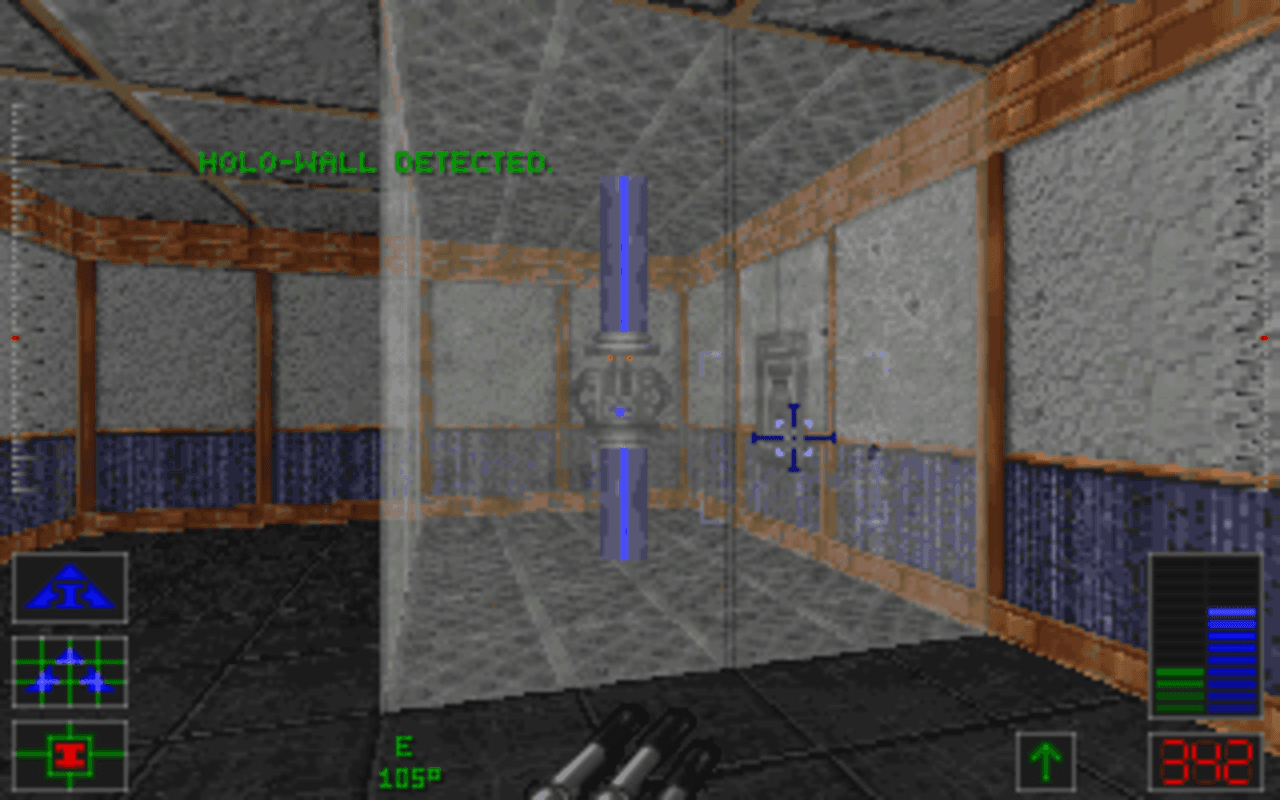
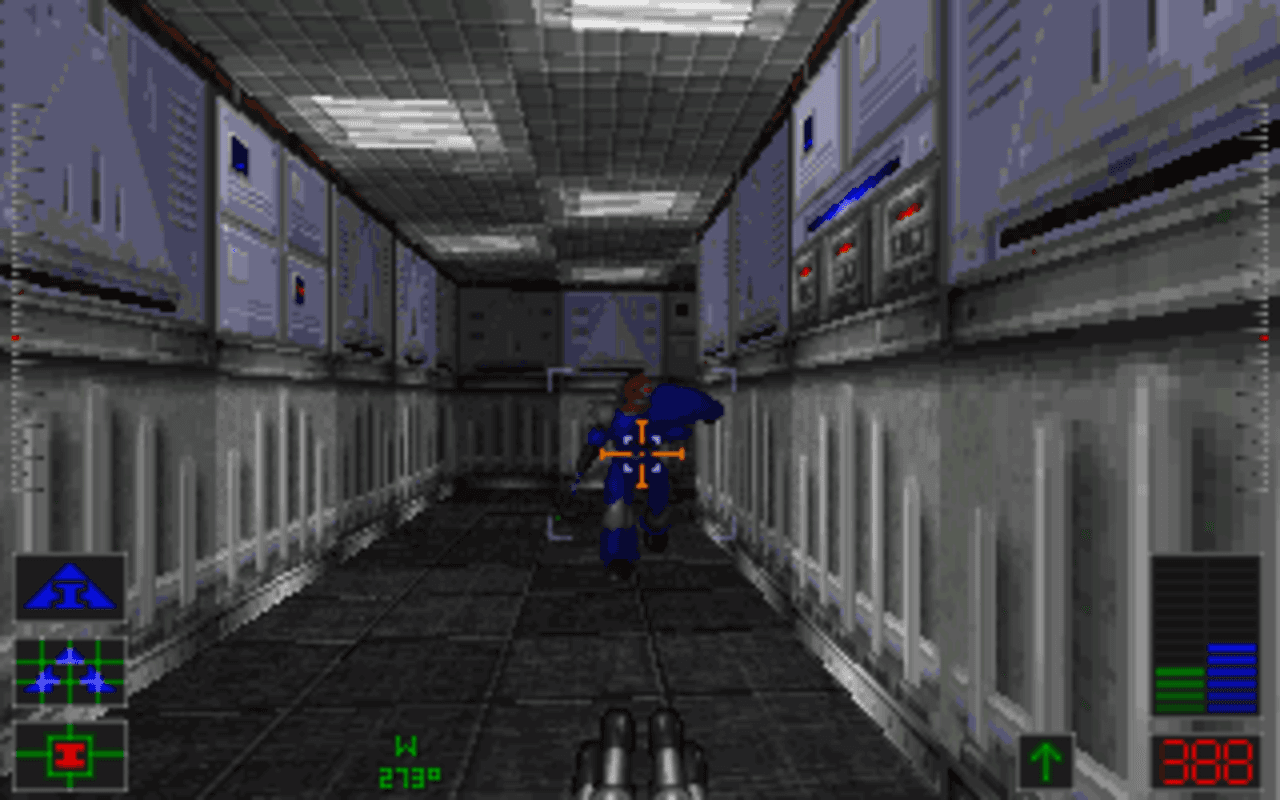
CyClones’ levels frequently feel like fortified complexes: labs, corridors, industrial spaces, and strange tech zones that imply an organized invasion rather than a random haunting. The best stages create pressure through layout. A safe-looking passage can widen into a kill box. A quiet corner can hide a turret that demands immediate attention. You learn to read sightlines, to respect doorways, and to treat open rooms as tactical problems.
The arsenal and resources reinforce that cadence. Health and protection become part of your route planning, and the game encourages you to think about what you can afford to spend in a fight. When you earn stronger gear, the power jump feels real, but the opposition responds by becoming less forgiving. It’s a steady push-and-pull: better tools, harsher tests, then another brief moment of control before the next escalation. That pacing is one reason CyClones remains memorable as an online play choice, because it continually supplies small goals and immediate feedback.
Sound, mood, and why the game still lands
CyClones leans into a grimy, techno-thriller mood. The soundscape supports the idea that you’re in hostile territory where everything is mechanical, watched, and ready to erupt. The atmosphere is not subtle, but it is consistent, and consistency is what makes older shooters age well. When the tone matches the mechanics, even simple rooms feel like part of a larger place.
CyClones succeeds by committing to its core promise: you are a purpose-built combat unit fighting purpose-built enemies, and the game’s controls and encounters keep reinforcing that idea. If you want an FPS game that sits in the same era as Doom but pushes toward a more precise style of play, it’s an easy recommendation for action fans who like skillful aiming and tense facility crawls. To control the game, move with the keyboard, aim and interact with the mouse, and rely on careful reticle placement to win faster fights and conserve resources.
All used codes are publicly available, and the game belongs to its original authors.