Electroman’s Wired-Up Sci-Fi Premise and Sofsource Legacy
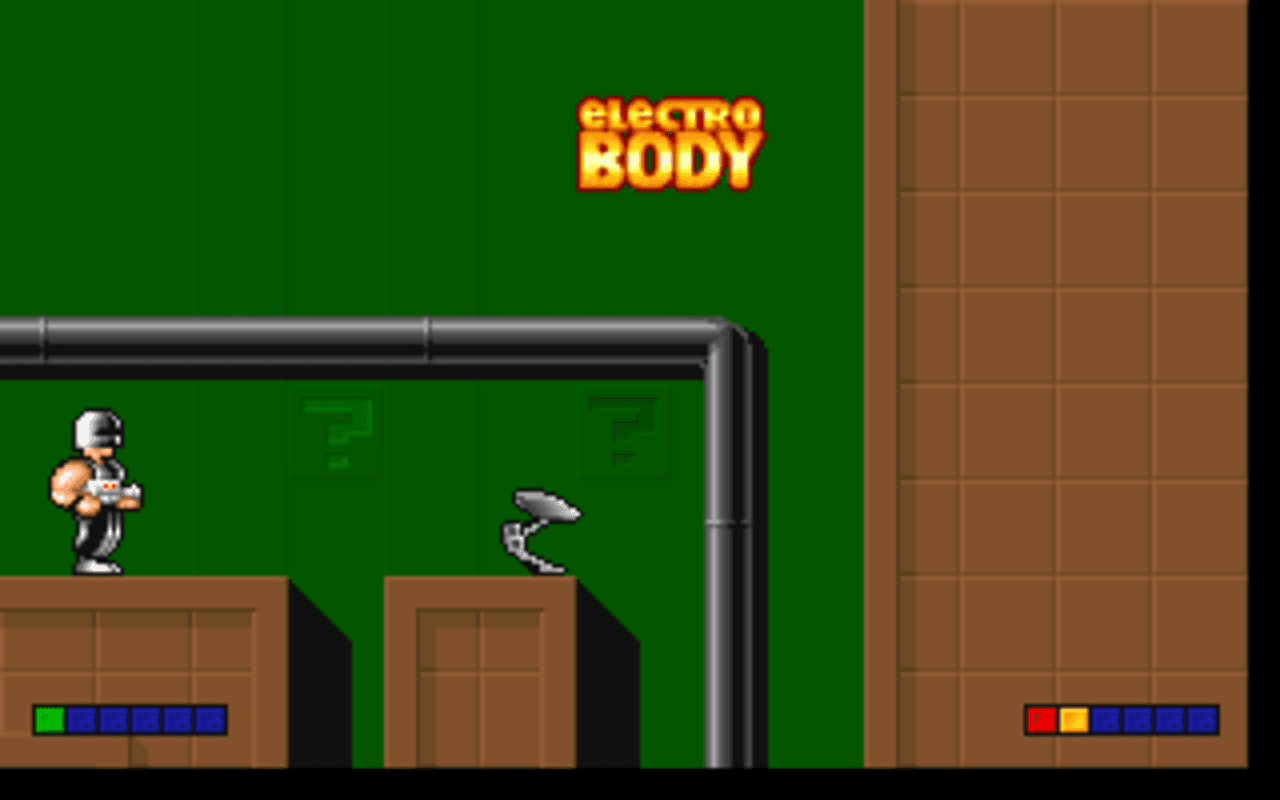
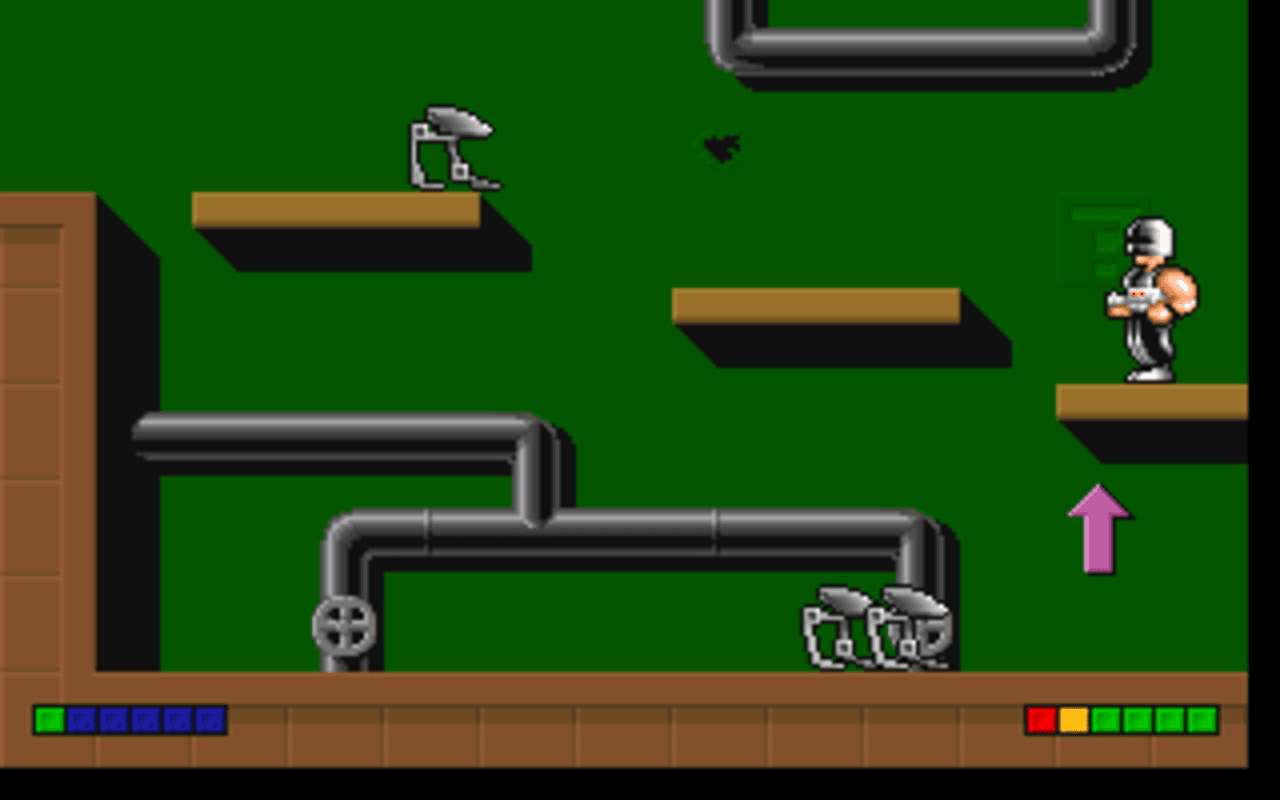
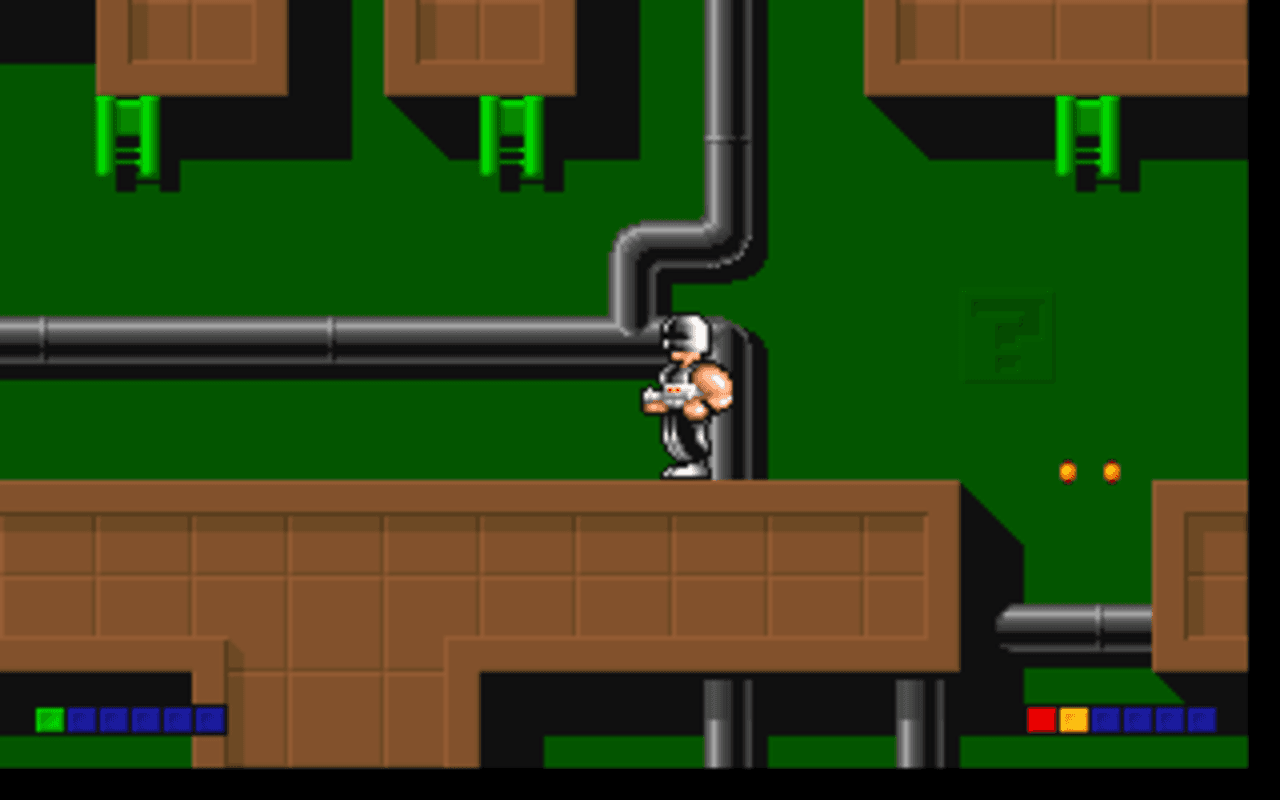
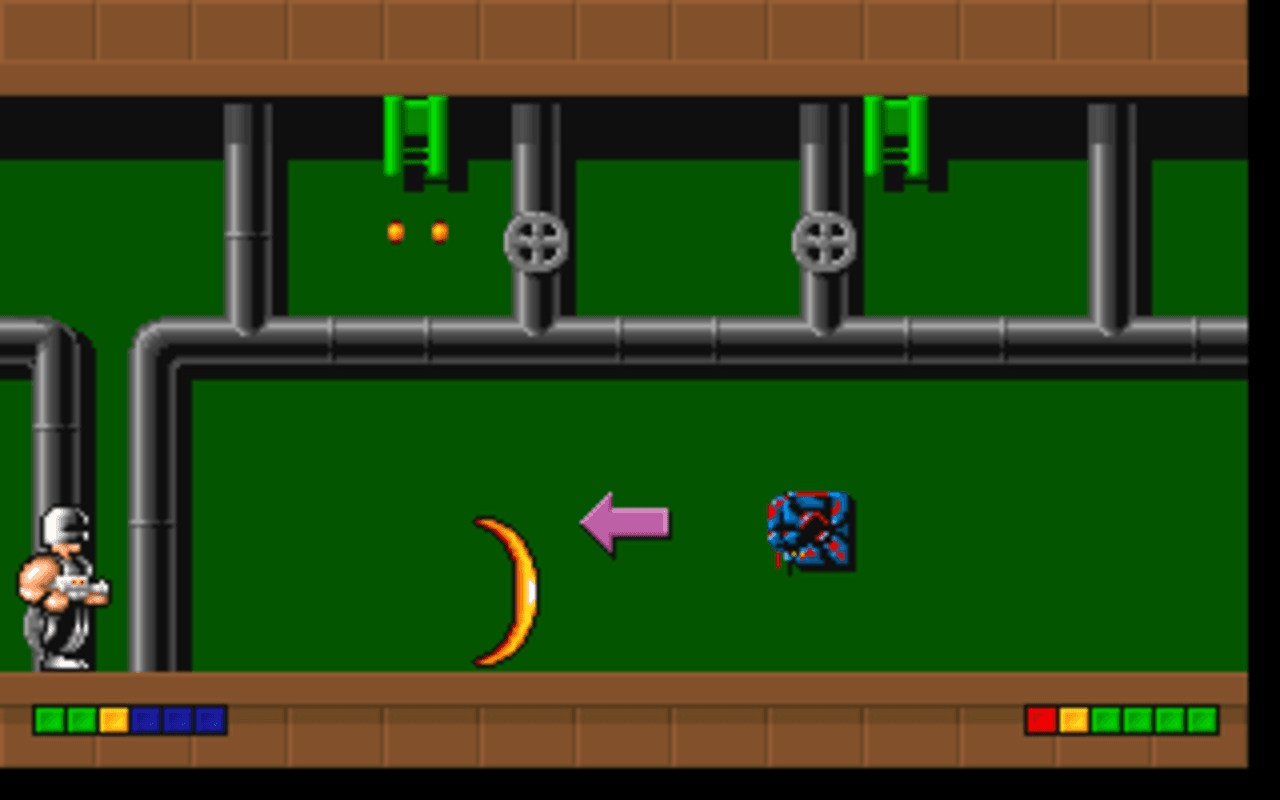
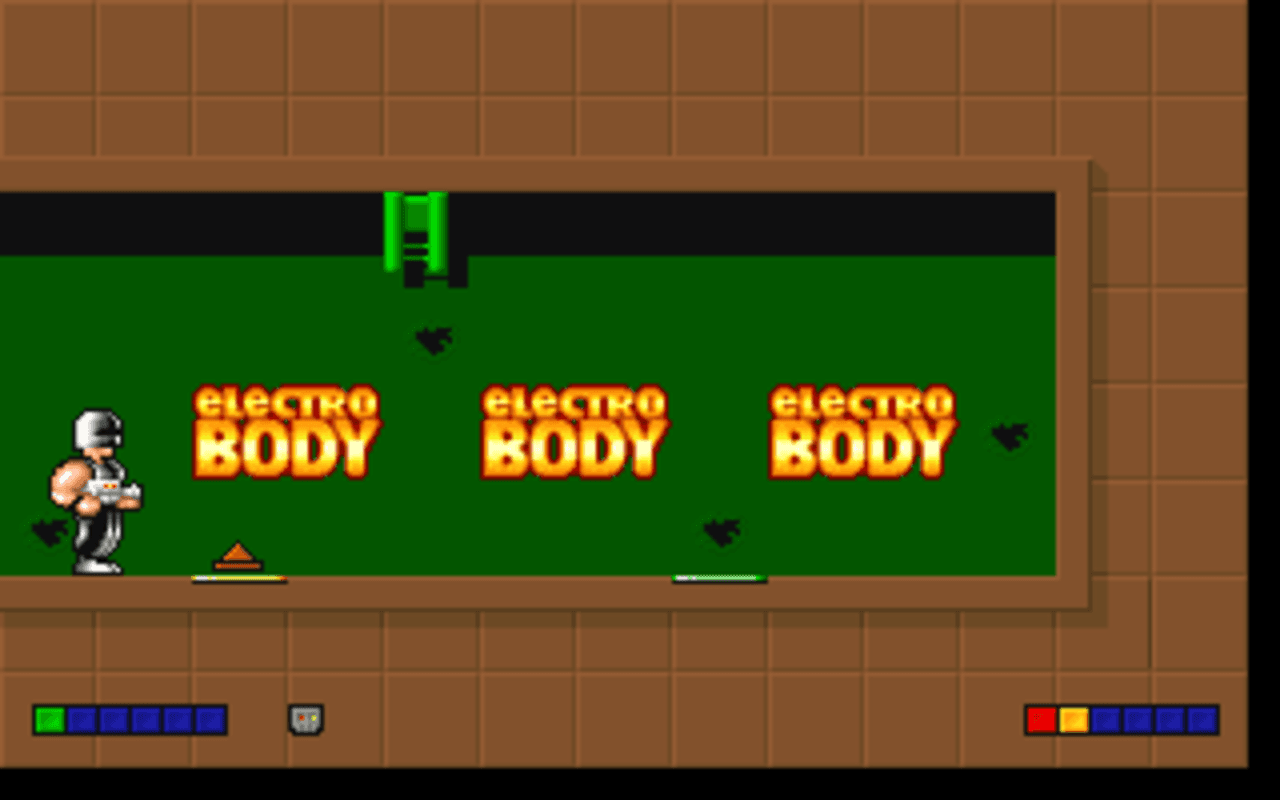
Electroman arrived in the early DOS era when platform games were experimenting with bigger sprites, punchier sound, and bolder themes, and it stands out for how confidently it commits to a sleek, cybernetic revenge tale. Published by Sofsource, the game gained wider recognition beyond its original release under the title Electro Body, keeping the same core identity: a hard-edged 2D adventure with a space-base setting and a hero who feels more like a walking weapon than a cartoon mascot. That slightly grittier tone gives the journey a different flavor from many bright, comedic platformers of its time, and it fits the game’s obsession with industrial corridors, mechanical threats, and buzzing electronic atmosphere.
The story is simple on purpose, acting as a launchpad for momentum, precision, and hazard-reading. Your character pushes into a captured facility where every screen looks like it has something to prove—an enemy placement meant to bait a mistake, a jump that punishes impatience, or a trap that forces you to slow down and observe. It’s a game that respects pattern recognition and memorization, but it also gives you enough mechanical expression to feel clever when you turn a “mean” screen into a smooth run.
Flip-Screen Platforming That Feels Like a Puzzle You Can Speedrun
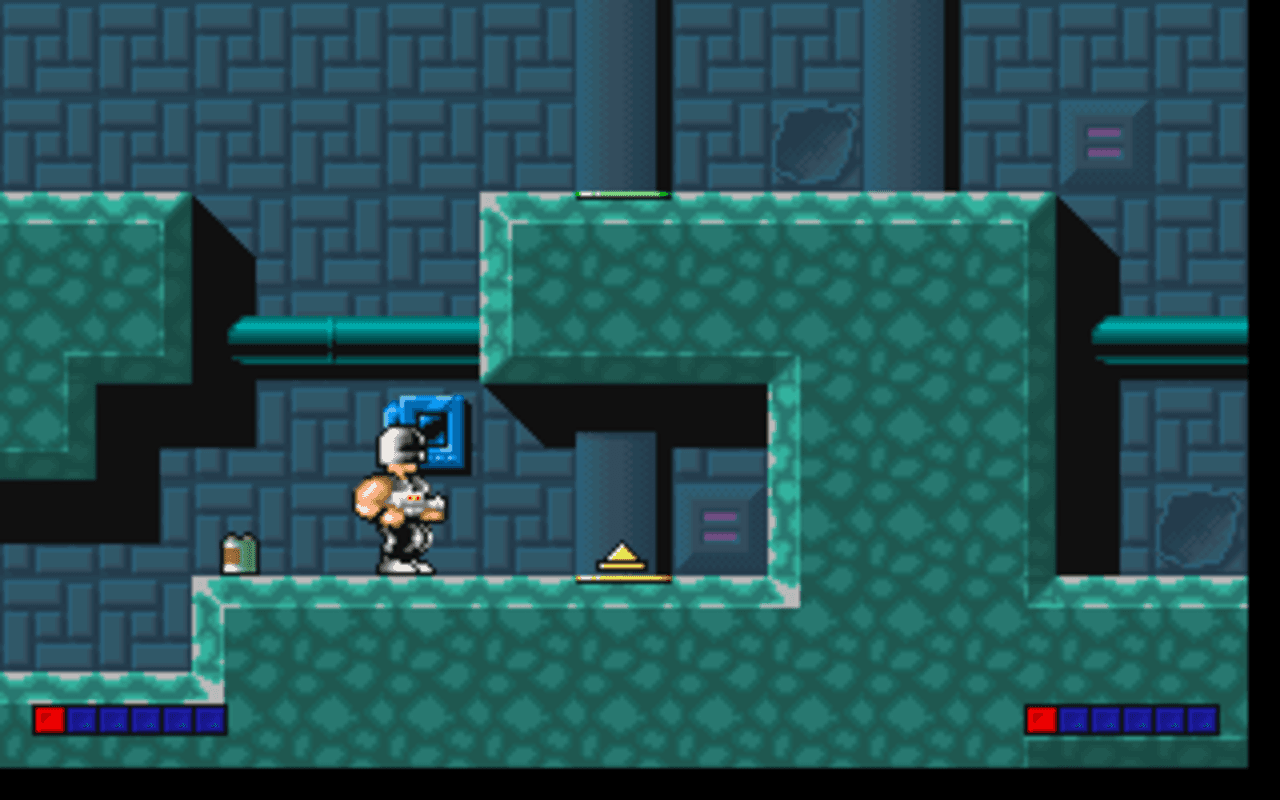
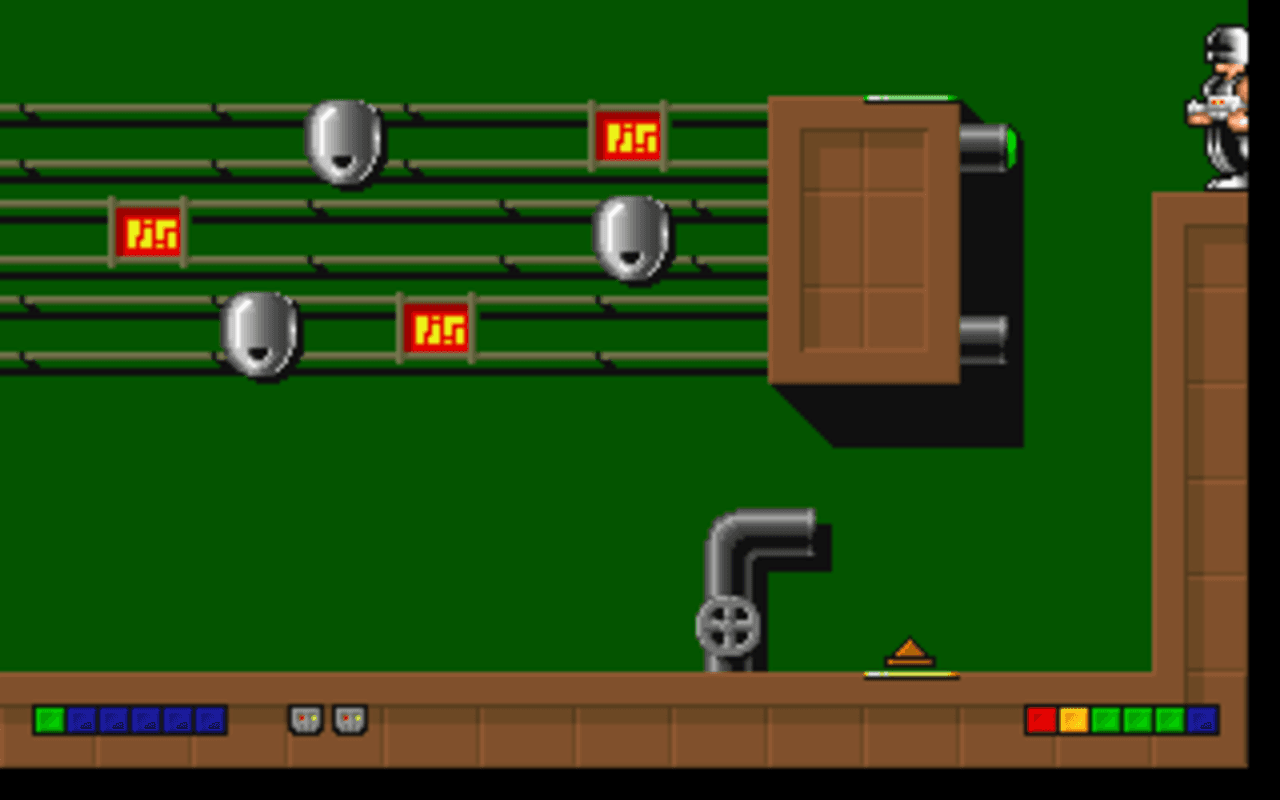
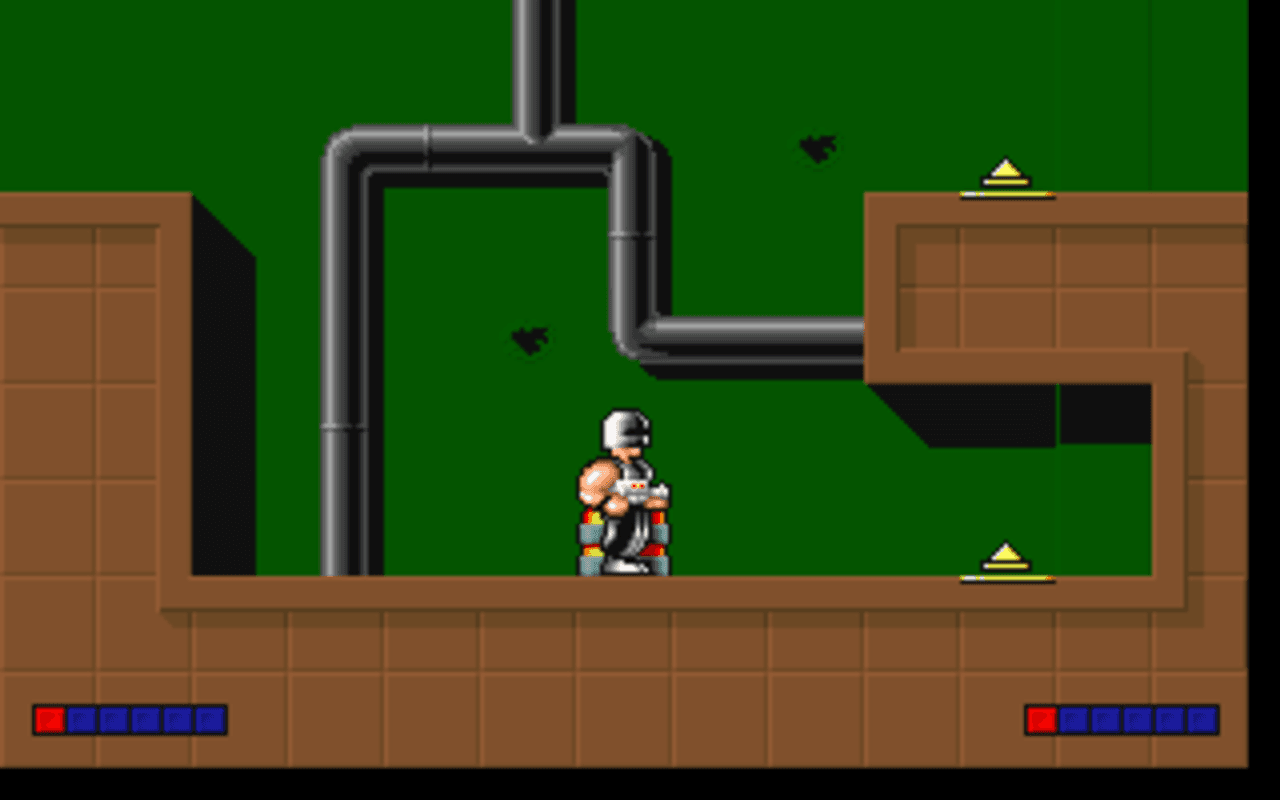
Electroman’s structure is built around discrete rooms rather than continuous scrolling, and that design choice shapes everything. Each screen is a small arena where the game asks a clear question: can you read the threats quickly, take space confidently, and plan a safe route to your objectives? Instead of relying on long stretches of running, you’re constantly re-evaluating the layout—where platforms offer security, where a mistimed jump becomes a catastrophe, and where enemies pressure you into rushed decisions.
One of the most distinctive hooks is that progress often hinges on collecting key items within a stage area, which turns each level into a scavenger hunt under pressure. You’re not just trying to survive; you’re trying to solve navigation and execution at the same time. That blend of action and “micro-puzzle” movement is what makes the game feel different from straight run-and-gun platformers. It can be punishing, but it’s rarely random. When you fail, the cause is usually clear: a jump taken too early, a landing that didn’t account for momentum, or a risky approach that ignored the room’s tempo.
Energy, Shots, and the Tactical Joy of Being Outnumbered
Combat in Electroman is not about spraying the screen. The game’s firefights feel more like short tactical exchanges because your offense is tied to resources and positioning. Enemies are placed to deny easy angles, and the safest answer is often to reposition rather than attack immediately. That restraint gives the game a slightly cerebral edge: the “best” move can be to step back, lure a pattern, and only then commit to a jump or a shot.
The result is a tension that stays fresh across repeated attempts. You begin to treat each screen as a rehearsed sequence, but not a rigid script. There’s still improvisation—tiny adjustments when an enemy blocks a route or a jump doesn’t land perfectly. Over time, the game rewards you with that classic DOS-platform satisfaction: what once felt impossible becomes a reliable routine, and you start finishing sections with the calm confidence of someone who truly learned the game rather than merely survived it.
Play Electroman online for instant retro action
Play Electroman online and you get the essence of this DOS classic in a way that suits its quick, screen-by-screen structure. It can be played free, in a browser, and on mobile devices without restrictions, which makes it easy to dip into a few rooms, chase a better run, or tackle a tricky section whenever the urge hits. Because Electroman thrives on repetition and mastery, being able to play online turns the game into a pick-up-and-practice challenge where improvement is the real reward.
Even in short sessions, the game’s personality comes through: sharp sci-fi visuals, brisk action bursts, and that constant push to clean up your movement. You’ll notice how a single screen can shift from frustrating to friendly once you understand its timing, and that’s the magic Electroman keeps delivering. It’s not trying to be endless; it’s trying to be memorable, demanding, and fair enough that you want to try again.
Sound, Style, and the “Electric” Mood That Keeps It Timeless
Electroman’s presentation is a big part of why people still talk about it. The visuals lean into industrial sci-fi: metallic platforms, harsh interiors, and a sense that the environment itself is hostile. The animation has a grounded weight that pairs nicely with the game’s physics-forward jumps, and the audio vibe sells the idea that you’re inside a machine-run fortress. Together, those elements create a mood that feels confident rather than generic, which is why the game’s identity survives nostalgia and still reads well to new players exploring retro DOS classics online.
By modern standards, it’s lean and direct, but that simplicity is part of its appeal. The game communicates through play: you learn by moving, failing, correcting, and gradually turning danger into choreography. That loop is timeless, and it’s exactly the sort of design that makes older games fun to revisit without needing any era-specific context.
Electroman is a tough, distinctive platform game that mixes flip-screen navigation, deliberate combat, and a strong sci-fi attitude into a satisfying challenge. To control the game, you generally move left and right, jump with a dedicated key, and use an action/fire key to attack, with precision timing being just as important as quick reactions.
All used codes are publicly available, and the game belongs to its original authors.