Flair’s Elvira: The Arcade Game and the DOS-era fright ride
Elvira: The Arcade Game arrives as a clever snapshot of early 1990s action design: bold sprites, brisk difficulty, and a structure that pushes you forward with constant “one more try” energy. Published by Flair Software, it takes the Elvira name and aims for something immediate and kinetic rather than slow-burn adventure storytelling. That choice gives the game a clear identity. It’s a horror-themed arcade platformer at heart, built around movement, reaction speed, and knowing when to take risks for power-ups or safer routes.
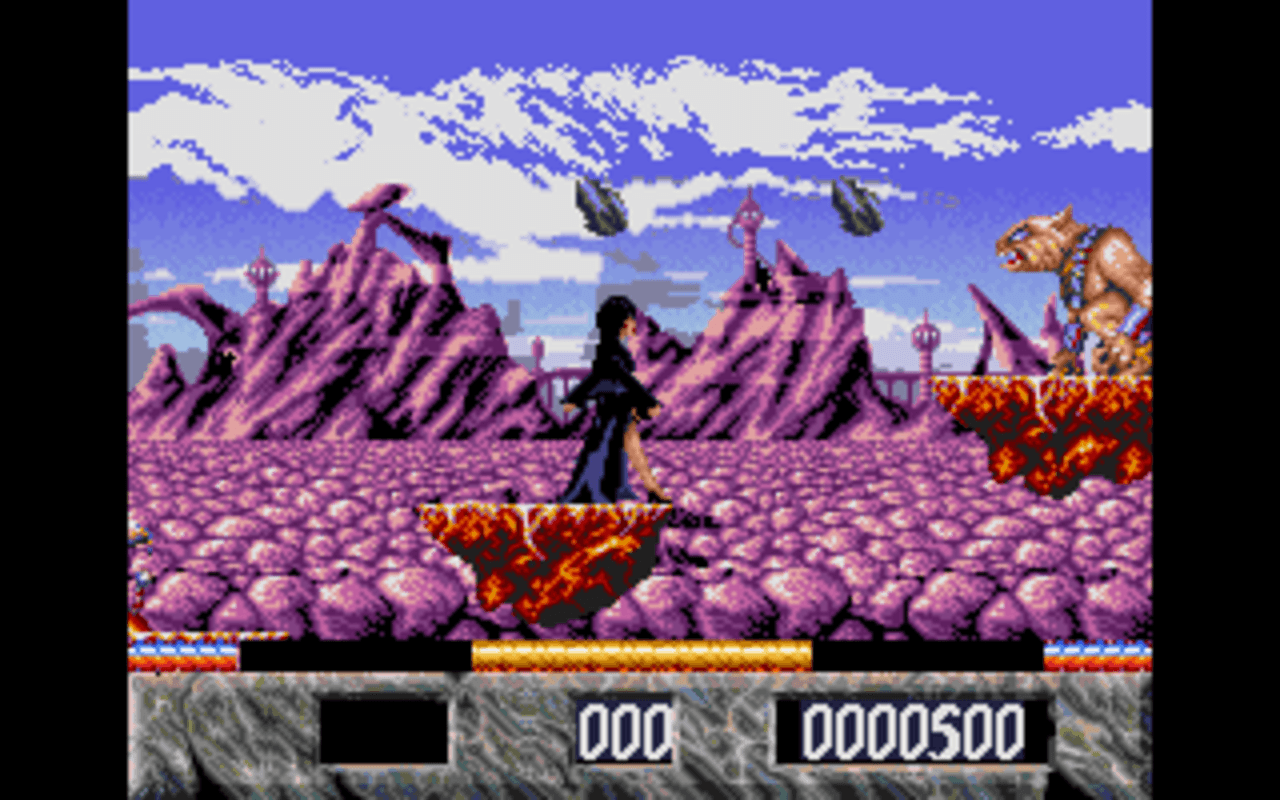
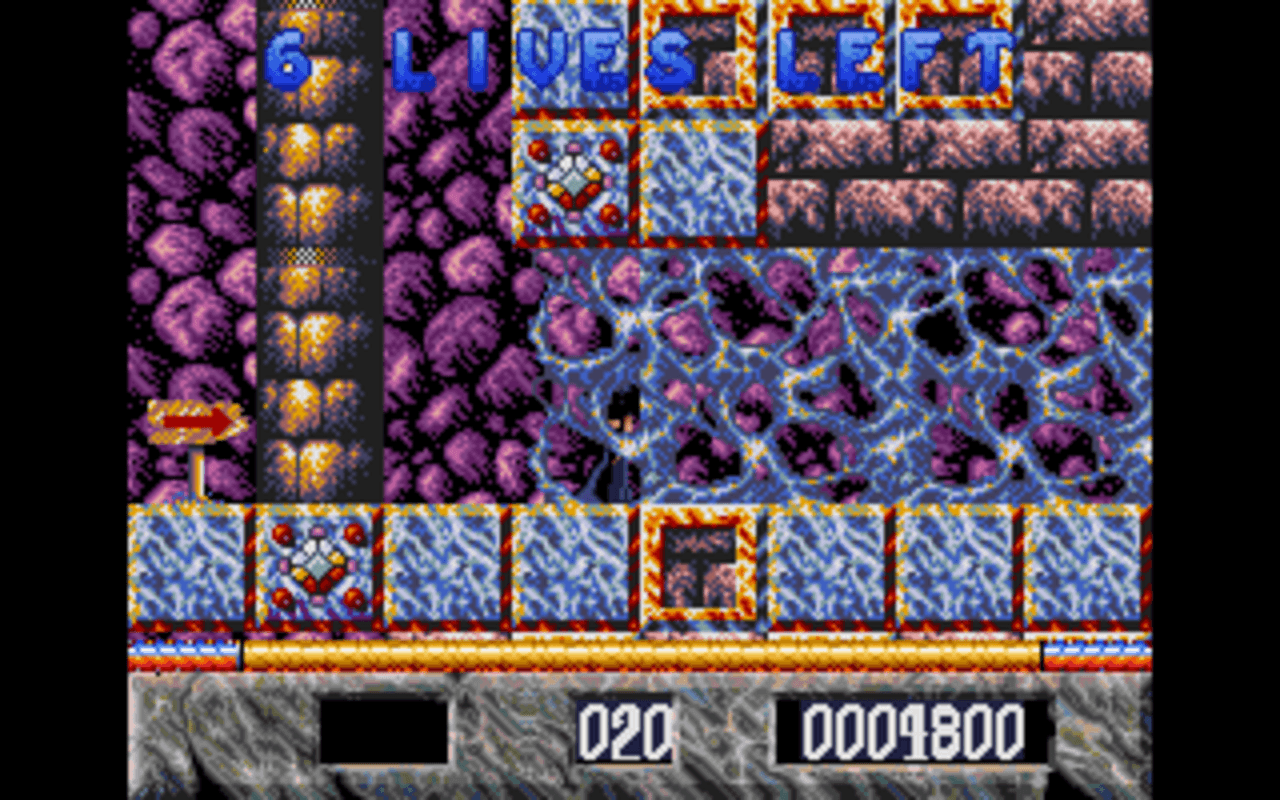
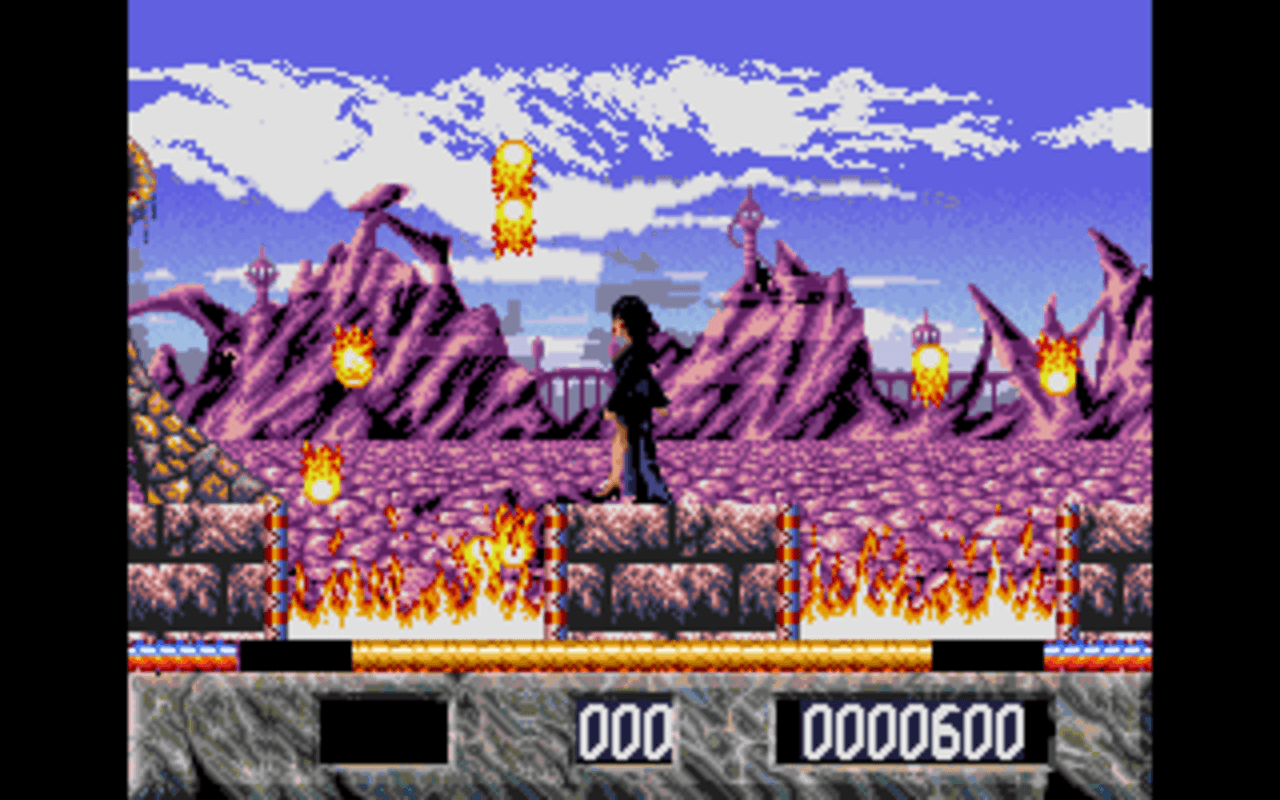
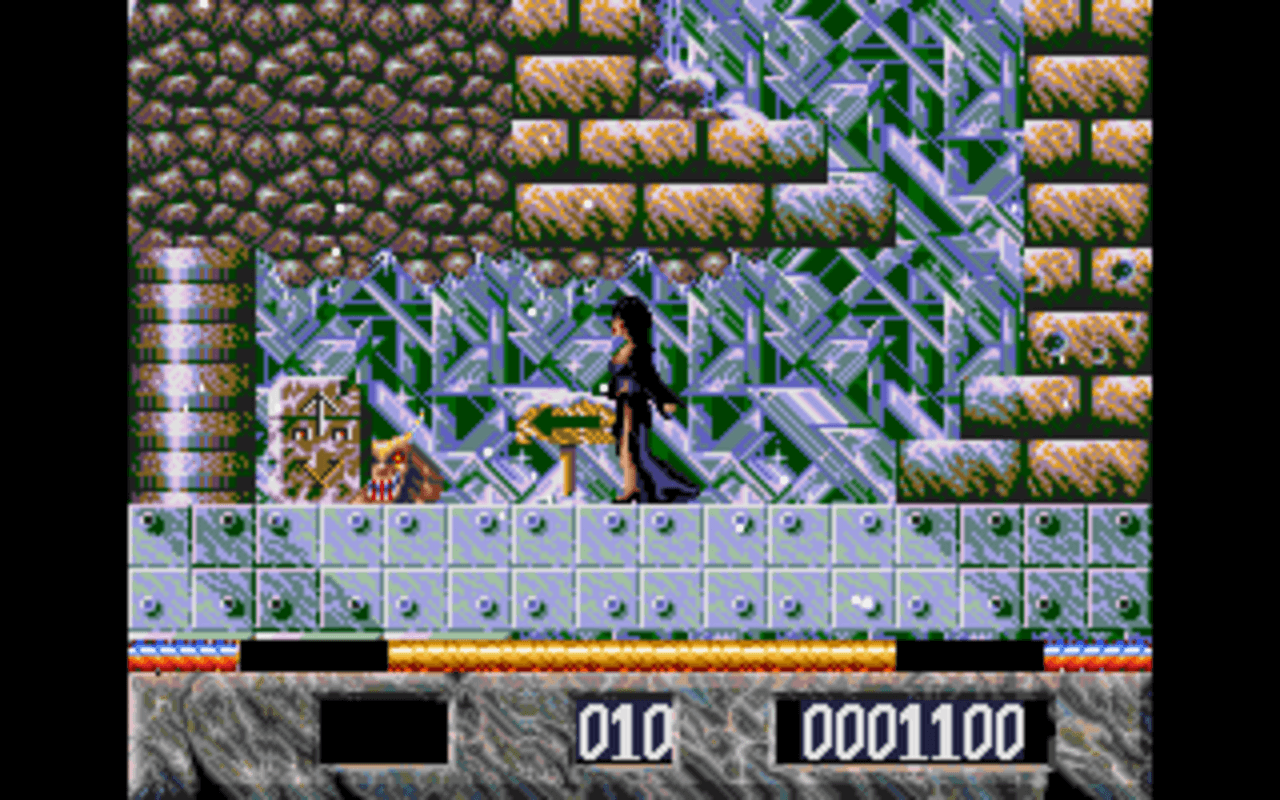
What stands out is how confidently it blends campy macabre with genuine pressure. The environments lean into spooky iconography—creepy mansions, graveyard vibes, and unsettling corridors—yet the tone never becomes heavy. It keeps a playful grin under the fangs, using monsters and traps as mechanical obstacles first and mood-setting decoration second. The result is a game that’s easy to understand within minutes, but hard to truly tame unless you learn its rhythm.
The action feel: shooting, jumping, and staying alive in Elvira: The Arcade Game
The core loop is about momentum. You move through side-scrolling stages where enemies, hazards, and cramped spaces conspire to break your flow. Elvira’s mobility feels intentionally arcade-like: quick repositioning matters, and hesitation often costs more than boldness. Combat is direct—aim, fire, clear space—yet it’s rarely just about damage output. The most satisfying moments come from managing angles and timing so you can keep moving instead of getting pinned in awkward spots.
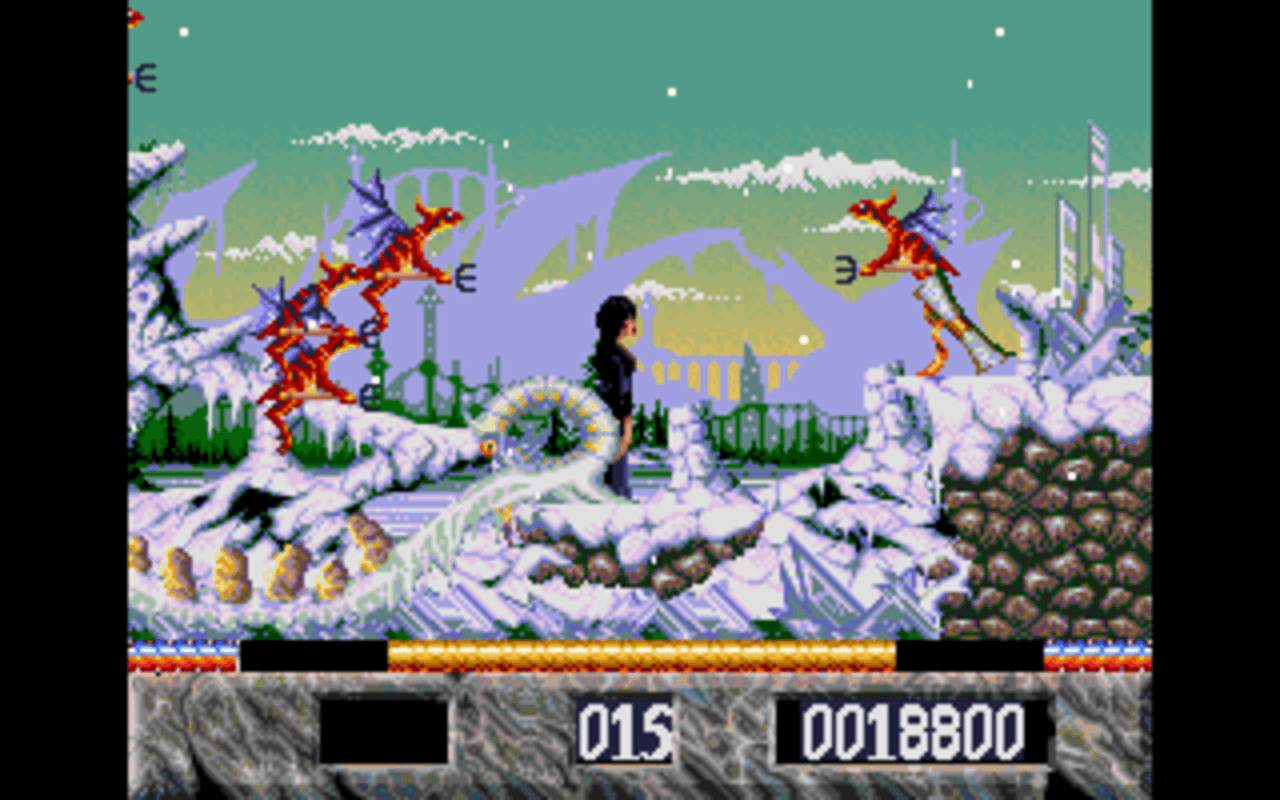
Enemy placement is designed to force choices. Some threats demand you stop and deal with them cleanly; others can be baited, dodged, or dispatched while advancing. Traps and environmental dangers make the platforming feel consequential, not decorative. You’ll notice that the game’s difficulty isn’t only about reflexes; it’s also about route knowledge. The more you replay, the more the stages reveal little “safe beats” where you can stabilize, and “danger beats” where the game tests your nerve.
That replay-driven learning is part of the charm. Like many classic arcade-inspired titles, Elvira: The Arcade Game rewards familiarity without becoming automatic. Even after you recognize patterns, the game still asks you to execute, and it still finds ways to punish sloppy movement. It’s the kind of design that keeps a play session engaging because you can always point to one mistake you want to clean up next time.
Gothic variety and arcade pacing across Elvira: The Arcade Game
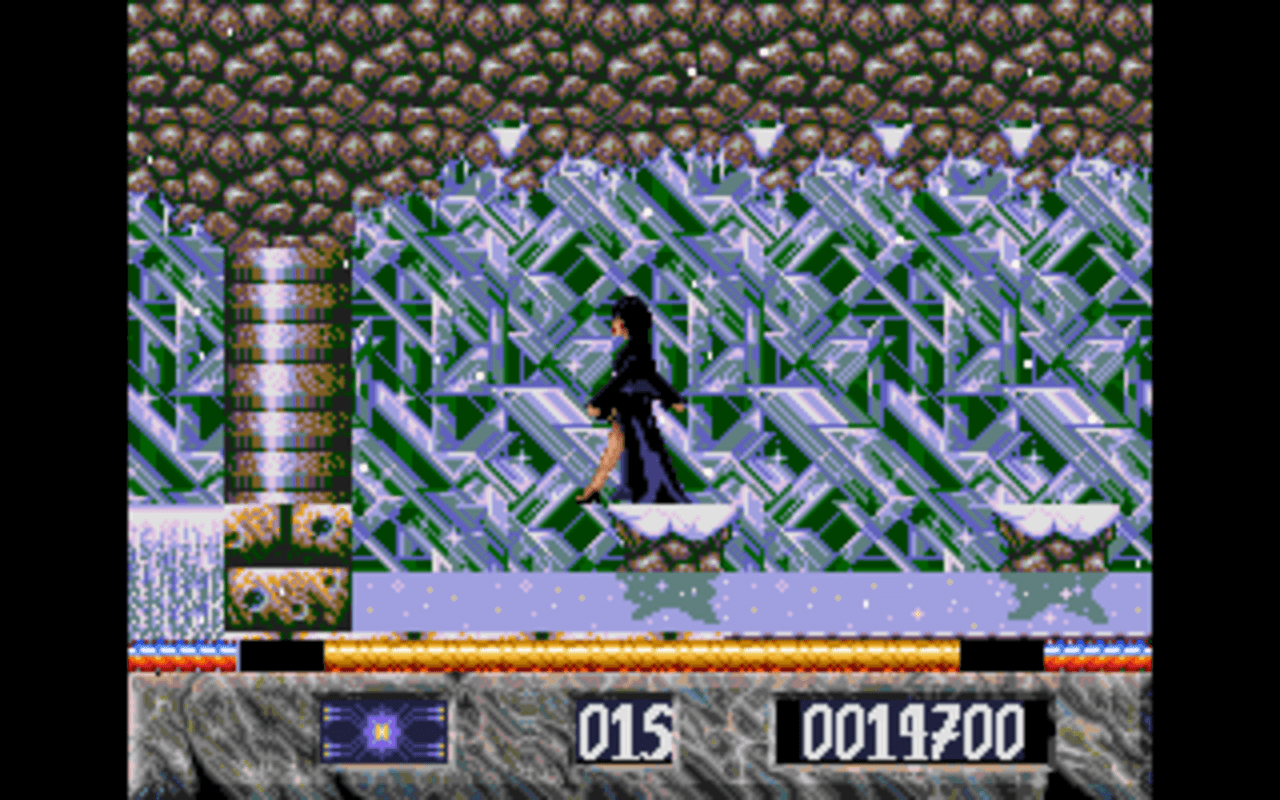
A big reason the game stays enjoyable is the variety in how it creates tension. Sometimes the pressure comes from crowded encounters where you must manage multiple threats at once. Other times it’s a single nasty hazard placed where your jump timing needs to be precise. The level design leans into surprises—new enemy behaviors, altered terrain, and shifting patterns that keep you scanning ahead rather than sleepwalking through familiar scenery.
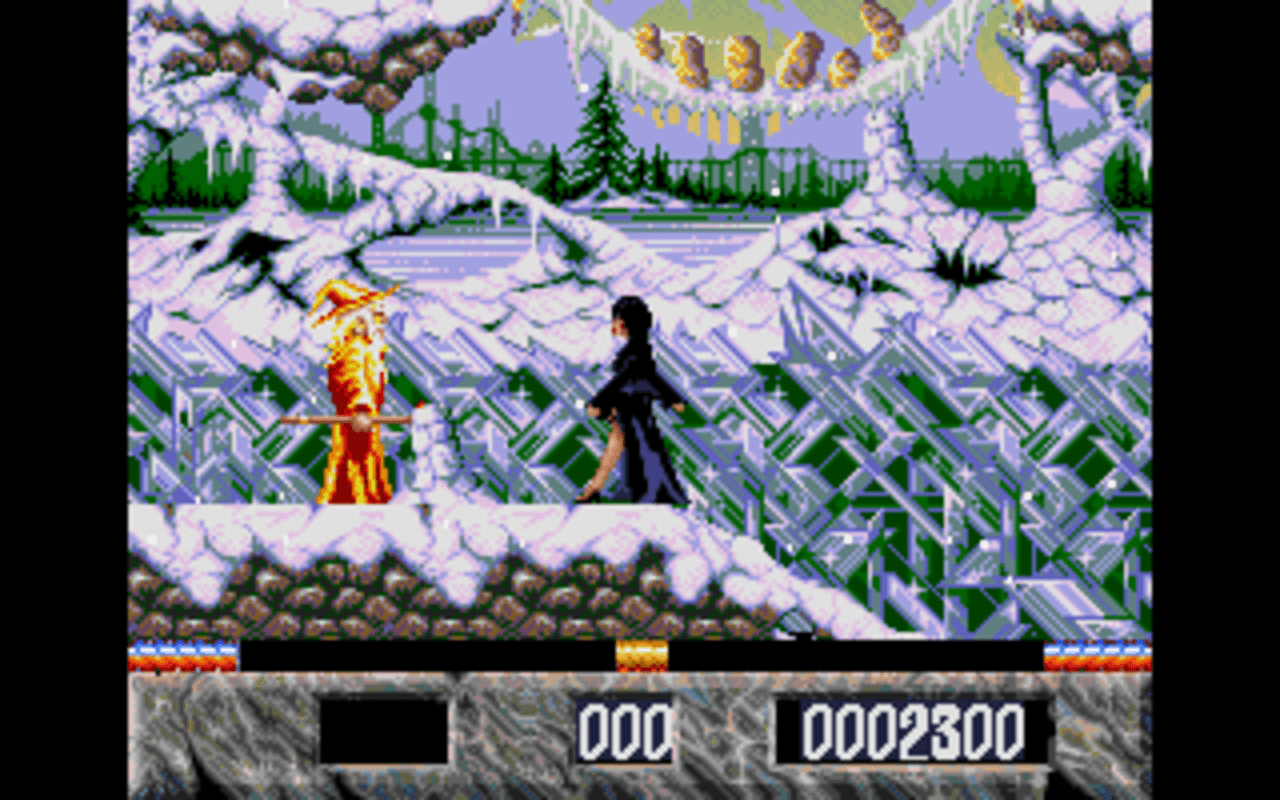
The audiovisual style supports that pace. The horror theme is conveyed through punchy imagery rather than slow atmosphere, which fits the arcade approach perfectly. Instead of asking you to linger, the game uses creepy backdrops and monster designs as a constant reminder that you’re in a strange, haunted playground where everything wants to interrupt your run. It’s a fun contrast: spooky set dressing wrapped around a very “go, go, go” action engine.
If you enjoy games that sit between platforming and run-and-gun action, this one lands in a sweet spot. It doesn’t try to be a pure precision platformer, and it doesn’t become a flat shooting gallery either. The best sections are those where you’re jumping to survive while firing to keep lanes open, with the environment shaping your decisions moment to moment.
Play Elvira: The Arcade Game online
One of the nicest ways to experience this game now is simply to play Elvira: The Arcade Game online. It can be played free, in a browser, and on mobile devices without restrictions, which suits its arcade structure: quick starts, quick retries, and satisfying progress built from practice rather than lengthy setup. Because the design is stage-driven and skill-focused, it adapts naturally to short sessions, yet it also holds up when you want a longer run and the satisfaction of improving your consistency.
Playing online highlights how clean the concept still is. You’re not relying on modern systems or complicated layers to have fun; the enjoyment comes straight from movement, pressure, and the steady process of learning what the game expects. That timeless clarity is exactly why this style of DOS action game remains appealing: it’s direct, readable, and intensely replayable when you’re in the mood for something fast and spooky.
Why Elvira: The Arcade Game stays replayable for action fans
Elvira: The Arcade Game earns its staying power by being both approachable and demanding. The theme is inviting even if you’re not a horror devotee, because the tone is playful and the action is the main event. The challenge, meanwhile, is the kind that encourages improvement rather than endless grinding. Each run teaches you something tangible: a safer jump, a better engagement angle, a hazard to respect, or a moment where patience beats panic.
It’s a classic example of an arcade-styled game that doesn’t need trends or modern references to remain fun. Its personality comes from brisk pacing and gothic flavor, while its longevity comes from skill-based play. If you want a horror-tinged action game that feels lively, slightly mischievous, and always ready to test your timing, Elvira: The Arcade Game is an easy recommendation.
This game delivers a snappy blend of platforming and shooting wrapped in Elvira’s spooky-camp vibe, with stages that reward practice and confident movement. Controls are typically simple and immediate: move left and right, jump to clear gaps and hazards, and fire to manage enemies before they crowd your space.
All used codes are publicly available, and the game belongs to its original authors.