Fallen Angel and the Late-80s Brawler Mood
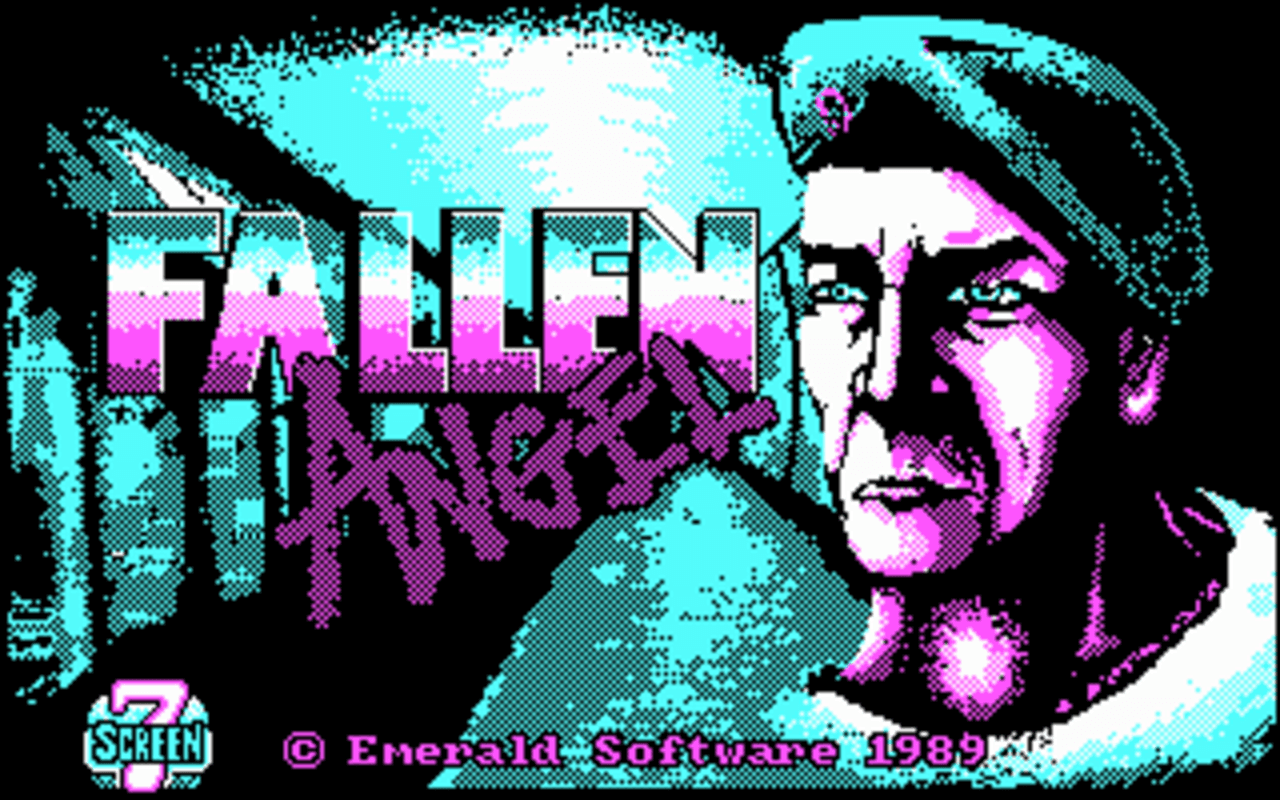
Fallen Angel arrived during the late 1980s wave of coin-op inspired action that pushed home computers toward bigger sprites and tougher attitude. Published by Screen 7 Ltd. and created by Emerald Software, the game drops you into a hard-nosed urban brawl where momentum matters as much as muscle. You are cast as a battle-hardened ex-commando trying to clean up streets that have become a playground for thugs, dealers, and hired bruisers. It is simple on the surface—walk, punch, survive—but it has that unmistakable retro magic where a straightforward premise becomes gripping once the enemies start closing in.
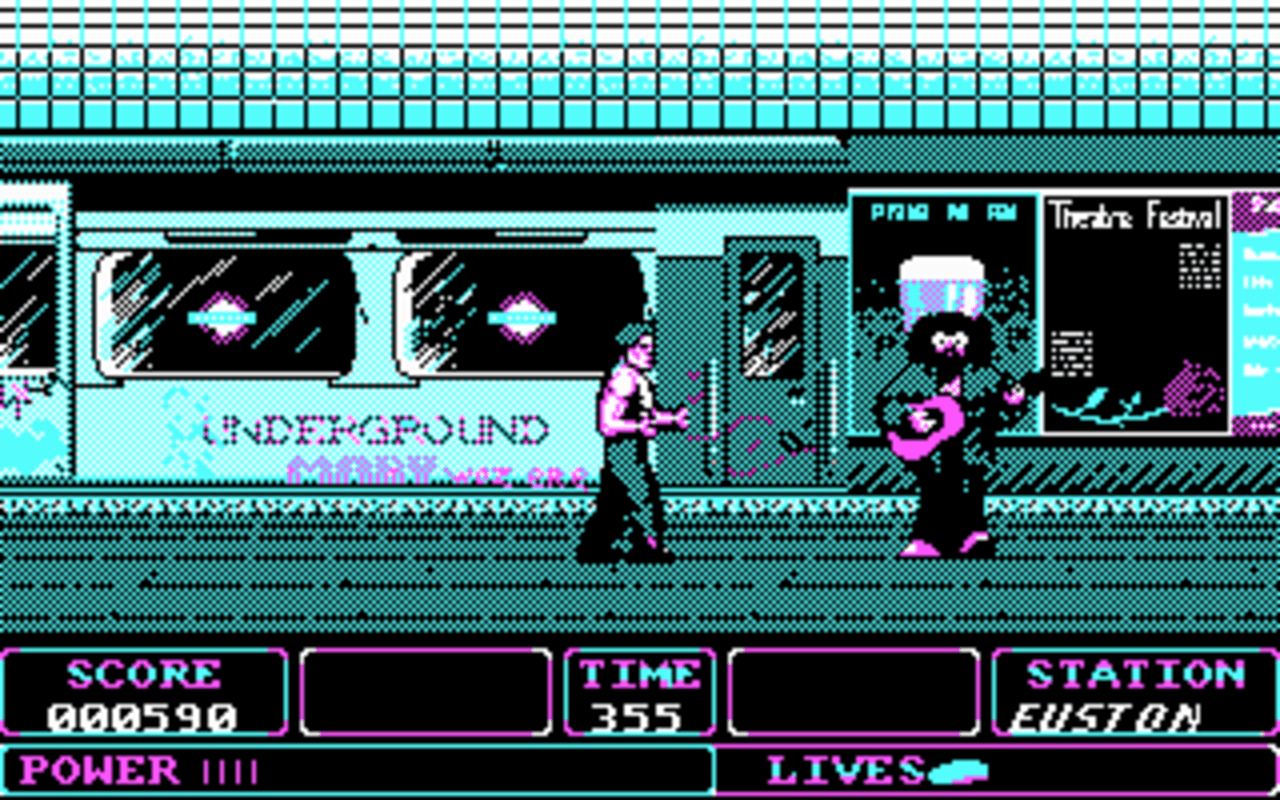
What makes Fallen Angel stand out is how confidently it commits to a rough, street-level tone. Instead of fantasy dungeons or sci-fi corridors, it leans into alleyways, cramped sidewalks, and hostile hangouts where danger feels close enough to smell. The game’s side-scrolling framing keeps your focus on spacing and timing, and it constantly tests whether you can read an opponent’s wind-up before their punch lands. In that sense, it shares DNA with the best beat-’em-ups of its era: the pleasure comes from learning the pace of a fight, not from watching an elaborate story unfold.
The setting also shapes the story it tells without relying on long cutscenes. You are not saving the universe; you are trying to survive a grimy stretch of city life and force order back into a place that has forgotten it. That grounded motive gives the action a pleasing clarity. Every new group of enemies is an obstacle between you and the chance to push the chaos back a little farther.
Mean Streets, Big Sprites, and a Brutal Rhythm
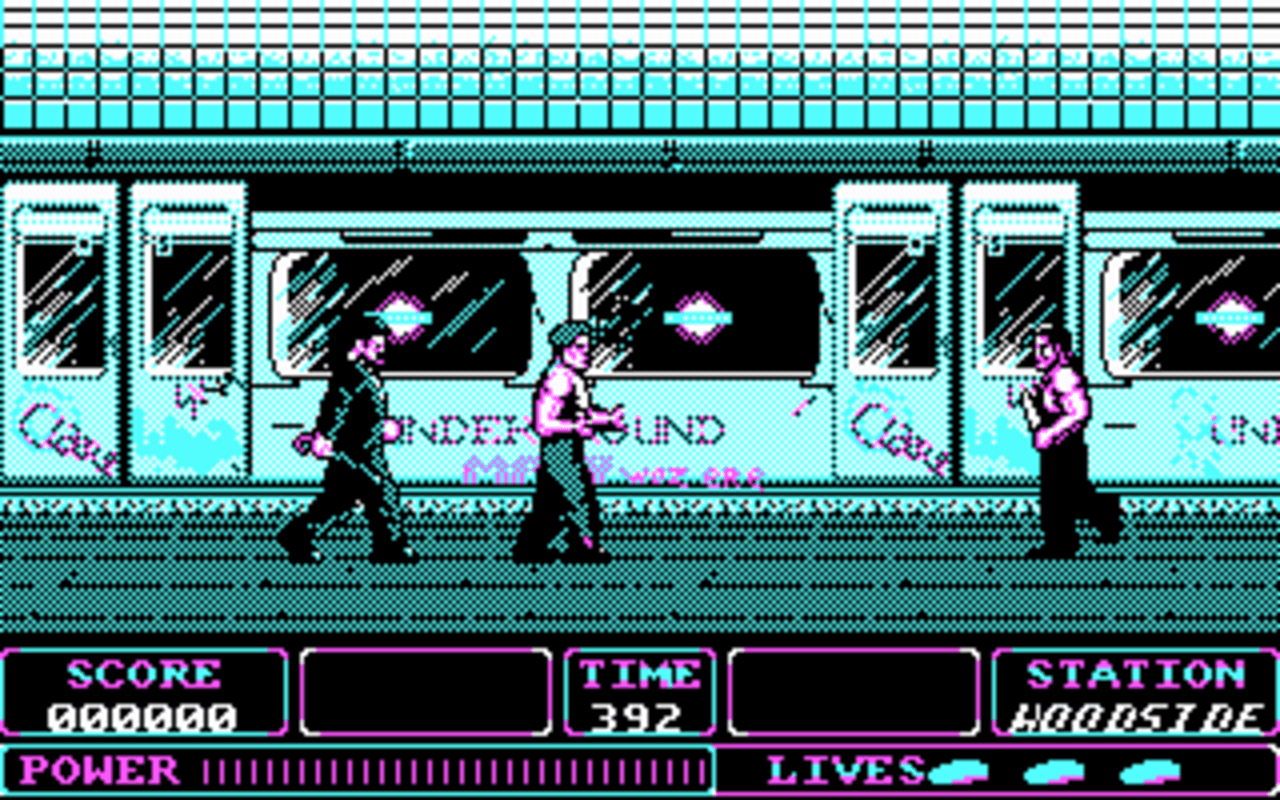
Moment to moment, Fallen Angel is about rhythm. You advance until a threat closes in, you trade blows, you reset your position, and you advance again. Because enemies often arrive in clusters, the smartest move is rarely to mash attacks. Instead, you learn to “herd” opponents so only one can reach you at a time, then punish the opening before the next attacker steps in. When the game clicks, it feels like a scrappy dance—one part anticipation, one part stubborn endurance.
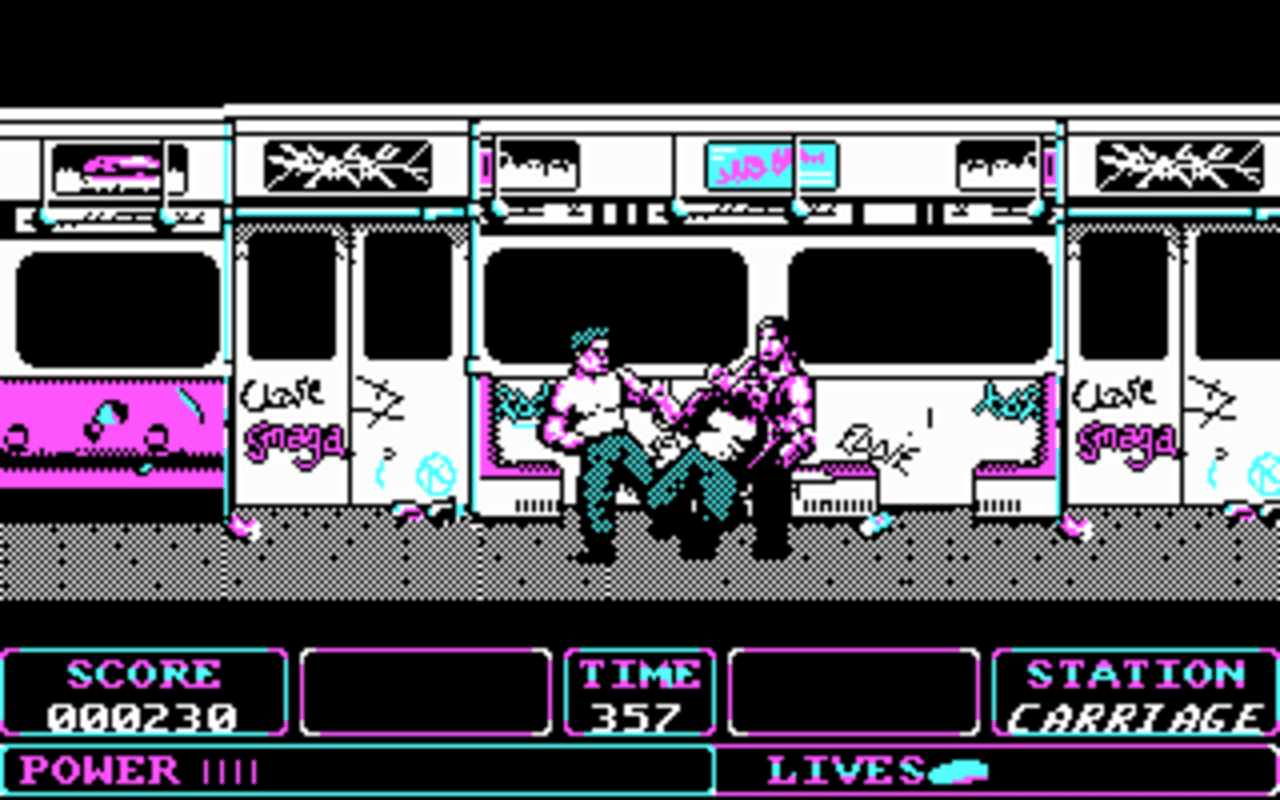
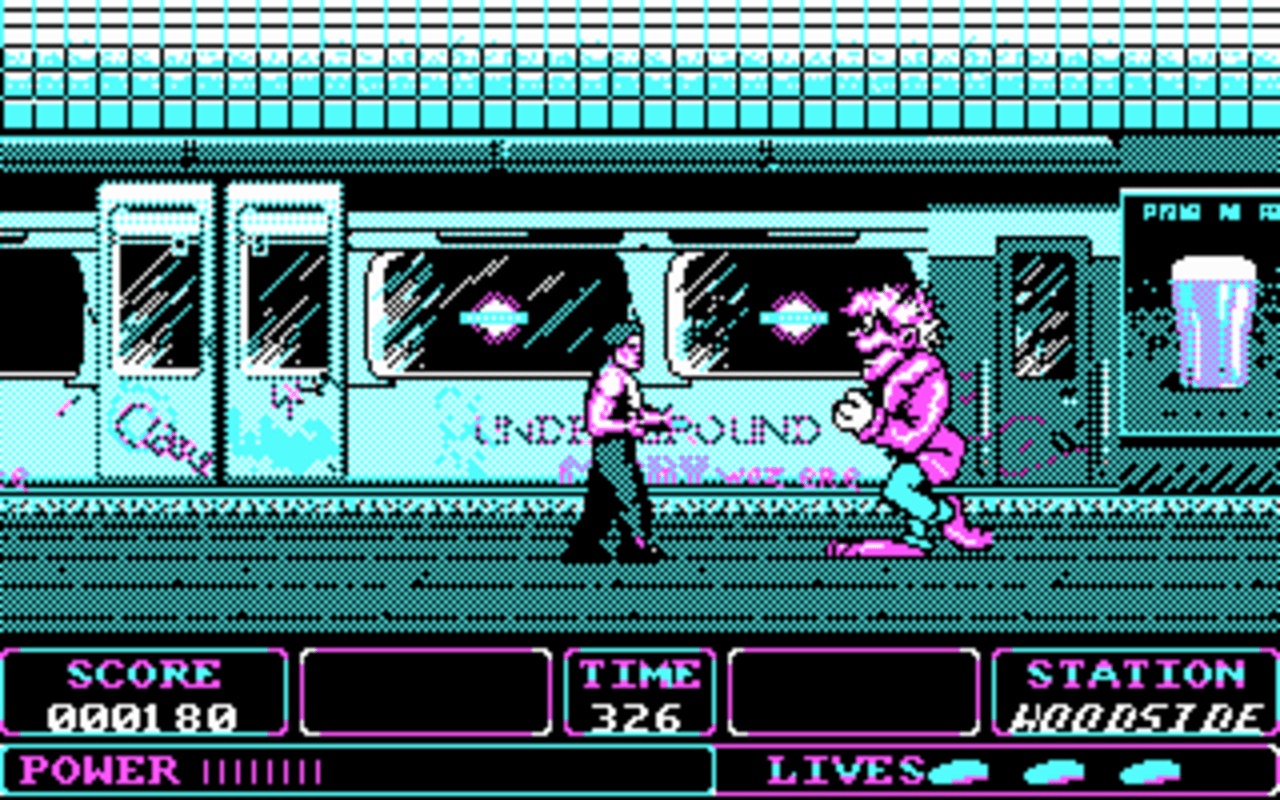
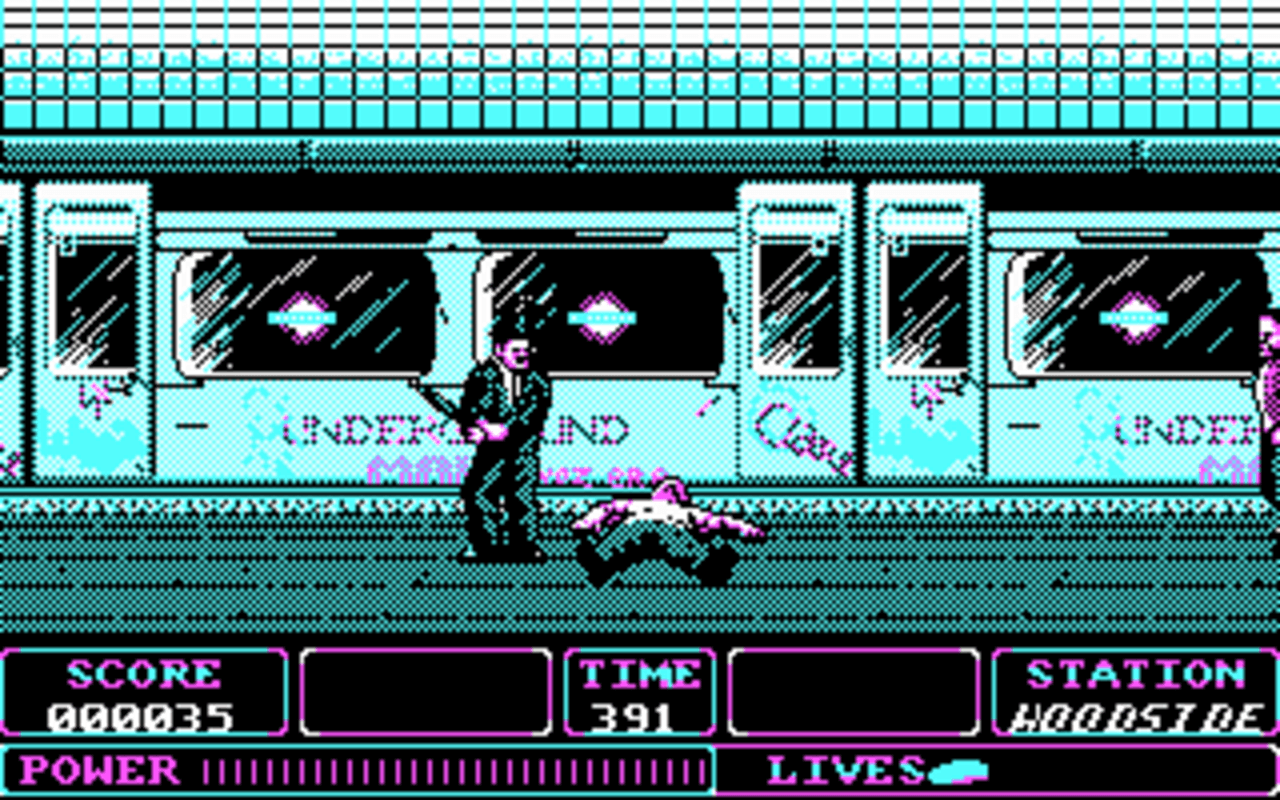
Visually, the game favors readability over spectacle. Characters are drawn large enough that you can recognize animations quickly, and the background art aims for mood: the kind of spaces where trouble would gather and nobody would call the police. Audio is likewise in service of pace rather than polish, accenting impacts and tension so that each encounter feels weighty. The overall effect is a compact action game that understands the pleasure of a clean hit and the panic of being cornered.
Weapons, Pickups, and the Reward of Pushing Forward
Even when the core loop is straightforward, Fallen Angel avoids feeling empty by sprinkling in incentives that keep you leaning forward. Weapons and pickups shift the balance of power just enough to change how you approach a fight. A new tool can turn a tense exchange into a brief power trip, but it never lets you relax for long—new enemies and tighter spaces quickly remind you that the streets are still stacked against you.
This push-and-pull is where replay value lives. On a first run, you might scrape by on instinct. On later attempts, you start making better decisions: you conserve strength, you time your engagements, you move with purpose instead of panic. That improvement curve is a classic hallmark of the genre, and it is why brawler fans still enjoy coming back to these older titles. The game feels fair in the best retro way: it will punish sloppy play, but it will also reward a steady hand.
Play Fallen Angel online and keep the fight moving
For players who want instant nostalgia, you can play Fallen Angel online free in a browser, jump into the action without restrictions, and keep going whether you are on a desktop or using mobile devices. The appeal is that the game’s design is immediate: you do not need a manual to understand the goal, and you can feel its arcade roots in seconds. A quick session can be a stress release, while a longer run becomes a test of how well you can manage space, aggression, and patience as the pressure ramps up.
Because the action is screen-by-screen and the objective is always clear, the game also suits short bursts of play. You can treat it like a classic “one more try” challenge, chasing a cleaner run, fewer mistakes, and better use of the weapons you find along the way. That flexibility—easy to start, hard to master—is exactly what keeps retro brawler games evergreen.
Why Fallen Angel Still Works as a Retro Action Game
Fallen Angel is not trying to be a complex simulation or a sprawling adventure. Its strength is focus. It offers a tough, gritty mood, readable fights, and a steady stream of enemies that force you to improve. If you enjoy the raw side of the beat-’em-up tradition—where every victory feels earned and every mistake hurts—this game delivers that experience with no fuss.
The best way to judge Fallen Angel is by how it makes you play. It encourages you to watch, to wait, to strike, and to move. You learn to create breathing room, to avoid being surrounded, and to value positioning as much as damage. That is a timeless recipe for satisfying action.
To control the game, use the directional keys to move left and right, crouch when needed, and combine movement with your attack buttons to punch, kick, and handle weapons as you pick them up. With a little practice, you will find a comfortable cadence that lets you flow through groups instead of colliding with them.
All used codes are publicly available and the game belongs to its original authors.