Isle of the Dead and the Rise of Oddball Horror Games
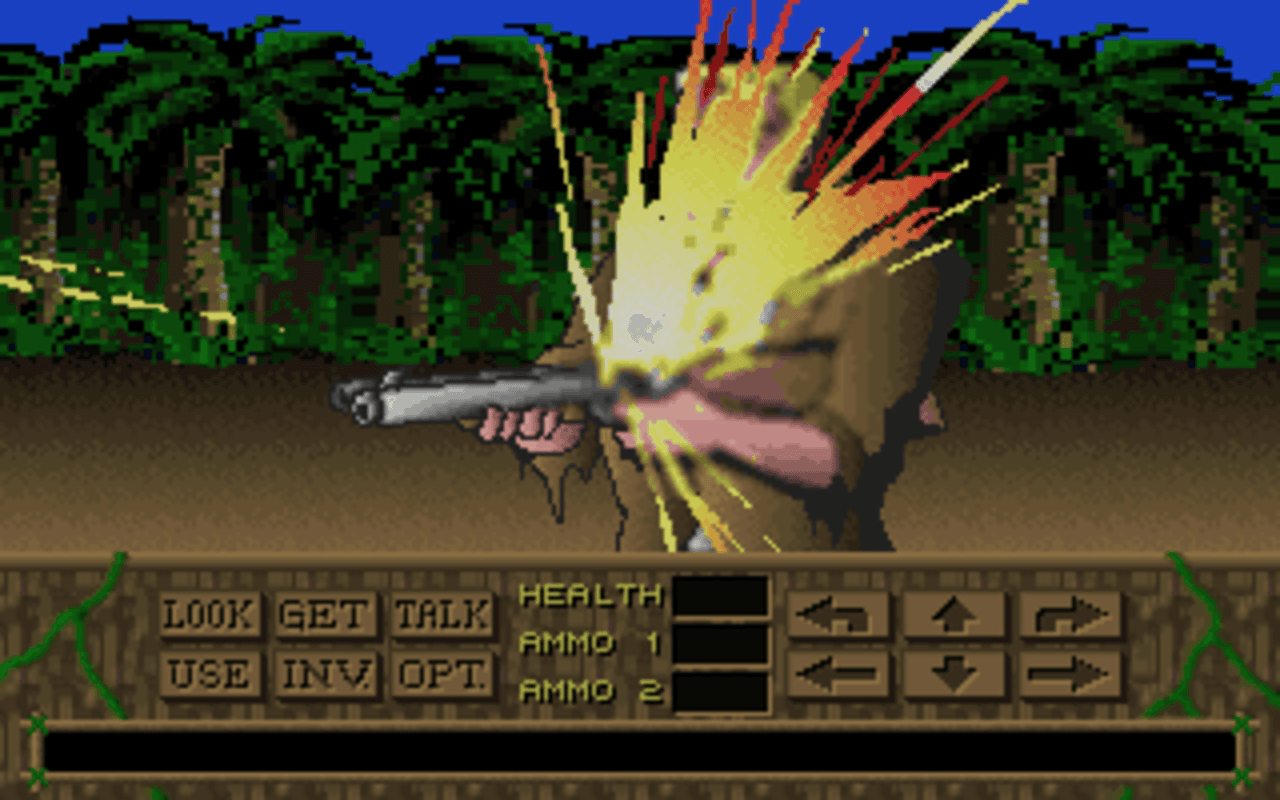
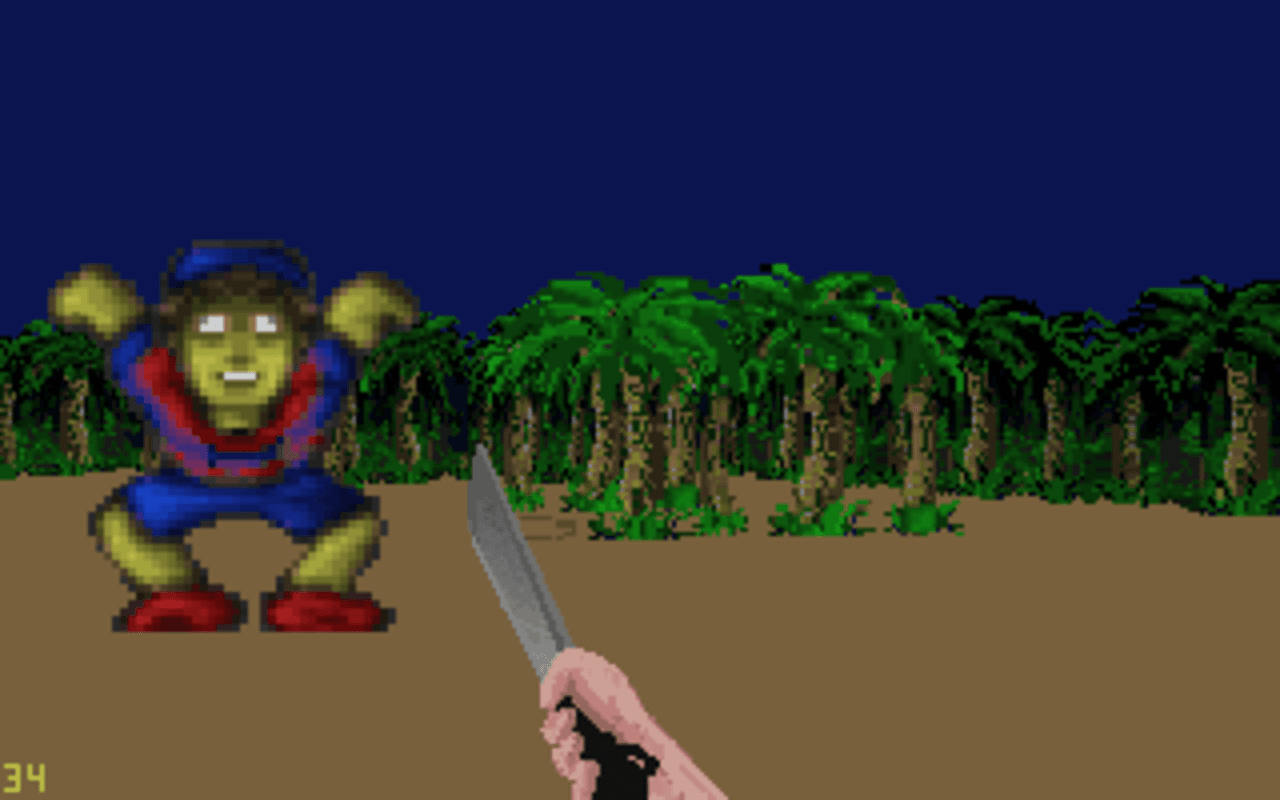
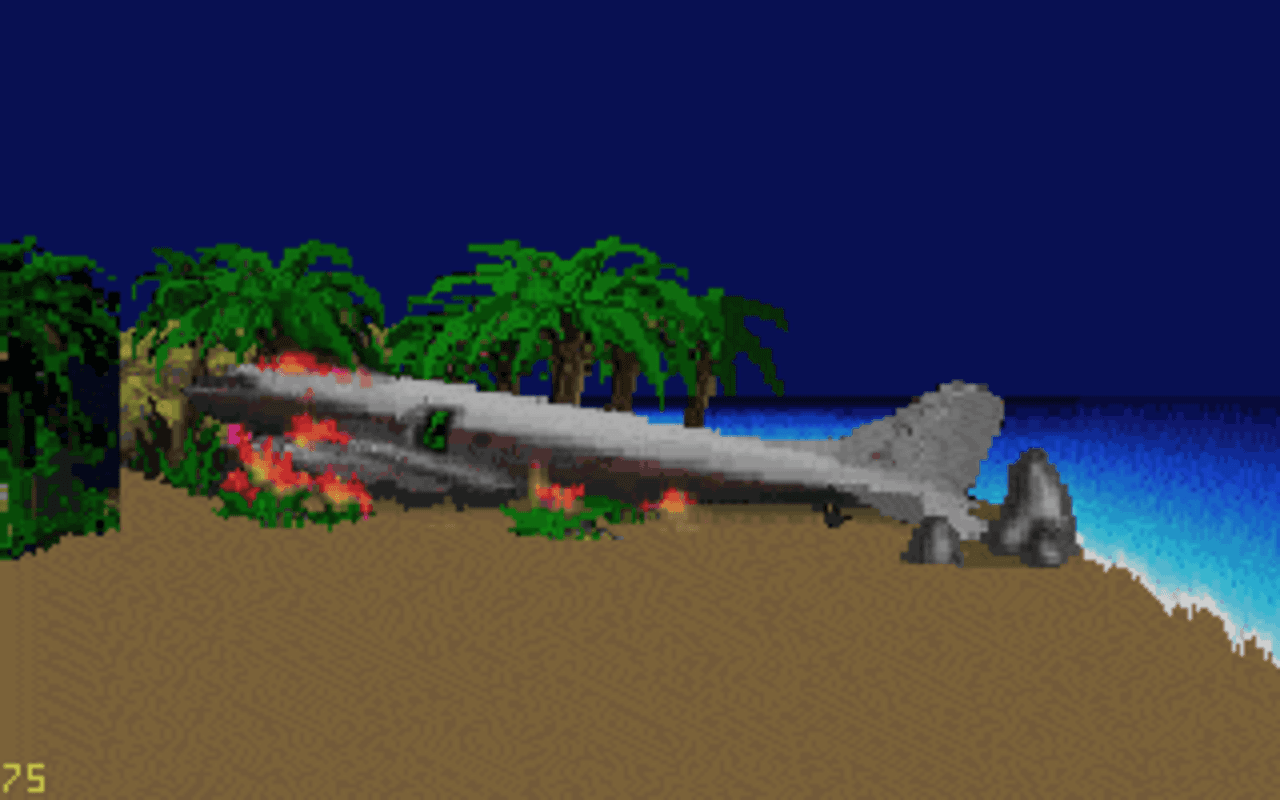
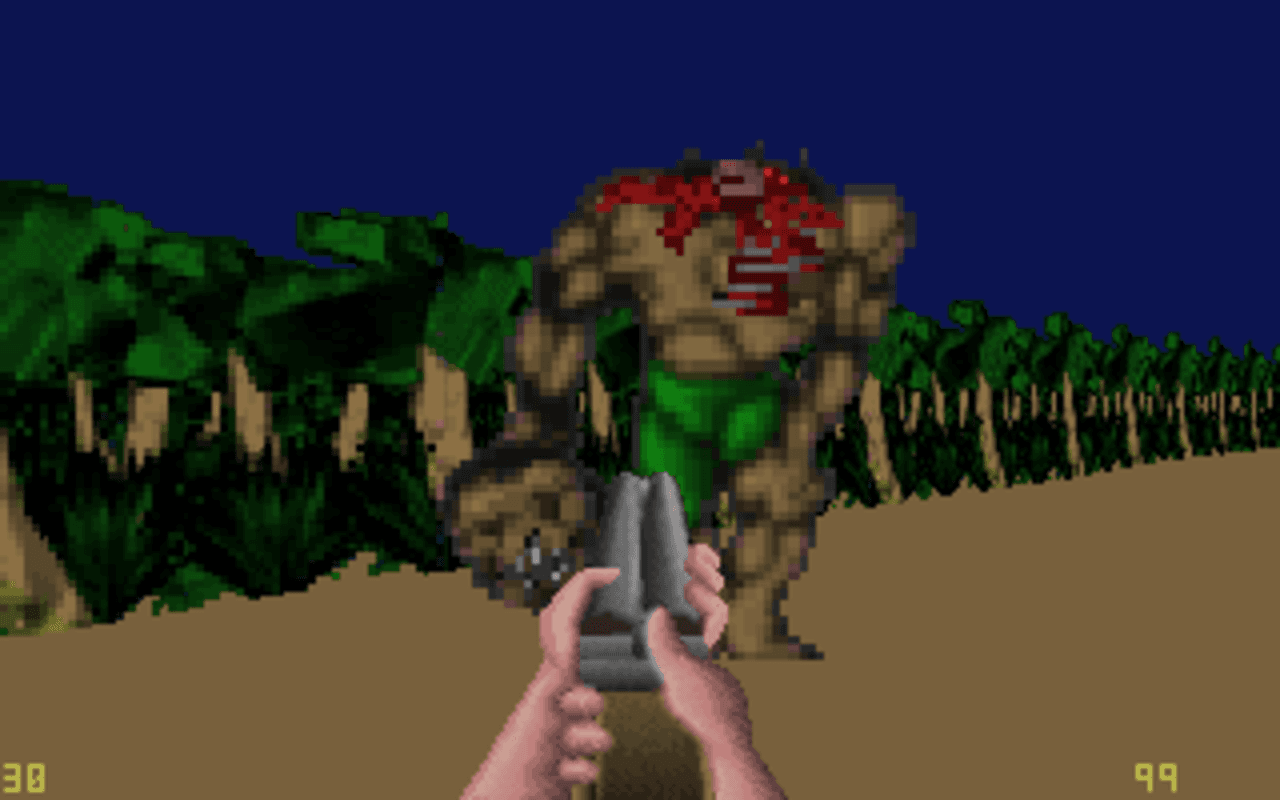
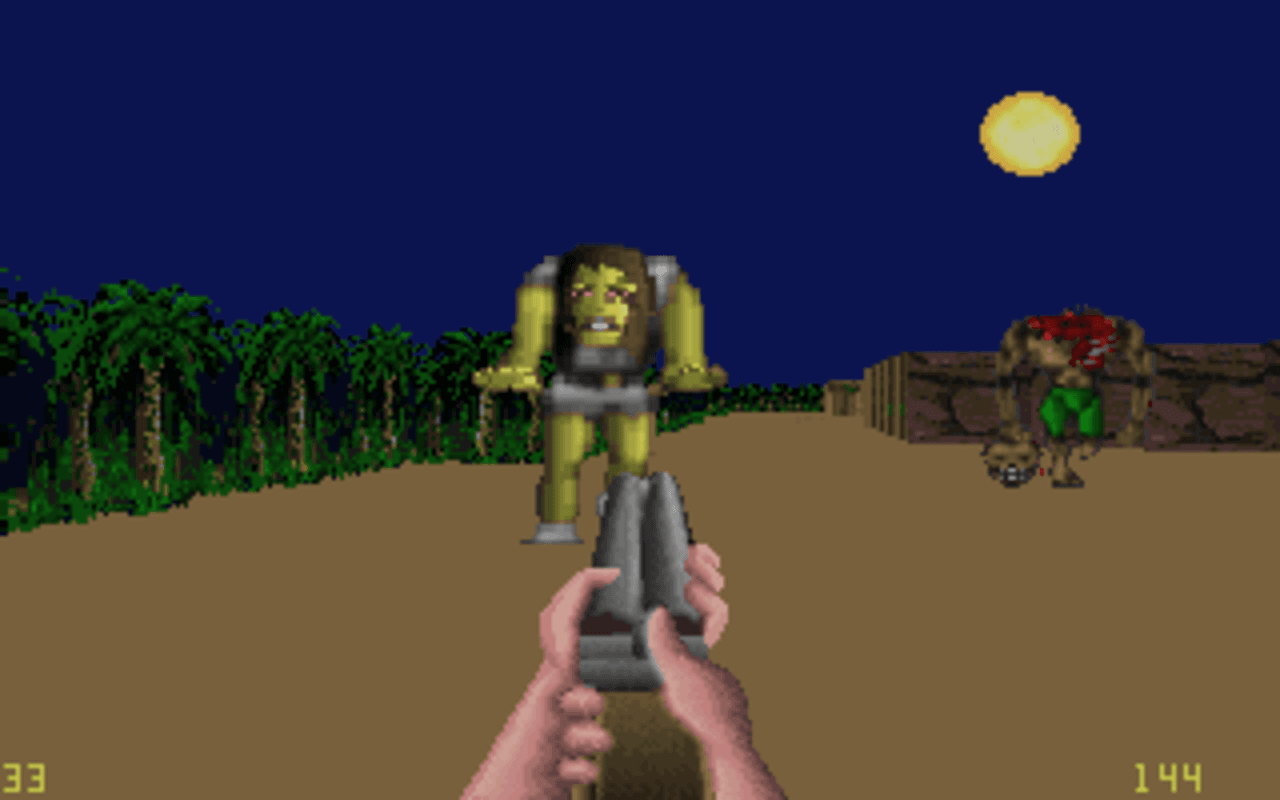
Isle of the Dead arrived during an era when DOS game creators were experimenting freely with genre boundaries, and that spirit can be felt in every strange corner of the adventure. Developed by Rainmaker Software and published by Merit Software, it stands out as a horror game that refused to stay in one lane. Rather than offering pure shooting or pure puzzle solving, it fused first-person combat with adventure mechanics and wrapped the whole experience in a lurid island nightmare. The premise is simple and effective: a plane crash leaves the protagonist stranded on a remote island where zombies roam and danger hides behind every path. That setup gave the game a natural sense of isolation, which remains one of its strongest qualities.
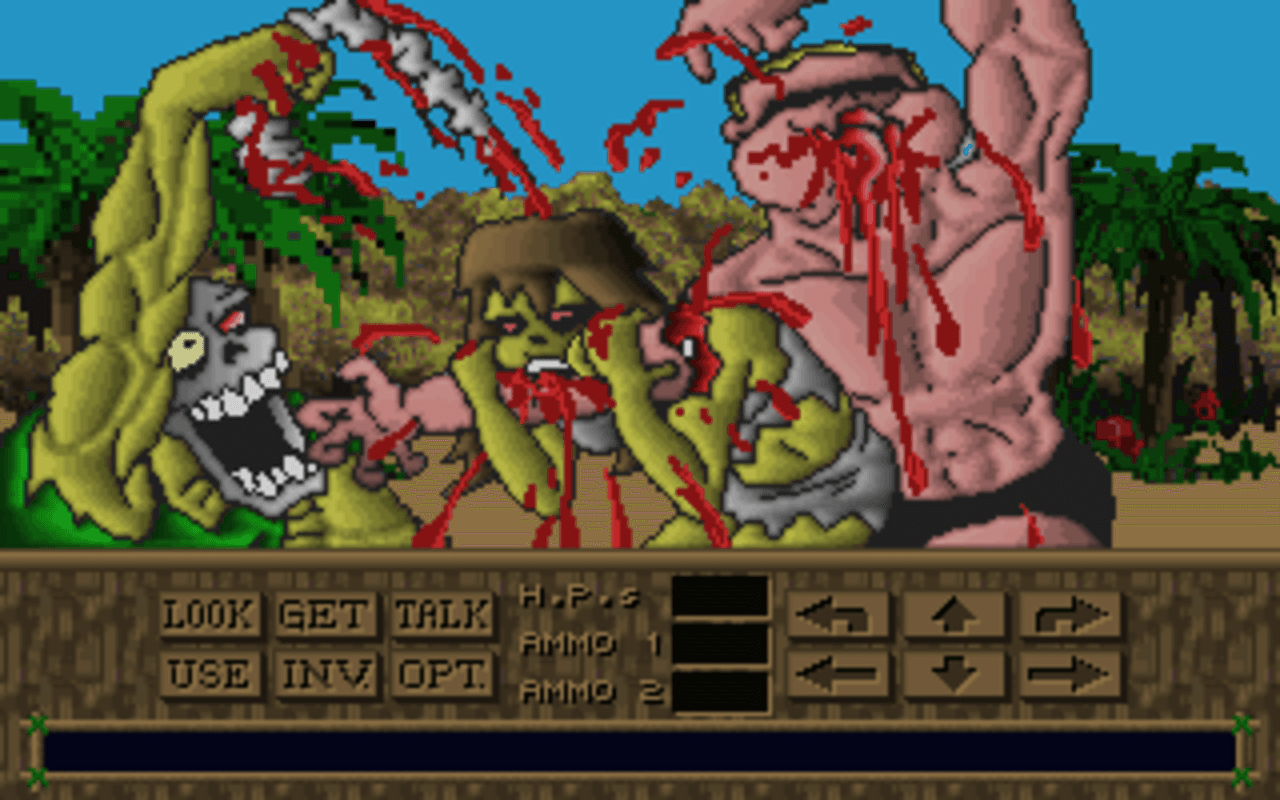
What makes Isle of the Dead memorable is not polish in the conventional sense, but personality. The game has an almost feverish confidence in its own weirdness. It is violent, theatrical, campy, and eerie all at once. The island setting gives the game a visual identity that separates it from darker corridor shooters, while the horror comic tone adds a layer of pulpy charm. Even when the design feels rough, it never feels anonymous. This is the kind of game that leaves an impression because it takes risks, and that alone gives it lasting value for players who enjoy exploring the stranger edges of classic DOS history.
Zombie Survival, Adventure Puzzles, and Island Mystery
At its core, Isle of the Dead is about survival through exploration. The island is not just a backdrop for combat; it is the main source of tension. Every area suggests that something unpleasant may be waiting ahead, whether that means a direct attack, a hidden threat, or a clue that pushes the story further. The player moves through a world where danger and discovery are tightly linked, and that combination helps the game feel more layered than a straightforward shooter.
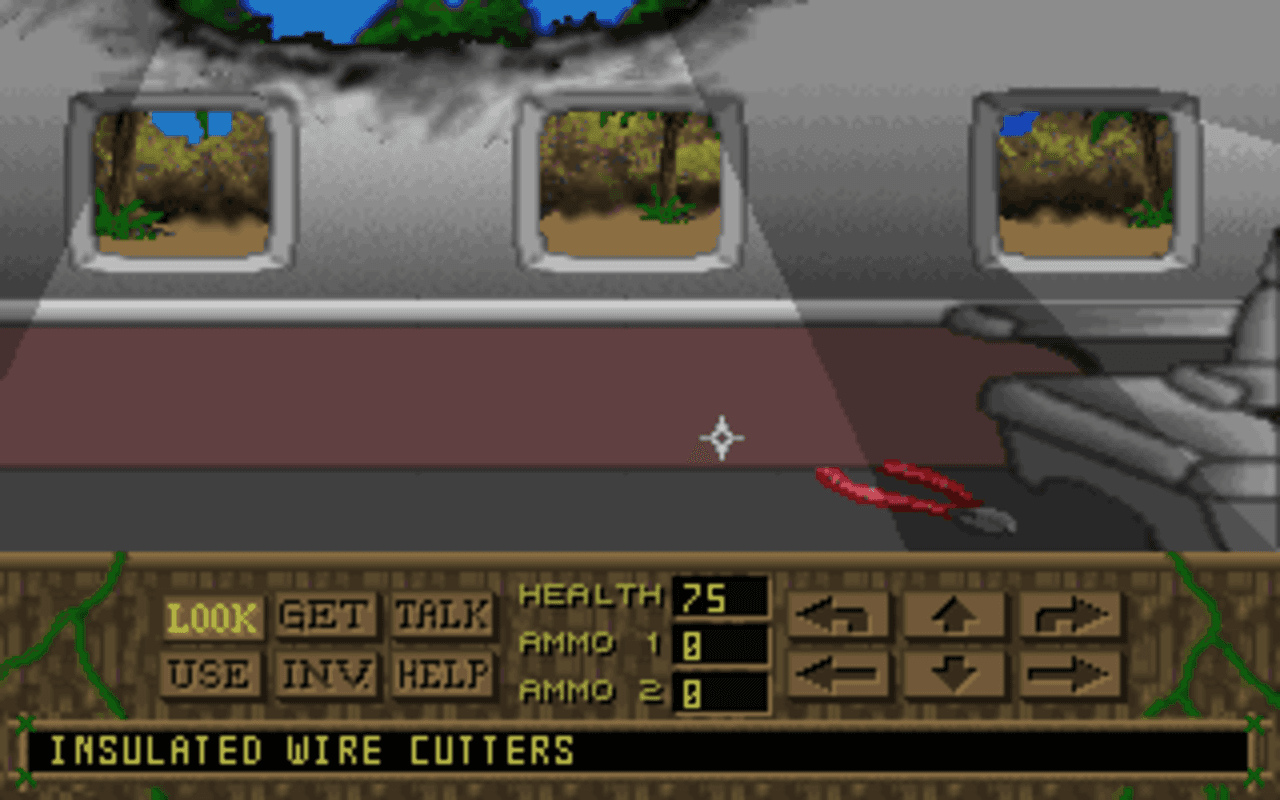
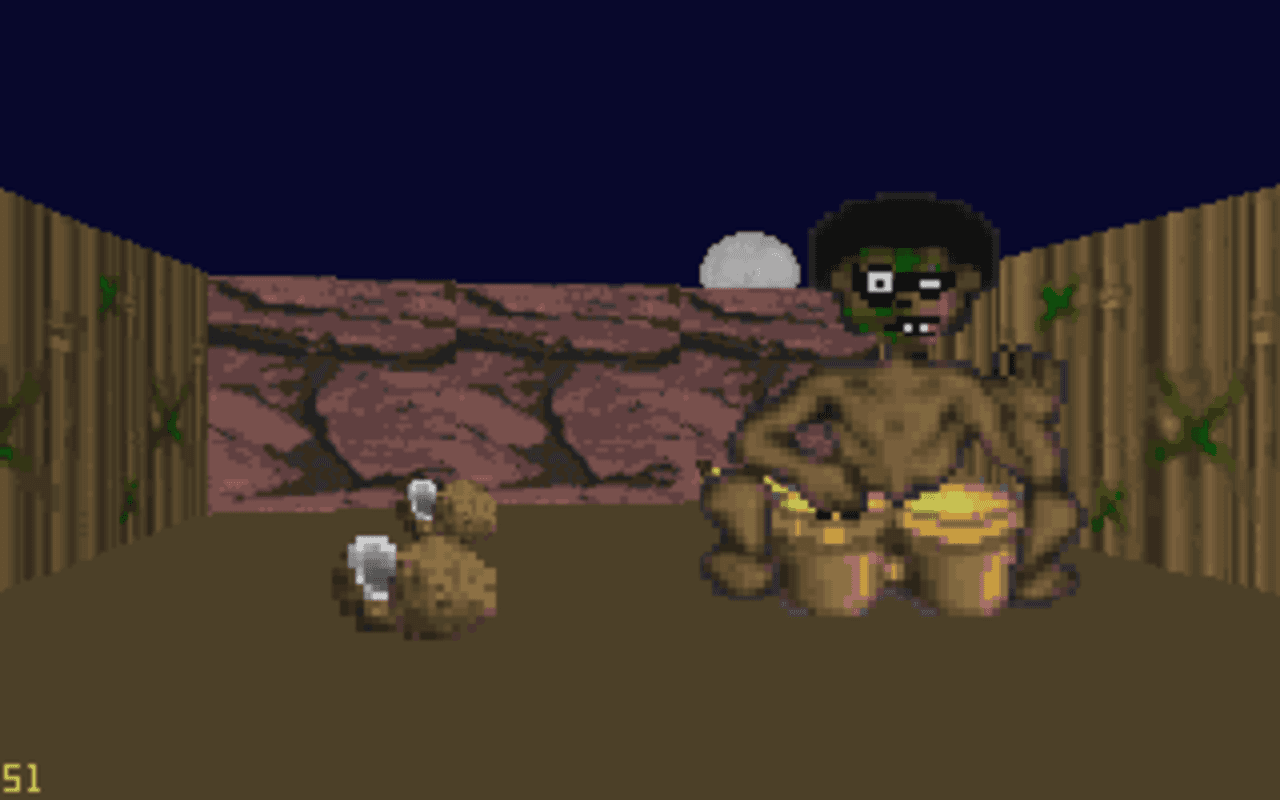
The shooting itself gives the game forward motion, but the adventure elements are what make it unusual. You are not simply clearing enemies from one stage to the next. You are also searching for items, meeting characters, and piecing together how the island works. This creates a stop-and-start rhythm that may surprise players expecting nonstop action, yet it is exactly what gives the game its identity. The result is a horror experience that feels halfway between an action game and an interactive B-movie.
That hybrid design also changes the emotional texture of the game. In many first-person games, momentum comes from speed and aggression. Here, momentum often comes from uncertainty. You wonder what object matters, what area should be revisited, and what lurks beyond the next screen. That sense of unease supports the zombie theme well. The undead are not only targets to eliminate; they are part of a world that feels unstable and hostile. The game may be eccentric, but it understands how to maintain tension through atmosphere and unpredictability.
Play Isle of the Dead online
Play Isle of the Dead online and its unusual design becomes easy to appreciate in a modern, immediate way. The game can be played free, in a browser, and on mobile devices without restrictions, making it simple to revisit this cult horror adventure whenever the mood strikes. Its unusual blend of action, puzzle solving, and zombie survival works especially well in an online format because the strange pacing and memorable atmosphere draw you in quickly.
To play Isle of the Dead online is to experience a game that never behaves quite like you expect. One moment you are fighting for survival, and the next you are searching for a clue or interacting with the island’s bizarre inhabitants. That unpredictability helps the game stay engaging. It does not feel like a standardized retro shooter; it feels like an artifact from a period when designers were willing to try almost anything.
The online appeal also comes from curiosity. Many players return to famous classics for refinement, but Isle of the Dead offers something different: surprise. Its reputation has endured because it is so hard to compare neatly with anything else. It borrows from shooters, adventure games, and survival horror, then filters those influences through a distinctly odd creative voice. That makes it rewarding not only as a game to play, but as a game to examine and remember.
Why Isle of the Dead Still Feels Distinctive
A large part of the game’s staying power comes from tone. Isle of the Dead is not sleek horror and it is not pure parody either. Instead, it lives in an entertaining middle ground where fear, absurdity, and pulp storytelling all reinforce one another. The island setting gives the game a humid, uncanny feeling, and the zombie theme ensures constant menace, but there is also a rough-edged comic quality that keeps the experience from becoming too heavy. That tonal blend is a big reason people continue to talk about it.
Another reason is structure. Many retro games are remembered for being expertly balanced, but some are remembered because they are boldly unconventional. Isle of the Dead belongs in the second category. It does not smooth out its strange ideas for the sake of accessibility. It commits to them. That commitment gives the game an identity stronger than many technically superior releases. Players who enjoy unusual horror games often value atmosphere, ambition, and originality above perfection, and this title offers all three in memorable form.
It also deserves attention as a cultural snapshot of a creative period in DOS gaming. Developers were still exploring what first-person perspectives could do beyond fast action, and Isle of the Dead captures that experimental mood vividly. Its combination of exploration, combat, and narrative interaction feels like a reminder that genre lines were once far more fluid. For retro fans, that alone makes the game worth revisiting.
A Cult DOS Game Worth Revisiting and Playing
Isle of the Dead remains fascinating because it delivers more than basic zombie shooting. It offers a tropical horror scenario, a hybrid game structure, and a strange personality that lingers after the final encounter. For some players, its greatest strength is atmosphere. For others, it is the sheer novelty of seeing action and adventure mechanics collide in such an unfiltered way. Either way, the game stands apart from more conventional titles and continues to reward curiosity.
This is a horror game for players who appreciate distinctive ideas, bizarre mood, and retro experimentation. The basic controls are easy to understand: move through the island, face enemies in first-person combat, interact with objects, and use what you find to survive and progress. That mix of movement, combat, and exploration is what defines the experience and keeps the game memorable.
All used codes are publicly available, and the game belongs to its original authors.