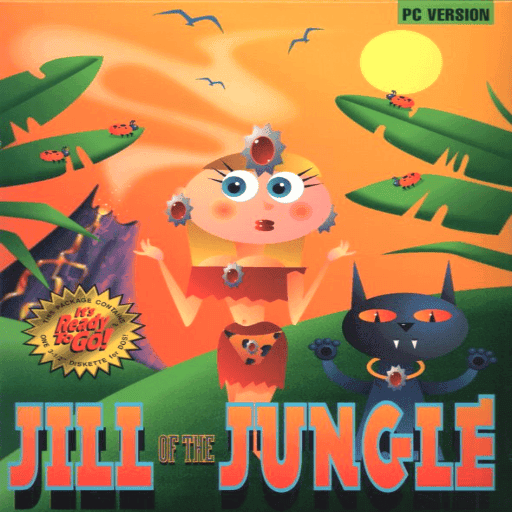
Jill of the Jungle: Jill Goes Underground and the PC Action Boom
Jill of the Jungle: Jill Goes Underground arrives from Epic MegaGames during a period when PC action games were racing to prove they could feel as lively and immediate as anything on consoles. The series leans into that era’s best ideas: bright readability, snappy movement, and stages that invite experimentation. While the “jungle heroine in peril” hook sets the tone, this chapter quickly shifts the spotlight to underground spaces where the environment itself becomes the star—narrow passages, sudden drops, hidden pockets of safety, and the constant question of what lies just beyond the next screen.
What stands out right away is how approachable the game feels. You can understand the goal in seconds—move forward, survive hazards, gather useful items—and yet the levels keep finding small ways to surprise you. Jill Goes Underground doesn’t rely on massive cutscenes or complex systems; it builds its personality through momentum, playful danger, and the satisfaction of mastering a tricky segment that seemed impossible a few minutes earlier.
Underground Platform Game Rhythm: Speed, Timing, and Curiosity
The best moments in Jill of the Jungle: Jill Goes Underground come from its rhythm. The stages are designed around short bursts of decision-making: commit to a jump or hesitate, sprint through a hazard or wait for a safe opening, risk a side path for rewards or stay on the main route. That pacing makes the game feel energetic without becoming exhausting, because each screen-sized challenge is like a miniature obstacle course with a clear “read” once you’ve seen it.
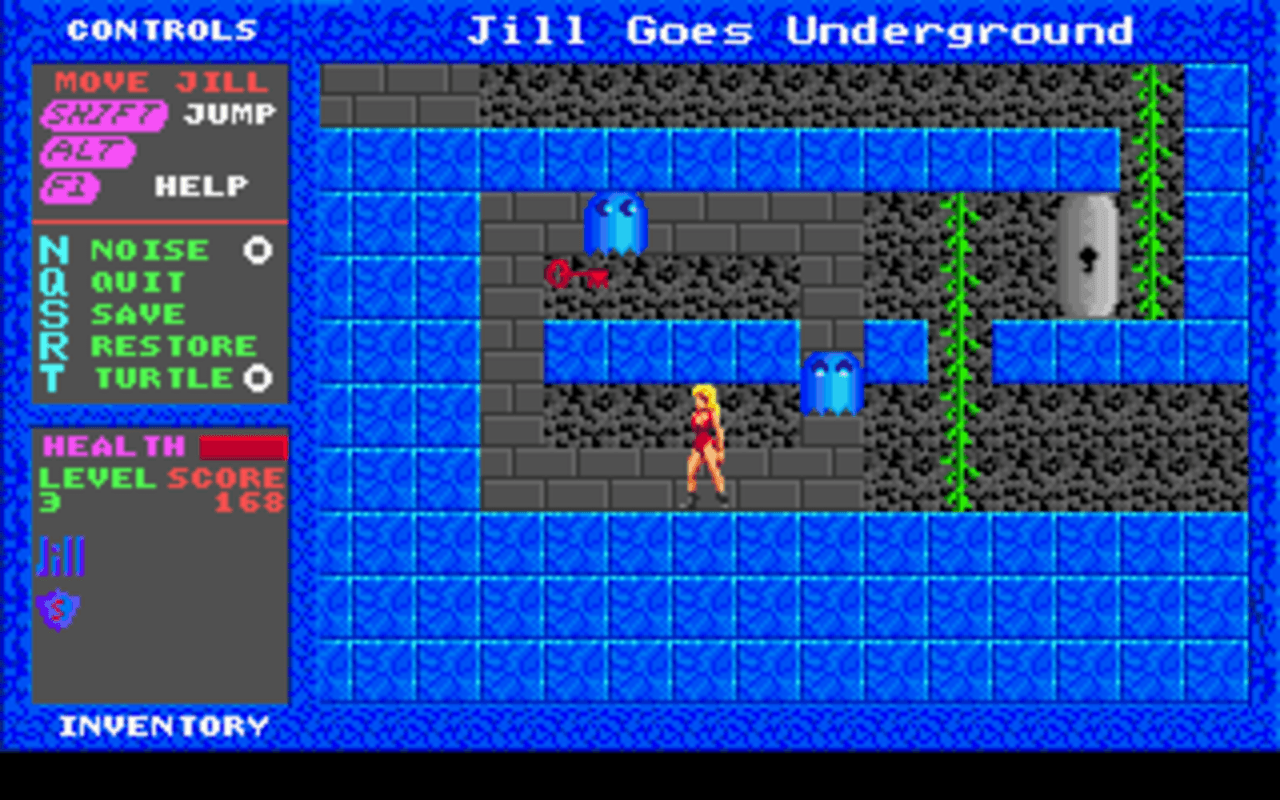
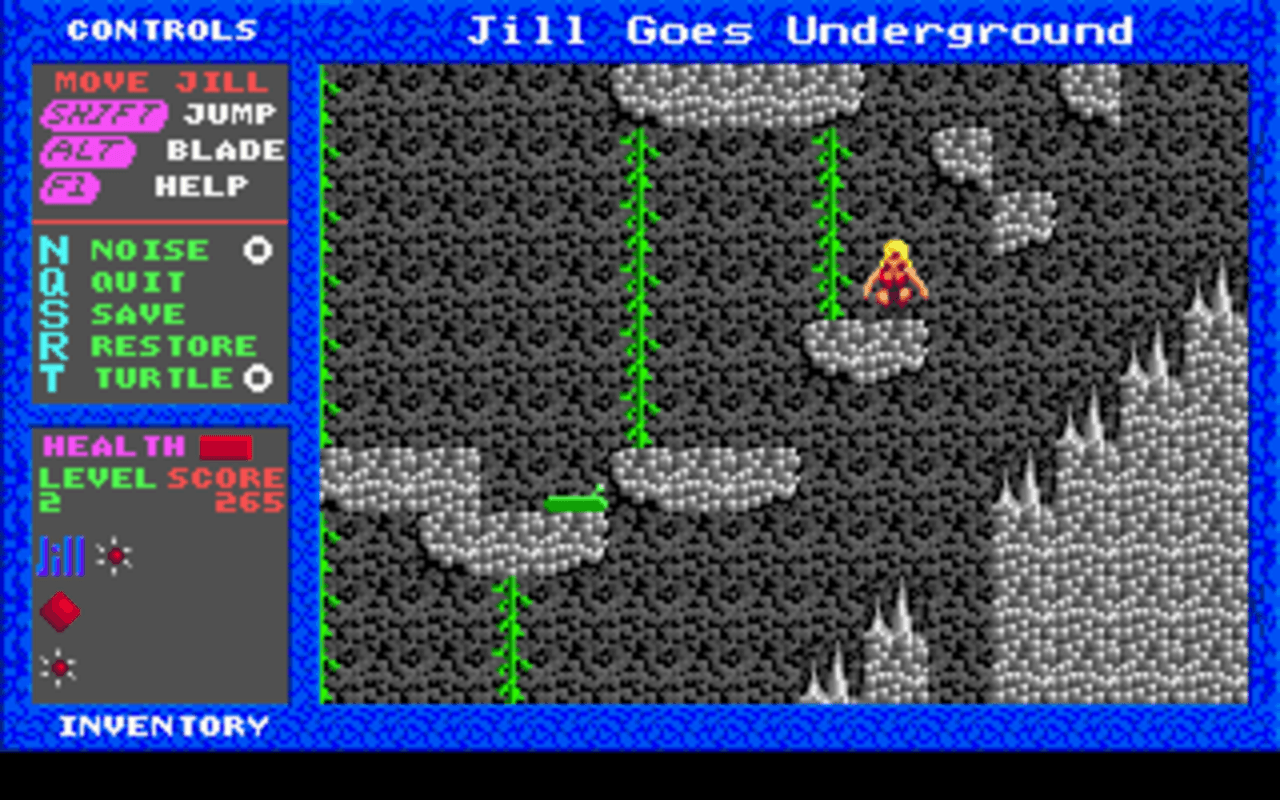
The underground setting also gives the game permission to be a little mischievous. Caverns can hide dangers in plain sight, and the safest-looking platform might be the one that drops you into trouble. Yet it rarely feels unfair. Most setbacks teach a specific lesson—watch the edge, respect the ceiling, keep your timing tight—and that learning curve is part of the fun. The game wants you to be curious, not cautious, and it rewards the player who tests boundaries and pays attention to the terrain.
There’s also a satisfying simplicity to the way Jill moves and interacts. The controls aim for immediacy: when you press a direction and commit, the game responds with that clean old-school snap that makes platforming feel like a conversation between your hands and the level designer. You’re not wrestling with complicated physics; you’re learning a set of consistent rules, then using them to thread Jill through a gauntlet of traps and jumps.
Atmosphere in Jill Goes Underground: Caves, Secrets, and Surprise
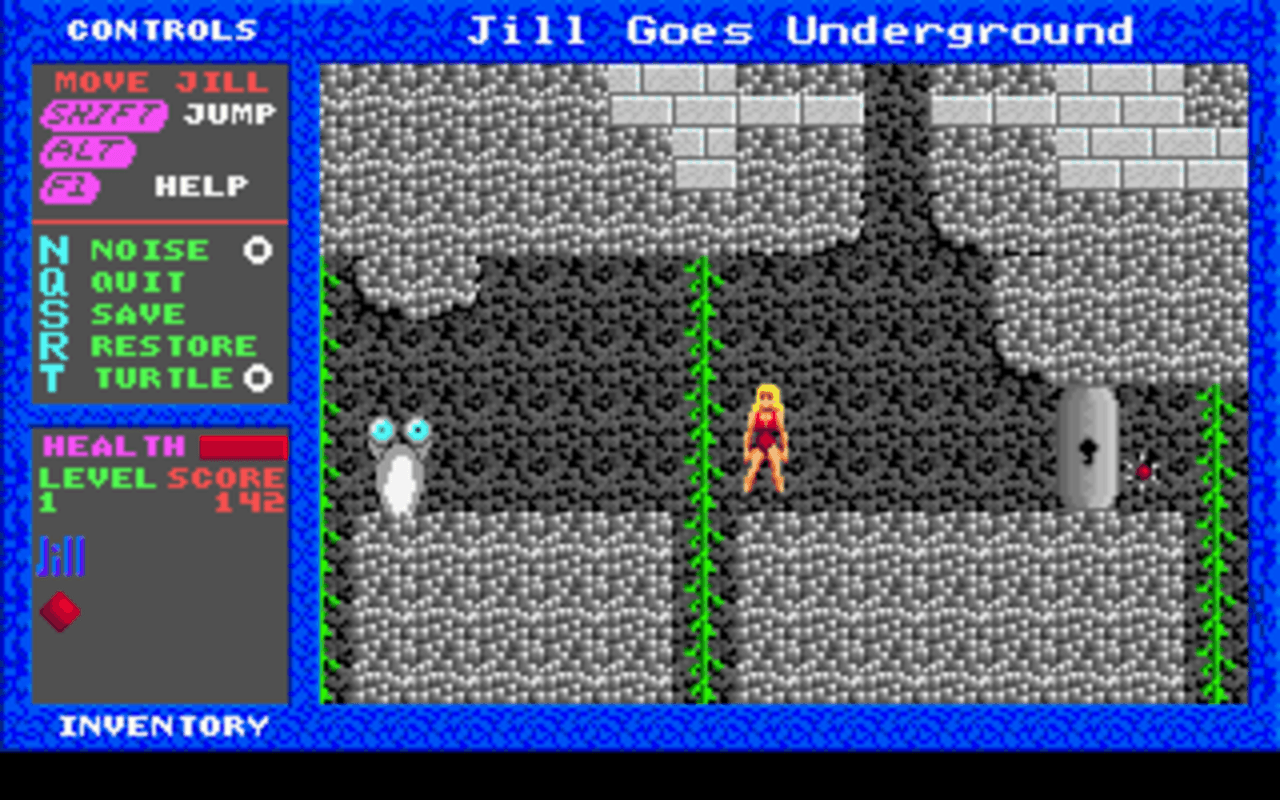
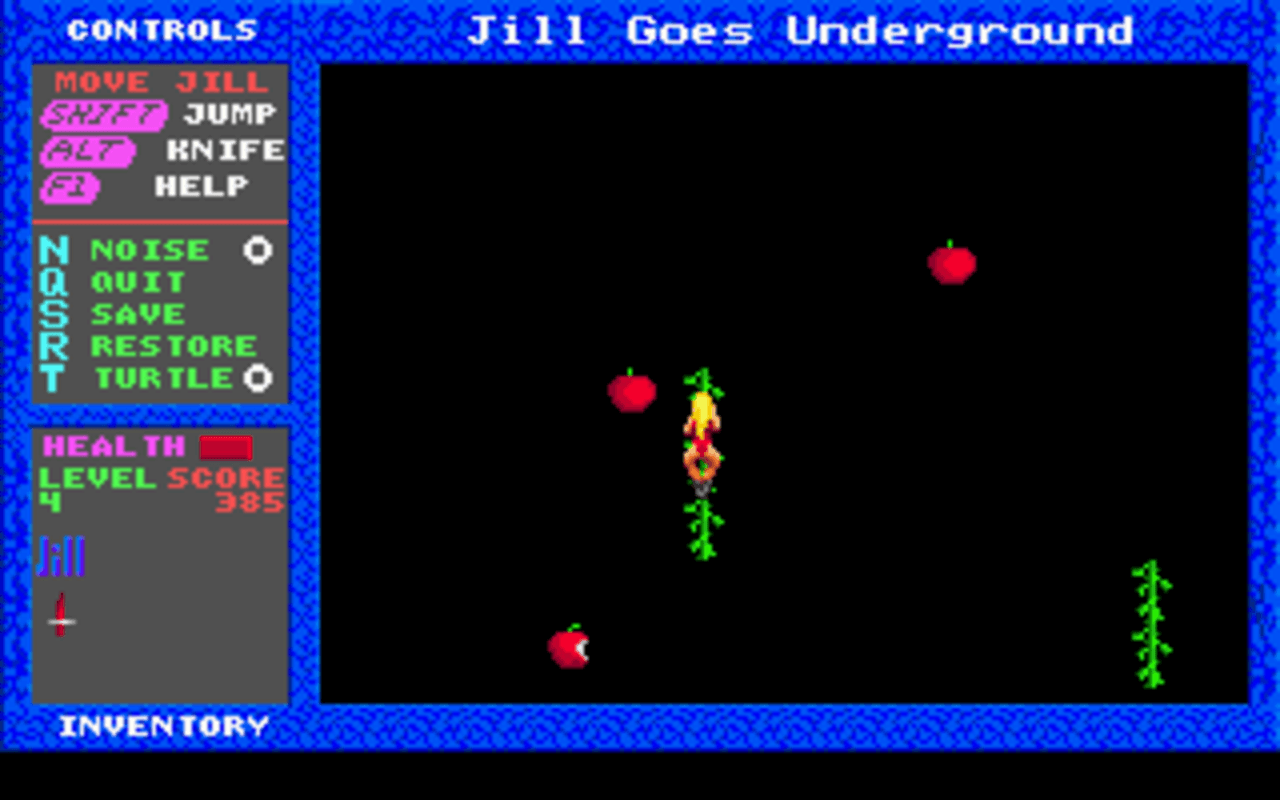
Despite the straightforward structure, Jill Goes Underground has a strong sense of place. The underground theme isn’t just cosmetic; it shapes how you approach the game. Visibility, cramped spaces, and layered routes create tension in a way open-air levels don’t. You start to think like an explorer: “If this corridor looks too safe, what is it hiding?” or “That ledge seems awkward—does it lead to something valuable?” This sense of discovery gives the game a gentle adventure flavor, even while it remains firmly rooted in action-platform gameplay.
Secrets are a big part of the appeal. The levels often suggest that there’s more than one “correct” way forward, and that suggestion encourages replay. You might clear a section once by brute force, then return with sharper timing and a better sense of the layout, spotting an alternate path that changes the whole feel of the stage. That creates a pleasant loop: play, learn, improve, explore. It’s a classic formula that still works because it respects the player’s curiosity.
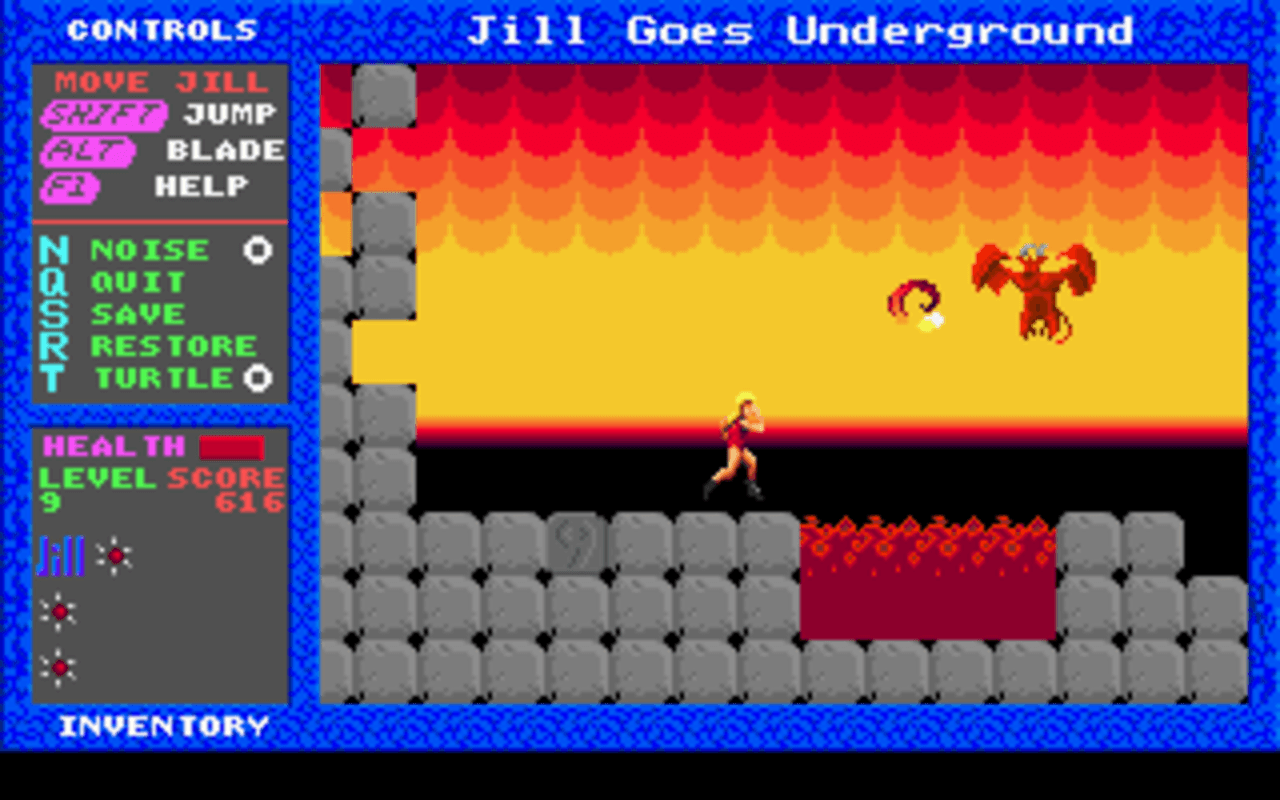
The tone stays light and brisk, too. Even when a section gets tense, the game rarely becomes grim. It has that adventurous Saturday-morning energy: danger is real, but it’s presented with a playful wink. That mood is part of why the game remains easy to recommend to anyone who wants a timeless retro action experience that doesn’t demand a huge time commitment to feel rewarding.
Play Jill of the Jungle: Jill Goes Underground online
One of the best ways to appreciate this game today is to play Jill of the Jungle: Jill Goes Underground online, because it keeps the action immediate and accessible. You can jump in free, run it directly in a browser, and enjoy the same responsive platforming without extra barriers. The pick-up-and-play structure also suits modern sessions, whether you’re at a desk or squeezing in a quick run on mobile devices. The game’s screen-by-screen challenges translate well to short bursts, and its clear visual language makes it easy to read hazards and plan jumps even on smaller displays, with no restrictions getting in the way of simply playing.
That accessibility highlights what the game does best: it delivers compact, satisfying platform action. Each stage feels like a small story of risk and reward—an attempt, a mistake, a better attempt, and finally that clean run where everything clicks. Playing online doesn’t change the spirit of Jill Goes Underground; it just puts the focus where it belongs, on timing, movement, and the delight of discovering one more hidden route.
Why Jill Goes Underground Still Feels Worth Playing
Jill of the Jungle: Jill Goes Underground endures because it understands the pleasure of pure gameplay. It doesn’t need elaborate progression systems to stay engaging; it relies on level craft and a steady stream of small challenges that build confidence. It’s also a reminder of how inventive classic PC action design could be, especially when developers prioritized clarity and flow over complexity.
If you like platform games that reward practice, this one offers plenty to chew on. If you prefer exploration, the underground setting and secret-feel layouts give you reasons to poke around. And if you simply want a brisk, cheerful retro game to play online, Jill’s second adventure is a tidy example of why the era is still fun: clear goals, lively pacing, and that unmistakable feeling of learning a level until you can glide through it.
By the end, Jill Goes Underground leaves you with a strong impression of momentum—of moving forward, testing your nerve, and finding the path that works. In summary, it’s a compact classic that mixes quick platform action with an explorer’s curiosity, turning underground caves into a playful proving ground for reflexes and attention.
To control the game, move Jill with directional inputs, jump with a dedicated action key, and use additional action buttons for interactions depending on the version you’re playing; the core is simple: run, time your leaps, and react quickly to hazards as you navigate each screen.
All used codes are publicly available, and the game belongs to its original authors.