Jill of the Jungle: Jill Saves the Prince and the Shareware Spirit
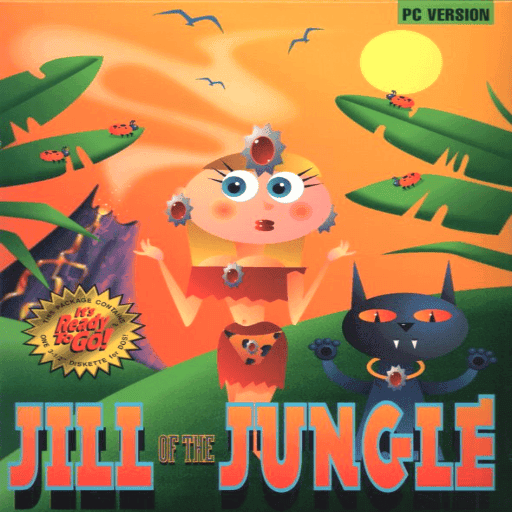
Jill of the Jungle: Jill Saves the Prince arrives from the energetic early-PC era when imaginative ideas could turn a simple keyboard-driven platform game into a memorable adventure. Published by Epic MegaGames, it reflects a period when designers leaned on bold level concepts, brisk pacing, and instantly readable visual cues rather than cinematic spectacle. The result is a game that still feels inviting: you run, jump, react, and explore with minimal fuss, yet there is enough personality in the world to make each stage feel like part of a larger tale.
This episode frames Jill as a confident heroine pushing deeper into danger to finish what the broader story began: a classic rescue premise with a playful jungle-fantasy twist. The tone is light and adventurous, but the obstacles are not merely decorative. Enemies, traps, and environmental tricks are positioned to test timing and curiosity, encouraging you to learn patterns, keep moving, and take smart risks. It is the kind of design that stays enjoyable because it relies on fundamentals that never age: clear goals, responsive movement, and levels that reward attention.
Jungle Platform Action That Rewards Rhythm and Nerve
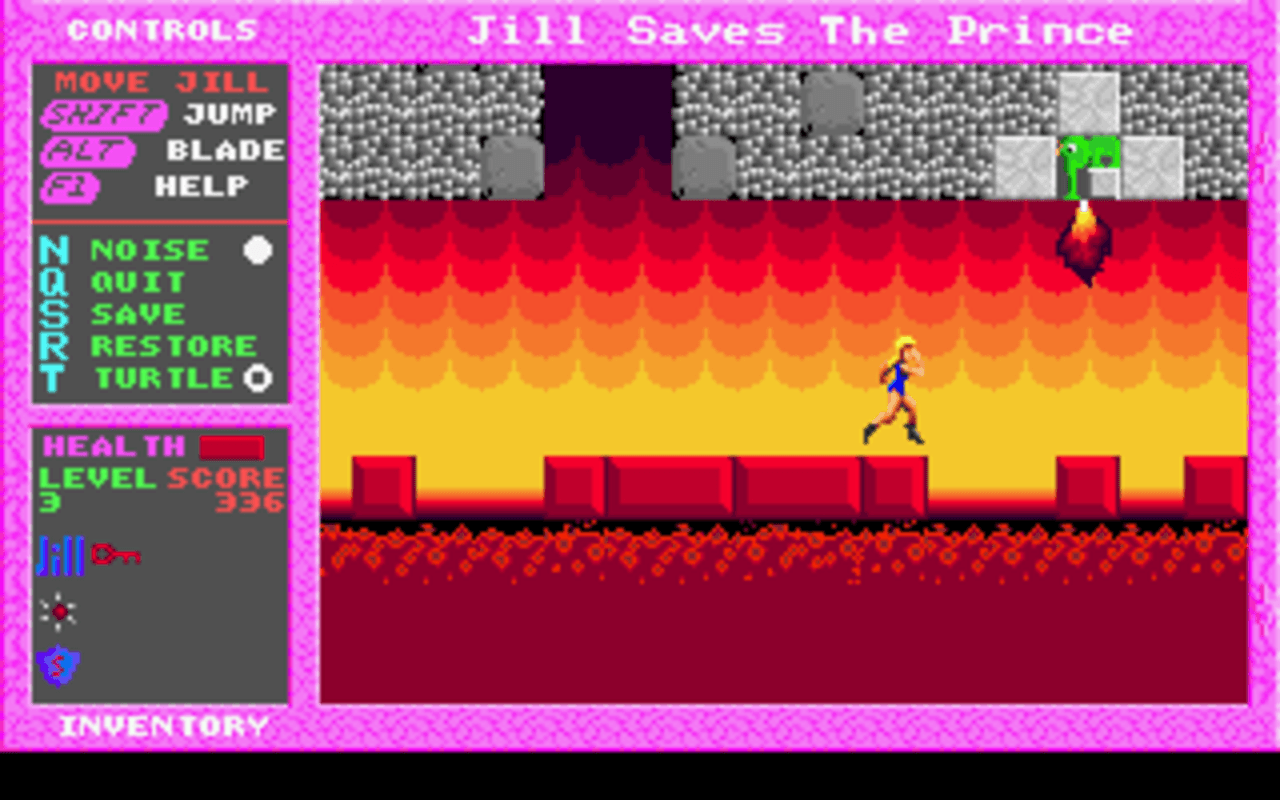
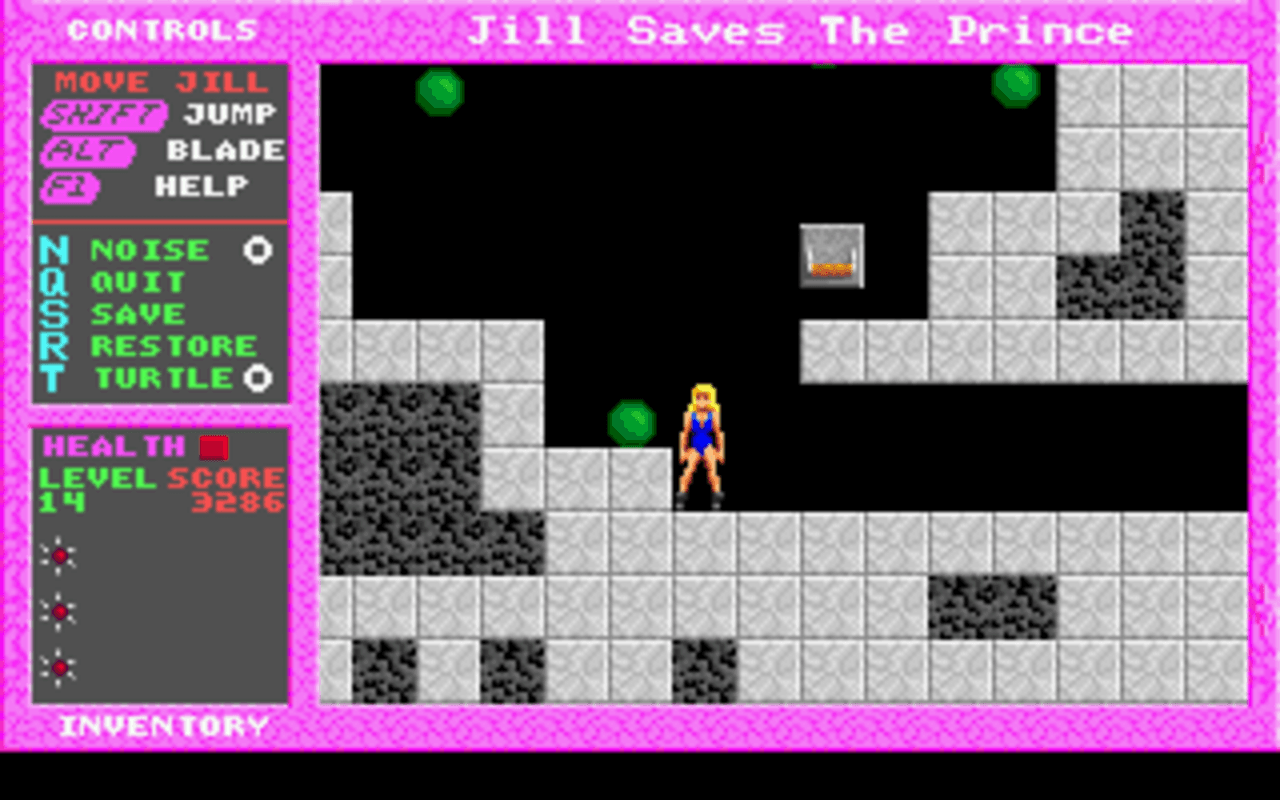
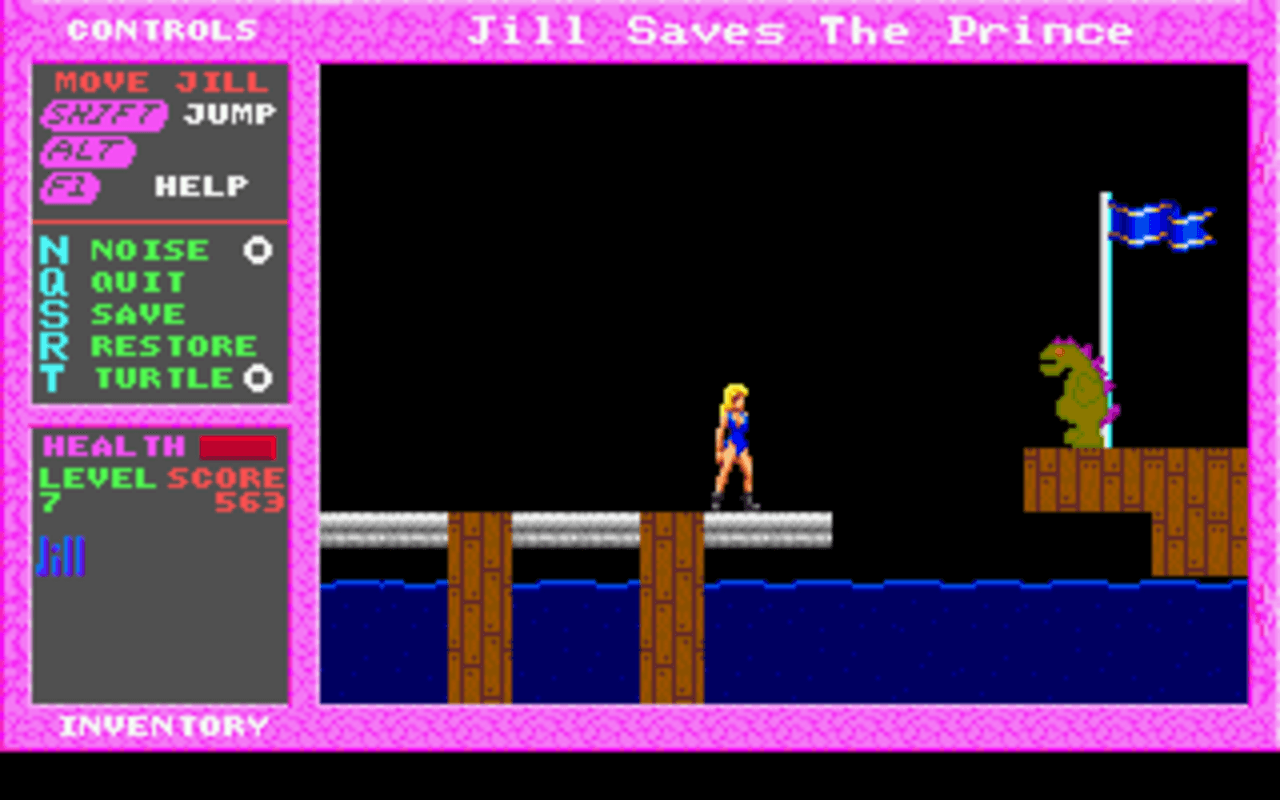
At its core, Jill Saves the Prince succeeds because it understands rhythm. You are frequently asked to chain short bursts of momentum with careful landings, then shift into a more cautious tempo when the terrain becomes hostile. That variety keeps the game from settling into autopilot. One area might invite a confident sprint across platforms, while the next forces you to slow down, judge distances, and commit to a jump only when the timing is right.
The best moments come when the game mixes straightforward hazards with mischievous surprises. A seemingly safe ledge may hide a threat, or an enemy’s placement may force you to rethink your route. These nudges make exploration feel purposeful rather than optional. You start scanning the scenery for cues, noticing where rewards might be tucked away and where the “obvious” path could be a trap. That habit of reading levels is a big reason classic platform games remain fun to play online: the challenge is mental as much as mechanical, and improvement comes from learning rather than grinding.
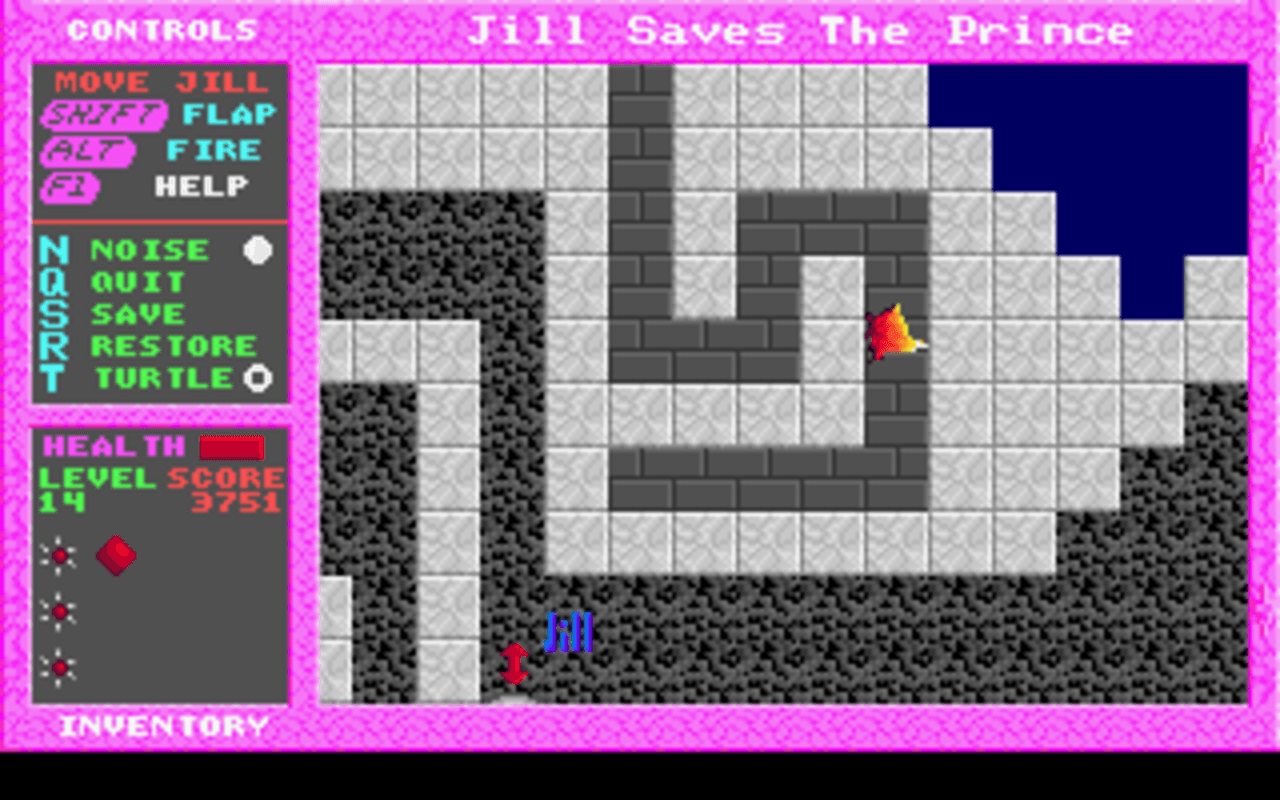
Jill’s toolkit also adds spice. Transformations and special abilities are not just gimmicks; they create moments of problem-solving inside the action. A section that looks brutal with basic movement can become manageable when you choose the right form or approach. The game encourages experimentation, and that is a subtle strength. Instead of only asking for faster reflexes, it sometimes asks for a better plan, which makes victories feel clever rather than merely lucky.
Secrets, Setbacks, and the Satisfaction of Getting Better
A classic DOS platform game often lives or dies by how it handles failure, and Jill Saves the Prince generally strikes a fair balance. Mistakes can be punishing if you rush blindly, yet the game rarely feels unfair when you slow down and treat it like a conversation: the level shows you something, you respond, and over time you learn the language. That learning loop is satisfying. Your second attempt through a tricky stretch often looks completely different from your first, not because the rules changed, but because you did.
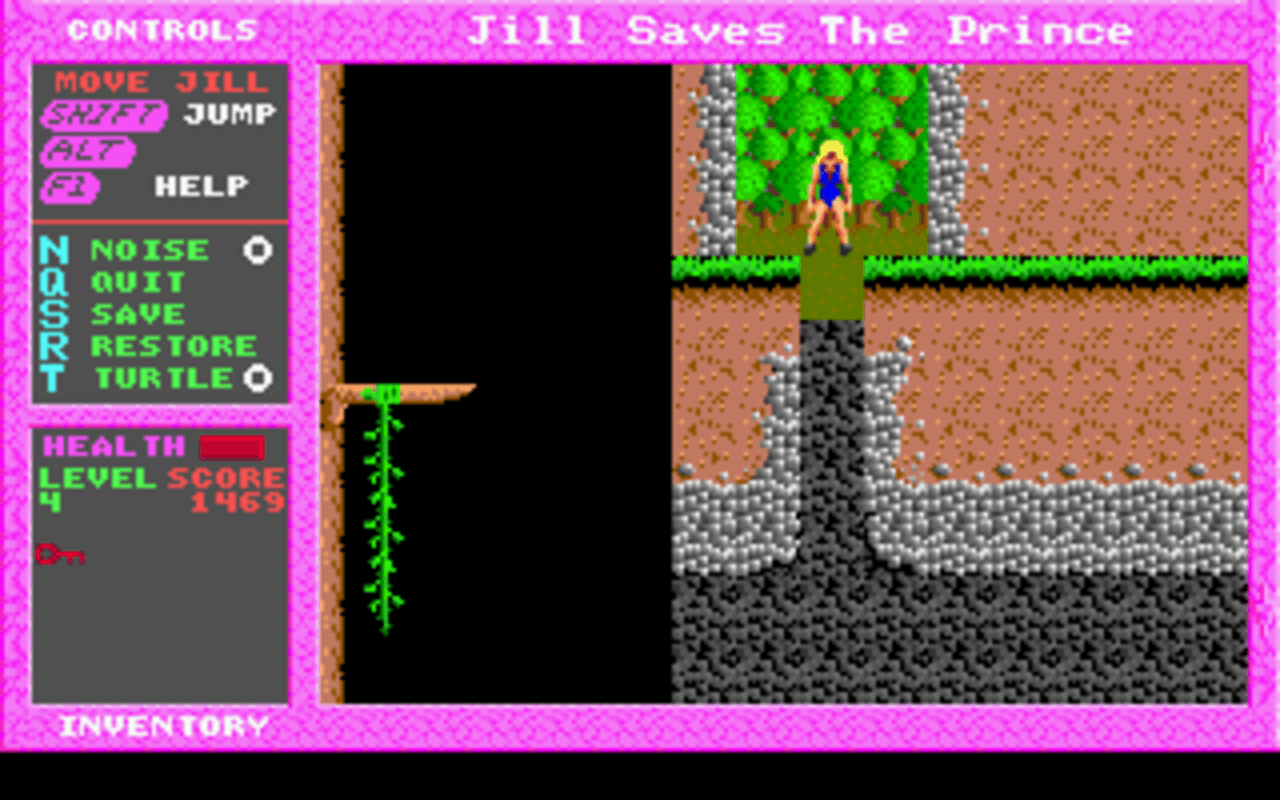
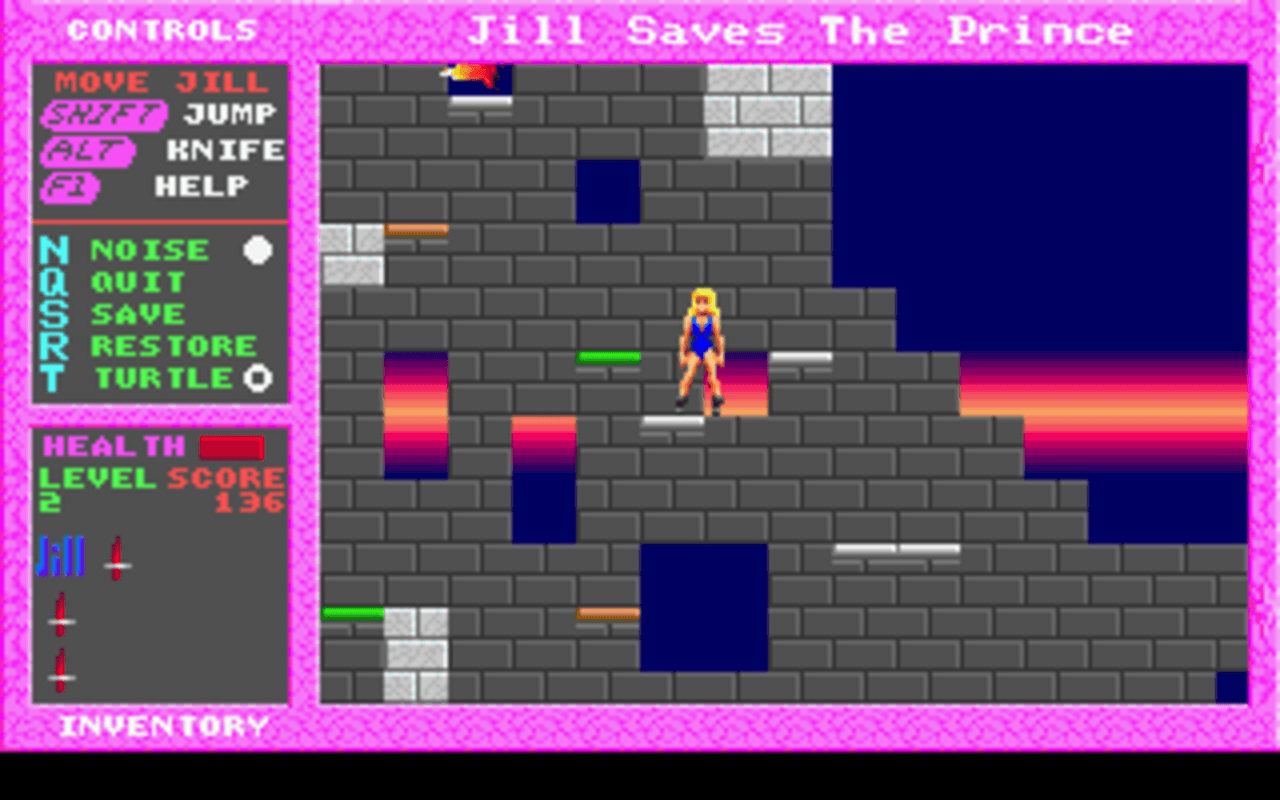
Exploration is woven into that improvement. Hidden goodies and alternate routes are placed to tempt you off the main line, and even when a secret does not directly change your success, it changes your relationship with the stage. You begin to see the layout as a small ecosystem of risks and rewards instead of a single corridor. This is where the game’s old-school structure shines. It does not need endless systems to keep you engaged; it simply asks you to notice more, try again, and move with intention.
Narratively, the rescue theme gives the adventure a clean forward pull. You always know why you are pushing onward, and the game’s upbeat atmosphere keeps the stakes fun rather than heavy. That clarity supports replay value too: when the objective is simple and the mechanics are tight, returning for another run becomes appealing. It is easy to imagine someone discovering the game online and immediately understanding what to do, even without a manual.
Play Jill of the Jungle: Jill Saves the Prince online
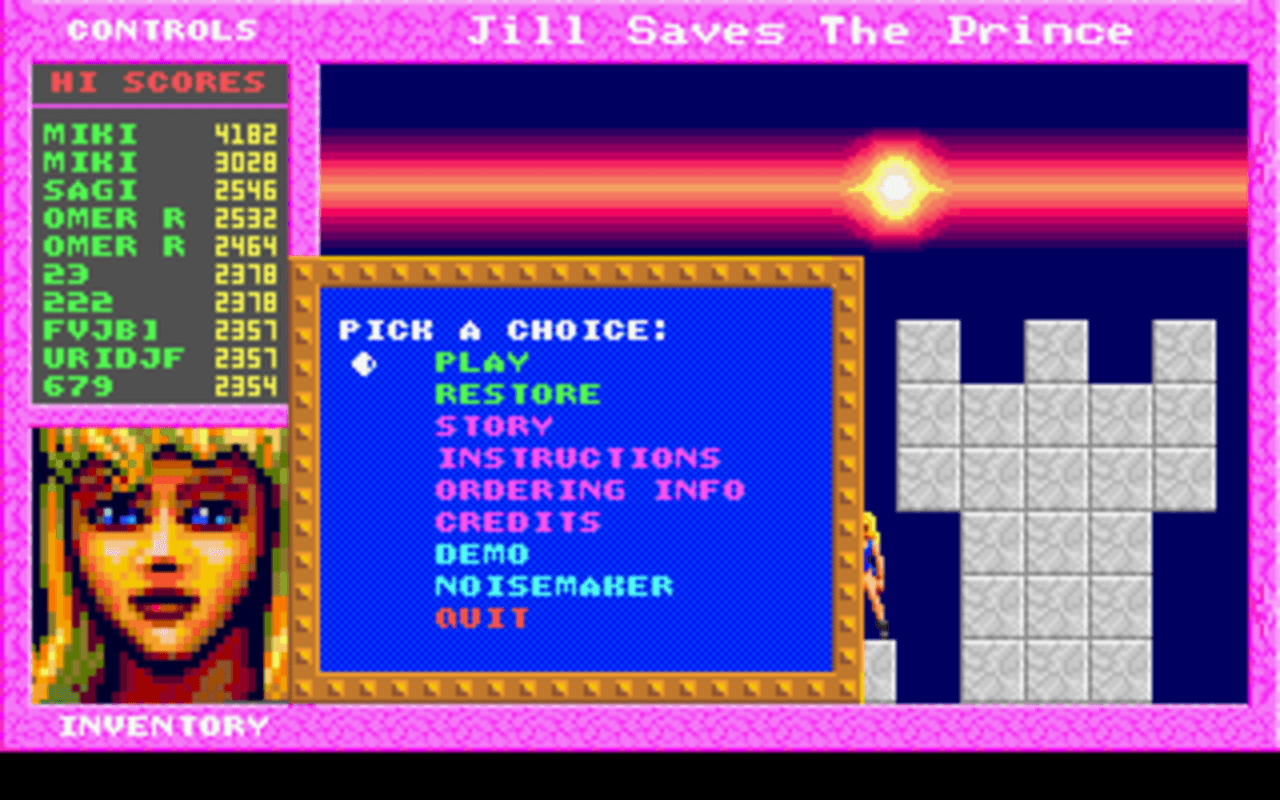
One of the reasons Jill of the Jungle: Jill Saves the Prince continues to attract new fans is how naturally it fits modern play habits. You can play it free in a browser, jump in for a quick session, and enjoy the same responsive platform action without needing specialized hardware. It also translates well to mobile devices, where short bursts of play suit the game’s stage-based momentum. With no restrictions on where you can enjoy it, the core appeal remains the same: a classic game built around quick thinking, clean movement, and the thrill of discovering what lies ahead.
What matters most is that the experience stays faithful to what made this kind of DOS adventure special. The visuals remain readable, the challenge stays honest, and the sense of progress comes from learning the levels. Whether you are revisiting Jill’s journey or meeting her for the first time, the game still delivers that crisp, arcade-like satisfaction that defines the best platform classics.
A Quick Wrap-Up and How to Control Jill
Jill of the Jungle: Jill Saves the Prince is a spirited action platform game from Epic MegaGames that pairs a simple rescue story with clever level design and playful abilities. Its enduring charm comes from fundamentals done well: movement that feels snappy, hazards that teach as they challenge, and secrets that reward curiosity. It remains a lively pick for anyone who wants a classic jungle adventure with personality and pace.
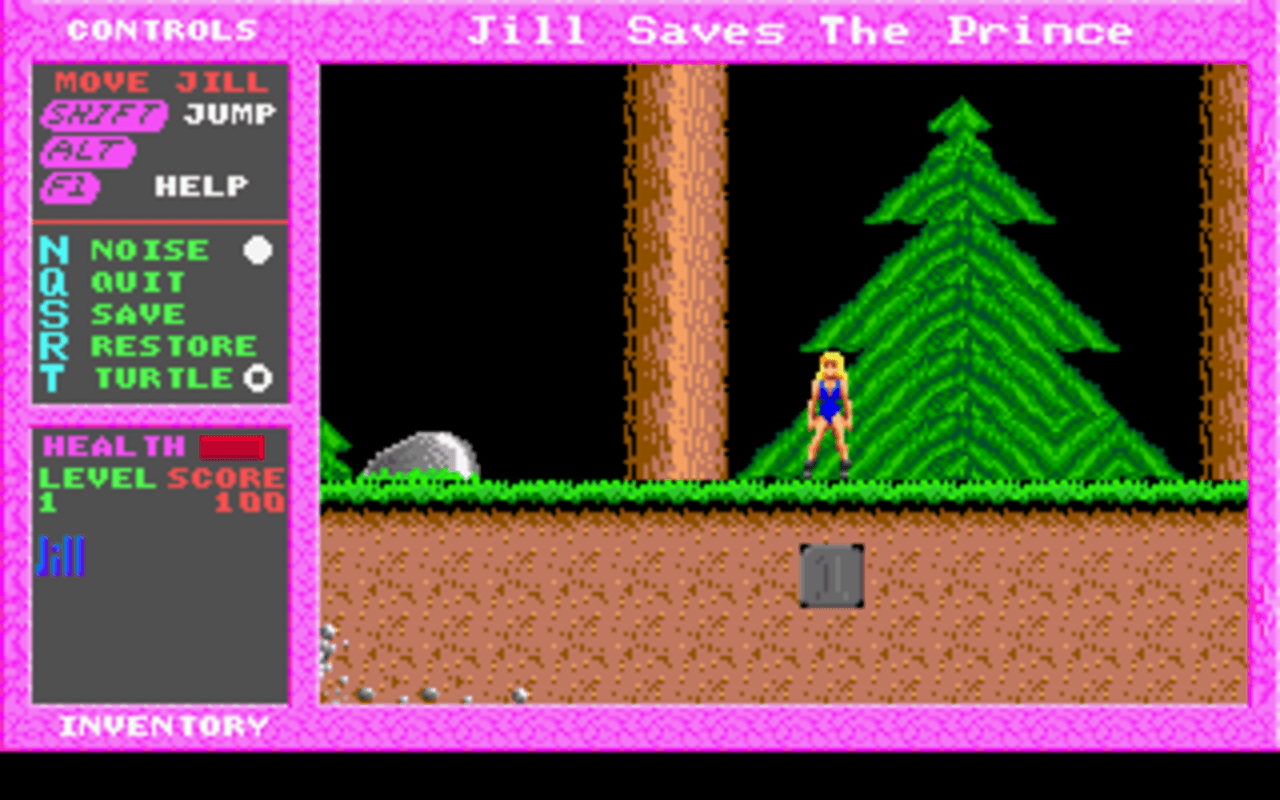
Controls are typically handled with the keyboard: directional inputs move Jill left and right, jumping is mapped to a dedicated key, and additional keys trigger attacks or transformations depending on the version and configuration. The feel is immediate and responsive, encouraging quick reactions while still leaving room for careful timing.
All used codes are publicly available and that the game belongs to its original authors.